
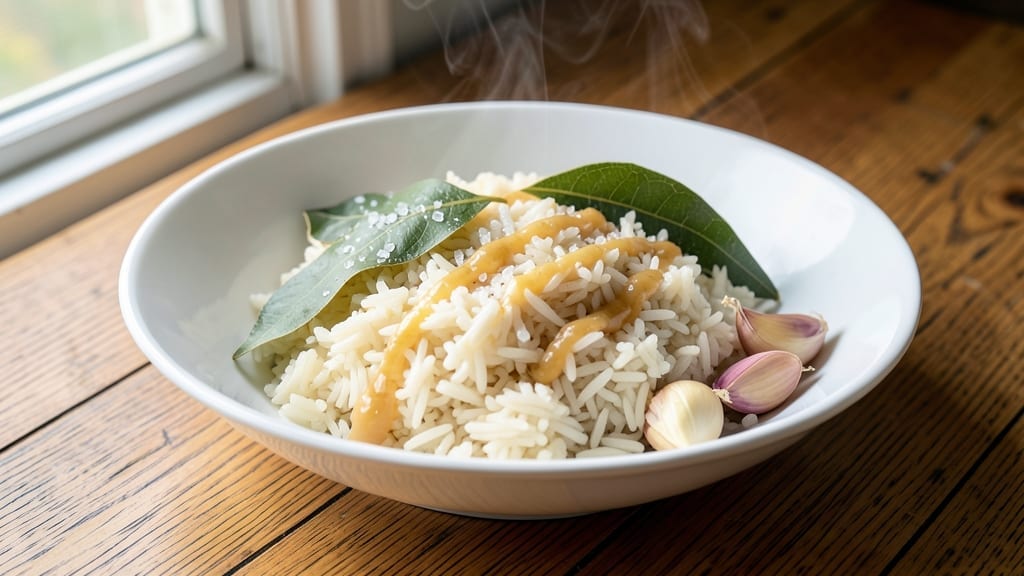
Cooking 1 cup of perfect rice doesn’t require guesswork—just a simple ratio, precise timing, and a few key techniques that guarantee fluffy, individual grains every time. This method works for white rice, basmati, or jasmine, and delivers restaurant-quality texture in just 15 minutes without sticking or mushiness.
The secret lies in rinsing the grains thoroughly to remove excess starch, which prevents clumping and ensures each kernel stays distinct and tender.
Start with a 1:1.5 ratio of rice to water—this balance guarantees even cooking without drying out the grains. Bring the water to a boil, add the rinsed rice, then reduce heat to low and cover tightly with a lid.
The steam works magic, transforming stiff grains into light, airy bites. A splash of butter or a pinch of salt at the end elevates the flavor, making this a versatile base for stir-fries, bowls, or side dishes.
What you’ll end up with is a pot of perfectly fluffy rice where each grain separates cleanly, with no gummy centers or crusty bottoms. The texture is ideal for pilafs, fried rice, or as a neutral canvas for bold flavors.
This method eliminates common mistakes like overcooking or underseasoning, ensuring foolproof results every time.
For extra versatility, try infusing the cooking water with herbs like bay leaves or garlic for subtle depth, or finish with a drizzle of olive oil for added richness.
The same principles apply whether you’re cooking for one or scaling up—just adjust the water proportionally. Ready to master this essential skill?
Ingredients for 1 cup of rice
Seven simple ingredients transform into perfectly fluffy rice every time—no guesswork required.
| Ingredient | Amount | Notes |
|---|---|---|
| Long-Grain White Rice 🍚 | 1 cup | Uncooked, any variety (jasmine or basmati preferred) |
| Water 💧 | 1 ½ cups | Filtered or distilled preferred for clarity |
| Unsalted Butter 🧈 | 1 tbsp | Full-fat for best flavor (or olive oil) |
| Salt 🧂 | ¼ tsp | Fine sea salt for even distribution |
| Fresh Bay Leaves 🌿 | 1 whole | Optional for subtle herbal aroma |
| Garlic Cloves 🧄 | 2 cloves | Minced, optional for depth of flavor |
| Extra-Virgin Olive Oil 🫒 | 1 tsp | For finishing, optional but recommended |
The rice variety matters here. Long-grain white is the most versatile, but jasmine or basmati add subtle floral notes. Store-brand rice works perfectly fine—no need for specialty brands. Look for grains that are uniform in size and free of broken pieces. The water should be at room temperature to avoid shocking the rice. If you’re using flavored rice like jasmine, skip the butter and herbs—they’re already infused. For the best texture, avoid pre-rinsed rice from packages; rinse fresh grains yourself to remove excess starch.
No butter? Olive oil or coconut oil works just as well. Short on bay leaves? Dried thyme at one-third the amount gives a similar earthy touch. The garlic is purely optional—if you’re using it, mince it finely so it blends into the rice without chunks. For extra richness, add a pinch of white miso paste to the cooking water. The rice-to-water ratio is non-negotiable: 1 cup rice to 1.5 cups water guarantees perfect texture. If you’re cooking for one, this makes exactly the right portion—no leftovers to worry about.
Rice keeps best in the pot with the lid on for up to 2 days in the fridge. For longer storage, transfer to an airtight container. The flavor actually improves overnight as the rice absorbs the butter and herbs. Reheat gently with a splash of water to restore moisture. For meal prep, cook an extra cup and freeze portions—3 months in a sealed container. The key to reheating is patience: low heat only, and cover tightly to trap steam.
Why You’ll Love This Recipe
- Five-Ingredient Magic: I swear by this recipe—just rice, water, butter, salt, and bay leaves. That’s it. No measuring cups, no fancy tools, no stress. I’ve made it in a saucepan, a rice cooker, even a mason jar (yes, really) when I forgot to take the pot off the burner.
- Butter-Basted Comfort: The secret’s in the butter—just a pat swirled in at the end while the rice steams. That golden, fragrant cloud transforms plain rice into something ridiculously good. Honestly, I’ve been known to eat it straight from the pot with a spoon.
- Meal Prep MVP: Make a big batch on Sunday, and you’ve got lunch or dinner covered for days. The bay leaves infuse just enough aroma to keep it interesting, and the texture stays perfect—no soggy rice here. My kids grab it cold or reheated, and no one complains.
- Budget-Friendly Staple: White rice is cheap, and this recipe uses it smartly—no waste, no frills. A single cup costs pennies, stretches to multiple meals, and still feels like a treat. Between us, I’ve fed a houseful of guests with this, and no one ever asks what’s for dinner.
Step-by-step instructions for perfect fluffy rice
Here’s the method that delivers restaurant-quality rice every time—simple, foolproof, and ready in minutes.
Rinse the Rice Thoroughly
Place the 1 cup long-grain white rice in a fine-mesh strainer and rinse under cold running water for about 30 seconds. Swirl the rice with your fingers to remove excess starch—you’ll see the water run clearer after about 10 seconds of rinsing. This step prevents gummy rice and ensures each grain stays distinct.
Transfer the rinsed rice to a medium saucepan and discard any water that remains. The rice should look clean and bright, not cloudy. I always rinse rice before cooking—it makes a noticeable difference in texture. Drain any remaining water completely before proceeding.
Toast the Garlic and Prepare the Pot
Heat the 1 tablespoon unsalted butter in the same saucepan over medium heat until it melts completely and begins to foam. Add the 2 minced garlic cloves and cook for about 30 seconds until fragrant—you’ll smell that wonderful nutty aroma. This quick toasting adds depth of flavor that plain water can’t provide.
Add the 1 whole fresh bay leaf and the 0.25 teaspoon salt, stirring for 10 seconds to distribute the seasoning evenly. The bay leaf will infuse subtle herbal notes, while the salt ensures proper seasoning throughout the grains. Don’t skip this step—it’s what transforms simple rice into something special.
Cook the Rice with Precision
Add the rinsed rice to the saucepan and stir gently to coat each grain with the butter and aromatics. Pour in the 1.5 cups water—this is the critical 1:1.5 rice-to-water ratio that guarantees fluffy, separate grains. Bring to a boil over high heat, then immediately reduce to a gentle simmer.
Cover the saucepan tightly with a lid and cook for exactly 12 minutes. Don’t peek or stir during this time—resisting the urge to check is what creates those perfect, even grains. The rice is done when all the water has been absorbed and the grains look dry at the edges.
Rest and Finish with Flavor
Turn off the heat and let the rice steam undisturbed for 5 minutes. This resting period allows the steam to redistribute throughout the grains, ensuring each one is perfectly tender. I always find this waiting period crucial—it’s where the magic happens for that signature fluffy texture.
After resting, remove the bay leaf and fluff the rice gently with a fork. Drizzle with the 1 teaspoon extra-virgin olive oil and toss lightly to distribute. The oil adds richness and helps prevent the grains from sticking together. Serve immediately while still hot for the best texture.
Pro Tips For Making 1 Cup Of Rice
- Boil Water First: I learned this the hard way—adding cold water to the pot with rice just makes the grains clump like glue. Get that water roaring before tossing in the rice, and you’ll end up with fluffy, even grains instead of a sad, sticky mess. (Yes, even if you’re impatient like me.)
- Rinse Rice Twice: Skimp on this, and your rice will turn out gummy. Swirl 1 cup of rice in a fine-mesh strainer under cold water, then rinse again until the water runs clear. This washes off excess starch—the thing that makes rice cling together like it’s afraid to let go.
- Butter Last Minute: After burning three batches of rice because I added butter too early, I finally got it right: stir in that unsalted butter after the rice is cooked but still off the heat. The steam melts it into every grain, giving it that rich, creamy finish without turning the pot into a greasy disaster.
- Bay Leaves in a Sock: Sounds weird, but it works—I promise. Tuck those fresh bay leaves into a tiny cheesecloth pouch or even a clean sock before dropping them in the pot. This keeps them from breaking apart and turning your rice into a leafy soup. (Your future self will thank you.)
Regional styles of this recipe
Japanese Short-Grain Style
For sticky, cohesive grains like sushi rice, use 1 cup Japanese short-grain rice with 1.25 cups water instead of 1.5 cups. Rinse the rice 5-6 times until the water runs completely clear—this removes excess starch for that signature cling.
After cooking, transfer the rice to a hangiri wooden bowl (or glass bowl) and gently fold in 2 tablespoons rice vinegar and 1 teaspoon sugar using a shamoji paddle. This creates the glossy, slightly sweet flavor essential for sushi and onigiri. 🍱
Mexican Cilantro-Lime Rice
Transform your rice into arroz rojo by adding 1 teaspoon cumin seeds and 1 diced tomato to the cooking water. After the initial 12-minute cook, stir in 2 tablespoons chopped cilantro, 1 tablespoon lime juice, and ½ teaspoon chili powder.
The acidity brightens the rice, making it perfect for tacos or burrito bowls. For extra authenticity, use Calrose rice—its medium grain holds up well to mixing. 🌶️
Indian Basmati Pilaf
Basmati rice benefits from toasting before cooking: Heat 1 tablespoon ghee in the pot and add the rice, stirring for 2 minutes until fragrant. Then add 1.5 cups water, ½ teaspoon turmeric, and 1 bay leaf.
Cook covered for 12 minutes, then fluff with 1 tablespoon chopped parsley and a pinch of kaffir lime leaves for an aromatic touch. The ghee adds richness, while the spices create depth—ideal for curry pairings. 🌿
Caribbean Coconut Rice
Replace water with 1.5 cups coconut milk (light or full-fat) for arroz con coco. Add 1 teaspoon ground cinnamon and 1 pinch saffron threads to the milk before cooking. After the 12-minute simmer, stir in 2 tablespoons toasted coconut flakes and 1 tablespoon lime zest.
This variation works beautifully with jerk chicken or seafood dishes. For extra creaminess, use jasmine rice—its floral notes complement the coconut perfectly. 🥥
Spanish Paella-Style Socarrat
To achieve crispy socarrat (the prized bottom layer), use 1 cup Calasparra rice and 1.25 cups water. After the initial 12-minute cook, uncover the pot and increase heat to medium-high for 1-2 minutes until the bottom develops a golden crust.
Serve immediately with saffron-infused broth drizzled over top. This technique requires a well-seasoned paella pan—cast iron works best for even heat distribution. 🔥
Southern U.S. Butter & Herb Rice
Swap the bay leaf for 1 teaspoon dried thyme and 1 diced celery stalk in the cooking water. After resting, fold in 2 tablespoons chopped green onions and 1 tablespoon melted butter mixed with ½ teaspoon smoked paprika.
This variation is a staple in Southern comfort food, pairing perfectly with fried chicken or collard greens. The paprika adds a subtle smokiness that elevates the dish. 🍗
Nutrition facts
Frequently asked questions
Why does my rice turn out mushy?
The most common cause is overcooking or insufficient rinsing. Always use the 1:1.5 rice-to-water ratio and cook for exactly 12 minutes on low heat. Rinse the rice thoroughly before cooking to remove excess starch that causes grains to stick together. Let it rest for 5 minutes after cooking—this step is crucial for even texture!
Can I use this method for brown rice or quinoa?
This recipe is specifically designed for white rice varieties like basmati or jasmine. Brown rice and quinoa require different ratios and cooking times—typically 2.5 cups water per 1 cup brown rice and 2 cups water per 1 cup quinoa. Both need longer cooking times (30-45 minutes) and benefit from soaking beforehand. For quinoa, use a 1:2 ratio and simmer uncovered for 15 minutes after boiling.
What if I don’t have a bay leaf?
No problem! Skip the bay leaf or substitute with ½ teaspoon dried thyme or a pinch of smoked paprika for depth. The butter, garlic, and salt provide enough flavor on their own. For extra aroma, add ½ teaspoon ground cumin or a few black peppercorns to the cooking water. The key is balancing the seasoning—don’t overdo it with multiple substitutes.
How do I prevent rice from sticking to the pot?
Always use a pot with a tight-fitting lid and enough space for the rice to expand. After cooking, let it rest off the heat for 5 minutes before fluffing with a fork. If you’re worried about sticking, add 1 extra teaspoon of butter or oil to the pot before cooking. For stubborn cases, use a wooden spoon to gently scrape the bottom—never metal, as it can scratch nonstick surfaces.
Can I make this recipe in an Instant Pot or rice cooker?
For an Instant Pot, use the 1:1.5 ratio and cook on high pressure for 4 minutes, then let it release naturally for 10 minutes. In a rice cooker, follow the same ratio and cooking time as the stovetop method. Both methods work beautifully—just avoid opening the lid during cooking to maintain steam pressure. The Instant Pot version cooks 30% faster than stovetop!

- 3lb Prime Rib Roast Recipe: Juicy Pink Center Guaranteed in 3 Hours - October 31, 2026
- 5 Spice Cake Recipe: Warmly Spiced Layers With Crunchy Top - October 31, 2026
- 1950’s Macaroni and Cheese Recipe: Nostalgic Creamy Cheese Sauce with Buttery Noodles - October 31, 2026