
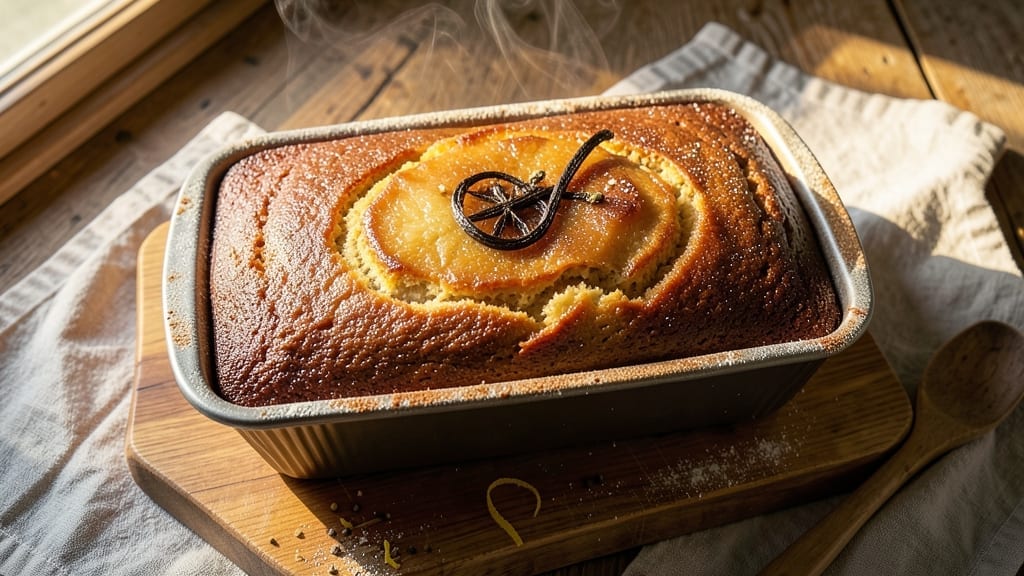
A 1 egg pound cake recipe can transform a basic pound cake into something ultra-moist and tender, proving that fewer ingredients often mean better results.
This recipe relies on the egg’s natural binding power to create a delicate crumb that stays fresh for days, without the need for excessive butter or sugar. The secret lies in precise timing and gentle folding—techniques that ensure the cake rises evenly and holds its shape without cracking.
What makes this pound cake special is its simplicity: just one egg, buttermilk for moisture, and a touch of vanilla to elevate the flavor. The cake bakes at a steady 350°F, ensuring a golden crust while keeping the interior tender and even.
No special equipment is needed—just a standard cake pan and a whisk for mixing. This recipe is perfect for those who want a classic pound cake without the fuss of multiple eggs or complicated steps.
By the time it emerges from the oven, you’ll have a cake with a fine, even crumb and a subtle sweetness that’s balanced by the richness of the butter. The texture remains moist for days, making it ideal for slicing into thick portions or layering with a simple glaze.
Whether you’re baking for a celebration or just craving a slice of comfort, this cake delivers restaurant-quality results with minimal effort.
For those who prefer alternatives, this recipe can easily be adapted with flax eggs or aquafaba while maintaining the same tender texture. The key to success is patience—letting the batter rest and baking it just until a toothpick comes out clean.
Here’s how to achieve the perfect single-egg pound cake every time.
Ingredients for 1 egg pound cake
Nine ingredients, one egg, and the secret to a perfectly moist pound cake.
| Ingredient | Amount | Notes |
|---|---|---|
| Large Eggs 🥚 | 1 whole | Room temperature for even mixing |
| Unsalted Butter 🧈 | ½ cup | Cold, cubed for even distribution |
| All-Purpose Flour 🌾 | 1 ½ cups | Sifted for light texture |
| Granulated Sugar 🍚 | 1 cup | Superfine preferred for smoothness |
| Buttermilk 🥛 | ½ cup | Room temperature for best blend |
| Pure Vanilla Extract 🌿 | 1 tbsp | High-quality for authentic flavor |
| Baking Powder 🧂 | 1 ½ tsp | Freshly opened for lift |
| Salt 🧂 | ¼ tsp | Fine sea salt preferred |
| Vegetable Oil 🫒 | ¼ cup | Light, neutral flavor |
The butter and egg are your cake’s foundation. European-style butter, like Plugrá or Land O’Lakes, gives the best flavor and texture—it has higher fat content. For the egg, room temperature is critical; it blends more smoothly. The vanilla extract should be pure, not imitation—Nestlé or McCormick are reliable brands. If you’re using buttermilk straight from the carton, give it a shake first to redistribute the solids. The flour? King Arthur or Gold Medal are my go-tos—they’re consistent and reliable. Sift it before measuring to avoid dense spots in the cake.
No buttermilk? Mix 1 tbsp lemon juice or vinegar with 0.5 cup milk and let it sit for 5 minutes. Running short on vanilla? Vanilla bean paste or even vanilla sugar works in a pinch, though pure extract is ideal. The baking powder must be fresh—if it’s more than 6 months old, toss it. For a richer cake, swap half the vegetable oil for melted butter. The sugar can be turbinado or powdered if you prefer, but granulated is standard. If you’re baking at high altitude, add 1 tbsp extra flour to prevent sinking.
Store the cake in an airtight container at room temperature for up to 3 days. For longer storage, wrap it tightly in plastic and refrigerate for up to 1 week. To revive stale cake, sprinkle with water and warm in the oven for 10 minutes. This cake freezes beautifully—wrap slices individually in plastic and freeze for up to 3 months. The texture stays moist even after freezing, making it perfect for meal prep.
Why You’ll Love This Recipe
- Moist Magic: The buttermilk and single egg create that signature tender crumb—no dry bites here. Honestly, I’ve made pound cake before, and this one stays fresh-tasting for days without tasting stale.
- Butter’s Rich Payoff: Just one stick of butter makes all the difference—creamy layers that melt in your mouth. Between us, I’d argue this beats richer cakes because the sugar and flour balance it perfectly.
- Weeknight Workhorse: Slice it for breakfast, pack it for lunch, or serve it with coffee—it’s that adaptable. I’ll be real: my kids ask for it more than any store-bought muffin, and it’s cheaper to make.
- Leftovers? No Problem: This cake holds up beautifully, so I bake a whole pan and freeze slices. Thaw overnight, and it’s like fresh-baked—no reheating needed. My secret weapon for lazy mornings.
Step-by-step instructions for 1 egg pound cake
Here’s the method for a perfectly moist pound cake using just one egg.
Prepare Your Mixing Tools and Ingredients
Preheat your oven to 350°F and grease an 8×4-inch loaf pan generously with the 0.25 cup vegetable oil, then dust it lightly with flour. Tap out any excess to prevent a heavy crust. This preparation ensures easy release and a clean slice.
While the oven heats, take the 1 whole Large Eggs and 0.5 cup buttermilk out of the refrigerator to come to room temperature. Room temperature ingredients mix more smoothly and create a lighter batter. Sift together the 1.5 cups all-purpose flour, 1.5 tsp baking powder, and 0.25 tsp salt in a medium bowl. Set aside for now.
Cream Butter and Sugar for Maximum Moisture
In a large mixing bowl, combine the 0.5 cup unsalted butter (cubed) and 1 cup granulated sugar. Using an electric mixer on medium speed, beat for 3-4 minutes until light and fluffy. You’re looking for a pale, creamy mixture that nearly doubles in volume—this incorporates air that will create a tender crumb.
Here’s the thing—don’t rush this step. The butter should be fully incorporated with the sugar, leaving no streaks. If you see any butter chunks remaining, continue beating for another 30 seconds. This thorough creaming is what makes pound cake so moist, even with just one egg.
Incorporate Wet Ingredients for Perfect Texture
Add the room temperature 1 whole Large Eggs to the butter mixture, mixing on low speed until fully combined. Then add the 0.5 cup buttermilk and the 1 tbsp pure vanilla extract. Mix on low speed just until everything is incorporated—about 30 seconds. Overmixing here can develop gluten and make the cake dense.
With the mixer running on low, gradually add the sifted dry ingredients to the wet mixture. Mix just until combined—you should still see some flour streaks. The goal is to maintain a light, airy batter. Once fully incorporated, scrape down the sides of the bowl with a spatula to ensure even distribution of ingredients.
Bake to Golden Perfection
Pour the batter into the prepared loaf pan and smooth the top with a spatula. Place the pan on the center rack of your preheated oven and bake for 50-55 minutes, or until a toothpick inserted in the center comes out clean. The cake should be golden brown on top and spring back gently when pressed in the center.
I know it seems like a long time, but patience is key here. The cake needs time to set properly in the center while the outside doesn’t overbake. If the top starts to brown too quickly, tent the pan with aluminum foil to prevent over-browning while allowing the cake to continue baking.
Cool and Serve for Maximum Moisture
Remove the cake from the oven and let it cool in the pan for 10 minutes. Then transfer it to a wire rack to cool completely. This gradual cooling prevents the cake from developing a crack or sinking in the center as it cools.
For the best texture, serve the cake at room temperature. The moisture will be perfectly distributed throughout, giving you that classic pound cake tenderness. If you’re making this ahead, wrap it tightly in plastic wrap and store at room temperature for up to 3 days, or refrigerate for up to 5 days. For longer storage, freeze the cake for up to 3 months.
Pro Tips For Making 1 Egg Pound Cake
- Whisk Eggs Until Ribbon Stage: Don’t just stir—whip those eggs until the mixture holds a slow ribbon when the whisk is lifted. I used to stop when they looked “fluffy,” but this extra 30 seconds guarantees a lighter crumb. (Yes, even with just one egg, it matters.)
- Melt Butter Slowly: Warm the butter in the microwave in 10-second bursts until just melted—no steam, no bubbles. Overheating turns it greasy, and your cake will taste like a shortbread cookie instead of the tender, buttery pound cake you want.
- Sift Flour Twice: First sift the flour into the bowl, then sift it again right before folding it in. This keeps lumps out and makes mixing easier—no one likes scraping dough off the whisk later. (Trust me, I’ve done it.)
- Preheat Pan and Oven Together: Place your greased pan in the oven while it preheats. The residual heat helps the batter set faster and prevents a dense center. I learned this after a cake that took 20 minutes longer to bake—and still came out underdone.
Essential equipment for perfect results
Basic Mixing Tools
You don’t need a fancy kitchen to make this pound cake—just a few essential tools. A standard 8×4-inch loaf pan is a must (I recommend Wilton’s nonstick pans for easy release). For mixing, a hand mixer (like the KitchenAid KHM5221CU) or even a whisk works perfectly.
A medium mixing bowl (around 3-quart capacity) keeps ingredients contained, and a spatula helps scrape down the sides during mixing. 🥄
Measuring Essentials
Precision matters with this recipe, so invest in a good set of measuring cups (I love OXO Good Grips) and a digital kitchen scale for accuracy. For the 1 whole Large Egg, use a liquid measuring cup—crack it into the cup first, then measure.
The 0.5 cup buttermilk should be measured in a liquid cup too. A fine-mesh sieve (like Anolon’s) helps sift the flour, baking powder, and salt for a light, airy texture.
Oven Thermometer
Your oven’s temperature gauge can be off by 25°F or more, which affects baking time. A thermometer (I use the Thermoworks Oven Thermometer) ensures your oven hits the exact 350°F needed. Place it near the cake pan while preheating—this small investment prevents dry or underbaked results. 🌡️
Optional Upgrades
For a smoother finish, a cake comb (like Wilton’s) helps level the batter before baking. If you love glaze, a small saucepan and paintbrush come in handy for drizzling.
For storage, airtight containers (I prefer Rubbermaid Brilliance) keep the cake fresh for days. No need to splurge—these are nice-to-haves, not necessities!
Pan Prep Kit
Greasing the pan properly is key. Keep vegetable oil (like Mazola) and flour on hand for quick prep. A pastry brush (or even a clean paper towel) helps apply oil evenly.
For extra insurance, line the pan with parchment paper (cut to size) to prevent sticking. This step takes 2 minutes but saves cleanup later. ✨
Nutrition facts
Frequently asked questions about 1-Egg pound cake
Why does this recipe use only one egg?
The single egg creates a delicate, moist crumb while keeping the texture tender. Traditional pound cakes often use multiple eggs for structure, but this recipe relies on proper creaming and gentle mixing to achieve the same results with less. The buttermilk and vegetable oil also contribute to moisture retention, making up for the reduced egg quantity.
Can I substitute the egg for a vegan option?
Yes! For a flax egg, mix 1 tbsp ground flaxseed with 3 tbsp water and let it sit for 5 minutes to thicken. For aquafaba, use 3 tbsp chickpea brine whipped to soft peaks. Both substitutes work well, though the texture may be slightly denser. Let the batter rest for 10 minutes before baking to improve results.
What if my cake sinks in the middle?
This usually happens from opening the oven too soon or underbaking. Let the cake cool in the pan for 10 full minutes before removing it, and always check doneness with a toothpick. If it sinks after cooling, the oven may have been too hot—use an oven thermometer next time to confirm 350°F accuracy.
How can I make this cake extra moist?
Add 1 tbsp sour cream or Greek yogurt to the batter for extra richness. You can also brush the warm cake with simple syrup (equal parts sugar and water, heated until dissolved) while still in the pan. For long-term moisture, store the cake in an airtight container with a slice of bread to absorb excess dryness.
Is this pound cake good for layering?
This recipe yields a tender crumb perfect for layering with whipped cream or fruit compote. For a classic look, slice the cake while still slightly warm and layer with vanilla buttercream. Chill between layers for 30 minutes to set properly before serving.

- 5 Lb Eye Round Roast Recipe: Slow-Braised to Melt-in-Mouth Tenderness - November 3, 2026
- 3-Hour Ciabatta Bread Recipe: Crusty Chews and Airy Holes Mastered - November 3, 2026
- 5 Fruit Salad Recipe: Vibrant Rainbow Layers With No Brown Spots - November 3, 2026