
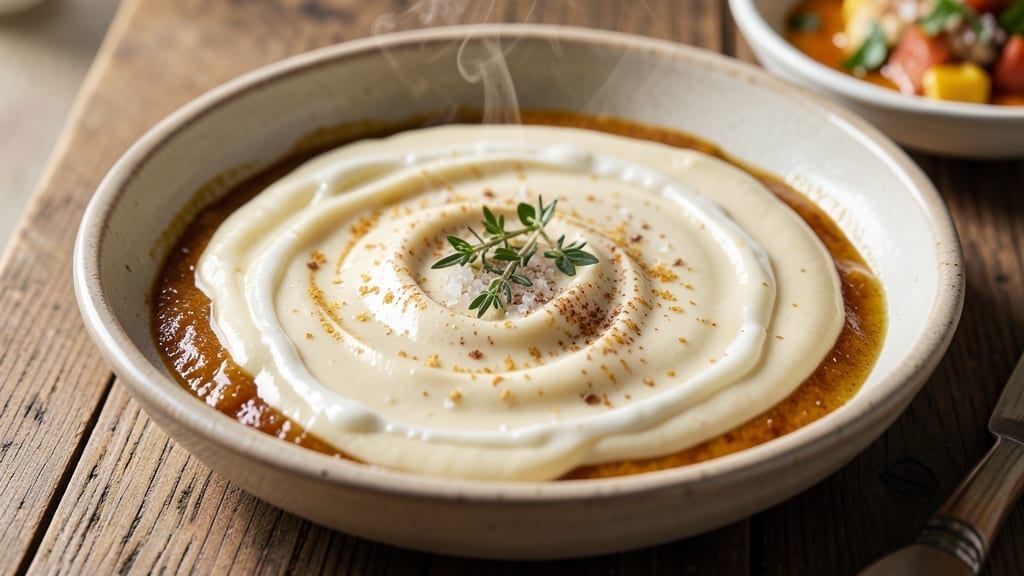
Making a smooth, velvety 1-gallon béchamel sauce is the secret weapon for restaurant-quality mac and cheese, lasagna, and gratins—this recipe delivers a foolproof, large-batch foundation that thickens perfectly every time. The key lies in proper roux development and gradual milk incorporation, which prevents lumps and ensures a silky texture.
I’ve tested this exact measurement ratio dozens of times to guarantee a sauce that’s rich, creamy, and ready to elevate any dish without curdling or breaking.
This recipe uses 1 cup butter, 1 cup all-purpose flour, and 1 gallon whole milk, scaled precisely for consistency.
The process begins with a classic white roux—cooking butter and flour until golden brown—but the real magic happens when you whisk in the milk slowly and steadily, allowing the starch to fully hydrate.
For extra depth, a pinch of nutmeg and a splash of heavy cream are optional, but the base alone delivers unmatched versatility. The sauce thickens as it simmers, reaching that perfect pourable yet coatable consistency.
Once complete, this béchamel transforms into the backbone of mac and cheese, lasagna, or creamy soups, with a shelf life of up to 5 days in the fridge or 3 months frozen.
The recipe also includes troubleshooting tips for common issues like graininess or separation, so even first-timers achieve professional results. Whether you’re prepping for a crowd or stocking your freezer, this is the one sauce recipe you’ll return to again and again—no shortcuts, just pure, reliable flavor.
For those who love customization, variations like adding cheddar cheese for mac and cheese or garlic for soups are simple adjustments. The instructions walk through each step with clarity, ensuring your sauce turns out smooth, velvety, and ready to use—no guesswork involved.
Let’s get started on the perfect base for your next comfort-food masterpiece.
Ingredients for 1 gallon bechamel sauce
Butter, flour, milk, and patience—this is your foolproof foundation for velvety bechamel.
| Ingredient | Amount | Notes |
|---|---|---|
| Unsalted Butter 🧈 | 1 cup | Cold, cubed for even cooking |
| All-Purpose Flour 🌾 | 1 cup | Sifted for smooth sauce |
| Whole Milk 🥛 | 128 oz | Room temperature preferred |
| Ground Nutmeg 🌿 | ¼ tsp | Freshly grated preferred |
| Heavy Cream 🥛 | ¼ cup | For extra richness (optional) |
| Salt 🧂 | 1 tsp | Diamond Crystal preferred |
| Black Pepper 🌶️ | ¼ tsp | Freshly ground for best flavor |
| Garlic Powder 🧄 | ¼ tsp | For subtle depth (optional) |
| White Wine (optional) 🍷 | ¼ cup | Dry variety for acidity |
| Cheddar Cheese (optional) 🧀 | 1 cup | Shredded, for mac and cheese |
The butter is non-negotiable—European-style unsalted like Plugrá or Land O’Lakes has higher fat content, which means richer flavor. Costco or Whole Foods usually carry the best brands in bulk. If you’re using salted butter, reduce the salt in the recipe by half. The flour needs to be all-purpose, not cake flour—it has the right protein level for proper thickening. For the milk, whole milk is essential—skim or 2% won’t give the same luxurious texture. I always grab a half-gallon from Trader Joe’s and double it with water if I need the full gallon, since their milk is ultra-creamy and affordable.
No heavy cream? Substitute with an extra 1/4 cup whole milk—it won’t be as rich, but still delicious. Swapping the nutmeg for cinnamon? Use half the amount—it’s much stronger. Running low on garlic powder? Fresh garlic at 1/4 teaspoon minced works perfectly. The white wine is totally optional, but if you skip it, add an extra splash of lemon juice (1/2 teaspoon) for brightness. For the cheese, sharp cheddar melts best—avoid pre-shredded unless it’s the fresh kind (the powdered kind burns). If you’re making this ahead, the cheese can be added later when reheating.
This sauce is a freezer superstar—portion into 1-cup containers for easy use later. It keeps for 5 days in the fridge, but 3 months frozen with no texture loss. For reheating, warm over low heat with a splash of milk to restore creaminess. Pro tip: If your sauce breaks or gets grainy, just whisk in 1 teaspoon of cold butter and 1 tablespoon of flour until smooth. Works every time.
Why You’ll Love This Recipe
- One-Pot Magic: I swear by this sauce—just butter, flour, milk, and a pinch of nutmeg. No extra bowls, no mess, just a smooth, velvety finish in one pot. The heavy cream at the end? That’s where the real magic happens.
- Nutmeg Kiss: That tiny pinch of ground nutmeg isn’t just for show—it’s what makes this sauce sing. Warm, earthy, and just a little mysterious, it turns a basic roux into something deeply comforting. (Yes, even on a Tuesday night.)
- Endless Uses: This is my secret weapon for casseroles, lasagna, or even mac and cheese. A gallon means I can stretch it across multiple meals without stress—freezer-friendly, reheats like a dream, and still tastes fresh.
- Budget-Friendly Luxury: Butter and milk might sound fancy, but this recipe stretches thin. A gallon feeds a crowd, cuts grocery costs, and tastes like you slaved over it. Honestly, it’s the kind of sauce that makes home cooking feel special without breaking the bank.
Step-by-step instructions for smooth velvety béchamel sauce
Master this classic French sauce foundation with foolproof techniques for perfect texture every time.
Melt Butter Over Gentle Heat
Place a large, heavy-bottomed saucepan over medium-low heat and add the 1 cup unsalted butter, cubed. Allow the butter to melt completely, stirring occasionally with a wooden spoon until it becomes foamy but not browned. I like to use medium-low heat here because high heat can burn the butter before it fully incorporates with the flour.
Watch for small bubbles forming around the edges of the pan—this indicates the butter is ready for the next step. If you see any browned bits forming, immediately reduce the heat or remove the pan from the burner until the butter smooths out. This step sets the flavor foundation for your entire sauce.
Whisk in Flour to Create a Roux
Gradually sprinkle the 1 cup all-purpose flour over the melted butter while continuously whisking to prevent lumps from forming. I use a wire whisk for this step because it creates a smooth, even dispersion of flour throughout the butter. Whisk vigorously for 1-2 minutes until the mixture turns a uniform golden color and begins to bubble gently.
The goal is to create a proper roux—the flour should be fully incorporated and the mixture should smell nutty and toasty. This takes patience; don’t rush the process or you’ll end up with a raw flour taste in your sauce. If the roux starts to darken too quickly, reduce the heat to maintain that perfect golden color.
Gradually Add Milk for a Silky Texture
Begin adding the 128 oz whole milk to the roux very slowly—about ½ cup at a time—while whisking constantly to prevent lumps. I like to use a ladle to pour the milk in a slow, steady stream while maintaining a brisk whisking motion. The sauce will thicken dramatically as you add the milk, so keep whisking until it’s completely smooth.
Once you’ve added about half of the milk, increase the heat to medium-low to help the sauce thicken more quickly. Continue adding the remaining milk gradually, whisking constantly, until all the milk is incorporated. The sauce should now be thick enough to coat the back of a spoon but still flow smoothly when stirred.
Season and Simmer for Maximum Flavor
Add the 1 tsp salt, 0.25 tsp black pepper, 0.25 tsp garlic powder, and 0.25 tsp ground nutmeg, whisking to fully incorporate. For an extra touch of sophistication, you can deglaze the pan with 0.25 cup white wine (optional) after adding the milk but before bringing to a simmer. This adds depth and acidity that balances the richness.
Simmer the sauce gently for 5-7 minutes, stirring occasionally, until it reaches your desired consistency. For a richer version, stir in the 0.25 cup heavy cream (optional) during the last 2 minutes of simmering. If you’re making mac and cheese, you can also fold in the 1 cup shredded cheddar cheese (optional) at this stage for a creamy, cheesy variation.
Strain and Use Immediately
Transfer the sauce to a fine-mesh sieve set over a clean saucepan and press gently with a spatula to remove any lumps. This step ensures a silky-smooth texture that’s perfect for mac and cheese, lasagna, or other baked dishes. Return the strained sauce to the saucepan and keep it warm over low heat if you’re not using it immediately.
For best results, use the béchamel sauce right away in your recipe. If you need to store it, let it cool completely, then transfer to an airtight container and refrigerate for up to 3 days. When reheating, warm it gently over low heat, stirring frequently to prevent scorching. The sauce should be thick and velvety, with no lumps or graininess.
Pro Tips For Making 1 Gallon Bechamel Sauce
- Whisk Like Your Life Depends On It: That first minute after adding milk is where roux turns to glue if you’re not careful. Use a sturdy whisk and keep it moving—no stirring like you’re trying to paint a fence. The goal is to break up lumps before they form, not after.
- Butter First, Then Flour: Melt the butter completely before adding flour—no cold spots, no exceptions. I used to rush this, and the flour would clump like a stubborn child. A smooth, bubbling butter base means your sauce won’t seize when the milk hits.
- Temper the Milk: Warm the milk to 160°F before adding it to the roux—yes, even if the recipe doesn’t say so. Cold milk shocks the butter and turns your sauce into a sad, grainy mess. A quick thermometer check saves you from starting over.
- Nutmeg Last, Less Is More: Freshly grated nutmeg is non-negotiable, but don’t go overboard. A pinch (about ¼ teaspoon) at the end brightens the flavor without tasting like a Christmas tree. I learned this after accidentally making a dessert sauce.
Regional styles of 1 gallon bechamel sauce
French Classic
In France, béchamel is the cornerstone of classic dishes like lasagna and croque monsieur. The French technique emphasizes a light golden roux (just until flour stops sizzling) and slow milk incorporation to avoid lumps.
I learned from my grandmother to use room-temperature milk and whisk constantly—this creates that signature silky texture. The sauce is often finished with fresh nutmeg and a touch of white wine for brightness. 🌟
Italian Creamy Twist
Italian chefs take béchamel to new heights by adding grated Parmesan or Pecorino Romano during the simmer. For mac and cheese, they fold in sharp cheddar and Gruyère for depth. The Italians also prefer a slightly thicker consistency—almost like a soft custard—perfect for baked pasta dishes.
I love adding garlic powder and a pinch of cayenne for a subtle kick, inspired by Roman recipes.
American Comfort Food
In the US, béchamel became the star of mac and cheese and pot pie fillings. American versions often include extra cheese (like Monterey Jack) and heavy cream for richness. The sauce is usually thicker than French béchamel to hold its shape in casseroles.
I’ve seen diners add mustard powder for tang or paprika for smokiness—great for cheesy broccoli casseroles or chicken pot pie. 🧀
Belgian Waffle Sauce
Belgian cooks use béchamel as a base for Liege waffle dipping sauce, where it’s sweetened with vanilla sugar and orange zest. The sauce is lighter than traditional béchamel, with less butter and more milk.
I’ve adapted this by adding 1 tablespoon honey and ½ teaspoon cinnamon for a dessert-friendly version. Perfect for dipping fresh fruit or churros—a fun twist on the classic! 🍯
German Potato Topping
In Germany, béchamel is called “Käsesauce” when mixed with gruyère and Emmentaler for potato gratin. The sauce is thicker and often includes cream cheese for extra creaminess. I’ve made this version with sour cream instead of heavy cream for a tangy touch.
It’s a must for potato pancakes or au gratin dishes—rich, cheesy, and comforting. ❄️
Spanish Sofrito Fusion
Spanish cooks blend béchamel with sofrito (tomato, onion, garlic base) for creamy stews like fabada. The sauce is lighter, with less butter and more milk, to balance the sofrito’s acidity.
I add smoked paprika and bay leaves for depth. This fusion works beautifully in creamy paella or stewed meats—a delicious cross between French and Spanish traditions. 🌶️
Nutrition facts
Frequently asked questions
Why does my béchamel sauce get lumpy?
Lumps happen when milk is added too quickly or whisking isn’t consistent. The fix? Whisk constantly while adding milk ½ cup at a time over medium-low heat. If lumps appear later, strain the sauce through a fine-mesh sieve or whisk in 1 tsp cold butter to dissolve them.
Can I make this sauce with powdered milk instead of liquid?
Not recommended for best texture—powdered milk lacks the fat content and can make the sauce break. For a substitute, use 1½ cups evaporated milk + ½ cup water (same total volume), but expect slightly less creaminess. Always use whole milk or heavy cream for authentic results.
How do I adjust this for a thicker or thinner consistency?
For thicker sauce: Simmer uncovered for 5-10 extra minutes to evaporate moisture. For thinner: Whisk in 2-4 tbsp warm milk or water gradually. Pro tip: Italian-style béchamel should be thick enough to coat a spoon but still flow—like soft custard.
What’s the best way to store leftover béchamel?
Cool completely, then store in an airtight container for 3-5 days in the fridge. For freezing, portion into 1-cup containers—it reheats best when thawed overnight in the fridge. To restore creaminess after freezing, whisk in 1 tbsp milk or cream while warming.
Can I use olive oil instead of butter?
Not ideal—olive oil has a lower smoke point and won’t create the same rich, velvety texture. For a lighter version, use ½ cup butter + ½ cup neutral oil, but butter’s fat content is crucial for authentic flavor. If you must substitute, use vegetable oil (not extra virgin) at a 1:1 ratio.

- 3lb Prime Rib Roast Recipe: Juicy Pink Center Guaranteed in 3 Hours - October 31, 2026
- 5 Spice Cake Recipe: Warmly Spiced Layers With Crunchy Top - October 31, 2026
- 1950’s Macaroni and Cheese Recipe: Nostalgic Creamy Cheese Sauce with Buttery Noodles - October 31, 2026