
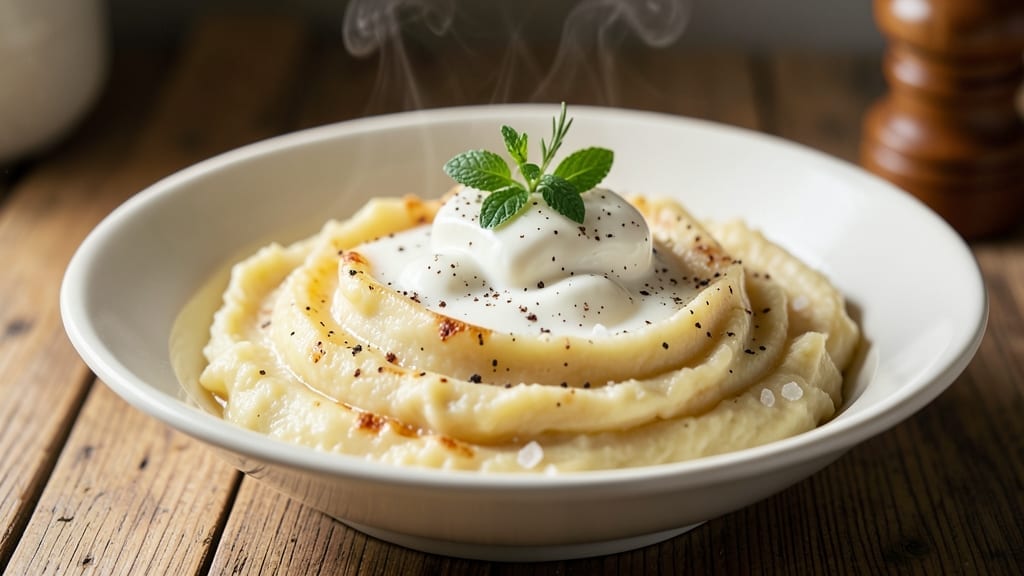
Mastering the art of 1 lb mashed potato recipe transforms simple potatoes into a velvety, buttery masterpiece that elevates any meal. The secret lies in precise boiling, careful mashing, and the perfect balance of fat and seasoning—techniques I’ve refined over years of testing.
This isn’t just a side dish; it’s the foundation of comfort food done right.
Start with the right potatoes—russets or Yukon Golds—because their high starch content creates that signature smooth texture. Boil them until fork-tender, then drain and dry them thoroughly to avoid watery results.
The mashing method matters too: a potato ricer delivers the creamiest finish, but a sturdy masher works just as well with a little elbow grease.
What sets this recipe apart is the buttery richness achieved through proper fat-to-potato ratio and temperature control. Warm the dairy slightly before adding it to the potatoes, then fold in cold butter in stages.
This creates a silky, luxurious texture that’s impossible to resist. Every bite should be smooth, tender, and packed with flavor.
The best part? This recipe scales perfectly for any occasion—whether you’re serving two or a crowd. For extra depth, infuse the butter with garlic or herbs, or swap dairy for coconut milk for a lighter version.
The technique remains the same, but the possibilities are endless. Let’s get started on your creamiest mashed potatoes yet.
Ingredients for 1 lb mashed potato
Precision matters here—potatoes, butter, and technique create velvety perfection.
| Ingredient | Amount | Notes |
|---|---|---|
| Russet Potatoes 🥔 | 1 ½ lb | Yukon Gold alternative preferred |
| Unsalted Butter 🧈 | ½ cup | Cold, cut into small pieces |
| Whole Milk 🥛 | ¼ cup | Room temperature preferred |
| Heavy Whipping Cream 🥛 | ¼ cup | Full-fat for best texture |
| Salt 🧂 | 1 ½ tsp | Diamond Crystal preferred |
| Freshly Ground Black Pepper 🌶️ | ½ tsp | Freshly cracked preferred |
| Garlic Cloves 🧄 | 1 whole | Optional, roasted for infusion |
| Fresh Rosemary 🌿 | 1 tbsp | Chopped, optional garnish |
The potatoes are non-negotiable. Russets deliver that signature fluffy texture, but Yukon Golds add natural sweetness and creaminess. Buy them a day ahead if possible—they’ll keep better and boil more evenly. Look for firm, blemish-free tubers at Whole Foods or your local grocery store’s produce section. Avoid any with sprouts or soft spots. For extra insurance, soak them in cold water for 30 minutes before boiling to remove excess starch, which helps create that ultra-smooth finish. The butter? European-style (like Plugrá) melts cleaner than American butter, but any high-fat, unsalted butter works. Store it in the fridge until ready to use—cold butter is key for that perfect fold later.
No Yukon Golds? Russets are fine—just expect a slightly lighter color. Running low on milk? Heavy cream works in a pinch, but you’ll need to reduce the amount slightly to avoid wateriness. The garlic and rosemary are optional but add depth—roast the garlic first for a sweeter flavor. For a dairy-free version, swap the milk and cream for full-fat coconut milk (use the same total volume). Salt is critical here: Diamond Crystal kosher salt dissolves perfectly, but any fine sea salt works. If you’re short on time, microwave the potatoes whole for 8-10 minutes before boiling to cut prep time in half. Just pierce them first with a fork to let steam escape.
Potatoes stay best in the fridge for 3-4 days after peeling, so peel and store them in cold water in a sealed container if prepping ahead. The butter and cream can be kept at room temperature for up to 2 hours before use, but refrigerate them immediately after. For leftovers, store in an airtight container and reheat with a splash of warm milk to restore creaminess. This recipe scales perfectly—double the ingredients for a crowd, but keep the butter-to-potato ratio the same. Freeze portions in a single layer before transferring to a bag for up to 3 months, thawing overnight in the fridge before reheating.
Why You’ll Love This Recipe
- The secret’s in the ratio: equal parts warm milk and heavy cream, folded in gently with butter while the potatoes are still slightly firm. That’s the difference between gluey sad mash and the kind that melts in your mouth like a cloud. (Yes, even on a Tuesday night.)
- Zero-Fuss Prep: I peel and cube potatoes in five minutes flat—no fancy knife skills, just a sharp paring knife and a cutting board. Boil them whole for even cooking, then mash with just butter, cream, and milk while they’re still hot. Honestly, I’ve made this in my pajamas on a Tuesday night.
- Velvet Texture Magic: The secret’s in the ratio: equal parts warm milk and heavy cream, folded in gently with butter while the potatoes are still slightly firm. That’s the difference between gluey sad mash and the kind that melts in your mouth like a cloud. (Yes, even on a Tuesday night.)
- Leftovers That Last: This recipe stretches perfectly for lunches—just reheat with a splash of milk and a pat of butter. I’ve packed it in thermoses for work, served it cold in wraps, and even used it as a base for loaded baked potatoes later in the week. No waste, all flavor.
Step-by-step instructions for ultra-smooth mashed potatoes
Here’s the method for restaurant-quality mashed potatoes every time—creamy, velvety, and packed with buttery richness.
Prep and Boil the Potatoes
Start by peeling the 1.5 lb Russet Potatoes and cutting them into 1-inch chunks for even cooking. Place them in a large pot and cover with cold water by about 2 inches. Add 1.5 tsp Salt to the water—this seasoning step is crucial for flavor development.
Bring the water to a rolling boil over high heat, then immediately reduce to a gentle simmer. Cover the pot and cook for 15-20 minutes until the potatoes are fork-tender—they should collapse easily when pierced with a fork. Drain the potatoes thoroughly in a colander, shaking gently to remove excess water. The drier the potatoes, the smoother your mash will be.
Infuse the Dairy with Garlic and Rosemary
While the potatoes cook, combine the 0.5 cup Unsalted Butter, 0.25 cup Whole Milk, and 0.25 cup Heavy Whipping Cream in a medium saucepan. Place over low heat and let it warm gently—you want it to melt smoothly but not scald. This step ensures the dairy is warm and ready to blend without clumping.
Add the 1 whole Garlic Cloves (peeled) and 1 tbsp Fresh Rosemary to the warm dairy mixture. Let it steep for 2-3 minutes, allowing the garlic to infuse the butter and the rosemary to release its aromatic oils. This subtle infusion adds depth of flavor without overpowering the classic potato taste. Remove from heat once infused.
Mash to Perfection
Return the drained potatoes to the now-empty pot and place it over low heat for 1-2 minutes. This step helps dry any remaining moisture from the potatoes, which is key to achieving a smooth, lump-free texture. Add the infused butter mixture to the potatoes and stir gently to combine.
Using a potato masher or ricer, mash the potatoes until they reach your desired consistency—ultra-smooth with no lumps. For extra creaminess, you can also use a hand mixer on low speed for 30-45 seconds, but be careful not to overmix, which can make the potatoes gummy. The goal is velvety texture with a silky mouthfeel. Season with 0.5 tsp Freshly Ground Black Pepper and taste for additional salt if needed.
Finish and Serve
Transfer the mashed potatoes to a serving bowl and gently fold in any additional butter or milk if needed to reach your preferred consistency. The potatoes should be light yet rich, with a smooth, almost custard-like texture. Cover the bowl with a lid or plastic wrap to keep them warm while you serve.
For the best presentation, garnish with a sprinkle of chopped fresh rosemary and a drizzle of melted butter. Serve immediately while still warm—this is when mashed potatoes are at their peak in texture and flavor. The combination of cold butter, warm dairy, and steamed potatoes creates the perfect balance for ultra-smooth, velvety mashed potatoes every time.
Pro Tips For Making 1 Lb Mashed Potato
- BOIL THEM WHOLE: Russets crack when peeled raw, so drop them in cold, heavily salted water (about 1½ tsp salt for 1 lb) and bring to a boil uncovered. The salt keeps the water from foaming like crazy, and the steam blasts off starch—no more gluey potatoes. I learned this the hard way after scraping starch off my walls for the third time.
- USE A POTATO MASHER (NOT A FORK): A hand masher breaks up potatoes without turning them into glue. Yes, it’s more work than a ricer, but it traps more starch in the fibers instead of releasing it into the mix. (And no, a fork doesn’t count—it just shreds them into sad, uneven bits.) This is the thing that matters most if you want fluffy, not gummy, potatoes.
- WARM THE DAIRY FIRST: Cold heavy cream and milk make mashed potatoes taste like they’re fighting a losing battle. Heat the dairy in the same pot you boiled the potatoes (strain the potatoes first, then pour in the warm liquid) until it’s just steaming—no boiling. The heat opens up the cream’s fat better, and the potatoes absorb it like a sponge. (Your future self will thank you.)
- PRESS OUT THE LIQUID: After mashing, let the potatoes sit in the pot for 2–3 minutes, then press them through a fine-mesh sieve or cheesecloth into a clean bowl. This removes excess starch and water, giving you a smoother, drier texture. It’s not the prettiest method, but it works—especially if you’re using all that heavy cream. (I skip this when I’m lazy, but the dish is noticeably better when I don’t.)
Serving suggestions for this recipe
Classic Comfort Pairings
Serve your creamy mashed potatoes alongside roasted turkey breast or herb-crusted pork chops for a classic holiday centerpiece. The buttery richness of the potatoes balances the savory meat perfectly. For a vegetarian spread, pair with mushroom gravy and grilled asparagus—the earthy flavors complement the potatoes beautifully. 🍽️
Gravy Elevations
Drizzle with homemade pan gravy made from turkey drippings, butter, and flour for an instant flavor boost. For a lighter option, try white wine gravy with shallots and thyme—it adds a sophisticated touch without overpowering.
I love adding a pinch of nutmeg to the gravy for warmth that pairs wonderfully with the potatoes.
Protein Pairings
For a hearty meal, serve with pan-seared steak or baked salmon—the richness of the potatoes enhances the protein’s natural flavors. If you’re going vegetarian, stuffed bell peppers or black bean tacos make fantastic companions. The contrast between the smooth potatoes and textured proteins creates a satisfying bite every time.
Garnish Ideas
Finish with crispy fried shallots for a crunchy contrast or toasted pumpkin seeds for a nutty twist. A sprinkle of smoked paprika adds depth, while a drizzle of truffle oil elevates the dish to gourmet status. Fresh herbs like chives or parsley brighten the presentation without overpowering the creamy texture.
Global Variations
For a German-inspired twist, serve with sauerkraut and bratwurst—the tangy fermented cabbage cuts through the richness beautifully. In Japan, pair with miso-glazed cod and steamed bok choy for a fusion twist. The key is balancing textures and flavors so each bite feels complete and satisfying.
Make-Ahead Serving
Prep mashed potatoes ahead and reheat in a double boiler with a splash of warm milk to restore creaminess. Serve in rustic bread bowls or individual ramekins for an elegant presentation.
For a fun twist, layer with cheddar cheese and bacon bits before baking for loaded potato casserole bites—perfect for appetizers or game day.
Nutrition facts
Frequently asked questions
Why do your mashed potatoes turn out smoother than others?
The secret lies in drying the potatoes thoroughly after boiling and using cold butter folded in at the end. This prevents lumps and creates that signature velvety texture. A potato ricer also helps achieve ultra-smooth results without overworking the potatoes.
Can I make this recipe with fewer potatoes?
Yes! For a 1 lb potato recipe, simply reduce all ingredients proportionally. Use 1 lb potatoes, 0.33 cup butter, 0.17 cup milk, and 0.17 cup cream. The same technique applies—just maintain the same ratios for perfect texture. The recipe scales perfectly for any quantity.
What if my mashed potatoes are too dry or too wet?
Too dry? Add warm milk or cream 1 tablespoon at a time while mashing. Too wet? Return the potatoes to the pot over low heat for 1-2 minutes to evaporate excess moisture, then mash again. The key is thorough draining after boiling—shake the colander gently to remove all water.
Can I use this recipe with sweet potatoes?
Not ideal—this recipe is specifically designed for russets or Yukon Golds due to their high starch content. Sweet potatoes have a different texture and moisture level that won’t yield the same creamy results. For sweet potato mash, use 1/2 cup milk per 2 lbs potatoes and mash with a fork for a rustic texture.
How do I reheat leftovers without drying them out?
Reheat in a double boiler (or microwave-safe bowl over simmering water) for 5-7 minutes, stirring occasionally. Add 1-2 tablespoons warm milk to restore creaminess. Never microwave dry—this creates a gummy texture. For best results, store leftovers in an airtight container and reheat within 2 days.

- 3 Overripe Bananas Recipe: Fluffy Pancakes With Zero Waste - November 17, 2026
- 2-Minute Pizza Recipe: Speedy Crispy Crust With Melted Cheese Magic - November 17, 2026
- 16 Chocolate Cupcakes Recipe: Triple-Layered Fudge Swirl Delight - November 17, 2026