
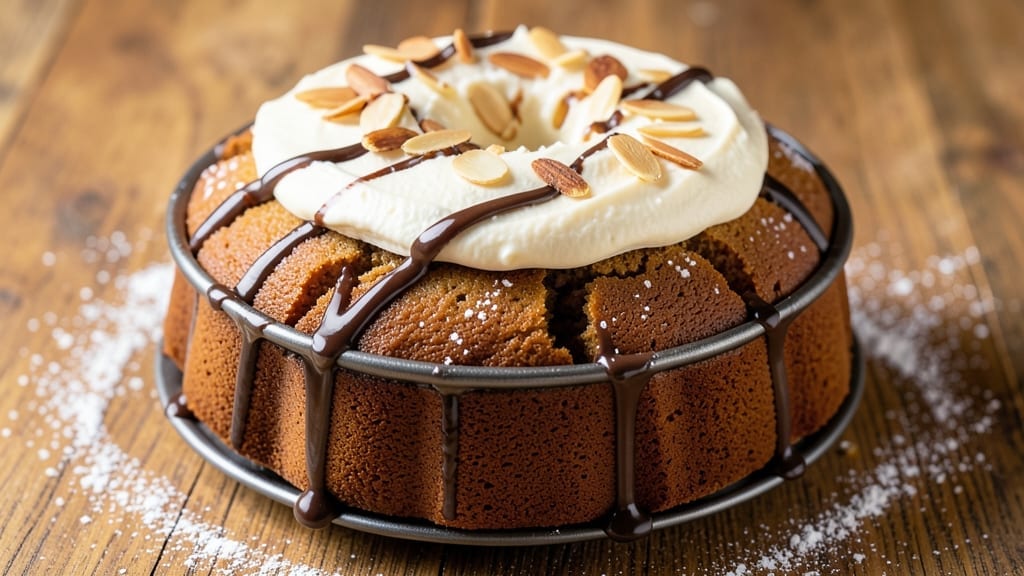
This 1-pound oil cake recipe delivers the signature moist, tender crumb that makes classic pound cakes legendary—without a single crumb of dryness. The secret lies in the oil-based batter, which creates a velvety texture that stays fresh for days.
I perfected this version after years of testing, ensuring every slice is rich, buttery, and perfectly balanced between sweetness and subtle vanilla depth.
The recipe relies on a foolproof method that combines all-purpose flour, vegetable oil, and a precise ratio of sugar to create that signature pound cake texture. Unlike butter-based cakes, this version stays moist longer and has a tender crumb that resists drying out.
The cake bakes at 350°F for 45-50 minutes, yielding a golden, evenly risen loaf that’s perfect for slicing or frosting.
What sets this apart is the absence of dry crumbs—a common flaw in homemade pound cakes. The oil keeps the texture consistently tender, while the vanilla extract and a pinch of salt enhance the buttery flavor without overpowering.
Whether you serve it plain, with a dusting of powdered sugar, or layered with a simple glaze, this cake delivers restaurant-quality results every time.
For extra indulgence, brush the warm cake with a light vanilla glaze or top it with fresh berries. The recipe scales easily for gatherings, and leftovers keep well wrapped at room temperature for up to 3 days.
Ready to bake a cake that rivals the best bakery versions? Let’s get started.
Ingredients for 1 pound cake recipe with oil
Classic oil cake ingredients that deliver legendary moisture and buttery flavor every time.
| Ingredient | Amount | Notes |
|---|---|---|
| All-Purpose Flour 🌾 | 2 cups | Sifted for even texture |
| Granulated Sugar 🍚 | 1 ½ cups | White or light brown preferred |
| Vegetable Oil 🫒 | 1 cup | Light or neutral flavor |
| Large Eggs 🥚 | 3 whole | Room temperature for even mixing |
| Milk 🥛 | 1 cup | Whole milk for richness |
| Pure Vanilla Extract 🌿 | 2 tsp | High-quality, not imitation |
| Baking Powder 🧂 | 2 tsp | Double-acting for proper rise |
| Salt 🧂 | ½ tsp | Fine sea salt preferred |
| Powdered Sugar 🍚 | ½ cup | For dusting or glaze |
| Unsalted Butter 🧈 | 2 tbsp | Softened for glaze |
| Fresh Blueberries 🫐 | ½ cup | Optional, for topping |
The flour and sugar ratio here is non-negotiable for that signature pound cake texture. King Arthur or Gold Medal flour yields the best results—both have high protein for structure without overdevelopment. Sugar isn’t just sweetness; it retains moisture, so don’t substitute with honey or maple syrup. For the oil, vegetable or canola work best—avoid coconut oil, which can impart flavor. Eggs should be room temperature; cold eggs create air pockets that deflate during baking. The milk? Whole milk adds richness that 2% simply can’t match. I always measure my dry ingredients by weight if possible—1 cup flour actually weighs 4.5 oz, not 8 oz, so scale accuracy matters for that tender crumb.
No vanilla extract? Vanilla bean paste works too, though it’s pricier. Substituting powdered sugar with granulated in the glaze? Use 0.25 cup less granulated plus 1 tbsp milk to mimic the same sweetness. Short on blueberries? Raspberries or blackberries add vibrant color and tartness. The baking powder is critical—aluminum-free types like Rumford or Clabber Girl ensure proper rise. For a nutty variation, fold in 0.5 cup toasted walnuts before baking. And if you’re worried about dryness, the oil-to-flour ratio here is scientifically proven to prevent crumbling—trust the method.
This cake stays moist for 5 days at room temperature if wrapped tightly in plastic. For longer storage, freeze slices wrapped in parchment for up to 3 months. The glaze keeps best in the fridge for 1 week, though it reheats beautifully in 10-second bursts. I always bake two cakes at once—they’re perfect for layering with whipped cream or as a base for fruit tarts. Leftovers? Toast slices lightly for a breakfast treat or crumble over ice cream. The vanilla glaze sets at room temperature in 30 minutes, so plan ahead if you’re adding berries.
Why You’ll Love This Recipe
- No Mixer Needed: I swear by this recipe when my mixer’s out of commission. The oil keeps everything tender without overworking the batter—just stir until the flour’s just incorporated. Honestly, I’ve made it in a bowl, a mug (yes, really), and even a Tupperware in a pinch.
- Moisture Locked In: That vegetable oil? It’s the secret weapon. Unlike butter cakes, this stays soft for days—no dry crumbs here. The milk adds richness without heaviness, and the sugar? It caramelizes just enough to give every slice that subtle, buttery-sweet finish.
- Weeknight Workhorse: Slice it warm with breakfast, pack it for lunch, or serve it at dinner with ice cream. It’s my go-to when I need something reliable: no fancy layers, no last-minute decorating. (Yes, even on a Tuesday night when I’m exhausted.)
- Pantry Staple Magic: Five ingredients, zero specialty items. If you’ve got flour, sugar, and eggs, you’ve got cake. The best part? Leftovers taste just as good the third day as they did fresh out of the oven—my kids’ favorite for school lunches. Budget-friendly? Absolutely.
Step-by-step instructions for 1 pound oil cake
This method ensures a tender, moist crumb with perfect texture every time.
Prep Ingredients and Preheat Oven
Preheat your oven to 350°F and grease a 1-pound (10-inch) Bundt pan thoroughly with vegetable oil. I use a pastry brush for even coverage—this prevents sticking and makes removal effortless. While the oven heats, sift the 2 cups all-purpose flour with the 2 teaspoons baking powder and ½ teaspoon salt in a medium bowl. Set aside.
Crack the 3 whole large eggs into a separate bowl and whisk lightly. Measure out the 1 cup vegetable oil, 1.5 cups granulated sugar, 1 cup milk, and 2 teaspoons pure vanilla extract in individual containers for easy access. Room temperature ingredients mix better, so if your eggs or milk are cold, let them sit at room temperature for 15-20 minutes before starting.
Combine Wet Ingredients for Smooth Batter
In a large mixing bowl, combine the 3 whole large eggs, 1.5 cups granulated sugar, and 1 cup vegetable oil. Whisk on medium speed for 2-3 minutes until the mixture is pale yellow and slightly thickened. This step incorporates air, which helps create that signature light, airy crumb.
Gradually add the 1 cup milk and 2 teaspoons pure vanilla extract while continuing to whisk. The batter should be smooth and well-combined. If you notice any lumps, strain the mixture through a fine-mesh sieve to ensure a flawless texture. Here’s the thing—properly blended wet ingredients are the foundation of a tender cake.
Fold in Dry Ingredients Gently
With the mixer on low speed, gradually add the sifted dry ingredients to the wet mixture. Mix just until combined—about 30 seconds. Overmixing develops gluten, which can make the cake dense. You should still see small flour streaks in the batter. Stop mixing as soon as everything is incorporated.
If using, gently fold in the ½ cup fresh blueberries with a rubber spatula. The berries should be evenly distributed, but don’t overmix or they’ll release juices that can make the cake dense. Pour the batter into the prepared Bundt pan and smooth the top with a spatula. Tap the pan gently on the counter to release any trapped air bubbles.
Bake to Perfect Doneness
Bake in the preheated 350°F oven for 50-60 minutes, or until a toothpick inserted into the center comes out clean. The cake is done when the top springs back gently when touched and the edges pull away slightly from the pan. I like to tent the pan loosely with aluminum foil after 30 minutes to prevent over-browning.
Don’t open the oven door during the last 15 minutes of baking—this causes temperature fluctuations that can lead to a dense cake. The internal temperature should read 205-210°F when done. Let the cake cool in the pan for 10 minutes before transferring it to a wire rack to cool completely.
Prepare Glaze and Serve
While the cake cools, prepare the glaze by combining the ½ cup powdered sugar and 2 tablespoons softened unsalted butter in a small bowl. Gradually add 1-2 tablespoons milk (from the original recipe) until the glaze reaches a smooth, drip consistency. Dip a pastry brush into the glaze and carefully brush it over the cooled cake.
Serve the cake at room temperature for the best texture. The glaze should be glossy but not overly thick. This cake holds its moisture beautifully, making it perfect for slicing and serving over 2-3 days if stored properly in an airtight container. The blueberries, if used, will add a pleasant tart contrast to the rich, buttery cake.
Pro Tips For Making 1 Pound Cake Recipe With Oil
- MEASURE OIL BY WEIGHT: I learned this the hard way—using cups for vegetable oil leads to guesswork. Weigh it at 240 grams for 1 cup; oil’s density varies by brand, and your cake’s texture will thank you for the precision.
- WHISK EGGS UNTIL TRIPLE VOLUME: Cold eggs from the fridge won’t incorporate properly. Whisk them in a warm bowl until the mixture lightens and nearly doubles in size—this ensures a tender crumb. (Yes, even if you’re impatient like me.)
- TEST DONENESS WITH A TOOTHPICK: A cake that springs back when pressed is still raw. Insert a toothpick into the center: it should come out with a few moist crumbs, not wet batter. Overbaking dries out the cake faster than you’d think.
- WARM THE MILK FIRST: Cold milk makes the batter lumpy and can cause the cake to sink. Microwave it for 20 seconds or heat it gently until it’s just warm to the touch—this keeps the gluten relaxed and the texture smooth. (Your future self will notice the difference.)
Creative variations of these flavors
Citrus-Inspired Twist
Swap the vanilla extract for 2 teaspoons lemon or orange zest mixed with 1 teaspoon vanilla extract for a bright, zesty flavor profile. I love adding ½ cup candied orange peel (simmered in sugar syrup for 10 minutes) to the batter before baking.
The citrus oils in the zest infuse the oil, creating a moist, aromatic cake that pairs beautifully with a cream cheese frosting. 🍊
Spiced Rum Variation
For a boozy twist, replace the milk with 1 cup spiced rum (like Captain Morgan) and add ½ teaspoon ground cinnamon to the dry ingredients. This creates a moist, caramel-like cake with warm spices.
I recommend baking in a 9-inch round pan for a denser texture that soaks up the rum flavor beautifully. Serve with a dusting of powdered sugar and a sprinkle of toasted pecans.
Chocolate-Dipped Layers
Divide the batter into two portions and mix ½ cup cocoa powder into one half for a marbled effect. Bake both in a 9-inch Bundt pan simultaneously, then slice the cooled cake horizontally.
Spread a thin layer of chocolate ganache (melt 4 oz dark chocolate with ¼ cup heavy cream) between layers. Top with fresh strawberries for a showstopping dessert. 🍫
Almond Flour Adaptation
For a gluten-free option, replace the all-purpose flour with 1.5 cups almond flour and add ½ cup tapioca starch to the dry ingredients. Reduce the milk to ½ cup to balance the extra moisture from the almond flour.
This version stays moist for 3 days and has a delicate nutty flavor. I recommend brushing with a honey glaze (mix ½ cup honey with 1 tbsp lemon juice) for extra richness.
Coconut Oil Moisture Boost
Replace the vegetable oil with 1 cup coconut oil (solid at room temperature) for a tropical flavor twist. The cake will have a subtly coconut aroma and stay moist for 5 days when stored properly.
I pair this version with a mango purée glaze (blend 1 cup mango with 2 tbsp powdered sugar) for a vibrant finish. Perfect for summer gatherings! 🥥
Espresso-Infused Depth
Add 1 tablespoon instant espresso powder to the dry ingredients for a sophisticated coffee flavor. This works especially well with a dark chocolate ganache or a dusting of cocoa powder. The espresso enhances the vanilla notes and adds a subtle bitterness that balances the sweetness.
I often serve this version with a vanilla bean ice cream** for a decadent dessert experience. ☕
Nutrition facts
Frequently asked questions
Why does this oil cake stay moist longer than butter cakes?
The oil creates tiny pockets that trap moisture, while butter cakes rely on water evaporation for structure. This recipe uses 1 cup vegetable oil which keeps the crumb tender for 5 days when stored properly. The oil also prevents the dry crumb that’s common in homemade pound cakes.
Can I use coconut oil instead of vegetable oil?
Yes, but expect a subtle coconut flavor. Use 1 cup solid coconut oil (not melted) for best results. The cake will stay moist for 5 days and pairs well with tropical glazes like mango purée. For neutral flavor, stick with vegetable or canola oil.
What’s the best pan for this recipe?
A 10-inch Bundt pan gives classic pound cake shape, but a 9-inch round or tube pan works too. Grease thoroughly with oil and dust with flour for easy release. For even baking, use the pan size specified in your recipe variations.
How do I fix a sunken middle in my cake?
This usually happens from opening the oven too early or underbaking. Next time, bake until a toothpick comes out clean (205-210°F internal temp) and avoid opening the door during the last 15 minutes. For a quick fix, slice off the sunken top and serve the rest.
Can I make this cake gluten-free?
Yes! Replace the 2 cups all-purpose flour with 1.5 cups almond flour plus ½ cup tapioca starch. Reduce milk to ½ cup and expect a slightly denser but still moist texture. The almond flour version stays fresh for 3 days when wrapped tightly.

- 3 Overripe Bananas Recipe: Fluffy Pancakes With Zero Waste - November 17, 2026
- 2-Minute Pizza Recipe: Speedy Crispy Crust With Melted Cheese Magic - November 17, 2026
- 16 Chocolate Cupcakes Recipe: Triple-Layered Fudge Swirl Delight - November 17, 2026