
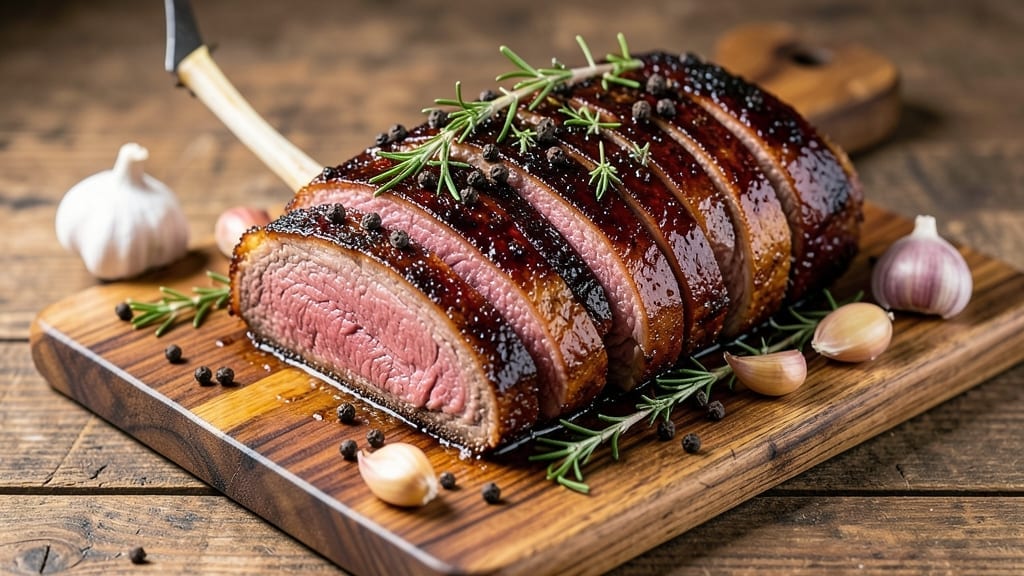
A 10 lb roast beef cooked to juicy, caramelized perfection transforms any gathering into an unforgettable feast. The key lies in precise seasoning, low-and-slow cooking, and understanding when to pull it from the heat—every detail matters when you’re working with this much meat.
This isn’t just dinner; it’s a centerpiece that commands attention and delivers flavor with every slice.
What sets this recipe apart is the balance of technique and simplicity. You’ll start with a dry brine that locks in moisture, then build layers of flavor with a classic herb rub. The slow roast at 275°F ensures the beef stays tender while developing a deep, caramelized crust.
No fancy equipment required—just patience and attention to temperature, which is the secret to avoiding dry, tough meat.
By the time you carve into that golden-brown roast, you’ll reveal perfectly pink centers with a surface so rich and caramelized it could win awards. The aroma alone will have guests gathering before the table’s even set.
This isn’t your average roast; it’s a showstopper that proves great beef deserves great treatment.
Pair it with classic sides like horseradish cream, roasted root vegetables, or a simple green salad to let the beef shine. The leftovers? Even better the next day, sliced thin for sandwiches or reheated with a splash of beef broth.
This is the kind of recipe that makes you look like a pro—without any shortcuts that compromise quality.
Ingredients for 10 lb roast beef
Ten ingredients to transform a simple roast into a showstopping centerpiece.
| Ingredient | Amount | Notes |
|---|---|---|
| Prime Ribeye Roast (Bone-In) 🥩 | 10 lb | Center-cut, 2-3 inches thick |
| Kosher Salt 🧂 | ½ cup | Diamond Crystal preferred |
| Freshly Ground Black Pepper 🌶️ | ¼ cup | Coarse grind for texture |
| Fresh Rosemary 🌿 | ¼ cup | Finely chopped sprigs |
| Fresh Thyme 🍃 | ⅛ cup | Leaves only, stems removed |
| Garlic Cloves 🧄 | 10 cloves | Smashed, skin-on for aroma |
| Extra-Virgin Olive Oil 🫒 | ¼ cup | For dry brine application |
| Beef Broth 💧 | 2 cups | Homemade or high-quality store-bought |
| Yellow Onion 🧅 | 1 whole | Quartered, for pan searing |
| Fresh Horseradish 🌶️ | ¼ cup | Grate fresh for cream sauce |
| Heavy Cream 🥛 | 1 cup | Full-fat for richness |
| Unsalted Butter 🧈 | ¼ cup | Cold, cubed for basting |
| Red Wine (Optional) 🍷 | ½ cup | Bold dry red for deglazing |
The beef is everything here—prime ribeye with good marbling is non-negotiable. Costco or Whole Foods typically carry center-cut roasts perfect for this recipe. Look for a piece that’s at least 2-3 inches thick—thinner cuts won’t develop the same caramelized crust. The bone-in version stays juicier longer, but bone-out works if you prefer. If your butcher doesn’t have prime, choice grade with good marbling is your next best bet. For a 10-pound roast, you’ll want a piece that’s roughly 2-2.5 inches thick all the way through—this ensures even cooking without drying out the center.
No fresh rosemary or thyme? Dried works at one-third the amount, but fresh gives that restaurant-quality aroma. The garlic can be roasted ahead of time for extra depth—just toss the smashed cloves with olive oil and roast at 400°F for 10 minutes before using. For the horseradish cream, Trader Joe’s sells pre-grated horseradish that saves time, though fresh is far superior. The red wine is optional but adds incredible depth—Cabernet Sauvignon or Merlot work best. If you skip it, use extra beef broth. The kosher salt matters too—Diamond Crystal dissolves differently than table salt, so measure carefully. For a dry brine, the salt-to-meat ratio is critical: 1 tablespoon per pound of meat, but we’re using a full cup here because we want maximum moisture retention in a 10-pound roast.
This roast needs time to come to room temperature before cooking—2 hours minimum. The dry brine should sit on the beef for 24-48 hours in the fridge, sealed in a container. For basting, keep the butter and beef broth warm in a saucepan on the stove—you’ll be basting every 30 minutes. The finished roast rests for 45 minutes before slicing, which is crucial for juicy slices. Leftovers reheat beautifully—slice thin and warm with a splash of beef broth or red wine. The roast keeps 4-5 days in the fridge or 3 months frozen. For a crowd, double the horseradish cream recipe—it disappears fast.
Why You’ll Love This Recipe
- Hands-Off Roast: I swear by this method—just season the beef with salt, pepper, and a sprig of rosemary and thyme tucked into the fat, then let the oven do the work. No basting, no fuss, and the bone keeps it juicy without a single extra step.
- Herb-Crusted Magic: That simple combo of rosemary and thyme? It clings to the beef like a flavor hug, especially when you crush the herbs right into the peppercorns. The crust is crispy, the meat stays tender, and honestly, it tastes like a fancy steakhouse cut your own roast.
- Leftovers That Win: Between us, this roast gives you days of effortless meals—sandwiches, hash, or even chopped for tacos. I’ve made it for game day, Sunday dinner, and lazy Tuesdays, and every time, the leftovers disappear faster than the original slices.
- Big Flavor, Small Effort: A 10-pound roast sounds intimidating, but this recipe treats it like a casserole. One pan, minimal prep, and the bone-in version? It stays moist without babying it. My secret weapon for when I need to impress but don’t want to slave over the stove.
Step-by-step instructions for slow-roasted prime ribeye roast
Here’s how to transform a massive roast into tender, flavorful perfection with a caramelized crust.
Prepare the Dry Brine and Season
Remove the prime ribeye roast from the refrigerator and pat it completely dry with paper towels. This is absolutely critical—any moisture prevents that perfect crust from forming. I like to work in a cool room or even outdoors if possible to keep the meat cold during handling.
In a small bowl, combine the 0.5 cup kosher salt, 0.25 cup freshly ground black pepper, 0.25 cup finely chopped fresh rosemary, and 0.125 cup fresh thyme leaves. Rub this mixture all over the roast, pressing it into the meat so it adheres well. Pay special attention to the bone side and any crevices. The salt will penetrate deeply during the overnight dry brine, creating an intense flavor profile.
Wrap the seasoned roast tightly in plastic wrap and place it on a tray in the refrigerator. Let it dry brine for at least 12 hours, but I prefer 24 hours for maximum flavor penetration. The surface will develop a dry, crusty texture—this is normal and essential for that caramelized exterior we’re after.
Sear the Roast for Maximum Flavor
Remove the roast from the refrigerator 1 hour before cooking to bring it to room temperature. Preheat your oven to 450°F. Place the roast bone-side down in a heavy roasting pan and let it sit for 10 minutes to come up to temperature.
Heat 2 tablespoons of the 0.25 cup extra-virgin olive oil in a large oven-safe skillet over high heat until shimmering. Carefully transfer the roast to the skillet and sear for 3-4 minutes per side until deeply browned. The goal is to develop a rich, flavorful crust while maintaining the internal temperature below 110°F. Don’t rush this step—patience here ensures that beautiful caramelization later.
Transfer the seared roast back to the roasting pan. Place the quartered yellow onion in the bottom of the pan to help create fond for the pan sauce later. Return the roast to the oven for 10 minutes at 450°F to begin the roasting process.
Slow-Roast to Perfect Doneness
Reduce the oven temperature to 275°F. This is where the magic happens—slow roasting develops incredible tenderness. Roast the prime ribeye for 3-4 hours, or until the internal temperature reaches 115°F. I use a meat thermometer inserted in the thickest part of the roast, avoiding the bone.
Here’s the thing about roasting—it’s not just about temperature, but about texture. The meat should feel tender when you press it gently with tongs, and you’ll see juices beginning to form on the surface. Every 30 minutes, spoon the accumulated juices from the pan over the roast to keep it moist. This basting technique creates layers of flavor and helps develop that beautiful caramelized crust.
When the roast reaches 115°F, remove it from the oven and tent loosely with foil. Let it rest for 30 minutes while you prepare the cream sauce. This resting period is crucial—it allows the juices to redistribute throughout the meat, ensuring each slice stays juicy when sliced.
Create the Horseradish Cream Sauce
While the roast rests, prepare the sauce. In a saucepan over medium heat, melt the 0.25 cup unsalted butter. Add the 10 smashed garlic cloves (skin-on) and cook for 1 minute until fragrant. If using the 0.5 cup red wine, pour it in now and simmer for 2 minutes to reduce slightly, scraping up any browned bits from the bottom of the pan.
Add the 2 cups beef broth and simmer for 5 minutes until slightly reduced. Stir in the 1 cup heavy cream and bring to a gentle simmer. Reduce heat to low and whisk in the 0.25 cup freshly grated horseradish. Taste and adjust seasoning with additional salt if needed. The sauce should be creamy with a subtle kick from the horseradish—this balances the richness of the beef beautifully.
Caramelize and Serve with Confidence
After the 30-minute rest, return the roast to the oven and increase the temperature to 475°F. Roast for 15-20 minutes until the internal temperature reaches 125°F and the crust is deeply caramelized. This final high-heat phase creates that perfect contrast between tender meat and crispy exterior.
Remove the roast from the oven and let it rest for an additional 15 minutes before carving. The internal temperature will rise another 5-10 degrees during this final rest. Using a sharp carving knife, slice the roast against the grain into 0.5-inch thick slices. Serve immediately with the horseradish cream sauce spooned generously over each portion.
Pro Tips For Making 10 Lb Roast Beef
- SEAR HARD FIRST: Crank your oven to 450°F and sear the roast uncovered for 20 minutes—no skipping this. I used to rush it, and the crust ended up gray instead of deep brown. High heat upfront guarantees that flavorful crust you’ll actually want to eat.
- SALT THE HERBS: Toss your fresh rosemary and thyme sprigs with a pinch of kosher salt before tucking them into the roast’s crevices. The salt clings to the herbs, infusing the meat as it cooks. (Yes, it sounds odd, but it makes a real difference.)
- CHECK TEMP TWICE: Use a meat thermometer in the thickest part of the roast and the thickest part of the outer muscle—bone-in cuts can fool you. I learned this the hard way when the center hit 130°F but the outer edge was still cold. Aim for 125–130°F for medium-rare, then rest.
- REST UNDER FOIL: After pulling the roast, tent it loosely with foil and let it sit for 30–45 minutes. I know, you’re hungry now, but rushing this step turns juicy meat into sad, dry slices. (Your future self will thank you.)
Common mistakes when making this dish
Skipping the Brine
I’ve seen so many cooks rush this step, thinking they don’t have time for the 12-24 hour dry brine. But here’s the deal: that’s where all the magic happens. The salt needs time to penetrate deep into the meat, breaking down proteins and creating that perfect texture.
If you skip it, you’ll end up with a roast that’s either bland or too salty on the surface. Trust me, the extra day makes all the difference. 💡
Not Using a Meat Thermometer
This is a rookie mistake that leads to overcooked, dry beef. Guessing based on time alone is unreliable—every oven runs hot or cold in different spots. Invest in a good instant-read thermometer like the ThermoWorks Smoke and check the thickest part of the roast.
You want it to hit 115°F before the final caramelization phase. Without this, you’re basically flying blind.
Overcrowding the Pan
I’ve watched people try to fit a 10 lb roast in a pan that’s too small, thinking it’ll cook faster. Wrong! The roast needs room to breathe and develop that caramelized crust.
Use a heavy-duty roasting pan that’s at least 14×10 inches—this gives the meat space to sear properly and allows heat to circulate evenly. A crowded pan steams the meat instead of browning it.
Ignoring the Resting Period
This is where most home cooks mess up. They pull that beautiful roast from the oven and immediately start carving, thinking they’re saving time. But here’s the truth: the juices need 45-60 minutes to redistribute throughout the meat.
If you skip this, you’ll end up with dry slices that taste like they came from a sad deli counter. Tent loosely with foil and let it rest—it’s worth the wait. ⏰
Rushing the Final Caramelization
After the slow roast, you might be tempted to skip the high-heat finish at 475°F to save time. Big mistake! That final phase develops the deep, caramelized crust that makes this roast restaurant-quality.
If you’re in a hurry, at least crank your oven to the highest setting and give it 15 minutes. The contrast between the tender interior and crispy exterior is what makes this dish special.
Using the Wrong Cut of Beef
Not all beef roasts are created equal. If you grab just any 10 lb roast from the store without checking the cut, you’re setting yourself up for disappointment. Look for a center-cut prime ribeye with good marbling—this ensures tenderness and flavor.
A cheaper, leaner cut will turn out tough no matter how long you cook it. When in doubt, ask your butcher for a bone-in prime ribeye—it’s worth the extra cost for this recipe. 🥩
Nutrition facts
Frequently asked questions
What’s the best way to store a 10 lb roast before cooking?
Store your roast uncovered on a wire rack in the fridge for 1-2 hours before dry brining to help the surface dry slightly. Then, wrap it tightly in plastic wrap and place it in a container to dry brine for 24-48 hours in the refrigerator. This keeps it safe while maximizing flavor penetration. Never store it in its original packaging—it needs room to breathe for that perfect crust.
Can I cook this roast without a meat thermometer?
While possible, it’s risky. Without a thermometer, you’re relying on time alone, which can lead to overcooked, dry meat. For a 10 lb roast, aim for 3-4 hours at 275°F until it reaches 115°F internally. The meat should feel tender when pressed gently with tongs. If you don’t have a thermometer, cut into a small test piece—it should be slightly pink in the center.
How do I adjust this recipe for a smaller roast?
For a 5 lb roast, reduce all seasonings by half and cut cooking times proportionally. A 5 lb roast at 275°F typically takes 2-2.5 hours to reach 115°F internally. The key is maintaining the same temperature targets—just scale everything down. The horseradish cream sauce can be halved too. Always use the same cut of beef (prime ribeye) for best results.
What’s the best way to reheat leftovers?
Slice leftovers thin and reheat in a skillet with a splash of beef broth or red wine until warmed through. For whole slices, wrap them in foil with a pat of butter and reheat at 300°F for 15-20 minutes. Never microwave—it turns the meat rubbery. Leftovers keep 4-5 days in the fridge or 3 months frozen. The horseradish cream reheats well too, just warm gently over low heat.
Why does my roast turn out dry?
Most likely, you skipped the resting period or overcooked it. Always let the roast rest 45-60 minutes before slicing—this keeps juices inside. Also, check your internal temperature: 125°F is perfect for medium-rare. If your oven runs hot, reduce the temperature by 25°F. Finally, don’t cut into the roast too soon—the juices need time to redistribute.

- 3lb Prime Rib Roast Recipe: Juicy Pink Center Guaranteed in 3 Hours - October 31, 2026
- 5 Spice Cake Recipe: Warmly Spiced Layers With Crunchy Top - October 31, 2026
- 1950’s Macaroni and Cheese Recipe: Nostalgic Creamy Cheese Sauce with Buttery Noodles - October 31, 2026