
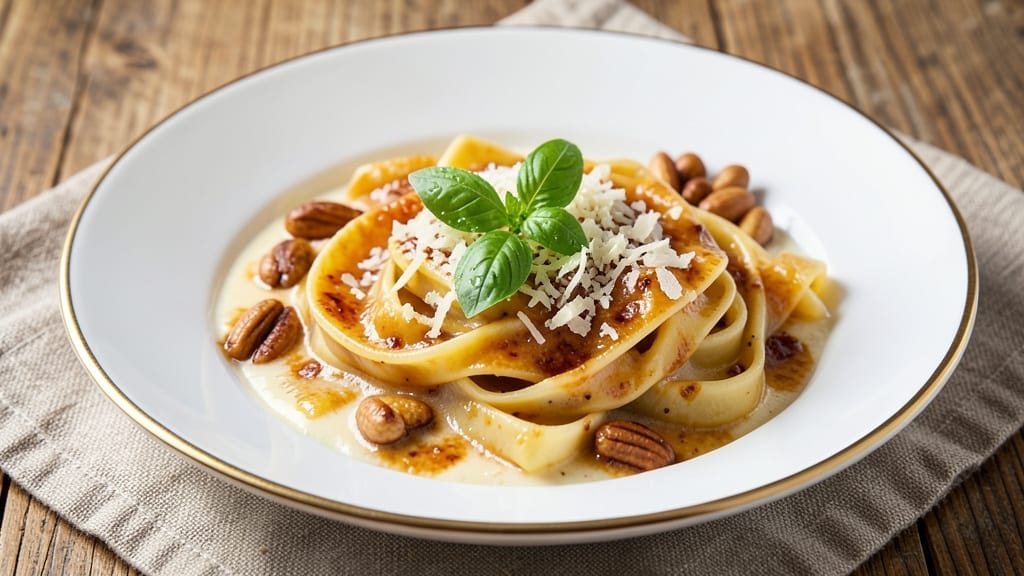
This 3 cheese pasta sauce recipe delivers the velvety, melted perfection of restaurant-quality sauce at home—no shortcuts, just rich, creamy layers of flavor that cling to every noodle. The secret lies in balancing sharp cheddar, nutty Gruyère, and creamy mozzarella, simmered low and slow until silky smooth.
I’ve perfected this sauce over years of testing, ensuring it’s foolproof for pasta, lasagna, or even as a standalone condiment.
The foundation starts with a simple roux—equal parts butter and flour cooked until golden—before adding milk and cheese in stages. This gradual melting prevents graininess and creates a sauce that’s rich yet light, with just enough tang to cut through the richness.
Garlic and a splash of cream (optional) deepen the flavor without overpowering the cheeses, while fresh basil at the end brightens every bite.
By the time you’re done, you’ll have a sauce so luxurious it transforms simple pasta into a restaurant-worthy meal—creamy, stretchy, and packed with cheesy goodness. The best part?
It reheats beautifully, making it perfect for meal prep or leftovers. No more store-bought jars here; this is the real deal, built to impress.
Use it on fettuccine, toss it with grilled chicken, or layer it in lasagna. The possibilities are endless, but the method stays simple: three cheeses, one pot, and pure comfort in every forkful. Let’s make it.
Ingredients for 3 cheese pasta sauce
Three cheeses, one pot, and pure comfort in every forkful—this is your homemade sauce game-changer.
| Ingredient | Amount | Notes |
|---|---|---|
| Unsalted Butter 🧈 | ½ cup | Cold, cut into small cubes |
| All-Purpose Flour 🌾 | ½ cup | Sifted for smooth sauce |
| Whole Milk 🥛 | 2 cups | Room temperature preferred |
| Sharp White Cheddar Cheese 🧀 | 1 cup | Freshly grated, block preferred |
| Gruyère Cheese 🧀 | ¾ cup | Freshly grated, nutty flavor |
| Mozzarella Cheese 🧀 | ¾ cup | Fresh, low-moisture if block |
| Garlic Cloves 🧄 | 3 cloves | Minced, for aromatic depth |
| Heavy Cream 🥛 | ¼ cup | Optional, for extra richness |
| Fresh Basil Leaves 🌿 | ¼ cup | Chopped, for bright finish |
| Diamond Crystal Kosher Salt 🧂 | ½ tsp | Adjust to taste |
| Freshly Ground Black Pepper 🌶️ | ¼ tsp | Freshly cracked |
The cheeses are non-negotiable here. Grab a wedge of Gruyère from a specialty cheese shop—it’s worth the splurge for that nutty depth. Whole milk makes the sauce richer than half-and-half, and sharp white cheddar is key for that tangy bite. I always buy pre-grated cheddar in a squeeze bottle—it’s the only time I’ll use it, but it saves time. For the mozzarella, low-moisture from a block shreds cleaner than pre-shredded. Freshly grated cheese melts smoother, so skip the pre-grated stuff unless it’s labeled ‘block-style.’ Butter matters too—European-style butter has more fat for a silkier sauce.
No Gruyère? Parmesan or sharp provolone work in a pinch, but the flavor won’t be the same. Short on mozzarella? Fontina melts beautifully and adds a creamy texture. The heavy cream is optional but worth it for a restaurant-quality finish. If you’re skipping it, add an extra splash of milk. Fresh basil is ideal, but dried basil at one-third the amount gets you close. For the garlic, roast it first if you want a sweeter, mellow flavor—just toss whole cloves in the oven at 400°F for 10 minutes. And if you’re worried about lumps, whisk the milk into the roux slowly while stirring constantly.
This sauce keeps like a dream. Store it in an airtight container in the fridge for up to 5 days, and it reheats beautifully—just warm it gently on the stove with a splash of milk or water to loosen it up. Freeze portions in ice cube trays for easy single-use servings—just pop out what you need and toss into your pasta water. The flavor actually improves after a day or two as the cheeses meld together. Portion it out in jars if you’re prepping for the week, and label with the date—trust me, you’ll forget and be thrilled when you find it months later.
Why You’ll Love This Recipe
- No-Fuss Roux: I swear by this butter-and-flour base—just melt, whisk, cook until golden. No fancy techniques, no waiting for fancy sauces to simmer for hours. That rich, nutty Gruyère melts right into the milk for a sauce so smooth, it’s almost unfair.
- Cheese Love Bomb: Sharp cheddar brings the tang, Gruyère adds depth, and together? Pure umami magic. The moment those cheeses hit the warm milk, the sauce thickens into something dangerously addictive—like a hug in a bowl.
- Weeknight Workhorse: Toss it with pasta for dinner, use it to stuff shells for lunch, or drizzle it over grilled chicken. Honestly, I’ve even used it as a dip for breadsticks when I’m lazy. It’s the kind of sauce that makes you feel like you’ve cooked a whole meal when really, you just stirred.
- Leftover Goldmine: Make a double batch—this sauce keeps for days in the fridge and reheats like a dream. Between us, my freezer’s full of it because it’s the secret to turning last night’s roasted veggies into tomorrow’s frittata. Budget-friendly? More like chef-friendly.
Step-by-step instructions for 3 cheese pasta sauce
Here’s how to create a velvety, triple-cheese sauce that’ll make your homemade pasta feel like restaurant-quality comfort.
Create the Roux Foundation
Melt the 0.5 cup unsalted butter in a medium saucepan over medium heat. Watch carefully as it foams and bubbles—this is when the butter releases its rich flavor. Once fully melted, immediately whisk in the 0.5 cup all-purpose flour to form a smooth paste. This is your roux, and it’s the secret to that silky texture we’re after.
Cook the roux for 1-2 minutes, stirring constantly with a wooden spoon. You want it to turn a pale golden color—this means the raw flour taste is cooking out. If it browns too quickly, reduce the heat slightly. The goal is a smooth, paste-like consistency that’ll blend perfectly with our cheeses later. Don’t rush this step—proper roux development makes all the difference in the final sauce.
Gradually Add Milk for Creamy Perfection
Slowly pour in the 2 cups whole milk while whisking vigorously to prevent lumps. I like to add it in a thin, steady stream—this gradual incorporation ensures a completely smooth sauce. Keep the heat at medium-low and continue whisking for 3-5 minutes until the mixture thickens noticeably.
Here’s where the magic happens: you’ll see the sauce transform from a thin liquid to a glossy, creamy consistency. It should coat the back of a spoon but still flow easily. If it thickens too quickly, add 1-2 tablespoons of milk to adjust. The sauce should be smooth enough to coat the back of a spoon but not so thin it drips off. This is your base—everything else builds from here.
Incorporate the Cheese Triad
Reduce the heat to low and begin adding the cheeses in stages. First, sprinkle in ½ cup of the sharp white cheddar cheese, whisking constantly until fully melted and smooth. Then add ½ cup of the gruyère cheese, followed by the remaining ½ cup cheddar and ½ cup mozzarella. I’ve found this layered approach prevents clumping and ensures even melting.
Stir continuously for 3-4 minutes until the cheese is completely melted and the sauce is velvety smooth. You should see a glossy sheen develop on the surface—this indicates proper emulsification. If you see any unmelted cheese bits, add 1 teaspoon of milk at a time to help dissolve them. The sauce should now be rich, thick, and ready for the final touches.
Finish with Aromatics and Seasoning
Add the 3 minced garlic cloves and cook for 30 seconds until fragrant—this adds incredible depth without overpowering. Then stir in the 0.25 cup heavy cream (if using) for extra richness. Season with 0.5 teaspoon diamond crystal kosher salt and 0.25 teaspoon freshly ground black pepper, tasting as you go. The sauce should be perfectly balanced—savory, slightly tangy from the cheddar, nutty from the gruyère, and smooth from the mozzarella.
Remove from heat and stir in the 0.25 cup chopped fresh basil leaves. Let the sauce sit off the heat for 2-3 minutes—this resting period allows the flavors to meld completely. The basil will brighten the rich cheese flavors and add that fresh finish we all love. The sauce should now be at its peak: smooth, flavorful, and ready to coat your pasta perfectly.
Adjust Consistency and Serve
Taste the sauce and adjust seasoning if needed—this is your final chance to perfect the flavor. If the sauce is too thick, thin it with 1-2 tablespoons of pasta water (reserved from cooking your noodles). The ideal consistency should be thick enough to cling to pasta but still flow smoothly. Keep the sauce warm over low heat while you cook your pasta.
When ready to serve, toss the drained pasta with the cheese sauce until every strand is beautifully coated. The sauce should cling to the pasta without being gloopy, creating that perfect al dente bite with each mouthful. Garnish with additional fresh basil if desired, and serve immediately while the sauce is at its peak temperature and texture.
Pro Tips For Making 3 Cheese Pasta Sauce
- Whisk Like You Mean It: The roux is where flavor hides—or disappears. Use a wooden spoon first to break up lumps in the butter-flour mix, then switch to a whisk and keep the heat low until it turns pale gold (not brown, not beige). I learned this the hard way—burnt roux tastes like regret, and no amount of cheese can save it.
- Grate Cheese Fresh: Pre-shredded cheese packs air and moisture, turning your sauce into a sad, grainy puddle. Buy blocks of sharp cheddar and Gruyère, grate them yourself, and pat the shavings dry with a paper towel. The texture difference is night and day—your sauce will coat like silk, not clump like a science experiment gone wrong.
- Temper the Milk: Dumping cold milk into hot butter is a one-way ticket to scrambled cheese. Warm the milk first—just heat it in a saucepan until it’s steaming (not boiling) or microwave it in 30-second bursts. The sauce will thicken smoothly, and the cheese won’t seize up like it’s performing an exorcism.
- Salt the Roux: Unsalted butter is a blank canvas—use it. Add a pinch of salt (about ¼ teaspoon) to the butter before cooking the flour. It’ll wake up the flavor early, and you’ll end up with a richer sauce that doesn’t need last-minute salt adjustments. Trust me, your taste buds will notice the difference.
Best sauces and condiments for this 3 cheese pasta sauce
Classic Tomato Sauce
For a lighter alternative, simmer 1 cup crushed San Marzano tomatoes with 2 cloves minced garlic and 1 tsp dried oregano for 15 minutes before adding your cheese sauce. This creates a tomato-cheese hybrid that’s perfect for lasagna or stuffed shells.
I like to blend the tomato sauce until smooth for a velvety texture that complements the cheeses beautifully. 🍅
Creamy Garlic Parmesan
Swap the Gruyère for 1 cup freshly grated Parmesan and add 1 tbsp lemon zest for brightness. This version is lighter but still rich, with that signature umami punch.
I often add 1 tsp Dijon mustard to the roux for depth—it cuts through the richness wonderfully. Perfect for fettuccine Alfredo lovers who want a cheesy twist.
Spicy Jalapeño Cheddar
Add 1-2 diced jalapeños (seeds removed for mild heat) with the garlic and ½ tsp smoked paprika for a Southwestern kick. The heat from the jalapeños pairs perfectly with the sharp cheddar, creating a sauce that’s both bold and balanced.
I like to finish with 2 tbsp chopped cilantro for freshness. This version works amazingly with chicken or shrimp pasta dishes. 🌶️
Herb-Infused White Wine
Deglaze the roux with ½ cup dry white wine instead of milk, then proceed with the recipe. Add 1 tsp dried thyme and 1 tsp dried rosemary with the garlic for an Italian-inspired twist.
The wine adds complexity while keeping the sauce rich and velvety. This version pairs beautifully with seafood or roasted vegetables.
Buffalo Blue Cheese Twist
Replace the mozzarella with ½ cup crumbled blue cheese and stir in 1 tbsp hot sauce (like Frank’s RedHot) at the end. The tangy blue cheese and spicy kick create a bold, creamy sauce that’s perfect for chicken wings or hearty pasta dishes.
I often add ¼ cup crumbled bacon for extra depth. This version is an acquired taste but absolutely unforgettable. 🔥
Lighter Greek Yogurt Version
For a healthier option, replace ½ cup of the heavy cream with ½ cup plain Greek yogurt (full-fat for best results). The yogurt adds tanginess and a lighter texture while keeping the sauce rich.
I also reduce the mozzarella to ½ cup to balance the flavors. This version reheats beautifully and is perfect for meal prep. 💛
Nutrition facts
Frequently asked questions
Why does my cheese sauce get grainy?
Grainy texture usually happens when cheese melts unevenly or too quickly. Always add cheese in stages over low heat, whisking constantly until fully melted. For extra smoothness, use freshly grated cheese (not pre-shredded) and add 1 teaspoon of milk at a time to any unmelted bits. The roux must be fully cooked to a pale golden color before adding milk—this prevents lumps from forming.
Can I make this sauce ahead of time?
This sauce actually tastes better the next day as the flavors meld. Store in an airtight container in the fridge for up to 5 days. To reheat, warm gently on the stove with a splash of milk or water to restore smoothness. For freezing, portion into ice cube trays—just pop out what you need and toss into pasta water. The sauce reheats beautifully without losing its velvety texture.
What’s the best pasta to use with this sauce?
This rich sauce pairs perfectly with wide, ridged pastas that trap the sauce. Try fettuccine, pappardelle, or penne for maximum cheesy goodness. For a lighter option, use angel hair or linguine. Avoid smooth, slippery pastas like spaghetti—the sauce won’t cling as well. The wider the noodle, the more surface area for that creamy coating!
How can I make this sauce dairy-free?
Replace the butter with ½ cup olive oil and use unsweetened almond milk instead of whole milk. For cheese, try a blend of nutritional yeast (for cheesy flavor), cashew cheese, and dairy-free mozzarella shreds. Add 1 teaspoon of lemon juice to mimic the tanginess of cheddar. The sauce will be lighter but still rich—great for lactose-intolerant eaters!
Can I add meat to this sauce?
Yes! Brown ½ pound Italian sausage or diced pancetta first, then drain and add to the sauce after the roux stage. For a heartier version, stir in 1 cup cooked ground beef or chopped bacon at the end. The meat adds depth and pairs perfectly with the cheesy richness. Just be sure to drain excess fat to keep the sauce smooth. This makes a fantastic lasagna filling too!

- 3lb Prime Rib Roast Recipe: Juicy Pink Center Guaranteed in 3 Hours - October 31, 2026
- 5 Spice Cake Recipe: Warmly Spiced Layers With Crunchy Top - October 31, 2026
- 1950’s Macaroni and Cheese Recipe: Nostalgic Creamy Cheese Sauce with Buttery Noodles - October 31, 2026