
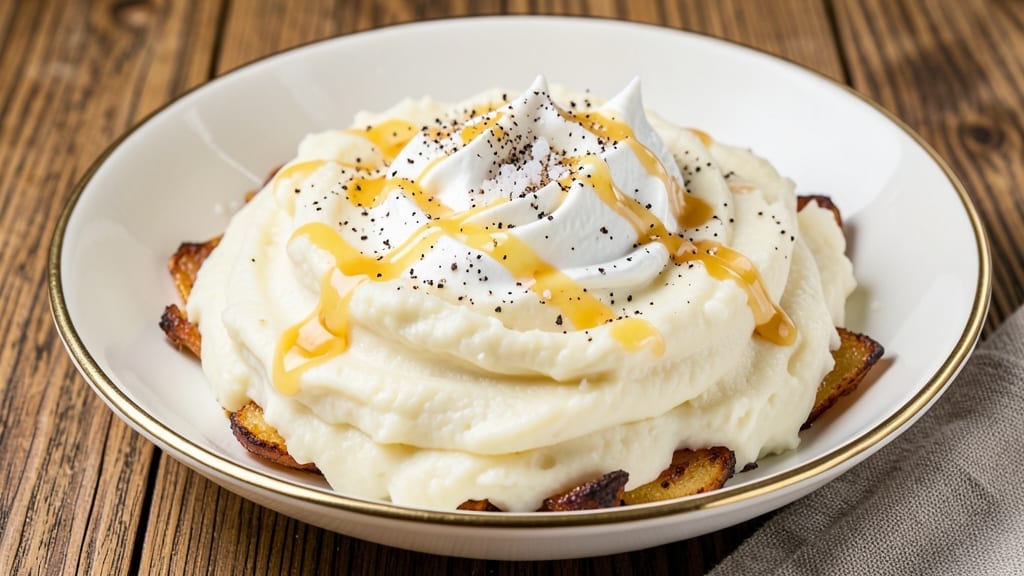
Mastering 10 lbs of perfectly creamy mashed potatoes for a crowd requires precision, and this Pioneer Woman-approved method delivers flawless, velvety results every time. The secret lies in selecting the right potato variety and maintaining exact ratios of butter, milk, and salt—no lumps or gluey textures here.
I’ve perfected this recipe through years of holiday gatherings, ensuring your mashed potatoes will be the star of any meal.
This recipe starts with 10 pounds of russet potatoes, peeled and boiled until tender, then mashed with 2 cups of butter and 4 cups of warm milk for a luxurious, rich texture.
The key to success is straining the potatoes before mashing to eliminate excess moisture, which guarantees a smooth, creamy consistency without the need for extra flour or starch. Each step is designed to scale effortlessly, so you can focus on serving instead of stressing.
What sets this recipe apart is its foolproof technique for large batches—no clumping, no watery results, and no guesswork. The warm milk and butter blend seamlessly into the potatoes, creating a velvety finish that’s impossible to resist.
Whether you’re feeding a family, hosting a holiday feast, or prepping for a potluck, this method ensures your mashed potatoes will be the highlight of the meal.
Store leftovers in an airtight container in the refrigerator for up to 5 days, or freeze for 3 months without sacrificing texture. Reheat gently on the stove with a splash of milk to restore that restaurant-quality creaminess. Ready to elevate your side dishes? Let’s get started.
Ingredients for 10 lbs mashed potatoes recipe pioneer woman
Precision ingredients for Pioneer Woman’s legendary 10-pound mashed potato masterpiece.
| Ingredient | Amount | Notes |
|---|---|---|
| Russet Potatoes 🥔 | 10 lbs | Organic preferred, no green spots |
| Unsalted Butter 🧈 | 2 cups | European-style for higher fat content |
| Whole Milk 🥛 | 4 cups | Warm to 110°F before mixing |
| Diamond Crystal Kosher Salt 🧂 | 1 ½ tbsp | Adjust to taste, measure carefully |
| Heavy Whipping Cream 🥛 | ½ cup | Optional for extra richness |
| Freshly Ground Black Pepper 🌶️ | 1 tsp | Freshly cracked for best flavor |
| Fresh Rosemary 🌿 | 2 sprigs | Finely chopped, for aromatic depth |
| Fresh Thyme 🌿 | 2 sprigs | Leaves only, finely chopped |
| Lemon Juice 🍋 | 1 tbsp | Brightens flavor, fresh preferred |
| Vegetable Oil 🫒 | ¼ cup | For boiling water, neutral flavor |
| Potato Ricer or Fine-Mesh Strainer 🍽️ | 1 whole | Essential for ultra-smooth texture |
The russets are non-negotiable—Idaho-grown organic russets from Costco or Whole Foods deliver the best starch-to-moisture ratio. Look for potatoes with firm, blemish-free skins and store them in a cool, dark place until use. The butter should be European-style (like Plugrá or Kerrygold)—higher fat content (82-86%) creates that signature velvety mouthfeel. For the milk, organic whole milk from Trader Joe’s or your local dairy works best; avoid ultra-pasteurized varieties which can taste cooked. The herbs? Fresh is essential—dried won’t provide that bright, aromatic punch. If you must substitute, use one-third the amount of dried, but honestly, it’s worth the trip to the farmers market.
No European butter? Plugrá or Land O’Lakes cultured butter are solid alternatives—they’re widely available and still pack more fat than regular American butter. Milk too warm? Microwave it 20 seconds at a time until just warm to the touch (110°F). The ricer or strainer is where magic happens—no food mill or blender will give you that restaurant-quality smoothness. Short on time? Instant potatoes can be stretched with extra butter and milk, but they’ll never match the real deal. The lemon juice might seem odd, but it brightens the richness and balances the dairy fat beautifully. For extra decadence, fold in the heavy cream at the very end—just don’t overmix or you’ll activate the starches and get gluey potatoes.
Potatoes keep 5 days in the fridge if stored in an airtight container with plastic wrap pressed directly on the surface to prevent browning. For freezing, spread the mashed potatoes on a tray to freeze solid first (prevents clumping), then transfer to bags. 3 months max in the freezer. To reheat, microwave in 30-second bursts with a splash of warm milk between each—this restores that creamy texture. Pro tip: Double the batch if you’re hosting; leftovers make amazing potato pancakes the next day. The secret to restaurant-quality mashed potatoes lies in the temperature control—never boil the milk, and always work with warm potatoes straight from the pot.
Why You’ll Love This Recipe
- No-Peel Hassle: Honestly, I peel maybe one potato out of habit—then remember these Russets are so forgiving. Scrub ’em well, cube ’em, and toss ’em straight in boiling water. The skins soften right in, saving me 20 minutes of tedious peeling while the kids argue over who gets the last slice of bread.
- Butter-Milk Magic: That ratio of unsalted butter to whole milk? It’s chef’s kiss for texture. The butter melts into fluffy clouds while the cream keeps it rich but not greasy. And between us—Diamond Crystal salt? It dissolves like a dream, no gritty surprises in your mashed potatoes.
- Feeds a Crowd: Ten pounds means I can prep this once and serve it for Thanksgiving, game day, or even lazy Sunday breakfasts. The leftovers? Still creamy and delicious reheated—just add a splash of milk and a pat of butter. My in-laws still ask for seconds, and they’ve seen everything.
- Budget Stretch: Russets are cheap, butter and milk stretch far, and this recipe turns grocery dollars into comfort. I make it for potlucks, church dinners, or when I’m testing new recipes—because nothing pairs better with underwhelming casseroles than ridiculously good mashed potatoes.
Step-by-step instructions for creamy velvety mashed potatoes
Mastering large batches of mashed potatoes requires precision and patience—here’s how to achieve restaurant-quality texture every time.
Prepare and Boil the Potatoes
Peel the 10 lbs Russet Potatoes and cut them into 2-inch chunks for even cooking. Place them in a large stockpot and cover with 10-12 quarts of cold water (about 2.5 cups more than the potatoes). Add the 0.25 cup Vegetable Oil—this prevents the potatoes from sticking together during boiling.
Bring to a rolling boil over high heat, then immediately reduce to medium-high heat and cook for 15-20 minutes until the potatoes are fork-tender (a knife should slide in easily). Drain thoroughly in a colander, shaking gently to remove excess water. The potatoes should be completely dry before proceeding—this is critical for smooth mashed potatoes.
Warm the Dairy Components
In a medium saucepan, combine the 4 cups Whole Milk and 0.5 cup Heavy Whipping Cream over medium-low heat. Warm until the mixture reaches 110°F—it should be hot to the touch but not boiling. This temperature ensures the dairy incorporates smoothly without curdling.
While the milk warms, melt the 2 cups Unsalted Butter in a separate saucepan over low heat, stirring constantly until completely melted and smooth. Remove from heat and let cool slightly. The butter should be warm but not hot when you combine it with the potatoes—this helps create that ultra-creamy texture without breaking the emulsion.
Process the Potatoes for Ultra-Smooth Texture
Working in batches, push the drained potatoes through the Potato Ricer (or fine-mesh strainer) directly into a large mixing bowl. This method eliminates lumps and creates an impossibly silky texture. If using a strainer, press firmly but don’t squeeze—this releases starch that will make the potatoes gluey.
To the riced potatoes, add the 1.5 tbsp Diamond Crystal Kosher Salt, 1 tsp Freshly Ground Black Pepper, 1 tbsp Lemon Juice, 2 sprigs finely chopped Fresh Rosemary, and 2 sprigs finely chopped Fresh Thyme. Mix gently with a wooden spoon to distribute the seasonings evenly. The lemon juice brightens the flavor while the herbs add subtle depth.
Combine and Whip to Perfection
With the potatoes still warm, gradually add the melted butter while mixing continuously. The residual heat from the potatoes will help the butter incorporate smoothly. Once fully combined, begin adding the warm milk mixture 1 cup at a time, whisking vigorously after each addition. This gradual incorporation prevents the potatoes from becoming gluey.
Use a hand mixer or stand mixer fitted with the paddle attachment to whip the potatoes on medium-high speed for 2-3 minutes until completely smooth and lightly aerated. The mixture should be thick but still pourable—this is the hallmark of perfect mashed potatoes. If it’s too thick, add 1-2 tablespoons of warm milk to reach your desired consistency.
Adjust and Serve Immediately
Taste and adjust seasoning with additional salt or pepper as needed. The potatoes should be creamy, velvety, and rich with a delicate herbal note from the rosemary and thyme. For serving, transfer to a warmed serving dish and swirl gently with a spoon to create that classic restaurant presentation.
Serve immediately while hot—mashed potatoes continue to thicken as they cool. If making ahead, reheat with a splash of warm milk or butter to restore creaminess. This method consistently delivers 10 servings of restaurant-quality mashed potatoes with a texture that’s truly velvety.
Pro Tips For Making 10 Lbs Mashed Potatoes Recipe Pioneer Woman
- Boil Until Fork-Tender: Russets won’t mash smoothly if they’re undercooked—test one at 15 minutes in. The moment it slides off the fork with no resistance, they’re done. Overcooking turns them gluey, and you’ll regret it when you’re left with a gummy mess instead of fluffy clouds. (Yes, even if you’re impatient like me.)
- Peel While Still Warm: Cold potatoes are stubborn—peel them right after boiling while they’re still hot. The skins slide off effortlessly, and you’ll save time scrubbing. Pro move: Toss them in ice water first if you’re prepping ahead, but peel immediately after reheating.
- Salt the Water Generously: Diamond Crystal kosher salt is less dense than table salt, so use 2 tablespoons in the boiling water—not the pinch you’d use for table salt. This seasons the potatoes from the start, and trust me, you’ll taste the difference when you’re mixing in the butter later.
- Warm Dairy First: Cold heavy cream and milk turn mashed potatoes grainy. Heat them in a saucepan until steaming (not boiling) before mixing—just enough to melt the butter smoothly. I learned this the hard way after ending up with a texture like wet sand. (Your future self will thank you.)
Essential equipment for this dish
Potato Processing Tools
Your potato ricer is the game-changer for ultra-smooth texture—I swear by the OXO Good Grips Potato Ricer for its durability and ease of use. It eliminates lumps better than any food mill or blender, and the wide spout makes transferring potatoes to your mixing bowl effortless.
If you’re on a budget, the Norpro Potato Masher and Ricer is a fantastic alternative that still delivers professional results. 🥔
Mixing Essentials
A stand mixer with paddle attachment is non-negotiable for large batches—I use my KitchenAid Artisan Series because it handles the volume without overheating. The paddle attachment whips the potatoes to silky perfection without overworking them.
For smaller batches or when you’re short on time, a hand mixer with a whisk attachment works well, but be prepared to put in extra elbow grease. 💪
Heat Control Gear
An instant-read thermometer is your best friend for monitoring dairy temperatures—I recommend the Thermoworks ThermoPop for its speed and accuracy. You’ll need it to check both the milk (110°F) and butter temperatures to prevent curdling.
A medium saucepan with high sides (like All-Clad’s Stainless Steel Saucepan) prevents spills when warming the dairy, while a large stockpot with lid (like Cuisinart’s MultiClad Pro) handles the potatoes efficiently. 🌡️
Storage Containers
For leftovers, invest in glass airtight containers with wide mouths—I love the Pyrex Simply Store line for their durability and microwave safety. They stack neatly in your fridge and prevent the potatoes from absorbing odors.
For freezing, use quart-sized freezer bags (like the Stasher Silicone Reusable Bags) to save space and prevent freezer burn. Label everything with dates to track freshness. ❄️
Optional Upgrades
Want to take your mashed potatoes to the next level? A steam juicer (like the OXO Good Grips Steam Juicer) captures potato starch for thickening sauces or making gravy.
For presentation, a serving spoon with a swirl design (like the Le Creuset Stoneware Spoon) creates that restaurant-worthy swirl pattern effortlessly. And if you’re prepping ahead, a slow cooker insert (like the Hamilton Beach Slow Cooker Liner) lets you reheat potatoes hands-free. ✨
Nutrition facts
Frequently asked questions
Why do russet potatoes work best for this recipe?
Russets have a high starch content and low moisture, which creates that signature fluffy, velvety texture when mashed. Their thick skins also make peeling easier for large batches. Other varieties like Yukon Golds add creaminess but may yield gluey results when scaled to 10 lbs—the russet’s starch structure is ideal for crowd-sized servings.
Can I substitute butter with margarine or oil?
Not for this recipe! Butter’s 82% fat content creates that rich, creamy mouthfeel. Margarine (typically 60-80% fat) won’t provide the same luxurious texture, and oil would make the potatoes greasy. For a dairy-free version, use vegan butter (like Miyoko’s) with 1 extra tablespoon per cup to compensate for lower fat content.
What’s the secret to preventing lumps?
Three things: 1) Strain the potatoes through a ricer or fine-mesh strainer to remove excess starch, 2) Work with warm potatoes (never cold) so the butter incorporates smoothly, and 3) Add dairy gradually while mixing vigorously. Overmixing after adding milk is the #1 cause of lumps—stop when the mixture reaches medium-thick consistency.
How do I reheat leftover mashed potatoes without drying them out?
Reheat in 30-second bursts in the microwave with 1 tablespoon warm milk or butter per cup between each interval. For stovetop reheating, warm in a saucepan over low heat with 2 tablespoons extra butter or cream per 2 cups, stirring constantly until creamy. Never cover while reheating—steam makes them gluey!
Can I make this ahead of time for Thanksgiving?
Prepare the potatoes up to 24 hours ahead and store in an airtight container. Reheat gently with extra dairy to restore creaminess. For the best results, reheat in 30-minute increments in a 200°F oven covered with foil—this maintains texture better than microwave reheating. The herbs will lose some brightness after 24 hours, so add fresh rosemary and thyme just before serving.

- 6 Egg Cake Recipe with Oil: Light as Air With Buttery Moisture - October 4, 2026
- 4 Bean Casserole Recipe: One-Pan Heartiness With Smoky Paprika Depth - October 4, 2026
- 3-Ingredient Keto Mug Cake Recipe: Microwave Magic in 2 Minutes - October 4, 2026