
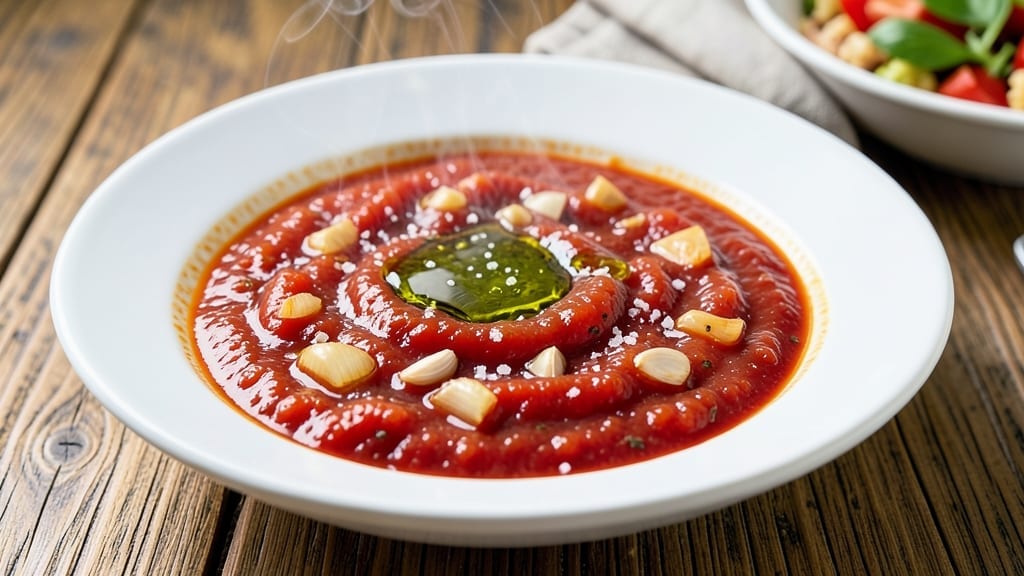
When you need 10-minute tomato sauce that tastes like it simmered for hours, this recipe delivers restaurant-quality depth without the wait. The secret lies in a quick sauté of aromatics and a splash of red wine that transforms canned tomatoes into something rich and complex.
I developed this version after years of testing—it’s the one I reach for when I need sauce fast but refuse to compromise on flavor.
This sauce starts with basic pantry staples—canned tomatoes, garlic, onion, and a touch of sugar—but the 10-minute technique elevates them. By cooking the aromatics until deeply fragrant and deglazing the pan with wine, you build layers of flavor that most quick sauces miss.
The result? A smooth, velvety sauce with just enough acidity to balance sweetness, perfect for pasta, pizza, or dipping.
What makes this sauce truly impressive is how versatile it is. Use it as-is for a classic marinara, or boost it with fresh basil, red pepper flakes, or a pinch of oregano.
The sauce thickens slightly as it cools, making it ideal for meal prep—just reheat with a splash of water if needed. It’s the kind of recipe that proves quick doesn’t mean sacrificing quality.
Best of all, this sauce comes together in one pot with minimal cleanup. No blender required, no complicated steps—just 10 minutes of active time and a few ingredients you likely already have. Ready to transform your weeknight dinners? Let’s make this sauce.
Ingredients for 10 minute tomato sauce
Pantry staples plus a few fresh touches—this sauce delivers restaurant depth in minutes.
| Ingredient | Amount | Notes |
|---|---|---|
| Extra-Virgin Olive Oil 🫒 | 2 tbsp | High-quality, fruity variety |
| Yellow Onion 🧅 | ½ cup | Finely diced, about 1 medium |
| Garlic Cloves 🧄 | 4 cloves | Minced, about 1 tbsp total |
| Canned San Marzano Tomatoes 🍅 | 28 oz | Crushed or diced, 1 can |
| Dry Red Wine 🍷 | ¼ cup | Bold variety like Cabernet Sauvignon |
| Granulated Sugar 🍚 | 1 tbsp | Balances acidity |
| Salt 🧂 | 1 tsp | Diamond Crystal preferred |
| Fresh Basil Leaves 🌿 | ¼ cup | Chopped, for finishing |
| Black Pepper 🌶️ | ¼ tsp | Freshly ground |
| Red Pepper Flakes 🔥 | ½ tsp | Optional, for heat |
San Marzano tomatoes are the gold standard here—look for the 28 oz cans at Whole Foods or Trader Joe’s for the best flavor. The red wine adds depth that you won’t get from vinegar or broth, so grab whatever bold variety you have open (Cabernet Sauvignon works perfectly). Fresh basil is ideal, but dried oregano at half the amount works in a pinch. The olive oil matters too—use something fruity and high-quality, not the cheap stuff. If you’re short on time, pre-minced garlic from a jar saves steps, though fresh is always better.
No red wine? Substitute 1/4 cup beef broth or even more tomato juice, though the flavor will be slightly different. Running low on sugar? A pinch of salt will help balance the acidity, but don’t skip it entirely. The red pepper flakes are completely optional, but if you love heat, add them at the end. For a smoother sauce, blend it briefly with an immersion blender—though the intro promises no blender required, so skip this if you’re in a rush. The onions can be swapped for shallots if you prefer a sweeter flavor, but yellow onions work perfectly fine.
This sauce keeps beautifully—5-6 days in the fridge or 3 months frozen. I always make a double batch and freeze half in ice cube trays for easy portioning later. Reheat gently with a splash of water or pasta water to loosen it up. The sauce actually improves overnight as the flavors meld, so leftovers are often the best part. Store it in a clean jar with a tight seal to keep it fresh.
Why You’ll Love This Recipe
- No Chopping Nightmare: This sauce starts with just one onion and a few garlic cloves—no fancy dice or julienne skills required. I literally slice the onion in half, char it whole in the pan, then scoop out the softened bits. That smoky depth? Zero effort, all flavor.
- Wine Magic Hacks: That splash of dry red wine isn’t just for show—it cuts through the acidity of the tomatoes while adding this bright, almost floral note. I keep a bottle of Chianti on hand just for this; the first sip of sauce tastes like a mini Italian vacation. (And yes, the leftovers taste just as good.)
- Pasta Party Ready: Make a double batch and freeze half—this sauce is the ultimate lazy dinner hero. Toss it with al dente spaghetti for weeknights, dollop it over grilled chicken for Sunday suppers, or even slather it on garlic bread when you’re craving carbs. It’s my go-to for when I don’t want to think.
- San Marzano Secret Weapon: Honestly, nothing beats the sweetness of those canned San Marzano tomatoes. They’re pricey, but a single can stretches into three meals, and the flavor? Rich, consistent, and way better than the store-brand stuff. I buy them in bulk because this sauce becomes my pantry’s unsung hero—always there when I need it.
Step-by-step instructions for quick tomato sauce
Here’s how to make a rich, restaurant-quality tomato sauce in minutes—no long simmering required.
Sauté the Aromatics Until Fragrant
Heat the 2 tablespoons extra-virgin olive oil in a medium saucepan over medium heat. Add the ½ cup finely diced yellow onion and cook for 3-4 minutes until softened and translucent. This is your flavor foundation—don’t rush it or the onion will burn.
Add the 4 minced garlic cloves and cook for another 30-60 seconds until fragrant. The garlic should just begin to turn golden—if it darkens too quickly, reduce the heat slightly. This quick cooking preserves the garlic’s sweetness rather than letting it turn bitter.
Deglaze with Wine and Add Tomatoes
Pour in the ¼ cup dry red wine and let it simmer for 1-2 minutes until mostly evaporated. This step, called deglazing, lifts all those delicious browned bits from the bottom of the pan, adding depth to your sauce. Don’t walk away—wine burns easily.
Stir in the 28 ounces canned San Marzano tomatoes, breaking them up with a wooden spoon if needed. Add the 1 tablespoon granulated sugar, 1 teaspoon salt, and ½ teaspoon red pepper flakes. The sugar balances the tomatoes’ natural acidity while the red pepper flakes add subtle heat.
Simmer Until Thickened
Bring the mixture to a gentle boil, then reduce heat to low and let it simmer uncovered for 5-7 minutes. You’ll see the sauce thicken noticeably as the tomatoes break down. Stir occasionally to prevent sticking—this is where patience pays off for that perfect consistency.
Taste and adjust seasoning if needed. The sauce should be rich but not overly salty, with a balance of sweetness from the tomatoes and sugar. If it’s too acidic, a pinch more sugar helps; if too bland, a touch more salt or red pepper flakes will wake it up.
Finish with Fresh Basil and Pepper
Remove the pan from heat and stir in the ¼ cup chopped fresh basil leaves and ¼ teaspoon black pepper. The basil adds bright, fresh flavor that cuts through the richness of the tomatoes. Let the sauce sit for 1-2 minutes to allow the basil to infuse fully.
Taste one final time—you should have a vibrant, well-balanced sauce with layers of flavor. This sauce works perfectly over pasta, as a pizza topping, or even as a dip. The key is keeping everything moving and tasting as you go so you can adjust before serving.
Pro Tips For Making 10 Minute Tomato Sauce
- Sweat the Onion First: I learned this the hard way—skip this step, and your sauce will taste raw and bitter. Dice the onion small, then cook it in the olive oil over medium heat until it’s translucent and just starting to soften (about 3-4 minutes). The slight caramelization here builds flavor without burning, and it won’t take up your precious 10 minutes.
- Crush Garlic Like a Pro: Mince those garlic cloves before adding them to the pan—no need to wait. If you’re impatient like me, smash them with the flat side of your knife first, then chop. Toss them into the pot right after the onion softens (when the pan smells sweet and fragrant), and cook for exactly 30 seconds—any longer, and they’ll turn bitter. (Yes, even if you’re impatient like me.)
- Deglaze with Wine Now: Pour in that red wine the second the garlic hits the pot—don’t wait for it to brown. The alcohol will sizzle and evaporate faster, leaving behind just the rich, fruity notes you want. Let it reduce by half (about 1-2 minutes) before adding the tomatoes, or your sauce will taste sharp and underdeveloped.
- Stir the Tomatoes Early: Crack open those San Marzano cans and dump the tomatoes in while the wine is still reducing. Stir immediately—this prevents the bottom from sticking and burning, which ruins the whole dish. If you’re short on time, mash a few tomatoes with a fork first; they’ll thicken faster and save you from constant stirring.
Dietary considerations for 10 minute tomato sauce
Gluten-Free Adaptation
This sauce is already naturally gluten-free since it relies on canned tomatoes, wine, and fresh ingredients. However, always double-check your San Marzano tomatoes and red wine labels to ensure no cross-contamination occurred during processing. I recommend Whole Foods 365 or Trader Joe’s brands for certified gluten-free products.
The granulated sugar and salt used are also typically gluten-free, but if you’re highly sensitive, opt for organic cane sugar and kosher salt from brands like Trader Joe’s or Bob’s Red Mill. 🌱
Low-Sodium Options
If you’re watching your sodium intake, reduce the 1 teaspoon salt to ½ teaspoon or use low-sodium Diamond Crystal salt. For extra flavor without added salt, add 1 teaspoon balsamic vinegar or ½ teaspoon smoked paprika during the simmer.
I also love boosting umami with 1 tablespoon soy sauce (use gluten-free tamari if needed) or ½ teaspoon fish sauce for depth. Taste as you go—this sauce is forgiving!
Dairy-Free & Vegan
This recipe is already 100% dairy-free and vegan—no animal products are involved. The extra-virgin olive oil, garlic, onion, and tomatoes make it plant-based by default. For extra richness, stir in 1 tablespoon nutritional yeast at the end for a cheesy flavor without dairy.
If you’re serving this over pasta, pair it with chickpea or lentil-based pasta for a fully plant-powered meal. 🌿
Allergen-Friendly Swaps
For nut allergies, ensure your olive oil is nut-free (some brands process in shared facilities). If you’re avoiding sulfites (common in dried herbs), skip the red pepper flakes and use fresh red chili instead.
For histamine-sensitive individuals, reduce the red wine to 2 tablespoons and add ¼ cup extra tomato juice to dilute histamines. Always check labels on canned tomatoes for BPA-free lining if that’s a concern. 💛
Keto-Friendly Tweaks
This sauce isn’t traditionally keto, but you can adapt it! Replace the ½ cup onion with ¼ cup finely diced mushrooms (for umami) and skip the 1 tablespoon sugar entirely. Add 1 teaspoon erythritol or monk fruit sweetener if needed to balance acidity.
Serve over zucchini noodles or shirataki noodles for a low-carb option. The red wine adds depth without carbs, making it a great keto-friendly base. 🥦
Nutrition facts
Frequently asked questions
Can I make this sauce without red wine?
Yes! Substitute ¼ cup beef broth or tomato juice for the wine—it won’t have the same depth but still works in a pinch. For extra umami, add 1 teaspoon soy sauce or ½ teaspoon fish sauce to compensate for the missing wine flavor. The sauce will be lighter but still delicious.
How do I prevent the sauce from being too acidic?
Adjust the acidity by adding ½ teaspoon more sugar or 1 teaspoon balsamic vinegar during simmering. For a smoother balance, simmer the sauce uncovered for 5-7 minutes—this helps reduce sharpness. Taste as you go and adjust gradually to avoid over-sweetening.
Can I use fresh tomatoes instead of canned?
Fresh tomatoes work but require extra prep: peel, seed, and chop 4-5 large tomatoes (about 2 cups) to match the canned equivalent. Simmer them longer (8-10 minutes) to break down their texture. For best results, add 1 teaspoon tomato paste to thicken and intensify flavor.
Why does my sauce taste bland after reheating?
Reheat with 1-2 tablespoons water or pasta water to loosen the sauce and restore thickness. If still flat, boost flavor with ½ teaspoon red pepper flakes, 1 clove fresh garlic, or a pinch of smoked paprika. The sauce often improves after resting—let it sit 10 minutes before tasting again.
What’s the best way to store leftovers?
Cool the sauce completely, then store in an airtight container in the fridge for 5-6 days or freeze for 3 months. For freezing, portion into ice cube trays—perfect for future meals! Reheat gently on low heat with a splash of water to prevent scorching.

- 3lb Prime Rib Roast Recipe: Juicy Pink Center Guaranteed in 3 Hours - October 31, 2026
- 5 Spice Cake Recipe: Warmly Spiced Layers With Crunchy Top - October 31, 2026
- 1950’s Macaroni and Cheese Recipe: Nostalgic Creamy Cheese Sauce with Buttery Noodles - October 31, 2026