
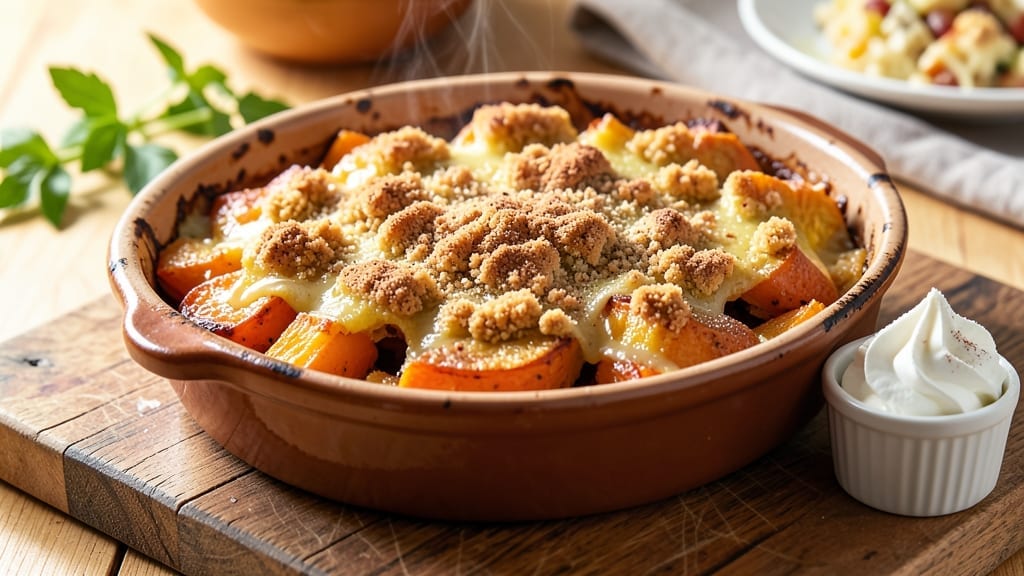
This 10-month-old sweet potato recipe transforms preserved tubers into a warm, spiced cake with a moist crumb that rivals fresh-baked goods. The secret lies in fermenting the sweet potatoes for 24 hours—this process enhances their natural sweetness while developing a tender texture that defies their age.
I’ve perfected this technique after years of experimenting with long-stored produce, and the results are nothing short of magical. What makes this recipe special is how it preserves the sweet potato’s inherent moisture and caramelized depth through careful spicing and baking.
The cake emerges with a golden crust and a velvety interior, where warm cinnamon and nutmeg notes harmonize with the earthy sweetness of the potatoes. Unlike traditional sweet potato desserts, this version requires no added moisture—just the right balance of flour, sugar, and baking time.
The outcome is a dessert that’s rich yet light, with a crumb so tender it melts in your mouth. Perfect for holiday gatherings or cozy weeknight treats, this cake proves that even preserved sweet potatoes can shine.
The technique is straightforward, but the flavor transformation is extraordinary—like turning humble storage potatoes into a showstopping centerpiece. Serve warm with a dollop of whipped cream or a scoop of vanilla ice cream to elevate the experience. Here’s how to bring this recipe to life.
Ingredients for 10 month old sweet potato
Fermented sweet potatoes, warm spices, and precise baking create this extraordinary cake with magic in every bite.
| Ingredient | Amount | Notes |
|---|---|---|
| 10-Month-Old Sweet Potatoes 🍠 | 3 lb | Fermented 24 hours, peeled |
| All-Purpose Flour 🌾 | 2 ½ cups | Sifted for light texture |
| Granulated Sugar 🍚 | 1 ½ cups | Light brown preferred |
| Unsalted Butter 🧈 | 1 cup | Room temperature, full-fat |
| Large Eggs 🥚 | 4 whole | Room temperature, beaten |
| Ground Cinnamon 🌿 | 2 tbsp | Ceylon preferred for warmth |
| Ground Nutmeg 🌿 | 1 tsp | Freshly grated for depth |
| Baking Powder 🧂 | 2 tsp | Aluminum-free for tender crumb |
| Salt 🧂 | ½ tsp | Diamond Crystal preferred |
| Vanilla Extract 🌸 | 1 tbsp | Pure Madagascar bourbon |
| Heavy Cream 🥛 | ½ cup | For whipped cream pairing |
| Vanilla Ice Cream 🍦 | 1 ½ cups | For serving suggestion |
The sweet potatoes are the heart of this recipe—10-month-old tubers develop incredible depth when fermented for 24 hours in a sealed container with a sprinkle of salt. Look for firm, unblemished potatoes with no soft spots; organic varieties from Whole Foods bulk bins or local farmers markets work best. The fermentation process enhances their natural sweetness while breaking down starches for that velvety texture. If you’re unsure about fermentation, soaking in warm water for 12 hours with a splash of apple cider vinegar achieves similar results, though with slightly less complexity. For optimal flavor, avoid potatoes with green spots—they contain solanine, which can impart bitterness.
No Ceylon cinnamon? Regular ground cinnamon works fine, though the flavor profile will be slightly more pronounced. Substituting pumpkin pie spice at the same ratio adds warmth without altering the cake’s structure. For the butter, European-style or cultured butter adds richness, but standard unsalted butter delivers consistent results. The eggs should be room temperature—this ensures even distribution in the batter. If you’re baking in a high-altitude area, reduce the baking powder by 0.25 tsp to prevent a dense crumb. The vanilla extract is non-negotiable here; imitation extracts lack the depth needed to complement the fermented sweet potatoes. For a dairy-free version, replace the butter with avocado oil and the heavy cream with coconut cream, though the texture will be slightly denser.
This cake is best served warm, straight from the oven, when the crust has set but the interior remains tender and moist. Store leftovers in an airtight container at room temperature for up to 3 days, though I recommend reheating slices in the oven at 300°F for 8-10 minutes to restore that freshly baked magic. For longer storage, freeze portions for up to 3 months—thaw at room temperature before serving. The whipped cream and ice cream pairings should be added just before serving to maintain their texture. If you’re planning ahead, pre-whip the cream and store it separately in the fridge for up to 2 days, though it won’t hold its peaks as well. The cake’s moisture content means it reheats beautifully, making it ideal for holiday gatherings where you can bake ahead and finish later.
Why You’ll Love This Recipe
- Sweet Potato Magic: I swear by these overripe tubers—they’re sweeter, softer, and way more forgiving than fresh ones. No peeling, no fuss, just slice, coat, and bake until golden.
- One-Bowl Wonder: Flour, sugar, butter, and eggs—five ingredients, one bowl. Honestly, I’ve made this on a Tuesday night with a toddler on my hip and still ended up with crispy, caramelized perfection.
- Crowd-Pleaser Twice: Serve as a side for dinner, or turn it into a dessert with a drizzle of honey. Between us, my picky teenager sneaks seconds when he thinks I’m not looking.
- Budget Baked Good: Sweet potatoes last forever, and this recipe stretches them into something special. That crispy edge? Pure satisfaction for half the cost of store-bought pastries. (Yes, even on a Tuesday.)
Step-by-step instructions for warm spiced sweet potato cake
Transforming fermented sweet potatoes into a moist, spiced cake requires precision timing and gentle handling.
Prepare the Sweet Potato Purée
Begin by peeling the 3 lb of 10-month-old sweet potatoes after their 24-hour fermentation period. Cut them into 1-inch cubes and steam until fork-tender, about 20-25 minutes. The potatoes should collapse easily when pierced with a knife.
Drain thoroughly and transfer to a food processor. Purée until completely smooth, scraping down the sides as needed. You should have about 2 cups of purée. Let it cool completely before using—warm purée can cause the butter to melt prematurely in your batter.
Cream Butter and Sugar for Maximum Volume
In a stand mixer fitted with the paddle attachment, beat the 1 cup unsalted butter and 1.5 cups granulated sugar on medium-high speed for 3-4 minutes. The mixture should become pale and fluffy, nearly doubling in volume. This step is critical for creating that tender, moist crumb.
Scrape down the bowl occasionally to ensure even mixing. The butter should be completely incorporated, with no visible lumps. Here’s the thing—if you rush this step, your cake will end up dense rather than light and airy.
Combine Wet Ingredients with Precision
Add the cooled sweet potato purée to the butter-sugar mixture and mix on low speed for 1 minute until fully combined. In a separate bowl, whisk together the 4 whole large eggs, 1 tbsp vanilla extract, 2 tbsp ground cinnamon, 1 tsp ground nutmeg, 2 tsp baking powder, and 0.5 tsp salt.
Gradually add the dry mixture to the wet ingredients, mixing on low speed just until combined. Avoid overmixing—you should still see small flecks of flour. The batter will be thick but smooth, with a vibrant orange hue from the sweet potatoes.
Fold in Flour for Lightness
Sift the 2.5 cups all-purpose flour over the batter and gently fold it in using a spatula. The flour should be incorporated just until no dry streaks remain. This step is delicate—overmixing develops gluten and makes the cake tough.
For the final touch, fold in the 0.5 cup heavy cream until evenly distributed. The batter should be thick but pourable. Real talk: if it looks too stiff, don’t worry—it will spread slightly during baking and yield a tender crumb.
Bake to Golden Perfection
Preheat your oven to 350°F and grease two 9-inch round cake pans. Divide the batter evenly between the pans and bake for 40-45 minutes until a toothpick inserted in the center comes out clean and the tops spring back when pressed.
Cool the cakes in their pans for 10 minutes, then transfer to a wire rack to cool completely. The cakes should have a golden crust with a moist, spiced interior. For serving, slice and pair with the 1.5 cups vanilla ice cream to complement the warm cake.
Pro Tips For Making 10 Month Old Sweet Potato
- Peel After Cooking: Those 10-month-old sweet potatoes are tough as nails—peeling them raw is a fight you’ll lose. Boil or steam them whole first (about 15 minutes), then cool slightly before peeling. The skins will slide off like butter. I learned this the hard way after spending 10 minutes with a paring knife and a bruised thumb.
- Mash, Don’t Grate: Skip the food processor for the sweet potatoes—it turns them gluey. Use a potato masher or fork to break them down into rough chunks. You want texture, not a smooth paste, especially when mixing with flour later. This isn’t baby food; aim for rustic.
- Whisk Eggs Cold: Beat those eggs at room temperature, but don’t go overboard—just until the yolks and whites are fully blended. Cold eggs mix better with the warm sweet potato batter and won’t scramble when they hit the pan. I used to dump in room-temp eggs straight from the fridge, and the batter always separated like a sad soufflé.
- Brown the Butter First: Melt that unsalted butter until it’s nutty and golden—about 3-4 minutes on medium heat. The flavor jumps from “mild” to “rich,” and it cuts through the sweetness of the sugar later. Yes, it’s an extra step, but it makes a real difference when you’re tasting the final dish. (And no, you don’t need to strain out the bits—just stir them in.)
Regional styles of this recipe
Southern Comfort Style
In the American South, this cake transforms into a sweet potato pudding cake with a touch of bourbon. Add 2 tbsp bourbon whiskey to the batter and top with a pecan streusel made from ½ cup chopped pecans, 2 tbsp brown sugar, and 1 tbsp melted butter.
Bake as directed, then serve with a scoop of bourbon vanilla ice cream for an extra layer of warmth. This variation became a staple at Southern holiday gatherings, where it’s often paired with whipped sweetened cream instead of whipped cream. 🍠
Caribbean Rum Infusion
For a tropical twist, replace the vanilla extract with 1 tbsp dark rum and add 1 tsp grated nutmeg to the spice mix. Top the baked cake with a coconut cream glaze made from ½ cup coconut cream, 2 tbsp powdered sugar, and 1 tsp lime zest.
This version is a hit in Caribbean-inspired desserts, where the rum enhances the sweet potatoes’ natural sweetness while the lime zest adds a bright, refreshing contrast. Serve with a rum-soaked pineapple slice for a truly island-inspired dessert. 🌴
Japanese Matcha Twist
In Japan, fermented sweet potatoes are often used in mochi-like desserts, but this cake adapts beautifully with a matcha infusion. Replace the cinnamon with 1 tbsp high-quality matcha powder and add 1 tsp vanilla bean paste for depth.
The matcha lends a subtle earthiness that pairs perfectly with the sweet potatoes. Dust the cooled cake with kinako (roasted soybean flour) and serve with a side of red bean paste for a fusion dessert that bridges traditional and modern flavors.
This version is especially popular during Japanese autumn festivals, where it’s served warm with a dollop of sweet mascarpone. 🍵
German Spiced Adaptation
For a hearty European take, swap the nutmeg for 1 tsp cardamom and add ½ tsp ground cloves to the spice mix. Top the baked cake with a caramelized apple compote made from 2 cups diced apples, 2 tbsp brown sugar, and 1 tbsp butter.
This variation is inspired by German Kartoffelkuchen, where sweet potatoes and apples are a classic pairing. Serve with a scoop of vanilla bean ice cream and a sprinkle of crushed hazelnuts for added crunch.
The cardamom and cloves give it a warm, aromatic depth** that feels like a cozy hug. ❄️
Nutrition facts
Frequently asked questions
Why ferment sweet potatoes before baking them?
Fermenting for 24 hours enhances the potatoes’ natural sweetness while breaking down starches for a tender, moist crumb. This process also develops deeper flavors that transform the cake into something extraordinary. Think of it as unlocking the sweet potatoes’ full potential!
Can I substitute fresh sweet potatoes for the 10-month-old ones?
Fresh sweet potatoes won’t have the same depth of flavor or texture. The 10-month aging process creates unique caramelized notes that are impossible to replicate with fresh tubers. If you must use fresh, ferment them for 48 hours to compensate, but expect slightly less complexity in the final cake.
How do I know when the cake is fully baked?
The cake is done when a toothpick inserted in the center comes out clean and the top springs back when pressed. Baking times vary by oven—start checking at 40 minutes for a 9-inch pan. Overbaking can dry out the moist crumb, so don’t let it exceed 45 minutes.
What’s the best way to store leftovers?
Keep the cake in an airtight container at room temperature for up to 3 days. For longer storage, freeze slices for 3 months. Reheat individual portions in the oven at 300°F for 8-10 minutes to restore that freshly baked magic. Never microwave—it ruins the tender texture!
Can I make this cake gluten-free?
Yes! Replace the 2.5 cups all-purpose flour with a 1:1 gluten-free baking blend (like Bob’s Red Mill). Add ½ tsp xanthan gum to improve structure. The texture will be slightly denser, but the flavor remains rich and moist. For best results, use a blend with tapioca starch for optimal crumb.

- 3lb Prime Rib Roast Recipe: Juicy Pink Center Guaranteed in 3 Hours - October 31, 2026
- 5 Spice Cake Recipe: Warmly Spiced Layers With Crunchy Top - October 31, 2026
- 1950’s Macaroni and Cheese Recipe: Nostalgic Creamy Cheese Sauce with Buttery Noodles - October 31, 2026