
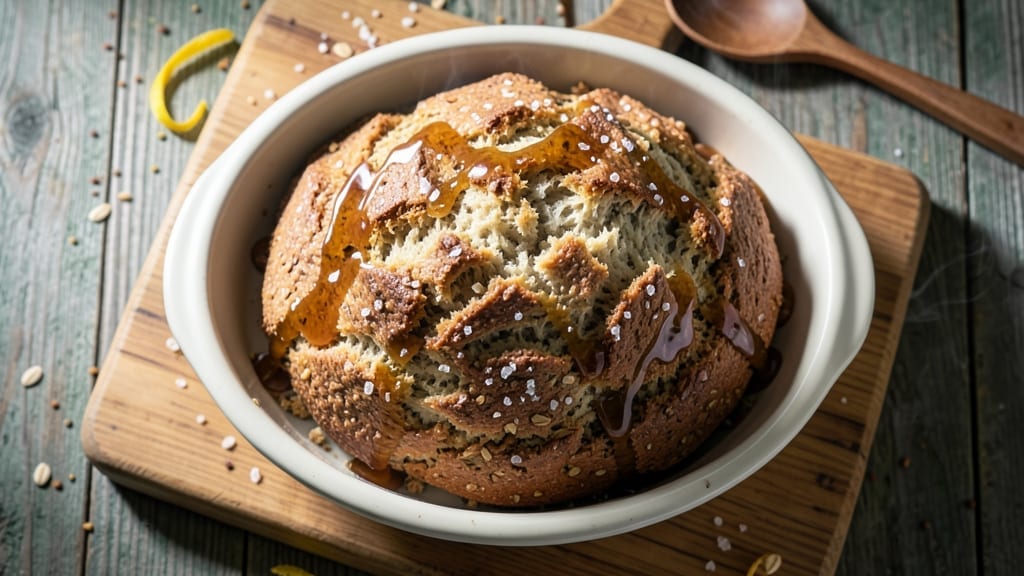
This 100% oat flour bread machine recipe delivers a wholesome, gluten-free loaf with a satisfying crust and tender crumb—perfect for vegan diets without sacrificing texture.
The beauty of using oat flour lies in its ability to create a hearty, nutty flavor while absorbing moisture beautifully, making it ideal for bread machine baking. Unlike traditional wheat-based breads, this recipe avoids gluten entirely while still achieving a sturdy structure through proper hydration and kneading in the machine.
The process is surprisingly straightforward: combine oat flour, water, plant-based oil, and a touch of sweetener (like maple syrup) in your bread machine pan, then let the machine handle the kneading and baking.
I recommend using a light oil like canola or avocado to keep the bread tender, and adding optional seeds (sunflower, flax, or chia) for extra nutrition and crunch. The bread machine’s built-in timer ensures even baking, eliminating guesswork while you focus on other tasks.
What you’ll end up with is a golden-brown loaf with a crisp exterior and soft, slightly dense interior—ideal for toast, sandwiches, or serving with soups. The oat flour gives it a distinct, earthy flavor that pairs well with savory toppings or a thin spread of vegan butter.
Best of all, this recipe is naturally gluten-free, making it accessible for those with dietary restrictions without compromising on taste or texture.
For even better results, let the bread cool completely before slicing to prevent a gummy crumb. Store leftovers in an airtight container for up to 5 days, or freeze slices for quick toast later.
The versatility of this recipe makes it a staple for any kitchen—whether you’re baking for a crowd or simply craving a wholesome, plant-based loaf.
Ingredients for 100 oat flour bread machine
Twelve wholesome ingredients for a gluten-free loaf that rivals classic wheat bread.
| Ingredient | Amount | Notes |
|---|---|---|
| Oat Flour 🌾 | 4 cups | Blended fine for smooth texture |
| Filtered Water 💧 | 1 ½ cups | Room temperature preferred |
| Avocado Oil 🫒 | ¼ cup | Light oil for tenderness |
| Pure Maple Syrup 🍯 | ⅛ cup | For subtle sweetness |
| Active Dry Yeast 🍞 | 1 tbsp | Ensures proper rise |
| Sea Salt 🧂 | 1 ½ tsp | Diamond Crystal preferred |
| Ground Flaxseed 🌰 | 2 tbsp | For omega-3 boost |
| Sunflower Seeds 🌻 | ¼ cup | Optional for crunch |
| Chia Seeds 🌱 | 2 tbsp | Optional for texture |
| Apple Cider Vinegar 🍏 | 1 tsp | Activates gluten-free rise |
| Ground Cinnamon 🌿 | ½ tsp | For warm depth |
| Vegan Butter 🧈 | 1 tbsp | Melted for crust |
Oat flour is the star here—Bob’s Red Mill or Quaker Old Fashioned are my go-tos, but any certified gluten-free oat flour works. The finer you grind it, the smoother your loaf will be. I always buy mine in bulk from Whole Foods or Amazon to save money. For the yeast, make sure it’s fresh—if it doesn’t foam within 5 minutes in warm water, toss it. The avocado oil keeps things tender without overpowering the oat flavor, and Trader Joe’s has the best price on a large bottle. Sunflower seeds add a nice crunch, but skip them if you’re making this for a crowd—chia seeds alone give enough texture.
No maple syrup? Agave nectar or date syrup works just as well. Running out of apple cider vinegar? White vinegar or lemon juice does the trick in a pinch. The flaxseeds are non-negotiable for binding, but if you’re allergic, chia seeds at double the amount will work. For extra richness, stir in 1 tbsp tahini with the oil. The cinnamon is optional but adds warmth—Penzeys sells it in bulk if you want to stock up. If your bread machine pan is nonstick, you can skip the vegan butter for the crust, but trust me on this—it makes all the difference for that golden-brown finish.
This loaf keeps beautifully—5 days in an airtight container at room temperature, or 3 months frozen in slices. To reheat, wrap slices in a damp paper towel and microwave for 15 seconds. For best results, let the bread cool completely before slicing—it firms up as it cools. Store leftovers in the freezer for quick toast; just pop a slice in the toaster straight from frozen. The seeds add shelf life, so don’t skip them if you want your bread to last longer.
Why You’ll Love This Recipe
- Five-Ingredient Magic: I swear, this bread comes together with just oat flour, water, avocado oil, maple syrup, and yeast—no fancy pantry trips or measuring chaos. The bread machine does all the heavy lifting while I sip my coffee, and honestly? That’s my kind of baking.
- Sweetly Nutty Crust: The maple syrup caramelizes into a golden crust with just the right chew, while the oat flour keeps it tender inside. It’s not too sweet—just enough to make every slice feel like a little treat without being cloying. (Yes, even my sugar-conscious brother asks for seconds.)
- Meal Prep MVP: This bread stays fresh for days, so I bake one batch on Sunday and use it for toast, sandwiches, or French toast all week. The oat flour’s natural density means it won’t turn stale overnight, and the avocado oil keeps it moist longer than store-bought loaves.
- Budget-Friendly Staple: Oat flour is a fraction of the cost of white flour, and maple syrup stretches further than honey or agave. I make two loaves for the price of one fancy artisanal bread—and they’re way more reliable for my picky eaters. (My kids think it’s “fancy bread.”)
Step-by-step instructions for whole-grain oat flour bread machine bread
Here’s how to transform your bread machine into a gluten-free powerhouse with this hearty, nutritious loaf.
Mix Wet Ingredients for Optimal Texture
In a medium bowl, combine the 1.5 cups filtered water, 0.25 cup avocado oil, 0.125 cup pure maple syrup, and 1 tbsp active dry yeast. Stir gently to dissolve the yeast completely—it should create a light foam within 5-10 minutes at room temperature. This activates the yeast and ensures proper rise later.
Add the 1 tsp apple cider vinegar and 1.5 tsp sea salt, then whisk until fully incorporated. The vinegar helps activate the gluten-free rise while balancing the sweetness. Let this mixture sit for 5 minutes while you prepare the dry ingredients—this gives the yeast time to begin working.
Blend Dry Ingredients for Smooth Dough
In a separate large bowl, whisk together the 4 cups oat flour, 2 tbsp ground flaxseed, 0.5 tsp ground cinnamon, 0.25 cup sunflower seeds, and 2 tbsp chia seeds. The oat flour should be finely ground—if it’s coarse, pulse it in a food processor briefly to ensure smooth texture. This prevents a gritty bite in your final loaf.
Make a well in the center of the dry mixture and pour in the wet ingredient mixture. Using a wooden spoon, gently fold everything together until just combined—you’ll see streaks of dry flour remaining. Overmixing develops gluten, which we’re avoiding in this gluten-free version. The dough will be thick and sticky, similar to wet sand.
Prepare the Bread Machine Pan
Lightly grease your bread machine pan with a thin layer of vegan butter, focusing on the corners and sides. This prevents sticking without making the crust overly greasy. Sprinkle a small handful of oat flour into the pan and tilt it to coat the bottom—this extra layer creates a non-stick barrier for our dense dough.
Transfer the dough to the prepared pan, pressing it down gently but firmly with a wet spatula. The dough should fill about ¾ of the pan—don’t overpack it. Leave the remaining space for expansion during baking. Cover the pan loosely with a clean kitchen towel to prevent a skin from forming while the machine preheats.
Select Machine Settings for Perfect Rise
Place the dough-filled pan into your bread machine and select the “Basic White Bread“ setting. This setting typically runs for about 3 hours and includes a kneading phase followed by baking. The machine will automatically mix, knead, and bake the dough—no need to intervene.
During the kneading phase, you’ll notice the machine works the dough vigorously. This helps develop structure in our gluten-free loaf. When the cycle completes, you’ll have a golden-brown loaf with a crisp crust and tender crumb. The bread will be slightly dense but packed with nutty oat flavor and satisfying texture.
Cool and Slice for Maximum Enjoyment
Remove the bread from the machine and transfer it to a wire rack to cool completely for at least 1 hour. This prevents the loaf from becoming gummy in the center. The bread will continue to firm up as it cools—this is normal and indicates proper starch gelatinization during baking.
Once cooled, slice the bread with a serrated knife for clean cuts. The interior should reveal a moist, slightly crumbly texture with visible flecks of sunflower and chia seeds. Store wrapped in a bread bag at room temperature for up to 3 days, or freeze slices for longer storage. This bread makes fantastic toast, French toast, or sandwiches—its nutty flavor pairs beautifully with savory and sweet toppings alike.
Pro Tips For Making 100 Oat Flour Bread Machine
- Bloom Yeast in Warm Water: DESCRIPTION:
- Sift Oat Flour First: DESCRIPTION:
- Don’t Overmix the Dough: DESCRIPTION:
- Brush Crust with Oil: DESCRIPTION:
Regional styles of this recipe
Scandinavian Oat Bread
In Sweden and Norway, oat flour has been a staple for centuries, often used in dense, hearty breads like Vetebröd. This version replaces traditional wheat with 100% oat flour, keeping the same rustic texture but with a lighter, nuttier flavor.
Swap the sunflower seeds for linseeds (flaxseeds) and add ½ tsp cardamom for that Scandinavian warmth. Serve with smoked salmon and vegan cream cheese for a breakfast staple. 🌍
Southern U.S. Sweet Oat Loaf
Down South, oat flour gets a sweet twist with cornmeal and molasses for a bread reminiscent of cornbread but with oat depth. Mix ½ cup fine cornmeal into the dry ingredients and replace the maple syrup with ¼ cup molasses.
Top with peanut butter and banana slices for a Southern-style snack. This version works perfectly in a bread machine and stays moist for days. 🍌
German Pumpernickel Style
For a denser, darker loaf inspired by Pumpernickel, add 1 tbsp cocoa powder and 1 tsp blackstrap molasses to the wet ingredients. Increase the oat flour to 4.5 cups for extra density.
Bake in a lightly oiled loaf pan (if your machine allows) for a classic German-style bread. Perfect with vegan liverwurst or apple slices. The molasses adds a deep, caramelized flavor. 🍞
Mexican-Style Sweet Bread
Give your oat flour bread a Mexican flair by adding 1 tsp cinnamon, ½ tsp vanilla extract, and ¼ cup raisins or chopped dates. Brush the cooled loaf with a mix of melted vegan butter and cinnamon for a Pan Dulce finish.
Serve warm with vegan coffee or hot chocolate for a cozy breakfast. The raisins add natural sweetness and chewiness. 🌶️
Japanese-Inspired Oat Flatbread
For a lighter, flatter version inspired by okonomiyaki, reduce the water to 1 cup and add 1 tbsp grated ginger and 1 tsp soy sauce to the wet mix.
Press the dough into a greased flatbread pan and bake on the “Dough” setting (or use the “Quick Bread” setting for 20 minutes). Top with vegan mayo, pickled ginger, and nori strips for a savory-sweet twist. 🍜
Italian Herb & Olive Oil Twist
Infuse your oat bread with Mediterranean flavors by adding 1 tbsp dried rosemary, 1 tsp dried thyme, and replacing avocado oil with extra-virgin olive oil. Brush the baked loaf with a mix of olive oil and balsamic vinegar before serving.
Pair with vegan pesto and roasted vegetables for an Italian-inspired meal. The herbs brighten the earthy oat flavor beautifully. 🌿
Nutrition facts
Frequently asked questions
Why does my oat flour bread turn out dense instead of light?
Oat flour absorbs more moisture than wheat flour, so the dough needs extra hydration. Use 1.5 cups water per 4 cups oat flour and let the bread machine’s kneading cycle fully develop the structure. If it’s still dense, try adding 1 extra tablespoon of oil to improve tenderness. The bread will firm up as it cools—this is normal!
Can I substitute oat flour with other gluten-free flours?
Yes, but results vary! For a 1:1 swap, try brown rice flour (add 1 extra egg or flax egg for binding) or buckwheat flour (adds earthy flavor). Mixing 50% oat flour with 50% sorghum flour also works well. Avoid almond flour—it lacks the moisture absorption needed for bread machine recipes. Always adjust liquids if your flour blend is drier.
How do I prevent the bread from sticking to the pan?
Grease the pan thoroughly with vegan butter, then dust with oat flour before adding dough. For stubborn sticking, try this trick: Sprinkle ½ tsp cornstarch into the pan after greasing. The machine’s kneading action will work the starch into the dough, creating a natural non-stick barrier. Let the bread cool 10 minutes in the pan before removing for easier release.
What’s the best way to revive stale oat flour bread?
Preheat your oven to 300°F and wrap the bread in aluminum foil. Heat for 10-15 minutes until warmed through. For extra crispiness, unwrap and toast in the oven for 2-3 more minutes. The oat flour’s natural oils make it more forgiving than wheat bread—it won’t dry out completely. Store slices in the freezer for quick reviving later!
Can I make this bread without a bread machine?
Mix all ingredients as directed, then let the dough rest 30 minutes before shaping into a loaf. Bake at 350°F for 45-55 minutes until golden. For better rise, place the dough in a greased loaf pan and let it proof 1 hour before baking. The texture will be slightly denser but still delicious. Use a thermometer—internal temp should reach 190°F.

- 3lb Prime Rib Roast Recipe: Juicy Pink Center Guaranteed in 3 Hours - October 31, 2026
- 5 Spice Cake Recipe: Warmly Spiced Layers With Crunchy Top - October 31, 2026
- 1950’s Macaroni and Cheese Recipe: Nostalgic Creamy Cheese Sauce with Buttery Noodles - October 31, 2026