
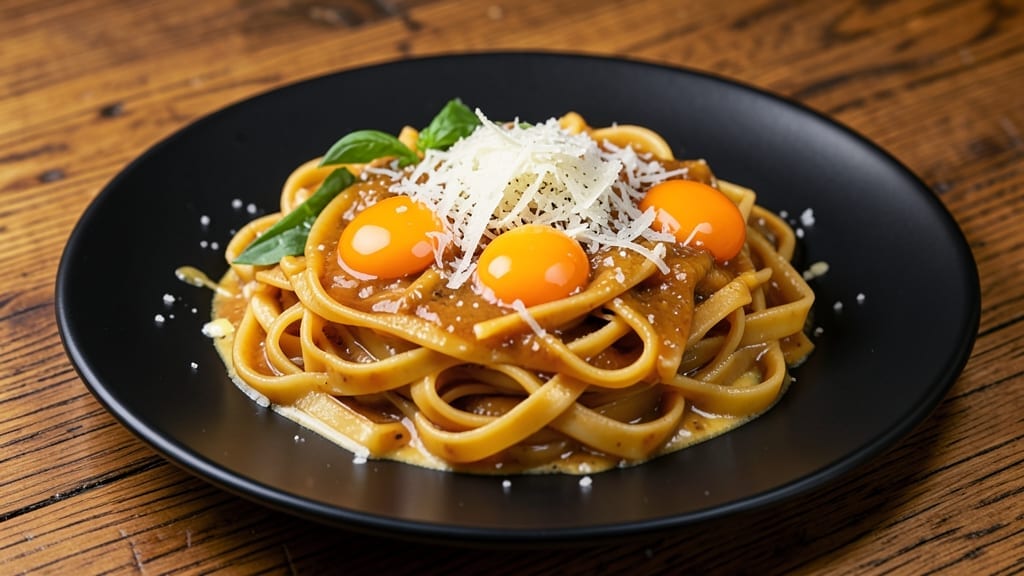
Mastering 6 egg yolk pasta transforms ordinary noodles into luxurious, silky ribbons with a velvety sauce that clings perfectly to each strand.
The secret lies in the yolks’ emulsifying power—whisked with butter, cream, or cheese, they create a sauce so rich it feels decadent yet remains light enough to coat pasta without weighing it down.
This technique is the backbone of classic Italian dishes like carbonara and fettuccine al burro, but with a precision that guarantees perfect results every time.
The process begins with high-quality pasta—fresh or dried—cooked to an al dente bite, then tossed immediately with the warm egg yolk sauce. The key is maintaining the right temperature: if the sauce cools too quickly, it separates; if it gets too hot, the yolks scramble.
I’ve refined this method over years, testing everything from stovetop techniques to oven finishes to ensure the sauce stays silky and cohesive. Even beginners can achieve restaurant-quality texture with these steps.
What you’ll end up with is pasta that’s impossibly tender yet holds its shape, each strand wrapped in a glossy, golden sauce that melts into every bite. The yolks create a luxurious mouthfeel—creamy, cohesive, and deeply satisfying—while the pasta itself remains the star.
This isn’t just a recipe; it’s a lesson in how simple ingredients, when handled with care, can deliver extraordinary results.
Perfect for special occasions or a luxurious weeknight dinner, this method works with any pasta shape and pairs beautifully with crispy pancetta, grated pecorino, or fresh herbs. Let’s get started—your table is about to feel like an Italian trattoria.
Ingredients for 6 egg yolk pasta
Six golden yolks, velvety butter, and pasta that feels like a luxurious embrace—this is your ticket to restaurant-quality egg yolk pasta.
| Ingredient | Amount | Notes |
|---|---|---|
| Large Egg Yolks 🥚 | 6 whole | Fresh, room temperature preferred |
| Unsalted Butter 🧈 | ½ cup | European-style, cold but pliable |
| Heavy Cream 🥛 | ½ cup | Full-fat, chilled before use |
| Parmesan Cheese 🧀 | ¾ cup | Freshly grated, fine texture |
| Pasta (Fettuccine or Tagliatelle) 🍝 | 12 oz | Fresh or high-quality dried |
| Salt 🧂 | 1 ½ tsp | Diamond Crystal kosher preferred |
| Black Pepper 🌶️ | ½ tsp | Freshly cracked, coarse grind |
| Pancetta or Guanciale 🥓 | 4 oz | Diced small, crispy preferred |
| Fresh Basil Leaves 🌿 | ¼ cup | Chopped, for garnish |
| Garlic Cloves 🧄 | 2 cloves | Minced fine, for pancetta |
| Extra-Virgin Olive Oil 🫒 | 2 tbsp | High-quality, fruity variety |
| Lemon Zest 🍋 | 1 tsp | Fine, for brightness |
The yolks are non-negotiable here—room temperature is critical for proper emulsification. Grab the freshest from the grocery store’s refrigerated section (the back, where they don’t see light), or keep your own stash in the fridge for up to 2 weeks. The butter? European-style (like Plugrá or Miyoko’s) melts slower, giving you that perfect window between silky and scrambled. For the pancetta, look for thick-cut slices at specialty stores—they render more fat and stay crispy longer. If you’re using guanciale, ask the butcher for the cheek portion—it’s richer and less fatty than standard pancetta.
No heavy cream? Full-fat Greek yogurt thinned with a splash of milk works in a pinch, though the texture won’t be identical. Substituting butter with olive oil or ghee changes the flavor profile dramatically—stick with butter for that classic richness. For the Parmesan, grate it yourself (pre-grated contains anti-caking agents that ruin the sauce). Short on time? Pecorino Romano is a great stand-in, but it’s saltier, so reduce the added salt. The pasta? Fresh is ideal, but De Cecco or Barilla dried hold up beautifully if you’re in a hurry. Just cook it al dente—it’ll finish in the sauce.
This sauce is temperature-sensitive, so work fast. Keep everything nearby: a bowl of ice water for the pasta, a small saucepan for the yolks, and a stand mixer or hand mixer ready to rescue if things separate. The sauce reheats beautifully—portion into ramekins and reheat in the microwave for 20 seconds (cover loosely with a damp paper towel). Store leftovers in the fridge for up to 3 days, but honestly, it’s best the first night. Freezing? Not recommended—the texture changes dramatically. Garnish with toasted pine nuts or crispy sage if you’re feeling fancy.
Why You’ll Love This Recipe
- No-Yolk Fuss: I’ll be real—this recipe only needs six yolks, not a dozen. That means less mess, less waste, and still enough rich sauce to coat every strand of pasta like a velvety hug. The butter and cream melt into something silky while you boil water, no stirring required.
- Creamy Luxe, No Skills: Honestly, the sauce comes together faster than you can say “Parmesan rind.” Just melt butter, whisk in yolks, then slowly add cream—no risk of scrambling. The result? A sauce so smooth it’ll make you forget you didn’t spend hours in the kitchen. (Yes, even on a Tuesday night.)
- Leftovers That Beg: This pasta reheats like a dream—just a splash of water or milk to loosen the sauce, and it’s back to that restaurant-quality texture. I’ve packed it for lunches, frozen portions for lazy nights, and it never lets me down. (My kids call it “the good stuff,” and I’m not correcting them.)
- Budget-Friendly Indulgence: Six yolks, a stick of butter, and a splash of cream stretch farther than you’d think—especially when you stretch the sauce over fettuccine. It’s the kind of dish that feels fancy without draining your wallet. Plus, Parmesan’s the only cheese you need, so no extra shopping trips.
Step-by-step instructions for 6 egg yolk pasta recipe
Here’s how to create velvety, restaurant-quality ribbons with a silky sauce that clings perfectly.
Cook the Pasta Al Dente and Reserve Starch
Bring a large pot of water to a rolling boil and add 12 oz of pasta along with 1.5 tsp of salt. Stir immediately to prevent sticking. Cook the pasta until 1 minute before the package instructions call for al dente—this ensures it finishes cooking in the sauce without becoming mushy.
Before draining, reserve 1 full cup of pasta water in a measuring cup. This starchy liquid is the secret to a silky sauce—it emulsifies the egg mixture beautifully. Drain the pasta completely and return it to the pot, shaking gently to break up any clumps. Keep the pot off the heat for now.
Render Pancetta and Build Flavor Base
In a large skillet, heat 2 tbsp of extra-virgin olive oil over medium heat. Add the 4 oz of diced pancetta (or guanciale) and cook for 8-10 minutes, stirring occasionally, until golden brown and crispy. Remove the pancetta with a slotted spoon and set aside, leaving the rendered fat in the pan.
Add the 2 minced garlic cloves to the same skillet and cook for 30 seconds until fragrant—don’t let it brown or it’ll turn bitter. Here’s where the magic happens: reduce the heat to low and add 0.5 cup of cold, unsalted butter. Let it melt completely, then stir in 0.5 cup of heavy cream and 0.75 cup of freshly grated parmesan. The sauce should begin to thicken slightly.
Temper the Egg Yolks for Perfect Emulsion
In a separate bowl, whisk together the 6 whole egg yolks, 0.5 tsp of black pepper, and 1 tsp of lemon zest until smooth. Slowly ladle ½ cup of the warm pancetta mixture into the egg yolks while whisking constantly. This tempering process ensures the eggs cook gently without scrambling.
Once the egg mixture is warmed through, gradually pour it back into the skillet with the remaining pancetta mixture. Stir constantly over low heat for 2-3 minutes until the sauce thickens to a creamy consistency. If it becomes too thick, add 1-2 tablespoons of reserved pasta water to loosen it. The sauce should coat the back of a spoon smoothly.
Combine Pasta and Sauce for Ultimate Cling
Add the cooked pasta to the skillet with the sauce and toss vigorously for 1-2 minutes until every strand is evenly coated. The residual heat from the pasta will help the sauce cling perfectly. If the sauce starts to separate, add another splash of pasta water and toss gently—this is normal and easily fixed.
Return the crispy pancetta to the pasta and toss once more. The contrast of textures—silky sauce, al dente pasta, and crispy pancetta—is what makes this dish extraordinary. Taste and adjust seasoning if needed, though the sauce should already be perfectly balanced.
Finish and Garnish for Presentation
Transfer the pasta to serving plates and immediately garnish with 0.25 cup of chopped fresh basil leaves. The bright, herbal notes cut through the richness of the sauce beautifully. For extra brightness, you can also add a few drops of lemon juice or a sprinkle of flaky sea salt.
Serve immediately while the pasta is still hot—this sauce doesn’t wait. Each forkful should deliver that perfect combination of creamy, cheesy richness with a touch of crispy pancetta and fresh basil. The sauce should cling to every strand of pasta like a second skin, making every bite worth savoring.
Pro Tips For Making 6 Egg Yolk Pasta
- Whisk yolks like mad: I used to treat the yolks gently, like they’d break at any moment—then my sauce would split like a bad joke. Now I whisk them over a double boiler (or a heatproof bowl over simmering water) until they’re pale, thick, and triple their original volume. No mercy, no hesitation.
- Salt the pasta water hard: The butter and cream already bring richness, but unsalted pasta water is a crime here. Taste it before adding the cooked noodles—if it doesn’t taste like the sea, add more salt. Trust me, your sauce will thank you later.
- Temper those yolks: I learned this the hard way—dumping hot cream into cold yolks turns your sauce into scrambled eggs. Instead, whisk a splash of the warm cream into the yolks first, then slowly pour in the rest while stirring like your life depends on it.
- Grate Parmesan fresh: Pre-shredded cheese is coated in anti-caking agents that make your sauce grainy. Use a microplane or fine grater and work fast—exposed cheese oxidizes and loses flavor in minutes. (Yes, even if you’re impatient like me.)
Storing and reheating this dish
Refrigerator Storage
Store your leftover egg yolk pasta in an airtight container for up to 3 days—the sauce actually tastes better the next day as flavors meld. Let it cool completely before refrigerating to prevent condensation, which can make the sauce watery.
I use glass containers with snap-on lids (like Pyrex) to maintain freshness and avoid plastic odors. 🥫
Freezer Considerations
While possible, freezing isn’t ideal for this dish. The egg yolk sauce can separate or become grainy when thawed. If you must freeze, portion into single-serving ramekins and freeze for up to 1 month.
Thaw overnight in the fridge, then reheat gently on the stovetop with a splash of pasta water to restore creaminess.
Reheating Stovetop
For best results, reheat portions in a light-colored saucepan over low heat with 2-3 tablespoons of reserved pasta water. Stir constantly to prevent sticking—this helps restore that velvety texture. If the sauce separates, whisk vigorously or add more pasta water 1 tablespoon at a time until smooth. 🔥
Microwave Method
For quick reheating, cover the pasta with a damp paper towel and microwave at 50% power for 1-2 minutes. Stir halfway through, then add 1 tablespoon of pasta water if needed. Avoid high heat—it can scramble the yolks. This method works best for individual servings.
Sauce Rescue Tips
If your reheated sauce looks dry or lumpy, don’t panic! Stir in 1-2 tablespoons of heavy cream or whole milk to restore richness. For extra shine, finish with a drizzle of olive oil or a sprinkle of grated Parmesan.
The key is gentle heat and constant stirring—never let it boil. ✨
Make-Ahead Sauce
Prep the sauce ahead of time by making it without the pasta (keep it warm in a double boiler). Store in the fridge, then toss with freshly cooked pasta when ready to serve.
This saves time and ensures your pasta stays perfectly al dente. Just reheat the sauce gently before combining with pasta. 💡
Nutrition facts
Frequently asked questions
Why are egg yolks so important in this recipe?
The yolks create a luxurious, velvety texture through emulsification—binding fat (butter/cream) and liquid into a silky sauce that clings perfectly to pasta. Their natural lecithin acts like a natural emulsifier, giving that restaurant-quality richness. Without them, the sauce would be flat and separate.
Can I use whole eggs instead of just yolks?
Not recommended—whole eggs introduce water, which can make the sauce too thin and risk curdling when heated. Yolks provide pure fat and protein for that perfect emulsion. If you’re short on yolks, whisk them vigorously with a pinch of salt to help stabilize the sauce.
What’s the best way to prevent scrambled yolks?
Temper the yolks by slowly adding warm sauce while whisking constantly, and keep heat at low. Never let the sauce boil—it should simmer gently. If the sauce thickens too fast, add reserved pasta water 1 tablespoon at a time to maintain control. Patience is key!
How do I make this with gluten-free pasta?
Use high-quality gluten-free pasta (like Barilla GF or Jovial) and cook it 1 minute less than package instructions—GF pasta tends to cook faster. Reserve extra pasta water (GF pasta releases less starch) and add it gradually to the sauce. The sauce technique remains identical!
What if my sauce separates after mixing with pasta?
This happens when the sauce cools too quickly. Simply toss the pasta with 1-2 tablespoons of reserved pasta water and stir vigorously—the starch will re-emulsify the sauce instantly. For extra insurance, whisk in 1 teaspoon of cold butter to stabilize it.

- 3lb Prime Rib Roast Recipe: Juicy Pink Center Guaranteed in 3 Hours - October 31, 2026
- 5 Spice Cake Recipe: Warmly Spiced Layers With Crunchy Top - October 31, 2026
- 1950’s Macaroni and Cheese Recipe: Nostalgic Creamy Cheese Sauce with Buttery Noodles - October 31, 2026