
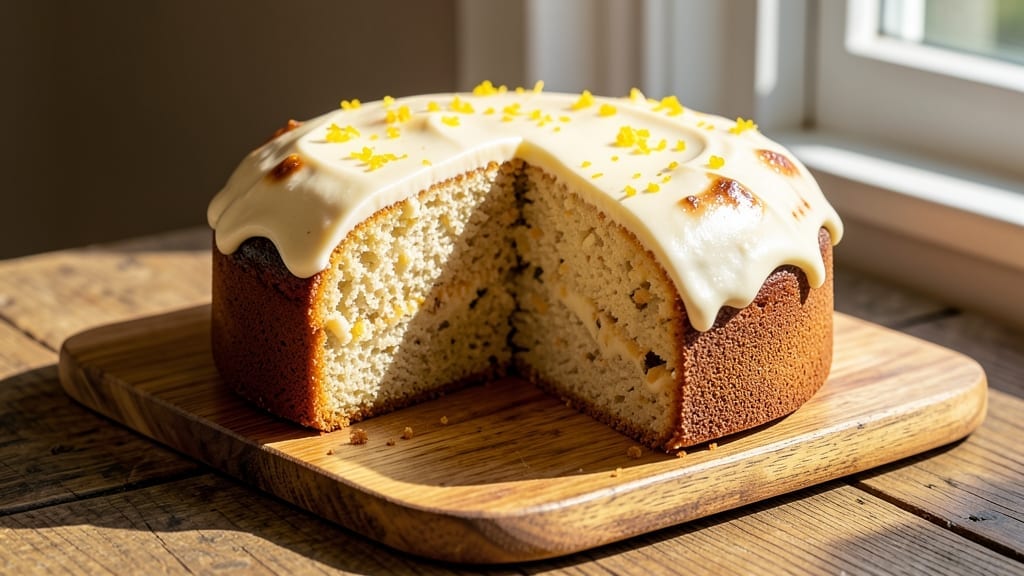
A 12-egg-yolk pound cake recipe delivers the kind of moist, rich texture that makes every slice feel like a special occasion. The secret lies in those extra yolks—packed with fat and natural emulsifiers, they create a tender crumb that stays fresh for days.
This recipe elevates the classic with bright citrus zest, cutting through the cake’s richness for a balanced bite.
The key to success is 325°F baking, which ensures even cooking without drying out the cake. Creaming butter and sugar until light and fluffy incorporates air, while folding in the egg yolks gradually prevents deflation.
Lemon or orange zest adds a subtle tang that brightens the vanilla notes in the batter.
What you’ll end up with is a golden, domed cake with a fine, moist crumb that crumbles just enough for perfect layering. The citrus zest infuses every bite with a zesty aroma, making it ideal for afternoon tea or dessert pairings.
Serve warm with powdered sugar or chilled with a dollop of whipped cream.
This cake keeps beautifully for up to 5 days in an airtight container, making it perfect for meal prep or gifting. The rich, buttery flavor and tender texture prove that a pound cake doesn’t have to be dry—just foolproof. Let’s bake it!
Ingredients for 12 egg yolk pound cake
Twelve yolks, two zests, and one ultra-moist pound cake. The secret to perfect texture is right here.
| Ingredient | Amount | Notes |
|---|---|---|
| Large Egg Yolks 🥚 | 12 whole | Room temperature preferred |
| Unsalted Butter 🧈 | 1 ½ cups | Cold, cubed for creaming |
| Granulated Sugar 🍚 | 2 ½ cups | Superfine preferred for smoothness |
| All-Purpose Flour 🌾 | 3 cups | Sifted, spooned lightly |
| Vanilla Extract 🌿 | 2 tsp | Pure vanilla preferred |
| Lemon Zest 🍋 | 1 tbsp | Freshly grated, fine |
| Orange Zest 🍊 | 1 tbsp | Freshly grated, fine |
| Baking Powder 🧂 | 1 tsp | Aluminum-free preferred |
| Salt 🧂 | ½ tsp | Fine sea salt |
| Heavy Whipping Cream 🥛 | ½ cup | Cold, for brushing |
| Powdered Sugar 🍚 | ¼ cup | For dusting |
The yolks are non-negotiable—room temperature is key for even mixing. Kirkland Signature or Land O’Lakes are reliable brands for consistent quality. Butter should be cold but not frozen—cut into cubes for better creaming. For zest, use organic lemons and oranges if possible; their thicker skins yield more flavor. The flour matters too—King Arthur or Bob’s Red Mill are my go-tos for reliable baking performance. Sift it before measuring to avoid dense layers.
No superfine sugar? Pulse regular granulated in a food processor for 30 seconds—it dissolves better. Substitute vanilla extract with vanilla bean paste for extra depth. For citrus zest, bottled zest works in a pinch, but fresh is brighter. The baking powder can be swapped for whisked egg whites if you’re avoiding aluminum, though the texture will differ slightly. If you’re short on yolks, add 2 tbsp melted butter per missing yolk to compensate for fat content.
Store the cake in an airtight container at room temperature for 2 days or refrigerated for 5 days. The domed top should be brushed with cream before dusting powdered sugar to seal in moisture. For longer storage, wrap tightly in plastic and freeze for up to 3 months. Reheat slices at 350°F for 5 minutes to restore freshness. The citrus notes intensify slightly when chilled, making it perfect for overnight prep.
Why You’ll Love This Recipe
- No Mixer Needed: I swear by this recipe when my mixer’s on strike—just cream the butter and sugar by hand until it’s light and fluffy. Twelve egg yolks do the heavy lifting, so the batter’s silky smooth with zero guesswork. (Yes, even my husband—who thinks “baking” means “burning”—can handle it.)
- Rich Without Overpowering: That first bite? Buttery, tender, and just sweet enough to make you pause. The yolks give it a velvety crumb, while the vanilla extract adds warmth without screaming “dessert.” Honestly, it’s the kind of cake that tastes like a hug—comfortable but never heavy.
- Weeknight Hero: Slice it warm with breakfast, pack it for lunch, or serve it chilled with tea—this cake adapts. I’ve fed a crowd with one pan, gifted slices to neighbors, and even used scraps for French toast. (Between us, the leftovers disappear faster than I can say “seconds.”)
- Budget-Friendly Luxury: Butter and eggs might sound fancy, but this recipe stretches them further than you’d think. Twelve yolks mean no wasted whites, and the flour-to-sugar ratio keeps costs low. Plus, it’s the kind of treat that makes you feel special without clearing out your wallet—like a secret splurge.
Step-by-step instructions for ultra-moist citrus pound cake
This method delivers a tender crumb with bright citrus notes and perfect texture every time.
Cream Butter and Sugar for Maximum Moisture
In a stand mixer fitted with the paddle attachment, beat the 1.5 cups unsalted butter and 2.5 cups granulated sugar on medium speed for 5-7 minutes. You’ll know it’s ready when the mixture lightens in color and nearly doubles in volume. This step incorporates air, which creates that signature tender crumb.
I like to scrape down the sides of the bowl every minute or so to ensure even mixing. The butter should be completely creamy with no graininess remaining. If using superfine sugar, this process will go even faster, but don’t rush it—proper creaming is what makes this cake ultra-moist.
Add Egg Yolks Gradually for Richness
Add the 12 whole large egg yolks, one at a time, mixing on low speed after each addition. This prevents the eggs from breaking and ensures they incorporate smoothly. After all yolks are added, mix on medium speed for 2-3 minutes until the mixture is thick and pale.
Here’s the thing—don’t skip this step. The slow incorporation prevents curdling and creates that luxurious, velvety texture. The mixture should be smooth with no streaks of egg remaining. If it looks too thin at this point, don’t worry—it will thicken as we add the dry ingredients.
Incorporate Dry Ingredients and Citrus Zest
In a separate bowl, whisk together the 3 cups all-purpose flour, 1 tsp baking powder, and 0.5 tsp salt. Gradually add this dry mixture to the wet ingredients, mixing on low speed just until combined. You should still see some flour streaks—overmixing develops gluten and makes the cake tough.
Once the dry ingredients are incorporated, stir in the 1 tbsp lemon zest, 1 tbsp orange zest, and 2 tsp vanilla extract using a silicone spatula. The citrus zest adds that bright, aromatic twist that makes this cake special. Make sure the zest is finely grated and evenly distributed throughout the batter.
Bake for Perfect Texture and Flavor Development
Preheat your oven to 350°F and grease two 9-inch round cake pans with butter or baking spray. Divide the batter evenly between the pans. Bake for 30-35 minutes or until a toothpick inserted into the center comes out clean. The cake should spring back when gently pressed in the center.
I always check for doneness at the 25-minute mark—your oven might run hot, so start checking early. The cake should be golden on top but not browned. If the top browns too quickly, tent loosely with foil after the first 15 minutes of baking.
Brush and Dust for Ultimate Moisture
Remove the cakes from the oven and let them cool in the pans for 10 minutes. Then transfer them to a wire rack. While still warm, brush the tops with the 0.5 cup cold heavy whipping cream using a pastry brush. This creates a glossy finish and adds extra moisture.
Once completely cooled, dust the tops generously with the 0.25 cup powdered sugar using a fine-mesh sieve. This not only adds a beautiful presentation but also helps preserve moisture. The cream brushing and powdered sugar dusting are what take this cake from good to extraordinary—don’t skip these final steps.
Pro Tips For Making 12 Egg Yolk Pound Cake
- Whisk Yolks Like Your Cake Depends On It: Beat those 12 yolks until they’re pale, thick, and triple their volume—about 5 minutes with a hand mixer. I learned the hard way that skipping this step means a dense cake, no matter how much you cream the butter. (Yes, even if your arm gets tired.)
- Use Room-Temp Butter: Take your butter out 2 hours before baking—no excuses. Cold butter won’t mix smoothly with sugar, and you’ll end up with tiny pockets of unmelted fat. I used to microwave it, but that adds moisture; just leave it on the counter.
- Fold Flour Gently: Dump the flour all at once and fold just until combined—overmixing develops gluten and turns your tender cake into a dry brick. Use a spatula and cut through the batter like you’re untangling headphones.
- Bake at 325°F, Not Higher: This isn’t a race. A 325°F oven gives even baking without a domed top or dry edges. I burned my first batch at 350°F—now I set the timer for 50-60 minutes and check at 45. A toothpick with moist crumbs (not wet batter) is your goal.
Troubleshooting great 12 egg yolk pound cake
Cracked Egg Yolks
If you notice any cracked yolks during mixing, don’t panic! Simply whisk the batter gently with a silicone spatula to redistribute the yolk evenly. The cake will still bake perfectly—just avoid overmixing once the dry ingredients are added.
For extra insurance, strain the batter through a fine-mesh sieve before pouring into pans to catch any stray bits. 🥚
Dense or Dry Texture
Overmixing after adding flour is the #1 cause of dense cakes. Mix just until combined—you should still see small flour streaks. If your cake turns out dry, try adding 1 extra tablespoon of heavy cream to the batter next time.
Also ensure your butter isn’t melted—it should be cold but pliable when creamed. The 12 yolks provide enough fat to keep it moist, but proper technique matters most.
Uneven Baking
Hot spots in your oven can cause uneven baking. Rotate your pans halfway through baking (around 17-18 minutes in a 350°F oven) to ensure even heat distribution. If one cake browns faster, tent it with foil while keeping the other uncovered.
For extra insurance, use an oven thermometer to confirm your oven’s actual temperature—many run 25°F hotter than set.
Sunken Center
A sunken center usually means the cake was underbaked or the oven temperature fluctuated. Check for doneness with a toothpick at 25 minutes—it should come out with a few moist crumbs, not wet batter.
If your cake sinks after baking, it may have been overmixed or the flour wasn’t sifted properly. Next time, weigh your flour instead of scooping to ensure accuracy. The baking powder needs proper distribution for lift!
Citrus Zest Too Strong
If the citrus flavor overpowers the cake, reduce zest to ½ tbsp per citrus type next time. For a more balanced flavor, try infusing the butter with zest instead—mix 1 tbsp zest into the 1.5 cups cold butter before creaming.
This distributes the flavor more evenly. Always use freshly grated zest for the brightest, most aromatic results without bitterness.
Sticky or Gummy Cake
This often happens when the cake isn’t fully baked or the sugar wasn’t dissolved properly. Make sure your sugar is fully incorporated during the creaming stage—it should look like wet sand. For extra insurance, bake 5 minutes longer if the toothpick test is questionable.
If your cake still feels gummy, try brushing with an additional 1 tbsp heavy cream while warm to help set the texture. 💫
Nutrition facts
Frequently asked questions
Why use 12 egg yolks instead of whole eggs?
Those extra yolks create an ultra-rich, moist crumb by adding fat and natural emulsifiers. The 12 yolks provide 3x more fat than whole eggs, resulting in a tender texture that stays fresh for days. Plus, they enhance the cake’s golden color and buttery flavor without adding extra liquid.
Can I substitute butter with oil?
Not recommended for this recipe—the butter’s fat content is essential for moisture and flavor. If you must substitute, use an equal amount of melted butter (not oil) to maintain texture. For a lighter version, you could replace ½ cup butter with applesauce, but the cake will be slightly less rich.
How do I store leftovers?
Wrap tightly in plastic wrap, then place in an airtight container. Keeps at room temperature for 2 days or refrigerated for 5 days. For longer storage, freeze slices for up to 3 months. Thaw overnight in the fridge and reheat at 350°F for 5 minutes to restore freshness.
What’s the best way to slice this cake?
Use a serrated knife warmed under hot water, then wiped dry. Dip the knife in flour or dust with powdered sugar between slices to prevent sticking. For clean cuts, slice while the cake is still slightly warm (after 1-2 hours of cooling). The citrus zest adds natural moisture, so the crumb stays intact.
Can I make this cake in a different pan shape?
Yes, but adjust baking time accordingly. For a 9×13-inch pan, bake 25-30 minutes at 350°F (cover loosely with foil if browning too fast). For a bundt pan, reduce baking time to 20-25 minutes. Always check with a toothpick—underbaking is worse than overbaking for this recipe.

- 3lb Prime Rib Roast Recipe: Juicy Pink Center Guaranteed in 3 Hours - October 31, 2026
- 5 Spice Cake Recipe: Warmly Spiced Layers With Crunchy Top - October 31, 2026
- 1950’s Macaroni and Cheese Recipe: Nostalgic Creamy Cheese Sauce with Buttery Noodles - October 31, 2026