
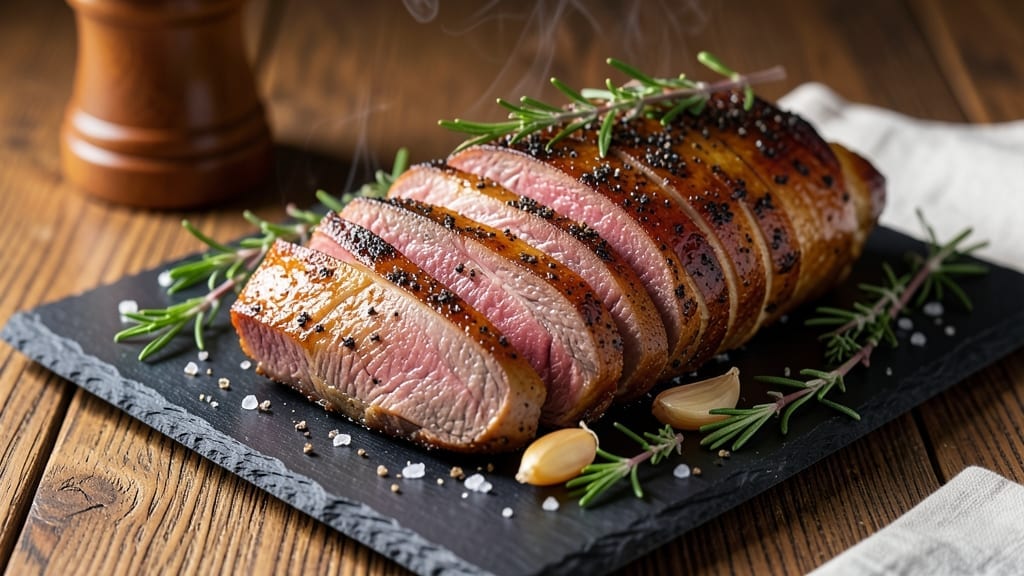
A 12 lb rib roast transforms any meal into a centerpiece—juicy, tender, and packed with flavor that impresses even the most discerning guests. This low-and-slow method ensures a perfectly cooked roast with a rich crust and melt-in-your-mouth texture, no matter your skill level.
The secret lies in precise seasoning, controlled heat, and patience—key elements that elevate this classic dish from good to unforgettable.
To achieve showstopping results, we’ll focus on a foolproof technique that includes a dry brine for enhanced flavor and a high-heat sear for a caramelized exterior. The roast will rest at a steady 250°F until it reaches the ideal internal temperature, whether you prefer medium-rare or medium.
This approach guarantees tender slices every time, with minimal effort and maximum impact.
Once cooked, slicing the roast against the grain delivers restaurant-quality results, while a simple pan sauce ties everything together. Pair it with roasted potatoes, glazed carrots, or a fresh green salad to complete the meal. The best part? Leftovers reheat beautifully, making this recipe perfect for gatherings or meal prep.
Whether you’re hosting a holiday feast or treating yourself to a special dinner, this 12 lb rib roast delivers consistent, professional-quality results. Let’s get started with the steps that will make your roast the star of the table.
Ingredients for 12 lb rib roast
Twelve pounds of prime rib transforms any meal into a showstopping centerpiece.
| Ingredient | Amount | Notes |
|---|---|---|
| Prime Rib Roast (Ribeye) 🥩 | 12 lb | Bone-in, center-cut for tenderness |
| Kosher Salt (Diamond Crystal) 🧂 | 2 tbsp | Coarse grain for dry brine |
| Freshly Ground Black Pepper 🌶️ | 1 ½ tbsp | Cracked peppercorns preferred |
| Fresh Thyme Sprigs 🌿 | 4 whole | Stems removed for garnish |
| Fresh Rosemary Sprigs 🌿 | 4 whole | Woody stems trimmed |
| Garlic Cloves 🧄 | 8 cloves | Smashed for infusion |
| Unsalted Butter 🧈 | ½ cup | Cold, cubed for sear |
| Yellow Onion 🧅 | 1 whole | Large, sliced for pan sauce |
| Red Wine 🍷 | 1 cup | Bold, dry variety like Cabernet |
| Beef Stock 🥘 | 1 cup | Homemade preferred |
| All-Purpose Flour 🌾 | 1 tbsp | For sauce thickening |
| Fresh Parsley 🌿 | ¼ cup | Chopped for garnish |
The rib roast is the star, so prime or choice grade is non-negotiable—look for good marbling at your local butcher or Costco for bulk purchases. A center-cut bone-in roast stays juicier than boneless options. I always ask for the roast to be trimmed of excess fat but left with a thin layer for flavor. For the dry brine, use Diamond Crystal kosher salt—it dissolves better than table salt and enhances the beef’s natural flavors. Fresh herbs make all the difference: Whole Foods or a local farmers market are great for vibrant rosemary and thyme. The garlic should be firm and free of sprouts—Trader Joe’s sells great bulbs year-round.
No fresh rosemary? Dried works at one-third the amount, but fresh is ideal. Running out of red wine? Beef stock with a splash of balsamic vinegar works in a pinch. For the butter, Plugrá or Land O’Lakes unsalted are reliable choices. The beef stock can be store-bought, but homemade elevates the pan sauce dramatically. If you’re short on time, pre-sliced onions from the grocery store work fine—just pat them dry before cooking. The flour should be all-purpose, not cake flour—it thickens the sauce properly. For extra richness, add a splash of beef drippings to the pan sauce at the end.
The roast stays fresh for 3-4 days in the fridge, wrapped tightly in butcher paper. For longer storage, vacuum-seal portions and freeze for up to 6 months. The pan sauce can be made ahead and reheated gently. I always portion leftovers into individual servings—glass containers keep slices from drying out. For reheating, warm slices in a 350°F oven for 10-15 minutes with a splash of broth for moisture. The herbs and garlic can be prepped a day ahead and stored in the fridge.
Why You’ll Love This Recipe
- No-Fuss Prep: I swear, this roast needs just four things—salt, pepper, thyme, and rosemary. That’s it. No marinades, no fancy rubs, just a quick sprinkle before the oven. Honestly, I’ve made it while still wearing my pajama pants.
- Butter Melts Magic: Here’s what sold me—the way the fat renders and baste itself into the meat while it roasts. That crispy crust? Pure satisfaction. And the rosemary? It smells like a holiday dinner, even on a Tuesday.
- Leftovers for Days: Between us, this roast feeds my family for weeks. Slice it thin for sandwiches, dice it for hash, or just reheat a portion straight from the fridge. My kids still ask for it when they’re grown.
- Weekend Hero: This is my go-to for game days, birthdays, or when I’m too tired to cook. One pan, one temperature, and zero stress. The only thing harder than making it is deciding who gets the last slice.
Step-by-step instructions for perfectly cooked prime rib roast
Here’s how to transform your 12 lb rib roast into a showstopping centerpiece.
Prepare and Season the Prime Rib
First, remove the roast from the refrigerator and let it sit at room temperature for 1 hour. This ensures even cooking throughout. Pat the roast completely dry with paper towels—moisture is the enemy of that perfect crust we’re after.
Next, generously season both sides of the prime rib with the 2 tbsp kosher salt and 1.5 tbsp freshly ground black pepper. Press the seasoning firmly into the meat so it adheres well. Then, insert the 4 whole fresh thyme sprigs and 4 whole fresh rosemary sprigs into the roast, spacing them evenly along the surface. This creates beautiful flavor pockets as it cooks.
Place the seasoned roast on a rack set inside a roasting pan. This allows heat to circulate evenly around all sides, preventing any soggy spots. Let it rest at room temperature for another 30 minutes before roasting—this final step ensures the meat cooks uniformly from edge to center.
Sear the Roast for Maximum Flavor
Preheat your oven to 450°F for a high-heat sear. While the oven heats, place the 0.5 cup unsalted butter in a small saucepan over low heat until melted. Remove from heat and stir in the 8 smashed garlic cloves—this creates a fragrant garlic butter for basting.
Once the oven reaches temperature, place the seasoned prime rib on the middle rack. Roast for 15 minutes to create a deep golden-brown crust. After 10 minutes, brush the roast with half of the garlic butter. This basting step adds incredible flavor and helps develop that coveted crust.
Here’s the thing—don’t be tempted to move the roast around during this initial sear. Let it sit undisturbed so it develops an even crust on all sides. You’ll know it’s ready when the crust is deep golden brown and the internal temperature reaches 125°F.
Low-and-Slow Cooking to Perfection
After the initial sear, reduce the oven temperature to 325°F. This lower temperature allows the roast to cook slowly and evenly, which is crucial for achieving that melt-in-your-mouth tenderness. Return the roast to the oven and cook for approximately 2 to 2.5 hours, or until the internal temperature reaches 130-135°F.
I recommend checking the temperature after 2 hours—every oven runs slightly differently. The roast should feel firm but still have a bit of springiness when pressed gently with your finger. If it’s not quite there, return it to the oven for another 15-20 minutes.
During the final 30 minutes of cooking, baste the roast with the remaining garlic butter every 15 minutes. This keeps the surface moist and adds layers of flavor. The aroma filling your kitchen at this point is worth the wait—trust me, it’s incredible.
Create the Pan Sauce
Once the roast reaches the desired internal temperature, remove it from the oven and transfer it to a warm platter. Tent loosely with aluminum foil and let it rest for 15-20 minutes—this resting period is crucial for redistributing the juices throughout the meat.
While the roast rests, place the roasting pan on the stovetop over medium-high heat. Add the 1 whole yellow onion, sliced into thin rounds, and cook for 3-4 minutes until lightly caramelized. Then, pour in the 1 cup red wine and scrape up all those beautiful browned bits from the bottom of the pan—this is where all the flavor lives.
Simmer the wine for 3-4 minutes until reduced by half. Stir in the 1 cup beef stock and 1 tbsp all-purpose flour, whisking constantly to create a smooth sauce. Let it simmer for another 5-6 minutes until thickened to your desired consistency. The sauce should coat the back of a spoon but still be pourable.
Serve with Style
After the resting period, carefully slice the prime rib against the grain into 1-inch thick slices. Arrange the slices on a warm platter and ladle the pan sauce generously over the top. Garnish with the chopped 0.25 cup fresh parsley for a pop of color and freshness.
Serve immediately with your favorite sides—roasted potatoes, creamed spinach, or a simple green salad all pair beautifully. The prime rib should be juicy, tender, and bursting with flavor in every bite. Each slice should have that perfect crust on the outside and melt-in-your-mouth tenderness on the inside.
Real talk: this is the kind of dish that makes people ask, “What’s for dinner?” before they even see it. The aroma alone will have your guests gathering around the table. Enjoy your masterpiece!
Pro Tips For Making 12 Lb Rib Roast
- Sear in Stages: Start with the rib roast on the hottest part of your oven or grill—no, really, max it out—until you get deep golden crusts. Then pull it down to 275°F (135°C) for the slow cook. I used to rush this step, and the crust never formed properly. Patience here means flavor.
- Salt Like a Chef: Diamond Crystal salt is lighter—use about 1.5 times more than you’d use with table salt. Generously coat the roast two days ahead (yes, really) and let it dry out in the fridge. This isn’t just seasoning; it’s the crust’s foundation.
- Skip the Thermometer?: No, don’t. A meat thermometer is your only friend here. For medium-rare, pull it at 115°F (46°C) internal temp—it’ll rise to 120°F (49°C) while resting. I learned this the hard way after overcooking a $200 roast because I guessed.
- Herb Placement Matters: Tuck thyme and rosemary sprigs underneath the roast, not just on top. The fat will baste them, infusing the meat with aroma as it cooks. I was skeptical until I tried it—now I never skip it. (Pro move: Tie them loosely with kitchen twine.)
Perfect pairings for these flavors
Classic Sides
Roasted garlic mashed potatoes take center stage as the ultimate companion to prime rib. Use Yukon Gold potatoes boiled until tender, then mashed with ½ cup unsalted butter, ½ cup warm whole milk, 3 minced garlic cloves, and ½ cup grated Parmesan.
Season with 1 tsp kosher salt and ½ tsp black pepper for a creamy, flavorful base. 🥔
For a touch of elegance, duchesse potatoes—thinly sliced and baked until crispy—add a sophisticated texture contrast. Toss 1 lb baby potatoes in 2 tbsp olive oil, 1 tsp smoked paprika, and ½ tsp salt, then roast at 400°F for 30 minutes until golden and tender.
Vegetable Pairings
Honey-glazed carrots bring natural sweetness that complements the richness of the roast. Toss 1 lb carrots in 2 tbsp melted butter, 1 tbsp honey, and ½ tsp thyme, then roast at 375°F for 25 minutes. A sprinkle of toasted pecans adds crunch and visual appeal.
Creamed spinach with a hint of nutmeg is a luxurious side that balances the hearty roast. Sauté 1 lb fresh spinach in 2 tbsp butter, then stir in ½ cup heavy cream, ¼ cup grated Gruyère, and a pinch of nutmeg. Simmer until thickened and serve warm.
Bread and Extras
A crusty baguette or sourdough loaf is perfect for soaking up those delicious pan sauce drippings. Toast slices until golden and serve with herbed butter—mix ¼ cup softened butter with 1 tbsp chopped parsley, 1 tsp chopped chives, and a pinch of garlic powder.
For a lighter option, asparagus spears roasted with lemon zest and olive oil add brightness. Toss 1 bunch asparagus in 2 tbsp olive oil, 1 tsp lemon zest, and ½ tsp sea salt, then roast at 400°F for 12-15 minutes until tender-crisp.
Dessert Harmony
Balance the richness of prime rib with a dark chocolate dessert, like chocolate-dipped strawberries or chocolate mousse. The bitterness of 70% dark chocolate cuts through the meal’s richness, while the creaminess of mousse adds a velvety finish. 🍫
For a seasonal twist, apple compote with cinnamon and vanilla offers a warm, fruity contrast. Simmer 4 peeled apples with ¼ cup apple cider, 1 tbsp brown sugar, and ½ tsp cinnamon until tender, then mash slightly for a rustic touch.
Nutrition facts
Frequently asked questions
How long does a 12 lb rib roast take to cook?
The total cooking time for a 12 lb rib roast is approximately 2.5 to 3 hours using the low-and-slow method. This includes 15 minutes for the initial high-heat sear at 450°F and 2 to 2.5 hours at 325°F until it reaches an internal temperature of 130-135°F. Every oven varies, so use a meat thermometer for accuracy!
What internal temperature should a rib roast reach?
For medium-rare, aim for 130°F (about 125°F for rare). For medium doneness, target 135°F. The roast will rise 5°F while resting, so pull it out just before reaching your desired temperature. Pro tip: Insert the thermometer into the thickest part of the meat, avoiding the bone.
Can I cook a rib roast without a rack in the pan?
Technically yes, but using a rack is ideal for even heat circulation and crispy edges. Without one, the roast may steam slightly, leading to soggy spots. If you don’t have a rack, place the roast on a bed of chopped vegetables (like onions or carrots) to elevate it slightly and improve airflow. Just don’t skip the rack if you want that perfect crust!
How do I reheat leftover rib roast?
Slice leftovers into ½-inch thick portions and reheat in a 350°F oven for 10-15 minutes with a splash of beef broth to keep them moist. For quick reheating, use the microwave on 50% power for 1-2 minutes, but oven reheating preserves texture better. Never reheat to above 165°F to avoid drying out the meat.
What’s the best way to carve a rib roast?
Always slice against the grain—look for the direction of the muscle fibers—and cut into ½ to 1-inch thick slices for even texture. Start at the bone and work outward to avoid tearing. For a clean presentation, use a sharp chef’s knife and wipe the blade between cuts. The grain runs diagonally on rib roasts, so slicing perpendicular creates the most tender bites!

- 6 Egg Cake Recipe with Oil: Light as Air With Buttery Moisture - October 4, 2026
- 4 Bean Casserole Recipe: One-Pan Heartiness With Smoky Paprika Depth - October 4, 2026
- 3-Ingredient Keto Mug Cake Recipe: Microwave Magic in 2 Minutes - October 4, 2026