
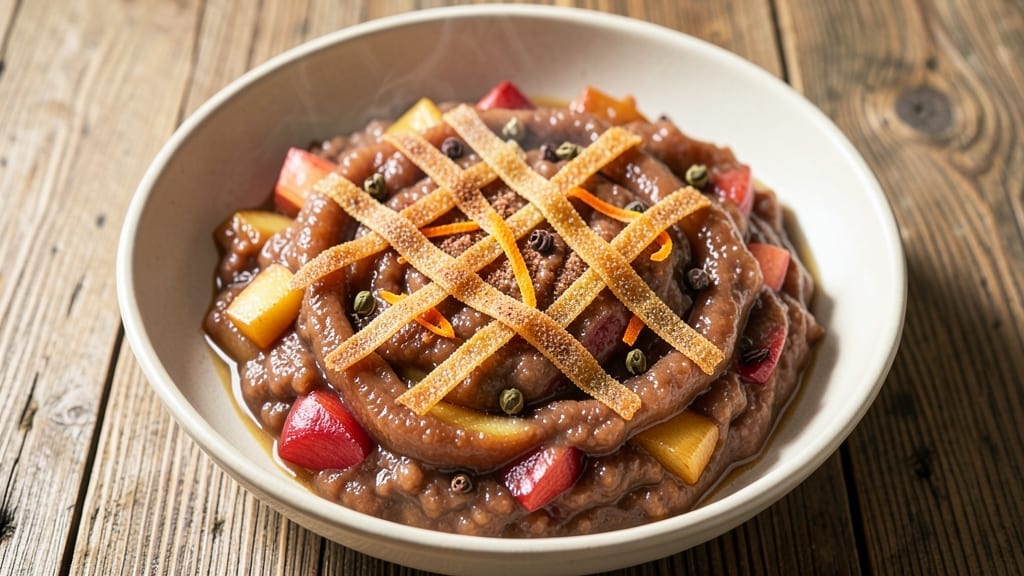
Creating a 5-gallon apple mash transforms ordinary apples into a versatile, slow-simmered base for cider, cocktails, or baked goods—perfect for large gatherings. The key lies in proper peeling, cooking, and straining techniques that preserve flavor while scaling efficiently. This method ensures a smooth, aromatic mash ready for fermentation or immediate use in recipes.
Start with 10 pounds of apples (a mix of sweet and tart varieties works best), peeled and chopped into even pieces for consistent cooking. A large stockpot or food-grade bucket handles the volume, while a fine-mesh strainer or cheesecloth ensures a silky texture.
Simmering gently—never boiling—preserves natural sweetness and prevents bitterness, resulting in a rich, spiced apple base that’s far superior to store-bought alternatives.
Optional spices like cinnamon, cloves, or orange peel add depth, while sugar adjustments balance acidity for cider or desserts. The mash yields about 5 gallons of liquid, perfect for fermenting into hard cider or using in drinks like apple martinis.
For baked goods, reduce it further to a thick purée for pies, muffins, or sauces.
This recipe scales seamlessly for events, and leftovers store well in the fridge for up to a week or freeze for months. Whether you’re crafting cider, cocktails, or desserts, this foolproof method delivers professional-quality results at home.
Ingredients for 5 gallon apple mash
Ten pounds of apples transform into five gallons of aromatic mash—perfect for cider, cocktails, or baking.
| Ingredient | Amount | Notes |
|---|---|---|
| Apples (mix of sweet and tart varieties) 🍎 | 10 lb | Peeled, cored, chopped into even pieces |
| Water 💧 | 7 cups | Enough to cover apples during simmering |
| Granulated Sugar 🍚 | 2 cups | Adjust based on apple sweetness |
| Ground Cinnamon 🌿 | 2 tbsp | For warm spice depth |
| Whole Cloves 🌶️ | 10 whole | Lightly crushed for aroma |
| Orange Peel 🍊 | 1 tbsp | Finely grated, no white pith |
| Lemon Juice 🍋 | ½ cup | Freshly squeezed, balances sweetness |
| Salt 🧂 | 1 tsp | Kosher or sea salt preferred |
| Large Stockpot or Food-Grade Bucket 🍲 | 1 whole | Minimum 6-quart capacity |
| Fine-Mesh Strainer or Cheesecloth 🧼 | 1 whole | For silky texture |
The apples are the foundation—mix sweet and tart varieties like Honeycrisp and Granny Smith for balance. Local orchards or grocery store bins often have bulk deals, but avoid bruised fruit. Peel and chop into even 1-inch pieces for consistent cooking. A 6-quart stockpot works for 10 pounds, but if you’re scaling up, a food-grade bucket is ideal—just ensure it’s deep enough to prevent spills during simmering. The orange peel and cinnamon add complexity, so don’t skip them unless you’re making a neutral base for savory dishes.
No orange peel? Lemon zest at double the amount works in a pinch, though it’s less floral. Short on cloves? Allspice berries or a pinch of nutmeg add warmth. The sugar is flexible—taste as you go, but start with 2 cups for 10 pounds of apples. For a drier mash (like for baking), reduce water by 2 cups; for a wetter version (like for cider), add 1 more cup. If you’re making this for fermenting, sterilize your equipment—sanitize the pot and strainer with boiling water before use.
Store the mash in clean, airtight containers in the fridge for up to 1 week or freeze for 6 months. For long-term storage, portion into quart-sized jars—they’re perfect for single batches of cider or cocktails. The mash thickens as it cools, so stir before using. If you’re fermenting, transfer to a food-safe carboy within 24 hours to prevent contamination. Leftovers? Blend with a splash of water to reset texture for pies or sauces.
Why You’ll Love This Recipe
- No-Peel Hassle: I swear by this trick—just quarter the apples, no peeling, no fuss. The skins add texture, and honestly? The cinnamon and cloves mask any bitterness anyway. Five minutes of chopping, and you’re done.
- Spiced Perfection: That balance of sweet Honeycrisp and tart Granny Smith, simmered with just enough sugar to caramelize, then kissed with cinnamon and cloves? It’s like autumn in a pot—warm, deep, and impossible to resist. (Yes, even on a Tuesday night.)
- Party in a Pot: This makes enough to feed a crowd, but the best part? It’s the star of anything—drizzled over pancakes, stirred into oatmeal, or served with ice cream. My go-to for game day, book club, or just because I’m feeling generous.
- Fridge Goldmine: Make a batch on Sunday, and you’ve got a week’s worth of cozy sides. It reheats beautifully—just add a splash of water if it’s too thick—and tastes just as good cold in yogurt or on toast. Budget-friendly? Absolutely. Waste-free? Even better.
Step-by-step instructions for slow-simmered apple mash
Transforming humble apples into a velvety spice-infused mash is pure alchemy—here’s how to do it right.
Prepare the Apples for Even Cooking
Start by peeling, coring, and chopping the 10 lb apples into even ½-inch pieces. I use a mandoline for consistency, but a sharp chef’s knife works too. The goal is uniform chunks that will soften at the same rate. Place them in a large bowl and toss with the 0.5 cup lemon juice—this prevents browning while adding bright acidity that balances the sweetness.
Next, transfer the apples to the large stockpot or food-grade bucket. Add the 7 cups water and 1 tsp salt, then bring to a boil over medium-high heat. Once boiling vigorously, reduce to medium-low heat and let the apples simmer uncovered for 15 minutes. You’ll see the water turn cloudy as starches release—this is exactly what we want for that silky texture later.
Build the Spice Infusion
While the apples cook, prepare the spice blend in a small bowl. Lightly crush the 10 whole cloves with the flat side of a knife—just enough to release their aroma without turning to powder. Add the 2 tbsp ground cinnamon, 1 tbsp finely grated orange peel (no white pith), and 2 cups granulated sugar. Mix well to distribute the spices evenly.
After the apples have simmered for 15 minutes, add the spice mixture and stir gently. The sugar will begin to dissolve immediately, but don’t worry if a few grains remain—they’ll melt as we continue cooking. Return the heat to medium-low and let the mixture simmer uncovered for another 20 minutes, stirring occasionally. The apples should be soft enough to mash with a fork at this point, but still hold some structure.
Simmer to Perfection and Strain
Continue simmering for an additional 15-20 minutes until the apples are completely tender and the mash reaches a thick, pudding-like consistency. You’ll know it’s ready when a spoonful left to cool for 1 minute holds its shape but still feels warm to the touch. Taste and adjust sweetness if needed—some tart apples may need an extra ¼ cup sugar at this stage.
Remove the pot from heat and let it sit for 5 minutes to allow the flavors to meld. Then, line the fine-mesh strainer or cheesecloth over a large bowl and carefully pour the hot mash through, pressing gently with a wooden spoon to extract every last drop of liquid. The result should be a smooth, velvety purée with just the right amount of spice-infused apple essence.
Finish and Serve Warm
Return the strained mash to the pot and stir in any remaining cooking liquid if you prefer a thinner consistency. Taste again and adjust seasoning with a pinch more salt or cinnamon if needed. The mash should be sweet, aromatic, and perfectly balanced—like autumn in a bowl.
Serve immediately while still warm, or transfer to a slow cooker set to warm for serving throughout the day. This mash keeps beautifully for 3 days refrigerated or 3 months frozen, making it ideal for large gatherings. For an extra touch, garnish with additional orange peel or a sprinkle of cinnamon before serving.
Pro Tips For Making 5 Gallon Apple Mash
- PEEL AND CORE FAST: Peel and quarter apples while they’re still cold—warm apples get mushy in your hands and slow you down. Use a sharp knife and cut directly into the core to avoid slivers (yes, it’s messy, but worth it).
- SIMMER LOW AND SLOW: Start with a rolling boil, but once the apples soften, drop the heat to a gentle simmer. I learned this the hard way—boiling too hard turns the mash into glue. Keep it at 200°F (93°C) or lower for that perfect thick-but-smooth texture.
- STRAIN THE SKINS: After cooking, drain the apples and press them through a fine-mesh sieve or cheesecloth to remove skins. The skins add bitterness and grittiness—no one wants that in their mash. It takes 10 extra minutes, but the result is silky.
- SALT THE WATER: Add a pinch of salt to the cooking water—just ½ teaspoon for 5 gallons. It’s easy to overlook, but it rounds out the flavors and balances the sweetness. Trust me, your taste buds will notice.
Troubleshooting great 5 gallon apple mash
Mash Too Thin?
If your apple mash ends up thinner than expected, reduce it further by simmering uncovered over low heat for 10-15 minutes. Stir occasionally to prevent scorching.
For a quicker fix, blend the mash in batches using an immersion blender until thickened—this works especially well if you’re using it for pies or sauces. 🍲
Bitter or Harsh Flavor
Overcooked apples develop bitterness, so keep simmering time to 45-50 minutes total. If you notice a harsh taste, balance it by adding 1-2 tbsp honey or 1 tbsp lemon juice while warm.
For prevention, use a mix of sweet and tart apples—Honeycrisp and Granny Smith pair perfectly. Avoid boiling vigorously, which extracts bitter compounds.
Lumpy Texture
Uneven cooking or insufficient straining causes lumps. For smoother results, blend the strained mash with a countertop blender or food mill until silky. If you prefer texture, press the mash through a fine-mesh sieve lined with cheesecloth for a smoother but still rustic finish.
Always simmer apples until completely tender before straining.
Spices Overpowering
Start with half the recommended spices and taste as you go. If cloves or cinnamon dominate, dilute with 1-2 tbsp apple cider vinegar or extra lemon juice to brighten the flavor. For a milder version, strain the mash through double-layered cheesecloth to remove excess spice particles. 🌶️
Fermentation Issues
If using the mash for cider, ensure all equipment is sterilized with boiling water. Add 1 tsp acid blend (like pomegranate powder) to lower pH and prevent bacterial growth.
Store in a food-safe carboy with an airlock and ferment at 68-72°F for 1-2 weeks. If mold appears, discard and restart with fresh mash.
Storage Problems
Refrigerate mash in airtight containers for up to 1 week or freeze in quart-sized jars for 6 months. If mold forms on the surface, discard the top layer and use the rest—mold rarely penetrates deeply.
For long-term storage, add ½ tsp citric acid per quart before freezing to preserve freshness. Thaw frozen mash in the fridge overnight for even consistency. ❄️
Nutrition facts
Frequently asked questions
Can I use this apple mash for hard cider?
This recipe creates the perfect base for homemade hard cider. After straining, transfer the mash to a sanitized carboy and add 1.055-1.060 OG yeast nutrient and ½ tsp pomegranate powder to prevent bacterial contamination. Ferment for 1-2 weeks at 68-72°F with an airlock. For dry cider, ferment until 1.000-1.005 FG; for sweeter styles, stop earlier.
What’s the best apple variety mix for this recipe?
For balanced flavor, use a 60/40 sweet-to-tart ratio. Classic choices include Honeycrisp, Fuji, or Gala (sweet) paired with Granny Smith, Braeburn, or McIntosh (tart). Avoid overly mealy varieties like Red Delicious, as they lack the structure needed for smooth simmering.
How do I adjust this for smaller batches?
Scale down all ingredients proportionally. For a 1-gallon batch, use 2 pounds apples, 1.5 cups water, and halve all spices/sugar. Cook in a 2-quart pot with 20-25 minutes simmering time. The straining technique remains identical—just use a smaller strainer or cheesecloth.
Can I make this without added sugar?
Yes, but your mash will taste more tart. Use 100% tart apples like Granny Smith and reduce sugar to 1 cup. For depth, add 1 tbsp honey or maple syrup during the final simmer. Taste frequently—some sweetness helps balance acidity, especially for fermentation or baking applications.
What are creative ways to use leftover mash?
Beyond cider, try these ideas: Apple butter (simmer 2 hours with extra spices), muffin batter (fold into wet ingredients), or glazes (reduce with butter for roasted pork). For cocktails, mix with bourbon and cinnamon for an apple spice martini. Freeze in ice cube trays for easy portioning in drinks or baking.

- 6 Egg Cake Recipe with Oil: Light as Air With Buttery Moisture - October 4, 2026
- 4 Bean Casserole Recipe: One-Pan Heartiness With Smoky Paprika Depth - October 4, 2026
- 3-Ingredient Keto Mug Cake Recipe: Microwave Magic in 2 Minutes - October 4, 2026