
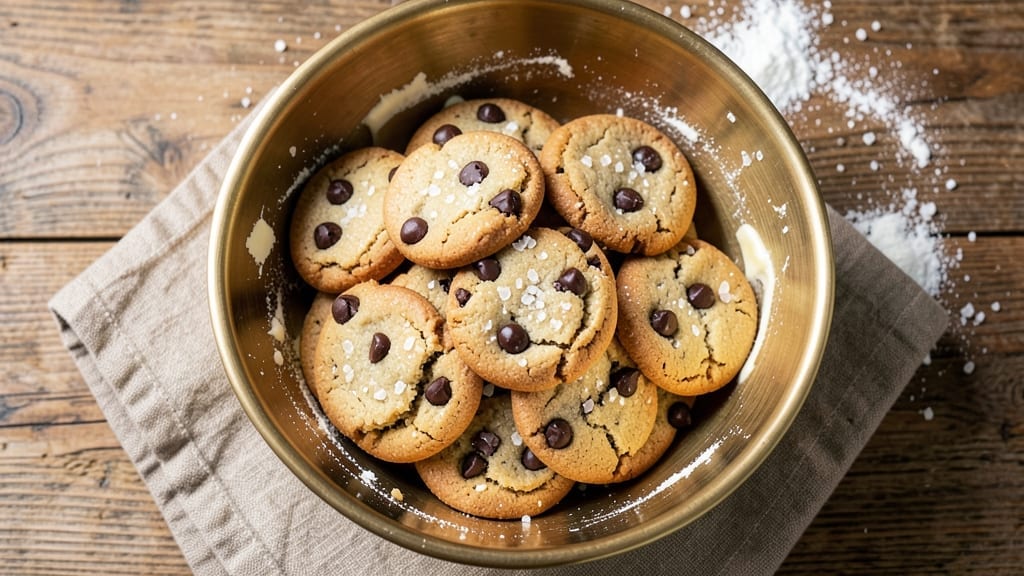
This 123 shortbread cookie recipe delivers the perfect balance of buttery richness and delicate crunch in just five simple steps—no fancy techniques required.
The secret lies in the precise ratio of cold butter to flour, which creates those signature tender yet firm cookies that crumble just enough to melt in your mouth.
I’ve baked hundreds of batches, and this method never fails to impress, whether you’re making them for holidays or a quiet afternoon treat.
The beauty of shortbread lies in its simplicity: three core ingredients—butter, flour, and sugar—work together to create a cookie that’s foolproof for beginners but still sophisticated enough to wow guests.
The dough comes together in minutes, and with 15 minutes of baking time, you’ll have golden, buttery rounds ready to enjoy. No chilling required, no overmixing—just pure, buttery perfection with every bite.
What makes these cookies truly special is their versatility. Stick to the classic buttery flavor, or elevate them with a sprinkle of flaky salt, a drizzle of melted chocolate, or a hint of citrus zest.
The texture is what sets them apart: crisp edges that give way to a velvety interior, all while maintaining that signature shortbread crunch. Once you try this recipe, you’ll never go back to store-bought.
Perfect for gifting, holiday baking, or satisfying a sweet craving, these cookies are a restaurant-quality treat you can make at home. The recipe scales easily, so you can bake a single batch for two or triple it for a crowd.
Let’s get started—your kitchen will smell like heaven in no time.
Ingredients for 123 shortbread cookie
Three core ingredients make these buttery shortbread cookies foolproof for any occasion.
| Ingredient | Amount | Notes |
|---|---|---|
| Unsalted Butter 🧈 | 2 cups | Cold, cubed for texture |
| All-Purpose Flour 🌾 | 3 cups | Sifted for consistency |
| Granulated Sugar 🍚 | ½ cup | Superfine for smooth texture |
| Flaky Sea Salt 🧂 | 1 tbsp | For finishing cookies |
| Vanilla Extract 🌸 | 1 tsp | Pure vanilla for flavor |
| Dark Chocolate Chips 🍫 | 1 cup | Optional for drizzling |
| Lemon Zest 🍋 | 1 tsp | Fresh for citrus brightness |
The butter is non-negotiable here—European-style unsalted butter (like Plugrá or Land O’Lakes) gives the best flavor and texture. Grab it from the refrigerated section of any grocery store, not the shelf-stable tubs. Keep those cubes cold until ready to mix—room temperature butter is the enemy of shortbread. If you’re in a pinch, cold butter from the fridge works too, just let it sit out for 10 minutes before measuring. The flour? King Arthur or Bob’s Red Mill are my go-tos—they’re consistent and reliable. Sifting it cuts down on lumps and ensures even baking.
No vanilla extract? Almond extract at half the amount works in a pinch, but vanilla is ideal. Short on sugar? Brown sugar at the same quantity adds moisture but changes the texture slightly. Want to skip the chocolate chips? Drizzle with melted white chocolate or sprinkle with crushed pistachios instead. The lemon zest adds a bright note—organic lemons from the store work fine, but avoid thick peels. If you’re making these ahead, store the zest in the freezer for up to 3 months. The sea salt? Maldon flakes are the gold standard, but any flaky salt will do.
These cookies keep beautifully—3-4 days in an airtight container at room temperature, or 1 week in the fridge. For longer storage, freeze them for up to 3 months. I like to portion them into resealable bags so I can grab a few anytime. Reheat in the oven for 30 seconds to restore that crisp edge. Pro tip: Bring to room temperature before serving—they taste even better after sitting out for 10 minutes. Perfect for gifting too—just wrap in parchment-lined boxes.
Why You’ll Love This Recipe
- I swear by the 1: 2:3 ratio—just butter, sugar, flour—no fussing with eggs or weird ratios. You’ll measure once, mix twice, and the dough’s ready in under 5 minutes. (Yes, even on a Tuesday night.)
- Four-Handful Mix: I swear by the 1:2:3 ratio—just butter, sugar, flour—no fussing with eggs or weird ratios. You’ll measure once, mix twice, and the dough’s ready in under 5 minutes. (Yes, even on a Tuesday night.)
- Salted Caramel Dreams: That flaky sea salt on top? It’s the secret weapon. The buttery crunch meets the vanilla warmth like a hug from a bakery, but I made it. Honestly, I’ve tried fancy add-ins, but this combo is ridiculously good.
- Holiday or Snack Attack: Pack these in tins for Christmas gifts or grab one straight from the jar when you need a pick-me-up. They freeze like champs too—no one judges if you microwave a single cookie at 3 AM.
Step-by-step instructions for buttery shortbread cookies
Here’s how to make melt-in-your-mouth shortbread with just five simple steps.
Cut and Mix the Cold Butter
Place the 2 cups unsalted butter (cold and cubed) in a large mixing bowl. I like to use my hands to break the butter into smaller pieces first—this helps it incorporate faster. Add the 3 cups all-purpose flour and the 0.5 cup granulated sugar, then gently toss everything together with a fork until it resembles coarse crumbs.
This cold mixing method is key—it prevents the butter from melting and creating a dough that’s too soft. You want a dry, sandy texture at this stage, almost like wet sand. If the mixture starts to clump, use your fingers to break it apart. The goal is to distribute the flour evenly without developing any gluten.
Add Wet Ingredients and Form the Dough
Create a well in the center of the mixture and add the 1 tsp vanilla extract and 1 tsp lemon zest. Using your fingers, gently work these into the dry ingredients until just combined. You might need to add a few extra spoonfuls of flour if the mixture feels too wet—this is normal with butter that’s been handled.
Once everything is evenly distributed, press the mixture together with your hands. It should form a shaggy, slightly crumbly dough. If it’s too dry to hold together, add 1-2 tablespoons more flour. The dough should be firm enough to press but still crumbly—this is what gives shortbread its signature texture. Wrap the dough in plastic wrap and refrigerate for 30 minutes to firm up.
Shape and Chill the Cookies
Preheat your oven to 325°F. On a lightly floured surface, pat the chilled dough into a ½-inch thick rectangle. I like to use a rolling pin here, but don’t press too hard—you want to maintain that crumbly texture. Cut the dough into 2-inch squares using a sharp knife or cookie cutter. Place them on a parchment-lined baking sheet, spacing them about 1 inch apart—they won’t spread much.
Return the shaped cookies to the refrigerator for 15 minutes while you preheat the oven. This extra chilling prevents the butter from melting too quickly in the oven, which would make your cookies spread. The edges should feel firm to the touch when they’re ready to bake.
Bake Until Golden and Fragrant
Bake the shortbread for 18-22 minutes until the edges are light golden brown and the centers look just slightly underbaked. They should smell buttery and toasty when you open the oven door. The cookies won’t be fully set—they’ll continue firming up as they cool. If you prefer them darker, bake for up to 25 minutes, but be careful not to overbake or they’ll become dry.
Let the cookies cool on the baking sheet for 5 minutes before transferring to a wire rack. This brief resting period helps them set properly. While they’re still warm, sprinkle each cookie with a pinch of flaky sea salt and, if using, press a few dark chocolate chips into the top. The salt enhances the buttery flavor, while the chocolate adds a delightful contrast.
Store for Maximum Freshness
Allow the cookies to cool completely before storing. For best texture, keep them in an airtight container at room temperature for up to 5 days. If you want to extend their freshness, freeze the baked cookies (without the chocolate) for up to 3 months. To serve, simply let them sit at room temperature for 10-15 minutes before enjoying—they’ll be perfectly crisp and buttery.
These cookies are best enjoyed with a cup of tea or coffee. The buttery richness pairs perfectly with something warm and aromatic. And if you want to get fancy, dust them with powdered sugar or drizzle with melted chocolate before serving. The possibilities are endless!
Pro Tips For Making 123 Shortbread Cookie
- Chill the Dough Hard: I used to skip this step and wondered why my cookies spread like pancakes. Pop the dough in the fridge for at least 2 hours—or overnight if you can—before cutting. The butter needs time to firm up, or your cookies will turn into sad, flat discs instead of the crisp, sturdy rounds you want.
- Use Cold Butter: Take the butter straight from the fridge (yes, even if it’s stubborn). Cut it into cubes and let it sit in the flour mixture just long enough to soften slightly—about 10 minutes. If it melts, you’ll end up with cakey cookies instead of the buttery, crumbly texture shortbread deserves.
- Skip the Overmixing: This isn’t pie dough—you don’t need to work the flour like a doughnut maker. Mix the butter and sugar until crumbly, then fold in the flour just until combined. Overmixing develops gluten, and that’s how you get chewy cookies instead of the delicate, melt-in-your-mouth crunch you’re after.
- Salt the Edges Last: Sprinkle the flaky sea salt over the tops of the cookies right after they come out of the oven. The heat will make it bloom instantly, giving you those perfect little salt crystals on crisp edges. Dumping it in the bowl? You’ll end up with salt hiding in the dough instead of where it belongs.
Serving suggestions for this dish
Tea Time Pairings
Shortbread cookies and tea are a match made in heaven—especially with Earl Grey or Chamomile. The bergamot in Earl Grey complements the buttery richness, while chamomile adds a soothing contrast. I like to steep Twinings English Breakfast for a bold pairing that stands up to the cookies’ delicate crunch.
For a festive touch, try Lavender Earl Grey—the floral notes elevate the vanilla and lemon zest in the cookies. 🍵
Coffee Companions
A dark roast like Starbucks Sumatra or local craft coffee cuts through the sweetness beautifully. The bitterness balances the buttery flavor, creating a perfect harmony. For a lighter option, try a cinnamon dolce latte—the warm spices mirror the vanilla in the cookies.
I always serve shortbread with coffee at 3 PM for that classic afternoon treat vibe. ☕
Seasonal Serving Ideas
In winter, dust cookies with powdered sugar and serve with hot chocolate for a cozy dessert. For spring, add fresh berries (like raspberries) on the side—they brighten the buttery flavor.
In summer, chill the cookies slightly and pair with iced tea or a sparkling lemonade for a refreshing twist. 🍓
Gift-Worthy Presentation
Arrange cookies on a wooden board with a ribbon tie for gifting. Add a small jar of local honey or a mini bag of sea salt for an extra touch.
For parties, stack cookies in clear glass jars with a handwritten tag—they’ll disappear fast! I love using parchment paper to line boxes for easy transport. 🎁
Dessert Plating
For a restaurant-worthy look, place cookies on a white plate with a drizzle of caramel or melted chocolate. Add a sprinkle of flaky salt and a fresh mint leaf for color.
Serve with a small scoop of vanilla ice cream on the side for dipping. The contrast of warm cookies and cold ice cream is pure magic. ✨
Nutrition facts
Frequently asked questions
Why do shortbread cookies need cold butter?
Cold butter is essential because it prevents the dough from becoming too soft and spreading during baking. The fat stays solid until it hits the oven, creating those signature crisp edges and tender centers. If your butter is too warm, the cookies will flatten out—this recipe relies on that perfect ½-inch thickness for the right texture.
Can I make these without a rolling pin?
Press the chilled dough between two sheets of parchment paper using your hands or a glass bottle. The key is to keep it ½-inch thick—use a ruler or measuring cup as a guide. This method works just as well and requires no special tools. The dough should remain crumbly, not sticky, for easy shaping.
What if my cookies spread too much?
Over-spreading usually means the butter warmed up too quickly. Next time, chill the shaped cookies for 15 minutes before baking, and use a higher oven rack to prevent bottom heat from melting the butter prematurely. Also, ensure your butter is truly cold—if it’s been sitting out too long, pop it in the freezer for 10 minutes before measuring.
How can I make these gluten-free?
Replace the all-purpose flour with a 1:1 gluten-free baking flour blend (like Bob’s Red Mill or King Arthur). You may need an extra ½ teaspoon xanthan gum to mimic gluten’s structure. Keep the butter cold and handle the dough gently to avoid a crumbly texture. The result will be slightly denser but still delicious!
Why do some shortbread recipes require chilling the dough?
Chilling the dough (even just 30 minutes) firms up the butter, preventing excessive spreading. It also relaxes the gluten slightly for a cleaner crumb. In this recipe, we skip the full chill because the cold butter method already creates stable cookies—but if your kitchen is warm, that extra 15 minutes in the fridge makes all the difference.

- 3lb Prime Rib Roast Recipe: Juicy Pink Center Guaranteed in 3 Hours - October 31, 2026
- 5 Spice Cake Recipe: Warmly Spiced Layers With Crunchy Top - October 31, 2026
- 1950’s Macaroni and Cheese Recipe: Nostalgic Creamy Cheese Sauce with Buttery Noodles - October 31, 2026