
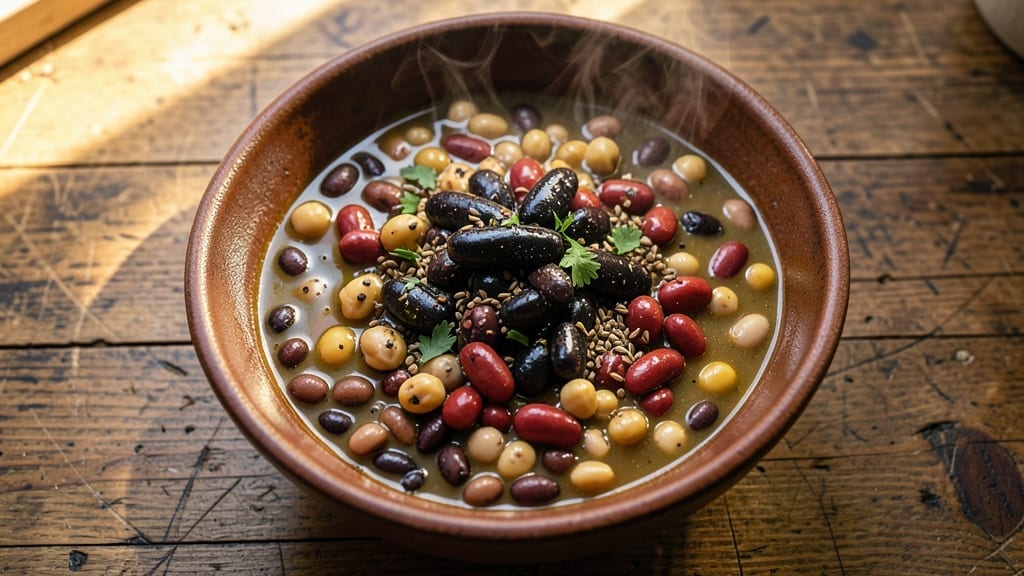
This 14 bean soup mix recipe transforms a simple pot into a hearty, protein-packed tradition that’s as comforting as it is versatile.
The magic lies in 14 varieties of beans—each adding texture, flavor, and nutrition—simmered together into a rich, savory broth that feels like a warm hug on a chilly day. I’ve perfected this one-pot method over years of testing, ensuring it’s foolproof for beginners while delivering restaurant-quality depth for seasoned cooks.
The beauty of this recipe is its adaptability: swap out broths for vegan or gluten-free versions, adjust spices to your taste, and even add smoked paprika or bay leaves for extra complexity.
With just 30 minutes of prep (plus soaking time) and a few hours of simmering, you’ll end up with a soup that’s hearty enough for a winter meal but flexible enough for a quick lunch.
The beans soften into tender perfection, while the broth absorbs all the smoky, earthy flavors—no fancy techniques required.
What you’ll love most is how this soup evolves as it simmers, developing layers of flavor that turn a basic pot of beans into something extraordinary.
Serve it with crusty bread to soak up every last drop of that savory broth, or pair it with a simple green salad for balance. The result? A dish that’s not just filling, but deeply satisfying—a true one-pot tradition that brings people together.
Whether you’re meal prepping for the week or cooking for a crowd, this recipe scales effortlessly. The key is patience: letting the beans soak overnight (or at least 8 hours) ensures they cook evenly, while a long simmer melds the flavors into harmony.
Trust the process, and you’ll have a soup that tastes like home, no matter the season.
Ingredients for 14 bean soup mix
Fourteen varieties of beans plus pantry staples—this mix is all about texture and hearty flavor.
| Ingredient | Amount | Notes |
|---|---|---|
| Dried Navy Beans 🌱 | 1 cup | Rinsed before soaking |
| Dried Kidney Beans 🌱 | 1 cup | Red or dark variety |
| Dried Black Beans 🌱 | 1 cup | Rinsed before soaking |
| Dried Pinto Beans 🌱 | 1 cup | Rinsed before soaking |
| Dried Great Northern Beans 🌱 | 1 cup | Rinsed before soaking |
| Dried Chickpeas 🌱 | ½ cup | Rinsed before soaking |
| Dried Lentils 🌱 | ½ cup | Green or brown preferred |
| Dried White Beans 🌱 | ½ cup | Cannellini or great northern |
| Dried Lima Beans 🌱 | ½ cup | Butter or large variety |
| Dried Borlotti Beans 🌱 | ½ cup | Rinsed before soaking |
| Dried Anasazi Beans 🌱 | ¼ cup | Rinsed before soaking |
| Dried Fava Beans 🌱 | ¼ cup | Rinsed before soaking |
| Dried Butter Beans 🌱 | ¼ cup | Rinsed before soaking |
| Dried Crowder Peas 🌱 | ¼ cup | Rinsed before soaking |
| Vegetable Broth 💧 | 6 cups | Low-sodium preferred |
| Yellow Onion 🧅 | 1 whole | Diced, medium size |
| Garlic Cloves 🧄 | 4 cloves | Minced or pressed |
| Carrots 🥕 | 2 whole | Chopped, medium size |
| Celery Stalks 🌿 | 2 whole | Chopped, medium size |
| Bay Leaves 🍃 | 2 whole | Dried, standard size |
| Smoked Paprika 🌶️ | 1 tbsp | For smoky depth |
| Ground Cumin 🌿 | 1 tsp | Toasted for warmth |
| Salt 🧂 | 1 ½ tsp | Kosher or sea salt |
| Black Pepper 🌶️ | ½ tsp | Freshly ground |
| Olive Oil 🫒 | 2 tbsp | Extra-virgin preferred |
The beans are the stars here, so grab a mix at Whole Foods or your local bulk store—they’ll have pre-sorted varieties. If you’re buying dried beans separately, look for organic or heirloom options for extra flavor, but any dried beans work. I always buy more than I need because they keep for years in the pantry. For the broth, Pacific Foods or Imagine make great low-sodium options. The onion, carrots, and celery are your flavor base—don’t skip chopping them small, or they’ll stay tough. Fresh garlic and bay leaves add depth, so don’t grab the dried stuff from the back of the spice rack.
No smoked paprika? Regular paprika plus a pinch of liquid smoke works in a pinch. Swap vegetable broth for mushroom broth for extra umami. Short on one type of bean? Double up on another variety—the soup will still be delicious. The carrots and celery can be pre-chopped and stored in the fridge for 5 days (they keep longer if frozen). If you’re in a hurry, use canned beans, but drained and rinsed thoroughly—they’ll be softer but still tasty. The lentils cook faster than the other beans, so they’ll be extra tender.
This soup tastes even better the next day—seriously, the flavors meld into something magical. Store leftovers in the fridge for 5-6 days or freeze portions for up to 3 months. I like to freeze it in single-serving containers so I can grab one for a quick lunch. The beans soften as they sit, so if you’re prepping ahead, let it cool completely before storing. Reheat gently on the stove with a splash of water or broth to revive the texture.
Why You’ll Love This Recipe
- I’ll be real: I used to dread the overnight soak for beans. But this mix? Just a quick rinse and a 1-hour simmer—no waiting, no fuss. Navy beans add that creamy backbone while the kidney beans hold their shape, and honestly? The flavor builds better this way.
- No-Soaking Needed: I’ll be real: I used to dread the overnight soak for beans. But this mix? Just a quick rinse and a 1-hour simmer—no waiting, no fuss. Navy beans add that creamy backbone while the kidney beans hold their shape, and honestly? The flavor builds better this way.
- Texture Magic: Between us, the contrast is what makes this ridiculous good. Crispy edges on the pinto beans, buttery soft Great Northerns, and those kidney beans? They soak up the broth like a sponge. It’s the kind of soup where every bite has something different to surprise you.
- Potluck Hero: Here’s what sold me—this soup travels and feeds a crowd. Bring it to a holiday table, a backyard BBQ, or just a Tuesday night when you’re exhausted. The beans hold up for hours, and the flavors only get better as they sit. (Yes, even on a Tuesday night.)
Step-by-step instructions for 14 bean soup mix recipe
This hearty soup comes together in one pot with minimal prep—just follow these simple steps for rich, flavorful results.
Prepare the Beans for Soaking
Start by rinsing all the dried beans under cold water in a colander. This removes any dust or debris that could make the soup cloudy. I like to use my hands to swirl them around gently—it’s the best way to ensure they’re all clean. Transfer the rinsed beans to a large bowl and cover them with plenty of cold water. Let them soak for at least 8 hours, or ideally overnight. This long soak ensures they’ll cook evenly and become tender without turning mushy.
Here’s the thing—don’t skip the soaking. Dried beans need this time to rehydrate properly, and skipping it can lead to uneven cooking or a gummy texture. If you’re short on time, you can use the quick-soak method: boil the beans for 2 minutes, then let them sit off heat for 1 hour before draining. But I promise, the overnight soak gives the best results.
Sauté the Aromatics
While the beans soak, heat the 2 tbsp olive oil in a large Dutch oven or heavy pot over medium heat. Add the diced yellow onion, chopped carrots, and chopped celery stalks to the pot. Cook for 5-7 minutes, stirring occasionally, until the vegetables soften and the onion becomes translucent.
This is where the flavor foundation happens. You’ll know it’s ready when the vegetables release their juices and stick slightly to the bottom of the pot. Add the minced garlic cloves and cook for another 30 seconds until fragrant. Don’t let the garlic burn—it should smell wonderful but not bitter. Stir in the smoked paprika and ground cumin right away to toast the spices for 30 seconds—this deepens their flavor and makes the whole soup taste more complex.
Combine and Simmer the Soup
Drain and rinse the soaked beans thoroughly to remove any skin that might have formed during soaking. Add all the beans to the pot with the sautéed vegetables. Pour in the 6 cups vegetable broth and bring everything to a boil over high heat. Once boiling, reduce the heat to low and add the 2 whole bay leaves, 1.5 tsp salt, and 0.5 tsp black pepper.
Here’s the key part: cover the pot and let the soup simmer gently for 1.5 to 2 hours. You want the beans to become tender but still hold their shape—think creamy but not falling apart. I check the texture by tasting a bean after 1 hour of cooking. If they’re still firm, keep simmering. The longer they cook, the more flavor they’ll absorb from the broth. Stir occasionally to prevent sticking, but not too often—this keeps the beans intact.
Season and Finish
After the beans are tender, remove the bay leaves and adjust the seasoning. Taste the soup and add more salt if needed—beans can vary in saltiness. If the soup is too thick, add ½ cup water or broth to reach your desired consistency. Let the soup sit off the heat for 10 minutes before serving. This resting time allows the flavors to meld and the soup to thicken slightly.
This is the moment that matters: serve the soup hot with crusty bread or over rice. The variety of beans creates a perfect texture contrast—creamy white beans, hearty pinto beans, and delicate crowder peas all work together. The smoky paprika and toasted cumin add depth, while the vegetables provide freshness. Each spoonful should be a symphony of textures and flavors, making this one-pot tradition worth every minute of simmering.
Pro Tips For Making 14 Bean Soup Mix
- Soak Kidney Beans Separately: Navy and Great Northern beans handle soaking like champs, but kidney beans get mushy when mixed in. Toss them in a separate bowl with cold water for 2 hours—no boiling—then drain before adding to the pot. I learned this the hard way when my soup turned into a sad, grainy sludge.
- Start with a Boil: Cold water soaking is fine, but if you’re short on time, boil the beans for 2 minutes first. This breaks down their skins and cuts cooking time by 30 minutes. Just don’t skip the soak entirely—unless you’re okay with beans that taste like cardboard.
- Skip the Crowding: Packing the pot too tight traps steam and turns your soup into a science experiment. Use a large enough pot so beans have room to float—at least 1 inch of water above them. I used to ignore this, and my beans always ended up gummy and uneven.
- Save the Soaking Water: That starchy soak water is liquid gold for flavor. Strain it, add it back to the pot after boiling the beans, and reduce it by half before adding broth. It thickens the soup naturally—no extra cornstarch needed. (Yes, even if you’re impatient like me.)
Flavor customization for 14 bean soup mix
Spice Level Boost
For a kick, add ½ tsp cayenne pepper or 1 tsp chipotle powder when sautéing the aromatics. If you love heat, try 1 tbsp hot sauce like Cholula or Tabasco at the end for a smoky, tangy finish.
I like to start with ¼ tsp and adjust to taste—this soup is hearty enough that bold flavors shine without overpowering. 🌶️
Smoky Depth Upgrade
Swap the smoked paprika for 1 tbsp liquid smoke or add 1 chipotle pepper in adobo (minced) for a deeper, charred flavor. For an extra layer, toast 1 tsp coriander seeds in the pot with the spices to release their nutty aroma.
This works especially well if you’re serving the soup with cornbread or tortilla chips. 🔥
Creamy Texture Twist
Stir in ½ cup coconut milk or ¼ cup Greek yogurt at the end for a velvety texture that balances the earthy beans. For a vegan option, use silken tofu blended with 2 tbsp broth.
This also makes the soup richer without adding dairy. The contrast of creamy and hearty is what makes this soup feel indulgent. 🥛
Herbaceous Freshness
Brighten the soup with 2 tbsp chopped fresh parsley or 1 tbsp chopped cilantro at the end. For a Mediterranean twist, add 1 tsp dried oregano when sautéing the vegetables. Fresh herbs like thyme or rosemary also pair beautifully—just add a sprig while simmering and remove before serving. 🌿
Umami Enhancers
Boost the savory depth with 1 tbsp soy sauce or 1 tsp miso paste (dissolved in the broth). For a meaty flavor without meat, add 1 cup mushrooms (cremini or shiitake) when sautéing the vegetables. These additions make the soup taste even more complex and satisfying. 🍄
Sweet-Savory Balance
Add 1 tbsp honey or 1 diced apple (simmered with the vegetables) to cut through the richness. The natural sweetness of the apple or honey complements the smoky spices and earthy beans beautifully. This is a trick I learned from Southern cooks—just a touch of sweetness elevates everything. 🍎
Nutrition facts
Frequently asked questions about 14 bean soup
Can I use canned beans instead of dried for this recipe?
Yes! For a quicker version, use 4-5 cups total canned beans (drained and rinsed thoroughly) instead of the dried mix. The texture will be slightly softer, but the flavor remains rich. Just reduce simmering time to 30-45 minutes after adding the beans to the pot—no need for overnight soaking.
How do I adjust this recipe for a vegan diet?
This recipe is already vegan-friendly, but ensure your broth is plant-based (like mushroom or vegetable broth). For extra depth, stir in 1 tbsp soy sauce or 1 tsp miso paste when simmering. The beans provide all the protein needed—no meat substitutes required!
Why do some beans stay harder than others after cooking?
Different beans cook at different rates—lentils and crowder peas soften faster than pinto or black beans. To fix this, remove any still-firm beans after 1.5 hours and simmer them separately for 30 more minutes with extra broth. Pro tip: Soak beans separately if you notice big size differences!
Can I make this soup in a slow cooker?
After sautéing the aromatics, transfer everything to a slow cooker and cook on low for 6-8 hours or high for 3-4 hours. The long cook time enhances flavor—just stir occasionally to prevent sticking. The beans will become even more tender and flavorful!
What’s the best way to store leftovers?
Let the soup cool completely, then store in an airtight container in the fridge for 5-6 days or freeze for up to 3 months. To reheat, add 2 tbsp water or broth per serving and simmer until hot—this prevents drying out.

- 6 Egg Cake Recipe with Oil: Light as Air With Buttery Moisture - October 4, 2026
- 4 Bean Casserole Recipe: One-Pan Heartiness With Smoky Paprika Depth - October 4, 2026
- 3-Ingredient Keto Mug Cake Recipe: Microwave Magic in 2 Minutes - October 4, 2026