
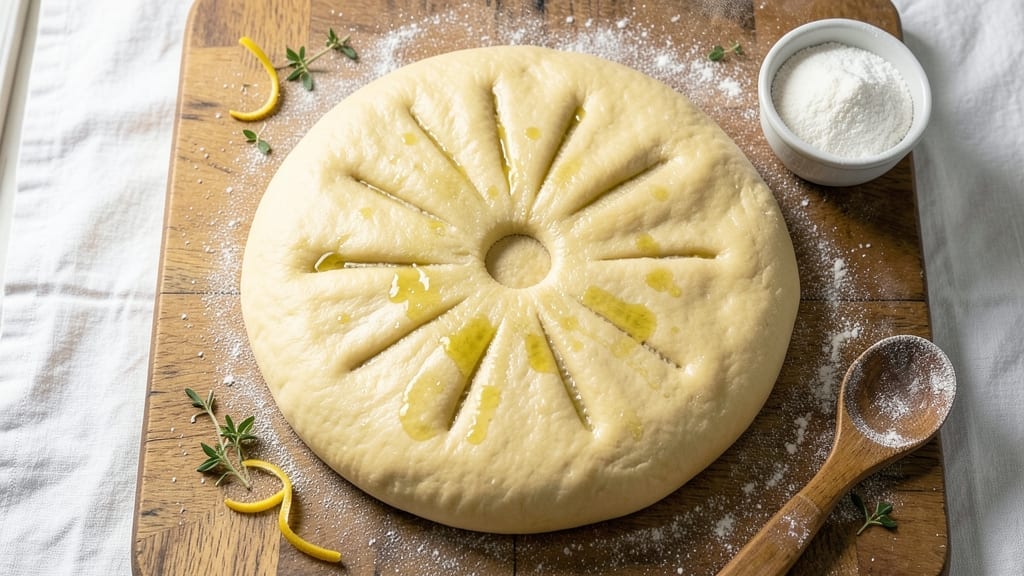
A 16-ounce pizza dough recipe that rises in just 2 hours without kneading transforms your homemade pizza game—crispy crust, perfect bubbles, and restaurant-quality texture every time. The secret lies in precise hydration and a no-knead method that develops deep flavor while saving time.
This dough yields enough for a 12-inch pizza with minimal effort, making it ideal for weeknight dinners or weekend baking sessions.
What sets this recipe apart is the 2-hour cold proof, which enhances gluten development and creates that signature airy, chewy texture. No stand mixer or advanced techniques required—just mix, rest, and shape.
The dough stays fresh in the fridge for up to 48 hours, giving you flexibility to prep ahead. For extra flavor, add herbs or garlic to the dough, or keep it classic for a clean canvas.
By the end, you’ll have a golden, leopard-spotted crust with tender centers—no soggy bottoms or dense texture. The dough’s versatility extends beyond pizza: use it for calzones, garlic knots, or focaccia. Whether you’re a beginner or seasoned home cook, this method delivers professional results with minimal fuss.
For variations, swap half the flour for whole wheat or use a gluten-free blend, though texture may vary slightly. Store leftovers wrapped in plastic for up to 3 days or freeze for later use. Ready to master the perfect crust? Let’s get started.
Ingredients for 16 oz pizza dough
Six core ingredients plus optional flavor boosters create restaurant-worthy pizza dough with minimal effort.
| Ingredient | Amount | Notes |
|---|---|---|
| All-Purpose Flour 🌾 | 3 ½ cups | King Arthur or Gold Medal preferred for gluten strength |
| Active Dry Yeast 🍞 | ¼ tsp | Fresh yeast at 0.5 tsp if available |
| Granulated Sugar 🍚 | ½ tsp | Feeds yeast for activation |
| Diamond Crystal Kosher Salt 🧂 | 1 tsp | Adjust to taste; Morton is saltier |
| Extra-Virgin Olive Oil 🫒 | ½ cup | High-quality for flavor and elasticity |
| Warm Water 💧 | 1 cup | 110-115°F (43-46°C) for ideal yeast activation |
| Semolina Flour 🌾 | ¼ cup | For dusting and crispy crust texture |
| Cornmeal 🌽 | ¼ cup | Optional for pre-baking on pizza peel |
| Garlic Powder 🧄 | ½ tsp | Optional for flavor infusion |
| Dried Italian Seasoning 🍃 | ½ tsp | Optional for herbaceous depth |
The flour selection is critical here. King Arthur or Gold Medal provide optimal gluten development for that signature chewy texture. Yeast quality matters too—active dry yeast works reliably, but fresh yeast (at half the quantity) yields faster results. Water temperature is non-negotiable: too hot kills the yeast, too cold prevents activation. 110-115°F is your sweet spot. For extra flavor, add garlic powder or Italian seasoning directly to the dough—just mix it into the dry ingredients before adding liquids. The olive oil isn’t just fat; it’s what gives this dough its signature elasticity and crispy edges.
No yeast on hand? Instant yeast works at the same quantity, but active dry requires pre-dissolving in warm water. Short on olive oil? Avocado oil maintains the same neutral flavor profile. Want to reduce calories? Swap half the olive oil for unsweetened applesauce, though texture will be slightly less crisp. For a whole wheat variation, replace up to 50% of the all-purpose flour with bread flour or whole wheat flour, though hydration may need adjustment. The cornmeal and semolina are optional but create that perfect leopard-spotted crust—worth the extra 2 minutes if you’re aiming for restaurant-quality results.
This dough develops best with a 2-hour cold proof in the refrigerator, which enhances gluten structure and flavor. Wrap tightly in plastic wrap and refrigerate immediately after mixing. The dough keeps in the fridge for up to 48 hours, making it perfect for meal prep. For longer storage, divide into portions, wrap individually, and freeze for up to 3 months. Thaw overnight in the fridge before using. To prevent drying, always store with a thin layer of olive oil sprayed on the surface or wrapped in a damp towel inside the plastic.
Why You’ll Love This Recipe
- No-Fuss Mixing: I swear by this dough—just flour, yeast, sugar, and olive oil. No kneading, no fancy tools, just a bowl and a spoon. Honestly, I’ve made it while chatting on the phone.
- Chewy Gold Standard: That perfect balance of crispy crust and pillowy center? It’s all in the olive oil and a little patience. The salt and sugar wake up the yeast just enough to get it right every time.
- Weeknight to Party: Same dough, endless uses. Weeknight dinner? Toss on marinara and mozzarella. Game day? Load it with spicy sausage and fresh basil. My kids even ask for it plain with olive oil and flaky salt—yes, even on a Tuesday.
- Budget Stretch: A 16 oz batch feeds two hungry adults (or one very hungry teen) with leftovers for lunch. The ingredients cost pennies, and the dough keeps in the fridge for days. Between us, this is my secret weapon for not breaking the bank.
Step-by-step instructions for 16-Ounce pizza dough
Master this no-knead method for perfectly elastic dough that rises in just two hours.
Activate the Yeast and Mix the Dough
In a large mixing bowl, combine the 1 cup warm water, 0.5 tsp granulated sugar, and 0.25 tsp active dry yeast. Let it sit for 5-10 minutes until the mixture becomes frothy and bubbly—this confirms the yeast is active. If it doesn’t bubble, your yeast may be dead, and you’ll need to start over.
Once activated, add the 3.5 cups all-purpose flour, 1 tsp diamond crystal kosher salt, 0.5 tsp garlic powder, and 0.5 tsp dried Italian seasoning to the bowl. Mix with a wooden spoon or your hands until a shaggy dough forms. Slowly drizzle in the 0.5 cup extra-virgin olive oil while mixing until fully incorporated. The dough should be soft but slightly tacky—if it’s too dry, add 1 tablespoon warm water.
Knead and Rest for Optimal Gluten Development
Turn the dough onto a lightly floured surface and knead gently for 3-5 minutes until smooth and elastic. You’re not looking for a tight, firm dough—just enough structure to hold its shape. The olive oil keeps it supple, so resist the urge to overwork it. If the dough feels too sticky, wet your hands slightly to prevent sticking.
Shape the dough into a ball and place it back in the bowl. Cover tightly with plastic wrap or a damp towel and let it rest at room temperature for 1 hour. This initial rest allows the gluten to relax and the dough to absorb the olive oil evenly, ensuring a tender yet sturdy crust. Avoid refrigerating at this stage—it slows fermentation too much.
Bulk Ferment for Flavor and Rise
After the rest, punch down the dough gently to release any air bubbles. Transfer it to a lightly oiled bowl, cover again, and let it ferment at room temperature for 1-2 hours, or until it has nearly doubled in size. The dough should feel light and airy when pressed—if it springs back slowly, it’s ready. This step develops flavor and creates the open crumb structure essential for a Neapolitan-style crust.
Here’s the thing—temperature matters. If your kitchen is below 70°F, the dough may take longer to rise. Conversely, if it’s above 80°F, the yeast will work too aggressively, leading to overproofing. A warm spot near the oven works well if your kitchen is cool. Watch for the dough to puff visibly and develop small bubbles on the surface.
Shape and Final Proof for Perfect Texture
Once fully risen, turn the dough onto a lightly floured surface and divide it into 4 equal portions, each weighing about 4 ounces. Shape each portion into a smooth ball by cupping your hands and gently pressing the dough outward while rolling it toward you. This creates surface tension, which helps the crust hold its shape during baking. If the dough feels too sticky, dust your work surface with semolina flour.
Place the shaped dough balls on a floured surface, cover loosely with a damp towel, and let them proof for an additional 30-45 minutes until they’ve puffed slightly. They shouldn’t double in size like during bulk fermentation—just rise enough to fill out their shape. This final proof ensures a light, airy interior while maintaining structure for a crispy crust.
Prepare for Baking or Refrigeration
For immediate use, stretch the dough balls into your desired pizza shape on a floured surface or directly onto a preheated pizza peel dusted with cornmeal. If baking later, place the shaped dough on a floured tray, cover, and refrigerate for up to 24 hours. Cold dough is easier to handle and develops deeper flavor. When ready to bake, let it sit at room temperature for 1 hour before shaping to relax the gluten.
The key to success here is balance—don’t overproof the dough, or it will collapse during baking. Press the dough gently to check: if it springs back slowly and leaves a slight indentation, it’s perfect. Overproofed dough will flatten completely when pressed. Now you’re ready to load it with toppings and bake to golden perfection.
Pro Tips For Making 16 Oz Pizza Dough
- Measure Salt Precisely: Diamond Crystal kosher salt is fluffier than table salt—use a scale or spoon it gently into the bowl. Packing it down or eyeballing it throws off the dough’s balance, and you’ll end up with a bland or gummy mess. (Yes, even if you’re in a hurry.)
- Bloom Yeast in Warm Water: Skip the instant yeast shortcut—active dry yeast needs 5–10 minutes in warm (not hot) water to wake up properly. Stir in the sugar first, then add yeast, and wait until it foams before mixing with flour. I learned this the hard way when my dough failed to rise because the yeast was still asleep.
- Knead Until Smooth: Stop when the dough springs back slowly when poked, not when it’s perfect-looking. Over-kneading makes it tough, but under-kneading leaves it dense. Use a dough scraper to fold and stretch it for 8–10 minutes—no food processor shortcuts here if you want that classic chewy texture.
- Oil the Bowl Generously: Coat the rising bowl with 1–2 tablespoons of extra-virgin olive oil, then flip the dough to grease all sides. This prevents sticking and guarantees a clean transfer to your peel or pan. I used to skip this, and half my dough would tear when I tried to move it. (Your future self will thank you.)
Best sauces and condiments for this 16 oz pizza dough
Classic Tomato Sauce
Start with a San Marzano tomato sauce—its natural sweetness and low acidity complement the dough beautifully. I recommend Rao’s or Bertolli for that authentic Italian flavor.
Simmer 1 can (28 oz) crushed tomatoes with 2 cloves minced garlic, 1 tsp dried oregano, ½ tsp red pepper flakes, and salt to taste for 20 minutes. The sauce should reduce slightly for a concentrated flavor.
Spread ½ cup evenly over your shaped dough before adding toppings. 🍅
Garlic-Infused Olive Oil
Elevate your pizza with garlic-infused olive oil—it adds depth without overpowering. Heat ½ cup extra-virgin olive oil with 4 minced garlic cloves and 1 tsp red pepper flakes in a small saucepan over low heat for 5 minutes.
Strain out the garlic, then drizzle 1-2 tbsp over the dough before baking. This step is optional but transforms your pizza into a flavor powerhouse. Trust me, it’s a game-changer! 🧄
Balsamic Glaze
For a sweet-tangy finish, drizzle 1-2 tbsp balsamic glaze over your pizza after baking. I love Giovanni’s or Biondo brands—they’re rich and slightly syrupy. Heat the glaze gently to loosen it, then drizzle over toppings or the crust itself.
The contrast with salty cheese and savory meats is pure magic. Add it in the last 30 seconds of baking to prevent burning. 🍷
Pesto Alternative
Swap tomato sauce for homemade basil pesto—it pairs perfectly with this dough’s olive oil richness. Blend 2 cups fresh basil, ¼ cup pine nuts, ½ cup grated Parmesan, ½ cup olive oil, and 1 garlic clove until smooth.
Spread ¼ cup over the dough before adding toppings like roasted vegetables or grilled chicken. The vibrant green color and herby notes brighten every bite. 🌿
Spicy Arrabbiata
For heat lovers, try arrabbiata sauce—a fiery tomato-based sauce with chili flakes. Simmer 1 can (14 oz) diced tomatoes with 2 tbsp tomato paste, 1 tsp chili flakes, 2 minced garlic cloves, and salt for 15 minutes.
Blend until smooth, then spread ¼ cup over the dough. Top with mozzarella and basil for a Neapolitan-inspired kick. 🌶️
Cheese Sauce Twist
Skip the tomato sauce and go for a creamy cheese sauce—it’s a crowd-pleaser. Melt 1 cup shredded mozzarella with ¼ cup heavy cream and 1 tbsp butter over low heat until smooth.
Add ½ tsp garlic powder and salt to taste. Spread ½ cup over the dough, then top with pepperoni or mushrooms. The result? A decadent, cheesy pizza with minimal effort. 🧀
Nutrition facts
Frequently asked questions
How do I adjust this dough for a larger pizza?
This 16 oz recipe makes a 12-inch pizza. For a 14-inch pizza, multiply all ingredients by 1.4x (about 22.4 oz total). For a 16-inch pizza, use 1.7x (about 27.2 oz). Always keep the same 60% hydration ratio (water to flour) to maintain texture. Divide the dough into equal portions before shaping—each 4 oz ball makes a perfect single-serving pizza.
Why does my dough feel too sticky?
Sticky dough usually means one of two things: either the flour-to-water ratio is off, or the gluten hasn’t developed enough. First, try adding 1-2 tablespoons of flour at a time while kneading. If it’s still too sticky after mixing, let it rest uncovered for 10 minutes—the surface will dry slightly. For extra elasticity, knead for an additional 2-3 minutes to strengthen the gluten structure. Semolina flour works better than all-purpose for dusting sticky dough.
Can I make this dough without olive oil?
Yes, but texture will differ slightly. Replace the 0.5 cup olive oil with 0.25 cup melted butter for richer flavor or 0.25 cup unsweetened applesauce for a lighter option. If using butter, chill the dough longer (3 hours) to prevent overproofing. The oil creates that signature crispy-chewy contrast, so expect a slightly denser crust without it. For best results, use avocado oil as a neutral substitute.
What’s the best way to store leftover dough?
For short-term storage (24 hours), wrap the shaped dough balls tightly in plastic wrap and refrigerate. For longer storage (up to 3 months), freeze individual portions on a floured tray first to prevent sticking, then transfer to a sealed bag. Thaw overnight in the fridge—never at room temperature. To revive, let sit at room temp for 30 minutes before shaping. Spritz with water if the surface dries out during storage.
How do I fix overproofed dough?
If your dough has collapsed or feels too soft when pressed, don’t panic! Punch it down gently to redistribute gases, then shape immediately and bake at a higher temp (500°F) for 10-12 minutes to set the structure faster. For extreme cases, mix 1 tsp flour with 1 tsp cold water, spread on the dough, and let rest 15 minutes before shaping. This “dough rescue” trick tightens the gluten network. Prevention tip: Keep proofing times strict—2 hours max at room temp.

- 3lb Prime Rib Roast Recipe: Juicy Pink Center Guaranteed in 3 Hours - October 31, 2026
- 5 Spice Cake Recipe: Warmly Spiced Layers With Crunchy Top - October 31, 2026
- 1950’s Macaroni and Cheese Recipe: Nostalgic Creamy Cheese Sauce with Buttery Noodles - October 31, 2026