
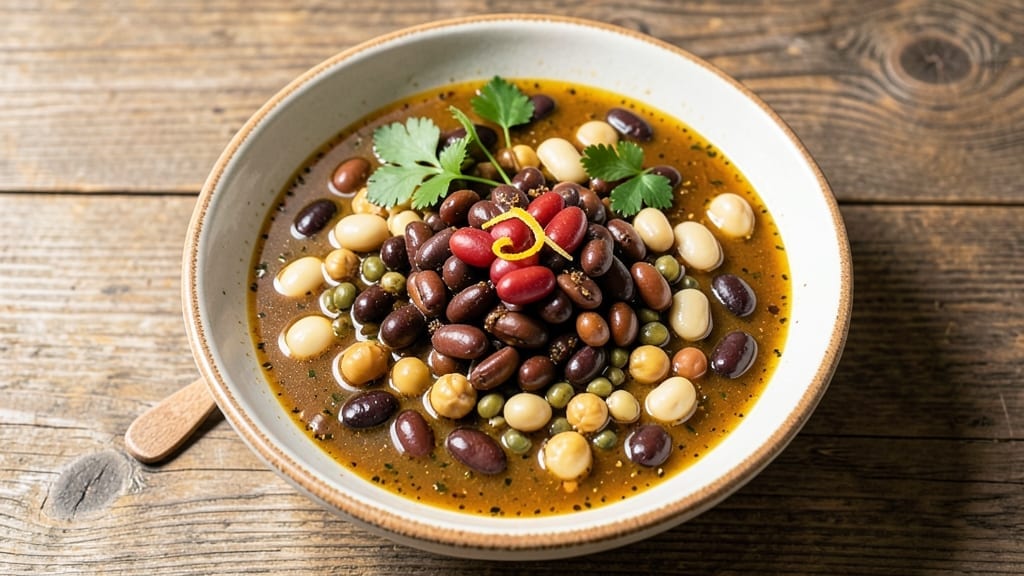
Transforming pantry staples into a hearty, protein-packed meal has never been easier than with this 19-bean soup recipe—a soul-warming classic that delivers comfort in every spoonful.
The secret lies in combining 19 different beans (or common substitutes) for a symphony of textures and flavors, all simmered into a rich, satisfying broth.
This isn’t just a soup; it’s a nutritional powerhouse that’s as easy to make as it is to love, perfect for busy weeknights or cozy gatherings.
What sets this recipe apart is its versatility and simplicity. No fancy techniques required—just a pot, broth, and a mix of beans you likely already have on hand.
The slow simmering process transforms tough beans into tender, flavorful bites while allowing the aromatics (onions, garlic, and bay leaves) to infuse the broth with depth. Whether you prefer a chunky, rustic texture or a smoother, velvety finish, this recipe adapts to your taste.
The result is a deeply flavorful, protein-rich soup that’s hearty enough to stand alone or pair beautifully with crusty bread and a simple salad. It’s vegetarian-friendly, budget-conscious, and packed with fiber and plant-based protein—ideal for meal prep or feeding a crowd.
Ready in under an hour (or even faster with a pressure cooker), this soup proves that homemade comfort food doesn’t require hours of effort.
Here’s the best part: once you master this foolproof method, you can customize it endlessly—add smoked paprika for a smoky twist, swap in white beans for creaminess, or stir in a splash of vinegar for brightness.
Let’s get started on a recipe that’s as rewarding to make as it is to eat.
Ingredients for 19 bean soup
Pantry staples meet protein powerhouse—just 19 ingredients for a soup that feeds a crowd.
| Ingredient | Amount | Notes |
|---|---|---|
| Dried Navy Beans 🌱 | 1 ½ cups | Soaked overnight or quick-soaked |
| Dried Black Beans 🌱 | 1 cup | Soaked overnight or quick-soaked |
| Dried Kidney Beans 🌱 | 1 cup | Soaked overnight or quick-soaked |
| Dried Pinto Beans 🌱 | 1 cup | Soaked overnight or quick-soaked |
| Dried Chickpeas 🌱 | 1 cup | Soaked overnight or quick-soaked |
| Dried Lentils 🌱 | ¾ cup | Green or brown, rinsed well |
| Dried White Beans 🌱 | ½ cup | Cannellini or great northern |
| Dried Butter Beans 🌱 | ½ cup | Soaked overnight or quick-soaked |
| Yellow Onions 🧅 | 2 whole | Medium, chopped finely |
| Garlic Cloves 🧄 | 4 cloves | Minced or pressed |
| Carrots 🥕 | 3 whole | Medium, chopped into chunks |
| Celery Stalks 🌿 | 3 whole | Chopped finely |
| Vegetable Broth 💧 | 6 cups | Low-sodium preferred |
| Tomato Paste 🍅 | ½ cup | Squeeze tube or canned |
| Bay Leaves 🌿 | 2 whole | Fresh or dried |
| Dried Thyme 🌿 | 1 tsp | Or 1 tbsp fresh |
| Salt 🧂 | 1 ½ tsp | Diamond Crystal preferred |
| Black Peppercorns 🌶️ | 1 tsp | Freshly cracked |
| Olive Oil 🫒 | 2 tbsp | Extra-virgin for richness |
The beans are the stars here, so quality matters. Bob’s Red Mill or store-brand dried beans work fine, but if you can find heirloom varieties at a bulk bin, go for it—they’ve got more flavor. No need to soak all 19 types overnight; quick-soak (boil 2 minutes, then let sit) saves time. The lentils cook fastest, so add them last if you’re not using a pressure cooker. For the broth, Imagine or Pacific Foods are my go-tos—they’ve got great depth without needing extra salt. The tomato paste? Those little squeeze tubes at Trader Joe’s are perfect—they’re concentrated and last forever.
No navy beans? Substitute with extra black or pinto beans—they’re just as hearty. Short on lentils? Swap in white beans or chickpeas for creaminess. The aromatics (onions, garlic, celery) are non-negotiable—they build the soup’s foundation. No fresh thyme? Dried works at one-third the amount, but fresh has that bright punch. The carrots can be baby carrots if that’s what’s in the fridge, and the tomato paste? Sun-dried tomatoes in oil chopped up work in a pinch, though they’ll add richness. Want extra depth? Toss in a bay leaf and smoked paprika for a smoky twist.
This soup tastes even better the next day—make a double batch and freeze half for lazy weeknights. Store in the fridge for 5 days or freeze for up to 6 months. I portion mine into containers so lunches are sorted for the week. The beans thicken as they cool, so add a splash of broth if it’s too thick after reheating. And if you’re meal prepping? Cook the beans ahead, store them separately, and assemble fresh for maximum flavor.
Why You’ll Love This Recipe
- One-Pot Magic: I swear by this—just toss all those dried beans into a pot with broth, spices, and a bay leaf. No fancy prep, no chopping, no stress. The beans soften into a thick, hearty stew while you sip your coffee.
- Earthy Umami Bomb: Between the smoky kidney beans, the creamy chickpeas, and the deep navy bean richness, every spoonful is a flavor party. Honestly, the garlic and cumin make this taste like it simmered all day—even if it didn’t.
- Meal Prep MVP: This soup begs to be made in bulk. I freeze portions for lazy Mondays, pack it for work lunches, or serve it at potlucks—no one ever leaves with leftovers. (Yes, even my picky teen eats it.)
- Pantry to Plate: Using dried beans cuts costs and time—no canned mush here. Soak overnight, simmer, and boom: a filling, budget-friendly meal that tastes like you slaved over it. My wallet and taste buds thank me weekly.
Step-by-step instructions for hearty 19 bean soup
This soup comes together with minimal effort but maximum flavor—just follow the sequence.
Soak the Beans Properly
Place all dried beans—1.5 cups navy beans, 1 cup black beans, 1 cup kidney beans, 1 cup pinto beans, 1 cup chickpeas, 0.5 cup white beans, and 0.5 cup butter beans—in a large bowl. Cover with plenty of cold water by at least 2 inches and let soak overnight in the refrigerator. This step is crucial for even cooking and better texture.
For a quicker method, boil the beans for 2 minutes, then let them stand off heat for 1 hour before draining. The lentils (0.75 cup) don’t need soaking—just rinse them well. This combination of soaked and unsoaked beans creates a rich, complex texture that’s both hearty and tender.
Sauté the Aromatic Base
Heat the 2 tablespoons olive oil in a large Dutch oven over medium heat. Add the 2 chopped yellow onions, 3 chopped carrots, and 3 chopped celery stalks, cooking for 8-10 minutes until softened and slightly caramelized. This foundational step builds deep, sweet flavors that carry through the entire soup.
Stir in the 4 minced garlic cloves and cook for 30 seconds until fragrant. Add the 0.5 cup tomato paste and cook for another 1 minute, stirring constantly. This creates a rich, umami base that ties all the beans together. Don’t skip this step—it’s what makes this soup taste restaurant-quality.
Combine and Simmer the Soup
Drain and rinse all soaked beans thoroughly. Add them to the Dutch oven along with the 0.75 cup rinsed lentils, 6 cups vegetable broth, 2 bay leaves, 1 teaspoon dried thyme, 1.5 teaspoons salt, and 1 teaspoon cracked black peppercorns. Stir well to combine everything.
Bring the mixture to a boil over high heat, then immediately reduce to a gentle simmer. Cover partially and cook for 1.5 to 2 hours, stirring occasionally, until all beans are tender. The soup should have a thick, stew-like consistency with beans that collapse easily when pressed with a fork. If it’s too thin, simmer uncovered for another 15 minutes to reduce.
Adjust Seasoning and Serve
Remove the 2 bay leaves and taste the soup. Adjust seasoning with additional salt or pepper if needed. This soup tastes even better the next day as flavors meld, so consider making it ahead. Serve hot with crusty bread or over rice to soak up every last bit of that rich, bean-filled broth.
Each spoonful delivers a perfect balance of textures—creamy lentils, meaty beans, and tender vegetables—all bound together by the aromatic base. The beauty of this recipe is its flexibility: you can customize it with smoked paprika, cumin, or even a splash of balsamic vinegar for extra depth.
Pro Tips For Making 19 Bean Soup
- SOAK BEANS SEPARATELY: Navy beans and chickpeas need a good 8–12 hours of soaking, but kidney and pinto beans soften faster—just 4–6 hours. I learned this the hard way when my soup turned into a mushy, uneven mess. Use two bowls: one for the long-soakers, one for the quick ones, and drain them all before cooking.
- STIR THE POT: After the first 20 minutes of simmering, give the beans a good stir every 10 minutes. The chickpeas and pinto beans sink to the bottom and can stick if left unattended. This isn’t the prettiest method, but it’s the tastiest—no burnt bits or uneven texture.
- DON’T SKIP THE BAY LEAF: Toss in a bay leaf early and leave it in until the very end. It sounds like a minor detail, but it actually changes the outcome—adding depth that dried spices alone can’t match. If you forget, at least add it within the first 30 minutes of cooking.
- SALT AFTER BOILING: Wait until the soup is fully boiling before adding salt. Adding it earlier can toughen the beans, especially the navy and black ones. I was skeptical until I tried it—now I swear by the firmer texture and better flavor. Just add it generously once the water’s hot.
Troubleshooting this recipe
Beans Stay Tough
If your beans remain firm after simmering for 2 hours, they likely need more time or proper soaking. First, check if you soaked them long enough—overnight is ideal, but if you quick-soaked, they may need 30-60 extra minutes of simmering.
For tough beans, add ½ cup extra broth and simmer uncovered for another 30-45 minutes. I’ve found kidney beans and black beans often need the most attention—don’t rush them! 🌱
Broth Too Thin
A watery soup usually means too much liquid or beans that didn’t absorb enough broth. If your soup is thin, simmer uncovered for 15-20 minutes to reduce the liquid.
For extra thickness, mash ¼ cup of the beans with a fork to release starches—this works especially well with white beans or lentils. Pro tip: Use a slotted spoon to remove some beans, mash them in a bowl, then stir back in for instant thickening. 💧
Mushy Vegetables
Overcooked carrots or celery turn mushy because they simmer too long. To fix this, add chopped veggies in the last 30 minutes of cooking. For extra flavor without mushiness, roast the veggies at 400°F for 20 minutes before sautéing—they’ll caramelize beautifully and hold their texture.
I swear by this trick for celery and onions—it adds depth without turning to mush. 🥕
Bland Flavor Profile
A lackluster soup often means underseasoned broth or skipped aromatics. First, taste the broth before adding beans—if it’s bland, stir in 1 extra bay leaf, ½ tsp smoked paprika, or 1 tbsp balsamic vinegar for depth.
For extra richness, add 1 tbsp tomato paste or ½ cup crushed tomatoes at the end. I always keep a small bowl of salt and black pepper nearby to adjust as I go—taste as you simmer! 🧂
Pressure Cooker Mishaps
If your pressure cooker soup turns out too thick or gummy, you likely overcooked the beans. For Instant Pot, cook beans on high pressure for 20 minutes, then quick-release. If the soup is too thick, add ½ cup broth and cook for 5 more minutes.
For lumpy texture, blend ½ cup of the soup with an immersion blender—this smooths it out while keeping it hearty. 💡
Freezer Texture Issues
Frozen 19-bean soup can turn watery or grainy if not stored properly. Always cool it completely before freezing (transfer to airtight containers) and leave 1-inch headspace for expansion. When reheating, add 2 tbsp broth per cup of soup to restore thickness.
For extra insurance, freeze the beans separately from the broth, then reheat and combine fresh—this keeps textures perfect. ❄️
Nutrition facts
Frequently asked questions
Can I use canned beans instead of dried?
Yes! For convenience, swap dried beans for canned—just drain and rinse them well. Use 3 cups total canned beans (about 15 oz per can) to match the 4.5 cups dried in the recipe. Canned beans cook faster, so add them with the lentils in Step 3 and simmer for 30-45 minutes to meld flavors. Just watch for added salt in canned beans—adjust seasoning at the end.
How do I make this soup vegetarian and vegan?
This recipe is already vegetarian, but for vegan version, ensure your broth is vegetable-based (no chicken or beef). Skip any optional bacon or ham additions (common in some variations) and use olive oil instead of butter. All other ingredients—beans, lentils, veggies—are naturally vegan. For extra richness, stir in 1 tbsp nutritional yeast at the end.
Can I make this in a slow cooker or Instant Pot?
For a slow cooker, sauté the aromatics first, then add everything and cook on low for 6-8 hours or high for 3-4 hours. For an Instant Pot, sauté the base, add all ingredients, then cook on high pressure for 20 minutes, quick-release, and stir. Both methods save time while keeping the soup hearty.
What’s the best way to store leftovers?
Store in an airtight container in the fridge for 5 days or freeze for up to 6 months. For freezing, cool completely first and leave 1-inch headspace. Reheat gently on the stove with a splash of broth to restore thickness. Pro tip: Freeze in portions for easy lunches—just thaw overnight in the fridge.
Why does my soup taste bland?
Blandness usually means underseasoned broth or skipped aromatics. First, taste the broth before adding beans—if flat, boost with 1 extra bay leaf, ½ tsp smoked paprika, or 1 tbsp balsamic vinegar. For depth, add 1 tbsp tomato paste or ½ cup crushed tomatoes at the end. Always taste as you simmer and adjust salt/pepper gradually!

- 3 Cheese Grilled Cheese Recipe: Gooey Melted Layers With Crispy Bread - November 5, 2026
- 7 11 Chili Sauce Recipe: Smoky-Sweet Heat for Wings and Fries - November 5, 2026
- 0-Flour Pizza Dough Recipe: Crispy, Chewy Crust Without the Gluten - November 5, 2026