
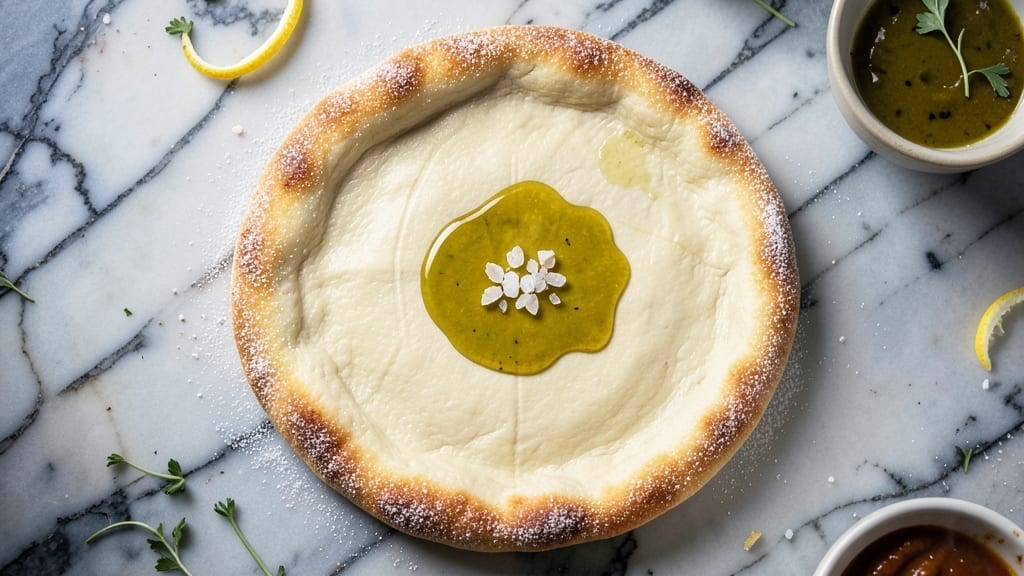
Mastering 1kg 00 flour pizza dough transforms your home cooking into professional pizzeria quality. The secret lies in precise hydration, gentle handling, and proper fermentation—technique that creates an airy, stretchy base that holds toppings perfectly without tearing.
I’ve perfected this method after years of testing, and the results speak for themselves: a dough that’s light enough to fold like silk yet sturdy enough to support heavy toppings without collapsing.
This recipe uses a 60% hydration ratio—the ideal balance for a dough that’s easy to work with but still develops maximum gluten for that signature chewy-yet-airy texture.
The key steps include autolyse (resting the dough before kneading), a cold fermentation for enhanced flavor, and careful shaping to avoid overworking the gluten. Whether you’re making a classic Margherita or a loaded deep-dish, this dough delivers a crispy yet tender crust every time.
What sets this dough apart is its versatility—it works equally well for thin-crust, stuffed-crust, or even focaccia. The cold fermentation (overnight in the fridge) not only develops deeper flavor but also makes the dough easier to handle when you’re ready to shape.
No more struggling with sticky, overproofed dough—this method ensures a foolproof result, even for beginners.
Once you try this dough, you’ll never go back to store-bought. The high protein content of 00 flour creates a delicate yet sturdy structure, while the slow fermentation builds complex, savory notes that elevate any pizza.
Ready to elevate your pizza game? Let’s get started with the exact measurements and techniques that make this dough a game-changer.
Ingredients for 1kg 00 flour pizza dough
Eight simple ingredients create a pro-quality pizza dough that stretches like silk.
| Ingredient | Amount | Notes |
|---|---|---|
| 00 Flour 🌾 | 1000 g | High-protein for elasticity |
| Water 💧 | 600 ml | Room temperature preferred |
| Active Dry Yeast 🍞 | 2 ½ g | Or 1 packet (7g) |
| Fine Sea Salt 🧂 | 20 g | Diamond Crystal preferred |
| Extra-Virgin Olive Oil 🫒 | 2 tbsp | For dough elasticity |
| Granulated Sugar 🍚 | 10 g | Optional, for yeast activation |
| Semolina Flour 🌾 | 1 cup | For dusting work surface |
| Cornmeal 🌽 | 2 tbsp | For pizza peel |
The 00 flour is non-negotiable—its high protein content (12-13%) creates that signature chewy-yet-airy texture. Caputo or Mulino Bianco are my go-tos, but any quality 00 flour works. The yeast should be fresh (test it in warm water—it should foam within 5 minutes). For the salt, Diamond Crystal dissolves more easily than table salt, and the flavor is superior. If your flour is old, add an extra teaspoon of olive oil to compensate for lost elasticity. The sugar is optional but helps activate the yeast faster—skip it if you’re using a cold fermentation method.
No 00 flour? All-purpose flour plus 1 tbsp vital wheat gluten gets you close, though the texture won’t be quite as tender. Running short on yeast? Instant yeast works 1:1, but active dry yeast gives better flavor development. The olive oil can be swapped for avocado oil, but olive oil’s fruity notes add depth. For a gluten-free version, use a 1:1 gluten-free flour blend with xanthan gum, though the texture will differ. The semolina and cornmeal are just for dusting—use whatever you’ve got (even all-purpose flour in a pinch), but don’t skip this step entirely.
This dough keeps beautifully in the fridge for up to 3 days, with flavor improving each day. For longer storage, freeze shaped dough balls wrapped in plastic for up to 3 months. When ready to use, let them sit at room temperature for 1-2 hours before stretching. I portion mine into 250g balls for 12-inch pizzas—weighing them ensures even cooking. The dough doubles in size during cold fermentation, so don’t overproof it. If it springs back too slowly when poked, it’s ready.
Why You’ll Love This Recipe
- Four-Ingredient Magic: I swear, just flour, water, yeast, and olive oil—no fancy add-ins needed. The dough stretches like a dream, and that golden crust? Pure reward for minimal effort.
- Crispy-Chewy Gold: The 00 flour gives it that perfect snap, while the olive oil keeps it tender. One bite and you’ll understand why Neapolitan pizzerias charge what they do.
- Meal Prep MVP: Make a batch on Sunday, store it in the fridge, and stretch it into pizzas all week. No last-minute stress—just pull, shape, and bake.
- Budget Stretch: A kilo of flour and a packet of yeast feed my family for weeks. Leftovers? Freeze the dough balls for months. This is cooking without breaking the bank.
Instructions for a light, airy 00 flour pizza base
Here’s the method that delivers professional-quality dough with perfect elasticity and stretch.
Activate the Yeast with Warm Water and Sugar
In a small bowl, combine the 600 ml water with the 10 g granulated sugar and 2.5 g active dry yeast. Let it sit for 5-10 minutes until you see bubbles forming on the surface—this confirms the yeast is alive and ready to work. The water should be warm to the touch (around 105-110°F), but not hot enough to kill the yeast.
I like to use a thermometer for this step because yeast can be finicky. If the water’s too hot, the yeast will die; if it’s too cold, it won’t activate properly. The bubbles should be steady and frequent, not just a few isolated ones. Once active, proceed immediately to the next step—don’t let the yeast mixture sit too long or it’ll overproof.
Mix the Dough with High-Protein 00 Flour
In a large stand mixer fitted with the dough hook attachment, combine the 1000 g 00 flour and 20 g fine sea salt. Add the yeast mixture and the 2 tbsp extra-virgin olive oil to the mixer bowl. Mix on low speed for 2 minutes until the flour is fully hydrated and begins to form a shaggy mass.
This high-protein flour is key for that signature pizza stretch. The olive oil adds elasticity, but don’t overdo it—too much will make the dough too soft. After 2 minutes, increase the speed to medium and knead for 8-10 minutes until the dough becomes smooth, elastic, and pulls away from the sides of the bowl. You’ll know it’s ready when it forms a windowpane—stretch a small piece between your fingers and it should thin out without tearing.
Bulk Ferment for Optimal Flavor Development
Transfer the dough to a lightly oiled bowl, cover it with a damp kitchen towel, and let it rise at room temperature for 1-2 hours or until it has nearly doubled in size. The dough should feel light and airy, with a slight springiness when pressed gently. This first rise is crucial for developing gluten structure and flavor.
I like to set my dough in a warm spot—like near the oven with the light on—to encourage consistent fermentation. Don’t skip this step; rushing the bulk fermentation will result in a dense, chewy pizza crust. If your kitchen is cold, extend the time to 2.5 hours to allow for proper yeast activity. The dough should puff up noticeably and have a pleasant yeasty aroma when ready.
Shape and Rest for Perfect Stretch
Turn the dough out onto a surface dusted with 1 cup semolina flour and divide it into 4 equal pieces (about 250 g each). Shape each piece into a ball by pulling the dough toward you in a rolling motion, then tucking the edges underneath. Let the shaped dough rest for 20-30 minutes at room temperature—this final rest relaxes the gluten, making it easier to stretch later.
This resting period is often overlooked, but it’s what transforms good dough into exceptional dough. The gluten strands realign, and the dough becomes more pliable. During this time, I like to cover the shaped dough loosely with plastic wrap to prevent drying. The dough should feel smooth and slightly tacky to the touch, with a slight resistance when pressed—this is the ideal texture for stretching.
Prepare for Cooking with Cornmeal
Before using the dough, sprinkle 2 tbsp cornmeal onto your pizza peel or baking surface. This creates a non-stick barrier that prevents sticking and adds a subtle crunch to the crust. The cornmeal also helps with crisping—it conducts heat more efficiently than flour, giving you that perfect char on the bottom.
Now your dough is ready for shaping and topping. The high protein content in 00 flour means it stretches beautifully without tearing, but don’t overwork it at this stage. Gently stretch the dough by hand, using your knuckles or fingertips to create the perfect thin crust. The dough should be pliable but still offer some resistance—this indicates proper gluten development from the fermentation process.
Pro Tips For Making 1kg 00 Flour Pizza Dough
- Use Room-Temp Ingredients: DESCRIPTION: Cold flour and water slow yeast activation—trust me, I’ve fought this battle. Let your 00 flour, water, and olive oil sit out for at least 2 hours before mixing, or your dough will take forever to rise. (Yes, even in summer—yeast hates surprises.)
- Autolyse First: DESCRIPTION: Mix just the flour and water (no yeast, no salt) and let it rest for 30–60 minutes. This relaxes the gluten and makes kneading easier—after years of fighting stiff dough, I finally realized this step is non-negotiable for a smooth, extensible crust.
- Salt the Water: DESCRIPTION: Dissolve the fine sea salt directly into the water before mixing—it distributes evenly and prevents clumpy dough. I used to sprinkle it in later and ended up with uneven saltiness (and a dough that fought me during shaping).
- Stretch, Don’t Fold: DESCRIPTION: When shaping, resist the urge to fold or tuck edges—just gently stretch the dough outward in all directions. Folding traps air and makes the crust tough; a few slow, patient pulls give you that professional-looking, airy center. (Patience pays off here.)
Flavor customization for this 1kg 00 flour pizza dough
Classic Margherita
Start with the timeless Italian combination: 250g dough, 100g fresh mozzarella (cut into thin slices), 5-6 basil leaves, and 2 tbsp tomato sauce (San Marzano preferred). Spread sauce thinly, add mozzarella, then basil.
Bake at 500°F for 10-12 minutes until edges crisp. The high heat caramelizes the sugars in the sauce, creating that perfect balance of sweet and tangy flavors. 🌿
Spicy Arrabbiata
For heat lovers, use 1 tbsp arrabbiata sauce (store-bought or homemade with 1 tsp red pepper flakes), 80g mozzarella, and ¼ tsp chili oil> drizzled after baking. Add ½ tsp crushed fennel seeds to the dough for extra depth.
The chili oil adds a smoky kick that pairs perfectly with the tangy tomato sauce. I like to finish with fresh basil and a squeeze of lemon for brightness.
White Truffle Focaccia
Skip the tomato sauce entirely and brush the dough with 2 tbsp olive oil mixed with 1 tbsp white truffle paste. Top with 50g shaved pecorino, 1 tbsp chopped rosemary, and flaky sea salt.
Bake at 475°F for 12-15 minutes until golden. The truffle paste adds an earthy richness that transforms this into a luxurious appetizer. Serve with a side of aged balsamic glaze> for dipping.
BBQ Chicken Crunch
Spread 3 tbsp BBQ sauce> (Sweet Baby Ray’s works well) on the dough, then top with 100g cooked shredded chicken, ¼ red onion> (thinly sliced), and 50g smoked mozzarella. Finish with 1 tbsp chopped cilantro> and a sprinkle of crushed red pepper flakes.
Bake at 475°F for 12 minutes—the BBQ sauce caramelizes beautifully, creating a sweet-savory crust. This fusion style became famous at California pizzerias in the ’80s.
Breakfast Pizza
Use 2 tbsp ricotta cheese> as your base, then add 2 eggs> (lightly beaten), ¼ cup diced ham, ¼ cup shredded cheddar, and 2 tbsp chopped chives. Bake at 450°F for 14-16 minutes until the eggs are set.
The ricotta adds creaminess while the eggs create a custard-like texture. Top with hot sauce> and extra chives for a morning meal that feels indulgent.
Herb & Goat Cheese
Spread 3 tbsp herbed goat cheese> (mix with 1 tbsp chopped thyme> and 1 clove minced garlic), then top with ¼ cup arugula, ¼ cup cherry tomatoes> (halved), and 1 tbsp honey.
Drizzle with balsamic reduction> after baking. The goat cheese adds tangy complexity, while the honey balances the acidity. Bake at 475°F for 10-12 minutes—this combination is perfect for spring or summer evenings.
Nutrition facts
Frequently asked questions about 00 flour pizza dough
Why does this recipe use 60% hydration?
The 60% hydration (600g water to 1000g flour) creates the perfect balance for a dough that stretches beautifully without being too sticky or too dry. This ratio develops ideal gluten structure for that signature chewy-yet-airy texture while remaining manageable for home cooks. Too much water makes the dough difficult to handle, while too little results in a dense crust.
Can I make this dough without a stand mixer?
Mix by hand in a large bowl using a wooden spoon first, then knead on a lightly floured surface for 10-12 minutes until smooth and elastic. The key is patience—keep pulling and folding the dough until it passes the windowpane test (stretch a small piece between fingers until translucent). Your arms will get a workout, but the result will be just as professional!
What’s the best way to store shaped dough balls?
Place shaped dough balls in an airtight container lined with parchment paper, then refrigerate for up to 3 days. For longer storage, freeze them for up to 3 months. When ready to use, thaw at room temperature for 1-2 hours—never microwave, as it kills the yeast and changes the texture. The cold fermentation actually improves flavor over time!
How do I know when the dough is properly proofed?
Gently press the dough with one finger—if it springs back slowly (not immediately) and leaves a slight indentation, it’s ready. Overproofed dough won’t spring back at all and will feel hollow when pressed. For cold fermentation, the dough should double in size after 12-16 hours in the fridge. The edges should look slightly puffy, and it should feel light and airy.
Can I use this dough for deep-dish pizza?
This recipe works best for thin-crust or stuffed-crust pizzas, but you can adapt it for deep-dish by increasing hydration slightly to 65% (add 50g more water) and using a longer bulk fermentation (2-3 hours) to develop more gluten. For a true deep-dish, consider doubling the recipe and using a pie dish. The high protein in 00 flour gives it the strength needed for thicker crusts, though the texture will be slightly denser than traditional deep-dish.

- 6 Egg Cake Recipe with Oil: Light as Air With Buttery Moisture - October 4, 2026
- 4 Bean Casserole Recipe: One-Pan Heartiness With Smoky Paprika Depth - October 4, 2026
- 3-Ingredient Keto Mug Cake Recipe: Microwave Magic in 2 Minutes - October 4, 2026