
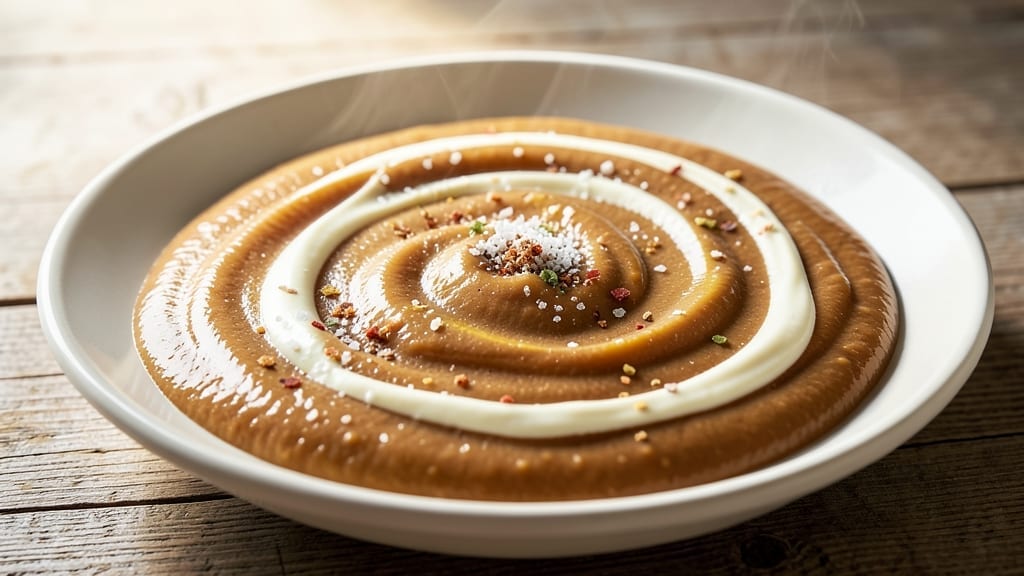
Mastering a 2-cup béchamel sauce recipe in just 10 minutes transforms ordinary dishes into restaurant-quality masterpieces. This velvety, smooth sauce—made with simple ingredients like butter, flour, and milk—is the secret weapon behind creamy casseroles, lasagnas, and mac and cheese.
The key lies in patience and temperature control, ensuring no lumps or graininess ruin the silky texture.
What sets this recipe apart is its precision: equal parts butter and flour create a perfect roux, while gradual milk addition prevents clumping. The sauce thickens effortlessly, yielding a rich, velvety consistency that clings beautifully to pasta, vegetables, or proteins.
For extra depth, consider adding a pinch of nutmeg or a splash of cream, but the classic version remains foolproof for beginners and seasoned cooks alike.
Once complete, you’ll have a 2-cup batch ready to elevate any dish—whether it’s a cheesy baked pasta, a creamy soup, or a decadent gratin. The sauce keeps well in the fridge for up to 5 days, making it ideal for meal prep.
For best results, reheat gently over low heat, stirring constantly to maintain that velvety smoothness.
Optional variations include stirring in cheddar cheese for mac and cheese or fresh herbs for a lighter touch. The possibilities are endless, but the foundation remains the same: a flawless, creamy béchamel that turns ordinary meals into something extraordinary. Let’s get started!
Ingredients for 2 cups bechamel sauce
Seven essential ingredients transform into velvety béchamel in minutes—perfect for elevating any dish.
| Ingredient | Amount | Notes |
|---|---|---|
| Unsalted Butter 🧈 | ½ cup | Cold, cubed for even cooking |
| All-Purpose Flour 🌾 | ½ cup | Sifted for smooth texture |
| Whole Milk 🥛 | 2 cups | Room temperature preferred |
| Ground Nutmeg 🌿 | ¼ tsp | Freshly grated for aroma |
| Diamond Crystal Kosher Salt 🧂 | ¼ tsp | Adjust to taste |
| Heavy Cream 🥛 | ¼ cup | Optional for extra richness |
| Fresh White Pepper 🌶️ | ⅛ tsp | Freshly cracked for subtle flavor |
The butter and flour form the foundation, so prioritize high-quality unsalted butter—it melts more cleanly and prevents flavor imbalances. King Arthur or Gold Medal flour works best for its protein balance, ensuring a smooth roux. For the milk, whole milk at room temperature prevents lumps, though cold milk works in a pinch. Nutmeg is non-negotiable here—freshly grated adds warmth, while pre-ground loses potency. If you’re making this for a crowd, double the batch—2 cups scales perfectly for 4 servings of pasta or casserole.
No nutmeg? Mace or cinnamon at half the amount provides a similar depth, though nutmeg remains ideal. Substituting milk? Half-and-half or coconut milk works, though texture may vary slightly. For a lighter version, replace half the milk with low-fat milk and an extra tablespoon of butter. The heavy cream is optional but adds luxurious body—use full-fat for best results. If you accidentally overcook the roux, whisk in a splash of cold milk to reset the texture. And always, always whisk constantly—this prevents lumps better than any shortcut.
Freshly made béchamel keeps in the fridge for 5 days in an airtight container, though it thickens further upon reheating. For long-term storage, freeze in ice cube trays—thaw and whisk to restore smoothness. To reheat, warm over low heat on the stovetop, stirring frequently to avoid graininess. If the sauce separates, whisk vigorously or blend briefly to restore its velvety consistency. The sauce also freezes beautifully for up to 3 months, making it ideal for meal prep.
Why You’ll Love This Recipe
- Five-Ingredient Magic: I swear by this—just butter, flour, milk, nutmeg, and salt. That’s it. No fancy pantry raids, no last-minute grocery runs. The roux builds itself while you measure milk, and before you know it, you’ve got velvety sauce without the stress.
- Nutmeg Secret Weapon: Honestly, that pinch of nutmeg transforms this from good to oh-my-god. It’s subtle but undeniable—a warm, cozy depth that makes this sauce taste like it simmered for hours, not minutes. (Yes, even when I rush.)
- Leftovers = Gold: This sauce keeps like a champ in the fridge for days, and it reheats beautifully. Toss it into pasta, stir into baked potatoes, or drizzle over roasted veggies—it’s my lazy Sunday lunch savior. No waste, all flavor.
- Budget Stretch: Butter and milk are pantry staples, and a little goes a long way. I make this twice a month and feed my family dinners that feel fancy without breaking the bank. (My wallet thanks me every time.)
Step-by-step instructions for perfect 2-Cup béchamel sauce
Here’s the method I’ve used for years to create a flawlessly smooth, velvety béchamel every time.
Melt Butter Over Medium Heat
Place a medium saucepan over medium heat and add the 0.5 cup unsalted butter, cut into small cubes. Allow it to melt completely, then increase heat to medium-high until the butter begins to foam but hasn’t yet browned. This should take about 2-3 minutes—watch carefully to avoid burning.
I like to see small bubbles form around the edges of the pan before proceeding. The butter should be fully melted but not colored—any browning will impart a bitter taste to your sauce. This is your foundation, so take your time here to get it right.
Whisk in Flour to Form a Roux
Reduce heat to medium-low and immediately add the 0.5 cup all-purpose flour, whisking constantly for 1-2 minutes until the mixture becomes a smooth, pale golden paste. This is called a roux, and it’s the secret to a proper béchamel.
Keep whisking vigorously—this prevents lumps from forming and ensures even cooking. You’re looking for a color between pale blonde and light tan, similar to the shade of a well-made pancake batter. If it darkens beyond this, your sauce will develop a raw flour taste.
Gradually Add Milk for Smooth Incorporation
Begin adding the 2 cups whole milk very slowly—about ¼ cup at a time—whisking continuously to prevent lumps from forming. After each addition, wait until the mixture smooths out before adding more. This gradual approach creates an emulsion that gives béchamel its signature velvety texture.
I find it helpful to use a small ladle or measuring cup for precise pouring. The sauce should thicken gradually as you add the milk, forming a glossy, creamy consistency. If you see any lumps, immediately whisk them out—they won’t dissolve once the sauce thickens.
Simmer Until Thickened and Smooth
Once all the milk is incorporated, increase heat to medium-low and continue cooking, stirring constantly with a wooden spoon, for 5-7 minutes until the sauce thickens enough to coat the back of a spoon. It should reach a consistency similar to heavy cream but slightly thicker.
This is where patience pays off. The sauce should bubble gently but not vigorously. If it starts to bubble too much, reduce heat slightly. You’re aiming for a smooth, glossy finish—no graininess or clumping. Taste and adjust seasoning with 0.25 tsp diamond crystal kosher salt and 0.25 tsp ground nutmeg.
Finish with Cream and Pepper for Depth
Remove the pan from heat and stir in the 0.25 cup heavy cream (if using) and 0.125 tsp fresh white pepper. Return to low heat for just 30 seconds to warm through—no longer, or the sauce may curdle. The cream adds richness while the pepper provides subtle warmth.
For an extra-smooth finish, strain the sauce through a fine-mesh sieve into a clean saucepan. This removes any microscopic flour particles that might make the texture slightly grainy. Your béchamel is now ready to use immediately or be held at 160°F for up to 2 hours if needed.
Pro Tips For Making 2 Cups Bechamel Sauce
- Melt Butter Slowly: I learned this the hard way—dumping cold butter straight into the pan makes the roux seize up like a stubborn mule. Instead, cut the butter into small cubes (about ½-inch) and let them melt gradually over medium-low heat, stirring constantly. You want it to foam and bubble gently before adding flour—no rushing, or you’ll end up with a grainy mess.
- Whisk Like Your Life Depends On It: The second you add flour to melted butter, grab that whisk and don’t stop. Use a hand whisk or electric mixer on medium-high to avoid lumps—this isn’t the time to half-ass it. I used to think stirring with a spoon was fine, but lumps in béchamel are like sand in a gourmet dish: noticeable and annoying.
- Temper the Milk: Cold milk dumped into a hot roux is a one-way ticket to scrambled béchamel city. Warm the milk first—just enough to feel slightly tepid (like bathwater) before slowly ladling it in. This keeps the sauce smooth and prevents curdling. Pro move: Heat the milk in the same pot you’ll use for the sauce to save on cleanup.
- Salt in Stages: Taste as you go—this isn’t optional. Add half the salt (about ¼ teaspoon) with the milk, then adjust at the end. Unsalted butter and Diamond Crystal salt are both milder than table salt, so you’ll need more than you think. Trust me, under-salting béchamel is a crime against comfort food.
Wine and beer pairings for this dish
Classic White Wine
For a traditional pairing, reach for a crisp Chardonnay with subtle oak notes—look for a California or Burgundy variety. The buttery undertones complement the sauce’s richness while the acidity cuts through the creaminess. A Sancerre or Meursault also works beautifully, balancing the nutmeg’s warmth with their mineral finish. 🍷
Serve your béchamel with Chablis if you prefer a drier profile that won’t overpower the dish. The high acidity in these wines cleanses your palate between bites, making each spoonful of sauce taste fresh.
I always keep a bottle of Louis Latour Chardonnay on hand for this purpose—it’s my go-to for creamy dishes.
Rich Red Options
Contrary to popular belief, some red wines pair surprisingly well with béchamel. A light-bodied Pinot Noir from Oregon or Northern Italy adds earthy notes that enhance the nutmeg’s warmth.
The Pinot Grigio I mentioned earlier? Its red cousin, Pinot Noir, works too—just avoid heavy Cabernets that could clash with the sauce’s delicate texture.
Beer Pairings
A Belgian witbier like Hoegaarden brings citrusy brightness that contrasts the sauce’s creaminess. The coriander and orange peel notes in these beers create a refreshing balance. For a darker option, try a German Hefeweizen—its banana and clove undertones harmonize with the nutmeg. 🍺
If you prefer lagers, a crisp Pilsner (like Stella Artois) works surprisingly well. The clean, hoppy finish cuts through the richness without overpowering the dish. I’ve even paired béchamel with a light American IPA for a fun, unexpected twist—the hop bitterness provides a nice contrast.
Unexpected Sparkling
Don’t overlook Prosecco or Cava for a festive touch. Their effervescence and slight sweetness complement the creamy sauce beautifully. A demi-sec sparkling wine adds just enough sweetness to balance the nutmeg’s earthiness. This pairing works especially well for holiday dishes like gratin Dauphinois or cheesy pasta bakes.
For a non-alcoholic option, sparkling apple cider (chilled) provides the same refreshing contrast. The acidity in the cider mimics wine’s cleansing effect, making it a great summer alternative. I’ve used this pairing at summer potlucks with great success—it’s a crowd-pleaser!
Nutrition facts
Frequently asked questions
Why does my béchamel sauce get lumpy?
Lumps form when flour and milk aren’t properly emulsified. Always whisk constantly when adding milk—start with ¼ cup at a time and wait until each addition fully incorporates. For stubborn lumps, blend briefly with an immersion blender or strain through a fine-mesh sieve. The key is patience and gradual incorporation!
Can I make béchamel without butter?
Yes! For a lighter version, substitute butter with olive oil (same amount) or vegetable shortening. However, butter adds flavor and richness—omit it only if you’re avoiding dairy. The texture will be slightly different but still creamy. For vegan options, use plant-based butter or coconut oil.
How do I fix béchamel that’s too thick?
Thin with warm milk or cream, 1 tablespoon at a time, whisking constantly. For a quick fix, stir in 1 teaspoon of butter or cream cheese to add richness without thinning. If it’s too thin, simmer uncovered for 2-3 minutes to reduce moisture. Always taste as you go!
What dishes work best with this béchamel?
This 2-cup batch is perfect for mac and cheese, lasagna, creamy soups, or gratin dishes. It also elevates chicken pot pie, stuffed shells, or vegetable casseroles. For extra flavor, stir in cheddar cheese or herbs before serving.
Can I make béchamel ahead of time?
Store in an airtight container in the fridge for 5 days or freeze for 3 months. To reheat, warm over low heat while stirring constantly. If it thickens too much, whisk in 1-2 tablespoons of milk or cream to restore smoothness. For freezing, portion into ice cube trays for easy thawing.

- 3lb Prime Rib Roast Recipe: Juicy Pink Center Guaranteed in 3 Hours - October 31, 2026
- 5 Spice Cake Recipe: Warmly Spiced Layers With Crunchy Top - October 31, 2026
- 1950’s Macaroni and Cheese Recipe: Nostalgic Creamy Cheese Sauce with Buttery Noodles - October 31, 2026