
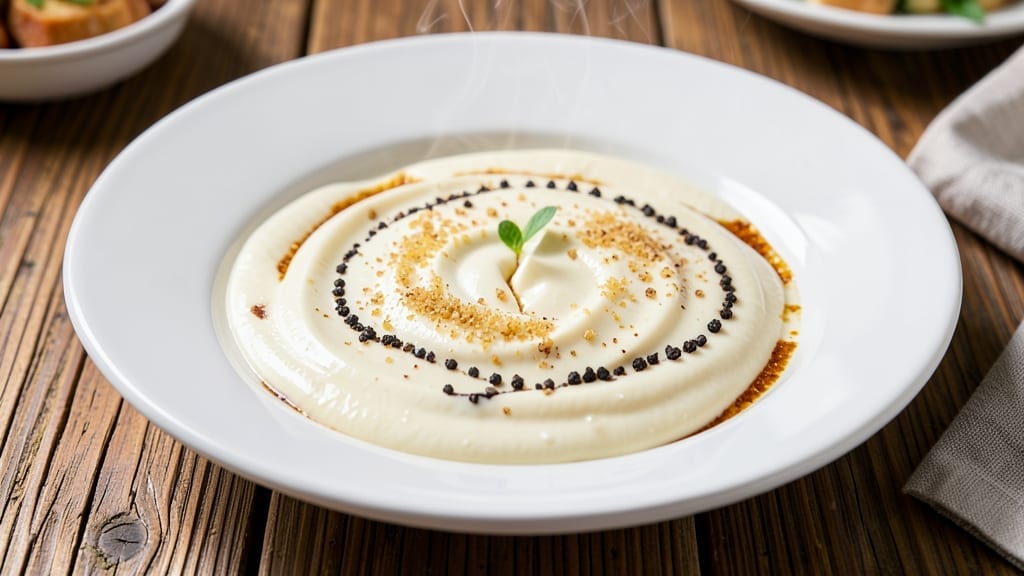
Creating a 2-cup white sauce is the foundation for countless comforting dishes—from creamy pasta to velvety casseroles. This classic roux-based sauce delivers a smooth, velvety texture that clings perfectly to noodles or blankets potatoes.
The secret lies in proper technique: whisking continuously over medium heat prevents lumps, while slow simmering builds depth of flavor without breaking.
What sets this recipe apart is its versatility—use it as-is for a neutral base or customize with herbs, cheese, or a splash of lemon to elevate any dish. The sauce thickens naturally as it cooks, but you can adjust consistency with a cornstarch slurry if needed.
Perfect for weeknight dinners or meal prep, this sauce transforms simple ingredients into something restaurant-worthy. The result is a silky, rich sauce with a delicate balance of creaminess and subtle buttery notes. It coats every bite, whether drizzled over fettuccine or layered in a baked potato.
The best part? It comes together in under 15 minutes with just a few pantry staples, making it a go-to for home cooks who crave professional results without the fuss.
For even more flexibility, try swapping butter for olive oil for a lighter version, or add a pinch of nutmeg for warmth. Let’s get cooking!
Ingredients for 2 cups white sauce
Eight essential ingredients create this velvety white sauce foundation for endless dishes.
| Ingredient | Amount | Notes |
|---|---|---|
| Unsalted Butter 🧈 | ½ cup | Cold cut into small cubes |
| All-Purpose Flour 🌾 | ½ cup | Sifted for smooth texture |
| Whole Milk 🥛 | 1 ½ cups | Full-fat preferred for creaminess |
| Diamond Crystal Kosher Salt 🧂 | ¼ tsp | Adjust to taste |
| Freshly Ground White Pepper 🌶️ | ⅛ tsp | For subtle seasoning |
| Fresh Nutmeg 🍃 | ⅛ tsp | Finely grated for warmth |
| Cornstarch 🌾 | 1 tbsp | For thickening if needed |
| Extra-Virgin Olive Oil 🫒 | 1 tbsp | Optional for lighter version |
The butter and flour form the sauce’s backbone—European-style butter like Plugrá or Land O’Lakes has higher fat content, creating a richer roux. For flour, King Arthur or Bob’s Red Mill brands sift beautifully, eliminating lumps. Whole milk delivers the creamiest texture, but 2% works in a pinch. The key is keeping the roux pale golden—darkening it too much adds bitterness. If you’re short on butter, olive oil makes a lighter version, though it lacks the same richness.
No unsalted butter? Salted butter plus 1/8 tsp less salt works, but unsalted gives you full control. Swapping milk? Heavy cream makes it ultra-rich, while half-and-half lightens it slightly. For a dairy-free version, unsweetened almond milk plus 1 tbsp cornstarch mimics the texture. The nutmeg is optional but adds that signature restaurant warmth—pre-grated is fine, but freshly grated has more punch. If your sauce separates, whisk in 1 tsp cornstarch mixed with 1 tsp cold water until smooth.
This sauce reheats beautifully—just warm gently on low heat, stirring constantly. Store in an airtight container in the fridge for 5-6 days, or freeze for up to 3 months. For meal prep, portion into ice cube trays before freezing—perfect for adding to soups or sauces later. The cornstarch slurry keeps it stable, but if you prefer a more natural thickener, simmer uncovered for 2-3 extra minutes to evaporate excess moisture.
Why You’ll Love This Recipe
- I’ll be real: butter and flour are staples, and milk is cheap. This recipe stretches my grocery budget without sacrificing flavor. Plus, it’s the kind of sauce that makes leftovers taste like a restaurant meal—because a little goes a long way.
- Three-Ingredient Magic: The butter, flour, and milk are all you need—no fancy techniques, no extra steps. I melt the butter, whisk in the flour, then slowly add warm milk while stirring. That’s it. Even when I’m exhausted after work, this sauce comes together smoother than my old takeout habit.
- Velvety, Not Greasy: Here’s what sold me—the balance. The flour thickens it just right, the milk keeps it luscious, and that pinch of kosher salt and white pepper? It’s rich without feeling heavy. Drizzle it over pasta, and you’ll taste why “simple” doesn’t mean “boring.”
- Weeknight Superstar: Between us, this is my go-to for casseroles, mashed potatoes, or even a quick chicken dinner. Double the batch, store it in the fridge, and reheat it all week. Honestly, my freezer’s full of this stuff—because nothing beats a sauce that works as hard as I do.
Step-by-step instructions for velvety cream sauce
Master this classic white sauce foundation—smooth, velvety, and infinitely versatile.
Create the Roux for Flavor Base
Melt the 0.5 cup unsalted butter in a medium saucepan over medium-low heat. Watch carefully—you want gentle bubbling without browning. Once fully melted, immediately whisk in the 0.5 cup all-purpose flour, stirring constantly for 2-3 minutes until the mixture turns a uniform golden color and smells nutty.
This roux forms the flavor backbone of your sauce. If it darkens too quickly, reduce the heat slightly. The golden color indicates proper development, which creates depth when the milk is added. Keep the heat low—rushing this step leads to a grainy, floury taste instead of smoothness.
Gradually Incorporate the Milk
Slowly pour in the 1.5 cups whole milk while whisking vigorously to prevent lumps. Add it in a thin, steady stream—about ¼ cup at a time. Once half the milk is incorporated, increase heat to medium and continue whisking until the mixture thickens slightly before adding more.
The key here is patience. Adding milk too quickly creates lumps that never dissolve, no matter how much you whisk later. The sauce should thicken gradually, coating the back of a spoon. If you see any lumps forming, immediately press them against the pan’s side with a wooden spoon until smooth.
Season and Thicken to Perfection
Stir in the 0.25 tsp Diamond Crystal kosher salt, 0.125 tsp freshly ground white pepper, and 0.125 tsp freshly grated nutmeg. For extra richness, whisk in the 1 tbsp extra-virgin olive oil (optional). Simmer gently for 5-7 minutes until the sauce coats the back of a spoon and reaches your desired consistency.
If the sauce thickens too much, whisk in 1 tbsp cornstarch mixed with 1 tablespoon cold water to adjust texture. For a lighter version, add a splash of milk. The nutmeg adds subtle warmth while the white pepper provides depth without overpowering. Taste frequently—adjust seasoning before using with other ingredients.
Finish and Use Immediately
Remove the pan from heat and let the sauce sit for 1-2 minutes to allow flavors to meld. The sauce should be smooth, velvety, and ready to use. For best results, use immediately over pasta, potatoes, or as a base for other dishes. If storing, cool quickly in an airtight container and refrigerate for up to 3 days.
This sauce serves as the perfect canvas for countless variations—add cheese for mac and cheese, herbs for a herb sauce, or a splash of cream for extra richness. The secret to success lies in the slow, steady process and proper seasoning. Each component plays a crucial role in creating that signature velvety texture we all love.
Pro Tips For Making 2 Cups White Sauce
- Whisk Like You Mean It: The moment you add milk to the butter-flour roux, stop stirring and whisk aggressively for 30 seconds. I used to let it simmer gently, and the sauce would clump like glue—this keeps it silky smooth from the start. (Yes, even if you’re impatient like me.)
- Salt the Butter First: Toss in half the kosher salt with the butter before melting it—this dissolves completely and seasons the base. I learned this the hard way: adding salt later leaves uneven flavor, and you’ll keep tasting the unsalted butter.
- Watch the Heat After Milk: Once the milk hits the roux, drop the heat to medium-low and let it bubble gently for 2–3 minutes. After burning three batches, I finally figured out: rushing this step turns your creamy sauce into scrambled eggs.
- Strain for Silky Results: Pour the finished sauce through a fine-mesh strainer into your serving dish—it removes those tiny flour bits that make sauce look (and taste) grainy. Sounds weird, but it works: my grandmother swore by this, and she was right.
Best sauces and condiments for 2 cups white sauce
Classic Béchamel Base
This foundational white sauce is the backbone of countless dishes, from mac and cheese to au gratin potatoes. Start with the butter-and-flour roux—cook it until golden but not browned to avoid bitterness.
The whole milk adds creaminess, while the nutmeg and white pepper provide subtle warmth. For extra depth, finish with a splash of lemon juice—just 1 tsp brightens the flavor beautifully. 💫
Cheesy Variations
Transform this sauce into mac and cheese by stirring in 2 cups shredded sharp cheddar and ½ cup grated Gruyère until fully melted. For a baked potato topping, fold in ½ cup sour cream and ½ cup crumbled blue cheese—the tang cuts through the richness.
For a vegan version, replace butter with olive oil and use unsweetened almond milk plus 1 tbsp cornstarch for thickening.
Herb-Infused Twists
Add 1 tbsp fresh thyme leaves and 1 tsp lemon zest for a herb sauce perfect over roasted chicken or fish. For a garlic-parsley sauce, sauté 2 minced garlic cloves in the butter before adding flour, then finish with 2 tbsp chopped parsley.
A pinch of cayenne pepper (just ¼ tsp) adds a subtle kick without overpowering.
Thickening Adjustments
If your sauce is too thin, whisk in 1 tbsp cornstarch mixed with 1 tbsp cold water until smooth. For a lighter texture, simmer uncovered for 2-3 extra minutes to evaporate excess moisture.
If it’s too thick, thin with 1-2 tbsp warm milk. The goal is a coating consistency—it should cling to a spoon but still flow easily. 🥄
Global Adaptations
For a Japanese-inspired sauce, replace nutmeg with ½ tsp grated ginger and finish with 1 tsp soy sauce. A Mexican twist uses ½ tsp cumin and ½ cup tomato paste for a creamy enchilada sauce.
For an Italian touch, stir in ½ cup heavy cream and 1 tbsp Dijon mustard—perfect over eggplant parmesan. Each variation keeps the same technique but adapts flavors to your taste.
Nutrition facts
Frequently asked questions
Can I make this white sauce without butter?
Yes! For a lighter version, replace the butter with 1 tablespoon extra-virgin olive oil—it creates a golden roux that works beautifully. For a dairy-free option, use olive oil and unsweetened almond milk, adding 1 extra tablespoon cornstarch to help thicken. The texture will be slightly different but still creamy.
Why did my sauce get grainy?
Graininess usually happens when milk is added too quickly or the roux isn’t cooked long enough. Always whisk vigorously while adding milk in a slow stream, and cook the roux until it’s a pale golden color (about 2-3 minutes). If lumps form, press them against the pan with a wooden spoon until smooth.
How can I make this sauce extra creamy?
For maximum creaminess, use whole milk and consider adding 2 tablespoons heavy cream at the end. Another trick is to whisk in 1 tablespoon cold butter off the heat—it melts into the sauce, adding richness. For a cheesy boost, stir in ½ cup shredded Gruyère while simmering.
Can I double this recipe for a larger batch?
Simply double all ingredients, but use a larger saucepan (at least 3-quart capacity) to prevent overflowing. Keep whisking constantly as you add milk to avoid lumps. The sauce will yield about 4 cups total. Store any extra in an airtight container for up to 5 days in the fridge.
What’s the best way to reheat leftover sauce?
Gently reheat on the stovetop over low heat, stirring frequently to prevent scorching. For extra smoothness, add 1 tablespoon milk or water to loosen it up. Avoid microwaving—it can create hot spots and make the sauce grainy. If the sauce thickens too much, thin with a splash of milk while reheating.

- 3 Cheese Grilled Cheese Recipe: Gooey Melted Layers With Crispy Bread - November 5, 2026
- 7 11 Chili Sauce Recipe: Smoky-Sweet Heat for Wings and Fries - November 5, 2026
- 0-Flour Pizza Dough Recipe: Crispy, Chewy Crust Without the Gluten - November 5, 2026