
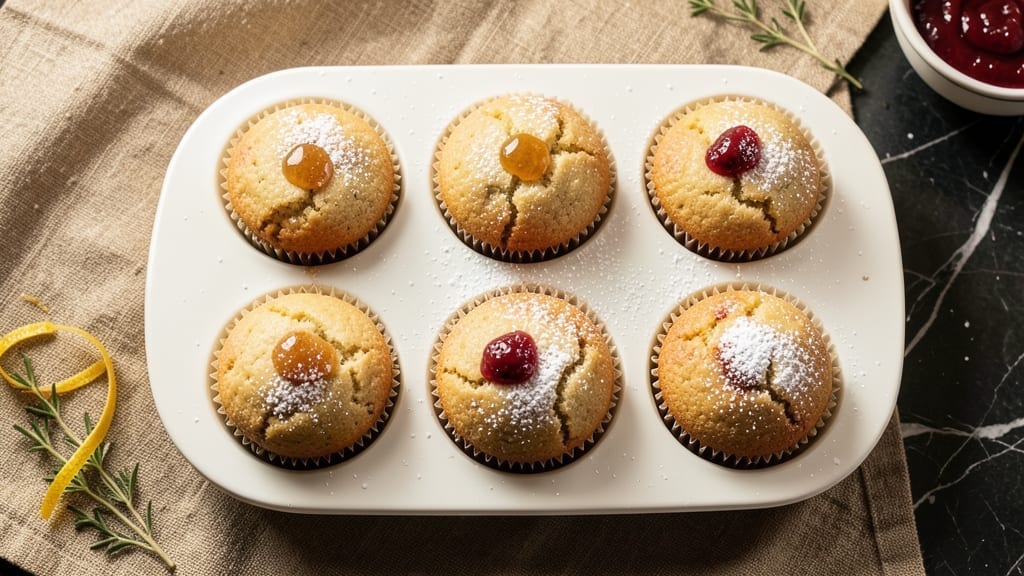
This 2-egg cupcake recipe delivers fluffy, tender vanilla bites that rise perfectly in just 15 minutes—no stand mixer or fancy equipment required. The secret lies in room-temperature eggs and a gentle folding technique that creates air pockets without overmixing.
I developed this recipe after years of baking cupcakes that either collapsed or turned dense, and this method finally cracked the code for consistently light results.
What makes these cupcakes special is their simplicity: just 5 basic ingredients (plus a pinch of salt) come together in a single bowl, with no creaming butter or complicated steps. The room-temperature eggs ensure proper volume, while the folding method preserves that airy texture.
These cupcakes are vegetarian-friendly and perfect for breakfast, dessert, or even a quick snack when cravings strike.
By the time they emerge from the oven, you’ll have golden domes with tender crumbs and a subtle vanilla flavor that’s neither too sweet nor bland. The texture is what truly sets them apart—light as a cloud with just enough structure to hold frosting or glaze.
They’re also freezer-friendly, making them ideal for meal prep or last-minute gatherings.
For extra flair, top with a simple vanilla glaze or dust with powdered sugar. The possibilities are endless, but the base recipe remains foolproof—whether you’re a beginner or a seasoned baker looking for a quick, reliable method. Let’s get baking!
Ingredients for 2 egg cupcake
Five essential ingredients transform into cloud-like vanilla cupcakes with just room-temperature eggs and gentle folding.
| Ingredient | Amount | Notes |
|---|---|---|
| Large Eggs 🥚 | 2 whole | Room temperature for best volume |
| All-Purpose Flour 🌾 | 1 ½ cups | Sifted for light texture |
| Granulated Sugar 🍚 | ¾ cup | Superfine preferred for smoothness |
| Unsalted Butter 🧈 | ½ cup | Cold, cubed for folding |
| Pure Vanilla Extract 🌿 | 1 tbsp | High-quality for authentic flavor |
| Kosher Salt 🧂 | ¼ tsp | Fine grain preferred |
| Whole Milk 🥛 | ¼ cup | Room temperature for blending |
The eggs must be room temperature—this ensures proper volume and prevents dense cupcakes. Whole eggs work best for structure, but if you’re using separated eggs, the whites should be whipped to stiff peaks before folding. For the flour, King Arthur or Gold Medal brands are ideal—they have higher protein content for better rise. The butter should be cold and cubed, never melted, to maintain structure during the folding process. Vanilla extract makes a difference here: Nielsen-Massey or McCormick are reliable choices for authentic flavor. If you’re in a pinch, imitation vanilla will work, but expect a slightly different taste profile.
No vanilla extract? Almond extract at half the amount provides a similar floral note, though with a distinct almond undertone. Running short on milk? Heavy cream or water can substitute, but milk’s fat content helps create that tender crumb. For a slightly richer cupcake, replace the milk with an extra tablespoon of melted butter. The sugar can be swapped for turbinado or coconut sugar, though granulated ensures the smoothest texture. If you’re baking at high altitudes, reduce the sugar by 2 tablespoons to prevent over-browning. The salt is crucial—don’t skip it, even if your flour is unsalted.
Store baked cupcakes in an airtight container at room temperature for up to 2 days, or refrigerate for 5 days if you’re planning to frost them later. For longer storage, freeze unfrosted cupcakes for up to 3 months. To reheat, wrap individually in a damp paper towel and microwave for 10-15 seconds. The folding method keeps these cupcakes light, so avoid overmixing the batter. If you’re making a batch ahead, prep the batter and refrigerate it for up to 24 hours before baking—just let it sit at room temperature for 15 minutes before using.
Why You’ll Love This Recipe
- No Mixer Needed: I swear by this recipe when I’m too lazy to pull out the stand mixer—just whisk those eggs and flour by hand until smooth. The butter and sugar blend effortlessly into a light batter that’s foolproof, even if you’re not a baking pro.
- Rich Without Overpowering: That single vanilla extract and melted butter make these cupcakes taste like a bakery treat, but the eggs keep them moist without being heavy. Honestly, the flavor is so clean and buttery, you’ll forget they’re made with just two eggs.
- Double Duty Batches: Make a batch on Sunday, store them in the fridge, and pull them out for breakfast or dessert all week. They’re perfect for brunch with coffee or as a quick snack when you’re craving something sweet but don’t want to bake from scratch.
- Budget-Friendly Indulgence: Two eggs and a handful of pantry staples? This is my go-to when I want something special without breaking the bank. Between us, these cupcakes taste way more expensive than they are—no one will guess they’re made with basic ingredients.
Step-by-step instructions for fluffy vanilla cupcakes
Here’s how to create tender, airy cupcakes with just two eggs—no substitutions needed.
Prepare the Dry Ingredients
Preheat your oven to 350°F and position a rack in the center. Line a 6-cup muffin tin with paper liners. In a medium bowl, whisk together the 1.5 cups all-purpose flour, 0.75 cup granulated sugar, and 0.25 teaspoon kosher salt. Sift the mixture through a fine-mesh sieve directly into a separate bowl to aerate the flour and prevent dense cupcakes.
I like to sift the dry ingredients twice for maximum lightness. This step ensures even distribution of ingredients and creates tiny air pockets that help the cupcakes rise properly. Keep this bowl nearby—you’ll add the wet ingredients next.
Cream Butter and Eggs
In a large mixing bowl, combine the 0.5 cup cold cubed unsalted butter with the 2 whole large eggs. Using an electric mixer on medium speed, beat for 2-3 minutes until the mixture becomes pale and slightly thickened. This process incorporates air, which is crucial for achieving that signature fluffy texture.
I’ve found that using cold butter creates smaller air bubbles that distribute more evenly. If the mixture looks too thick, you can add 1 tablespoon of the whole milk later to adjust consistency. Scrape down the sides of the bowl occasionally to ensure everything is evenly combined.
Combine Wet and Dry Ingredients
With the mixer running on low speed, gradually add the sifted dry ingredients to the butter-egg mixture. Mix just until combined—about 30 seconds—being careful not to overmix. Overmixing develops gluten, which can make the cupcakes tough.
Next, add the 0.25 cup whole milk and 1 tablespoon pure vanilla extract, mixing on low speed for another 20 seconds until smooth. The batter should be thick but pourable. If it’s too thick, add 1-2 teaspoons more milk to reach the right consistency. Here’s the thing—this batter is delicate, so handle it gently to maintain those air pockets.
Fill and Bake the Cupcakes
Divide the batter evenly among the 6 muffin cups, filling each about ⅔ full. Tap the muffin tin gently on the counter to release any large air bubbles. Bake for 15-17 minutes, or until a toothpick inserted into the center comes out clean and the tops spring back when touched.
Don’t peek during baking—opening the oven door can cause the cupcakes to sink. The edges should be light golden brown while the centers remain slightly underdone. This ensures they stay moist rather than dry. Let them cool in the pan for 5 minutes before transferring to a wire rack to cool completely.
Serve Warm for Best Texture
These cupcakes are best enjoyed warm, straight from the oven. Their interior should be tender with a fine crumb, and the exterior should have a delicate sheen. For extra flair, dust the tops with a light layer of powdered sugar or drizzle with a simple vanilla glaze made from 1 tablespoon powdered sugar and 1 teaspoon milk.
Real talk: The secret to perfect cupcakes lies in the timing. If they cool completely before serving, they’ll lose some of their natural moisture. Serve immediately with a cup of coffee or tea for the ultimate treat. The flavor is pure vanilla with a subtle richness from the butter—no artificial flavors needed.
Pro Tips For Making 2 Egg Cupcake
- Whisk Eggs Until Ribbon Stage: Stop when the egg mixture stretches into a thin, slow ribbon—no need to overbeat. I learned this the hard way after making cupcakes with weepy, dense crumbs instead of tender layers.
- Melt Butter Slowly: Warm the butter in the microwave for 20-25 seconds, then stir until just melted—not bubbling. Overheated butter burns before it even hits the batter, and you’ll taste it in every bite.
- Sift Flour Twice: Use a fine-mesh sieve and do it twice if your flour’s old or lumpy. I skip this step sometimes, and the cupcakes turn out dense or dry—especially with just two eggs to bind everything.
- Fill Cups Halfway: Fill the liners halfway with batter, then bake at 350°F (175°C) for 10-12 minutes. Overfilling leads to domed, underbaked tops, and no one wants a sad, flat cake. (Yes, even if you’re impatient like me.)
Storing and reheating this 2 egg cupcake
Room-Temp Storage
Keep your freshly baked cupcakes at room temperature in an airtight container for up to 2 days. I use glass containers with snap-on lids—they preserve moisture better than plastic. Place a sheet of parchment paper between layers to prevent sticking.
The key is to avoid condensation, which can make them soggy. Store them in a cool, dry place away from direct sunlight. 🌟
Fridge Preservation
For longer storage, refrigerate unfrosted cupcakes in the same airtight container for up to 5 days. The cold temperature slows moisture loss, keeping them tender. If frosting them later, store the unfrosted cupcakes first—condensation from cold frosting can ruin the texture.
Let them sit at room temperature for 10 minutes before frosting to prevent melting. I like to wrap them individually in plastic wrap for extra protection.
Freezer-Friendly Method
These cupcakes freeze beautifully for up to 3 months—perfect for meal prep! First, let them cool completely, then wrap each one tightly in plastic wrap followed by aluminum foil. Place them in a freezer-safe bag with all air removed to prevent freezer burn.
Thaw overnight in the fridge before serving. For quick serving, microwave wrapped cupcakes for 10-15 seconds to restore warmth. The texture remains light after freezing thanks to the folding technique.
Reheating Secrets
For the best texture, reheat cupcakes in the oven at 300°F for 5-7 minutes—this restores moisture without drying them out. If using the microwave, wrap each cupcake in a damp paper towel and heat for 8-10 seconds.
Avoid reheating frosting separately—it’s better to frost after reheating. The gentle heat reactivates the butter’s richness, making them taste almost as good as fresh-baked. Trust me, this makes all the difference!
Frosting Prep Tips
If you’re frosting cupcakes after storage, let them come to room temperature first. Cold cupcakes can cause frosting to melt or slide off. I recommend using a buttercream or cream cheese frosting—they hold up better than whipped cream.
For extra flair, dust with powdered sugar or add sprinkles before the frosting sets. The secret to perfect frosting is patience: let it sit at room temperature for 15 minutes before using for smooth application. ✨
Nutrition facts
Frequently asked questions
Can I use egg whites instead of whole eggs?
You can substitute, but the texture will differ. For 2 egg whites, whip them to stiff peaks first, then gently fold into the batter at the end. This maintains some lightness, but whole eggs provide better structure and richness. For a closer match, use 1 whole egg + 1 egg white instead. The folding technique remains key to keeping them fluffy!
Why did my cupcakes turn out dense?
Overmixing is the #1 culprit—gluten develops and makes cupcakes tough. Also check: cold eggs (use room temp), under-creamed butter, or opening the oven too soon. For fluffiness, mix wet and dry ingredients just until combined, and never overfill the cups. A toothpick should come out clean after 15-17 minutes at 350°F.
Can I make these gluten-free?
Yes! Swap the all-purpose flour for a 1:1 gluten-free baking flour blend (like Bob’s Red Mill). Add ½ teaspoon xanthan gum to help bind the texture. Reduce milk by 1 tablespoon—gluten-free batters absorb more liquid. These cupcakes will still be tender but may have slightly different crumb structure. Test with a small batch first!
How do I make them extra moist?
Add 1 tablespoon sour cream or Greek yogurt to the batter for moisture. For richer flavor, replace 1 tablespoon milk with melted butter**. Chill the batter for 30 minutes before baking to slow moisture loss. Also, don’t overbake—pull them when the center is just set (toothpick clean). The folding method already keeps them tender, but these tweaks take them to next-level juicy!
Can I bake these in a regular oven?
Use the same 350°F temperature, but check for doneness at 14 minutes—convection ovens may cook faster. If your oven runs hot, reduce to 325°F and bake for 18-20 minutes. The key is light golden edges with a slightly underdone center. Always use an oven thermometer to confirm accuracy—many ovens misread temperatures!

- 3lb Prime Rib Roast Recipe: Juicy Pink Center Guaranteed in 3 Hours - October 31, 2026
- 5 Spice Cake Recipe: Warmly Spiced Layers With Crunchy Top - October 31, 2026
- 1950’s Macaroni and Cheese Recipe: Nostalgic Creamy Cheese Sauce with Buttery Noodles - October 31, 2026