
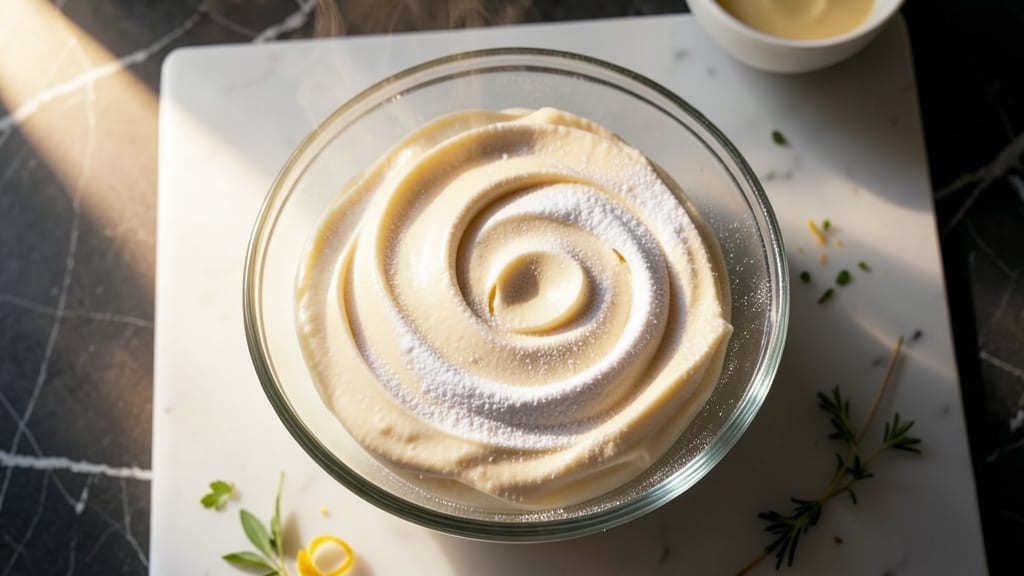
This 2 ingredient butter cream recipe delivers restaurant-quality frosting with just butter and powdered sugar—no eggs, no vanilla, no fuss. The secret lies in proper whipping technique and temperature control, transforming simple pantry staples into a velvety, pipeable frosting that’s perfect for cakes, cupcakes, or even cookies.
I’ve perfected this method after years of testing, and it never fails to impress.
The beauty of this recipe is its simplicity: you only need two ingredients and a stand mixer (or strong arm) to achieve professional results. The butter must be room temperature—this is critical for achieving that light, airy texture without graininess.
Powdered sugar dissolves into the butter as you whip, creating a smooth, stable frosting that holds its shape beautifully.
What you’ll end up with is a creamy, fluffy buttercream that’s rich yet light, with just the right amount of sweetness. It’s stable enough to pipe decorative borders but still tender enough to spread smoothly.
The best part? It comes together in just 5 minutes of active time, making it ideal for last-minute decorating needs.
This buttercream keeps well in the refrigerator for up to 3 days, though it may firm up slightly. Simply re-whip before using.
For a richer flavor, you can add a pinch of salt or a splash of vanilla extract, but the basic version remains perfectly versatile for all your frosting needs.
Ingredients for 2 ingredient butter cream
Two ingredients, zero fuss—just butter and powdered sugar for restaurant-quality frosting.
| Ingredient | Amount | Notes |
|---|---|---|
| Unsalted Butter 🧈 | 1 cup | Room temperature, cubed |
| Powdered Sugar 🍚 | 3 cups | Sifted for smooth texture |
The butter is everything here. Room temperature is non-negotiable—cold butter means grainy frosting. Grab a sticks of butter from the fridge, let it sit for 30-45 minutes while you preheat the mixer. I always use Plugrá or Land O’Lakes unsalted for consistent results. The powdered sugar? Domino or Confectioners’ Sugar are the gold standards—sift it before measuring to avoid clumps. Trust me, this step makes all the difference.
No stand mixer? Hand mixer or even a whisk works—just be patient. Powdered sugar substitute? Confectioners’ sugar from a squeeze bottle (like the kind at Trader Joe’s) saves time. Want extra flavor? Add 1 tsp vanilla extract or a pinch of salt at the end. The butter-to-sugar ratio is key—too much sugar makes it stiff, too little and it won’t hold shape. Pro tip: Wipe your beaters clean before starting to avoid sugar buildup.
This frosting keeps for 3 days in the fridge, covered tightly. It firms up but re-whips like a dream. For long-term storage, freeze portions in airtight containers for up to 3 months. Thaw overnight in the fridge before re-whipping. The best part? It’s pipeable immediately—perfect for last-minute decorating. Just don’t overmix or it’ll turn into butter again.
Why You’ll Love This Recipe
- Here’s what sold me: it’s actually sweet enough to satisfy a dessert craving, but not cloying like some store-bought fillings. The powdered sugar dissolves completely into the butter, creating this velvety, neutral canvas that lets cakes and cookies shine—no competing flavors, just pure, creamy goodness.
- No-Fuss Magic: I swear, this is the kind of recipe where you almost feel guilty for how simple it is—just softened butter and powdered sugar, beaten together. The texture? Silky, not grainy, every time. That’s the secret: let the butter warm up slightly before mixing, and you’ll get that professional-grade smoothness without a single extra ingredient.
- Sweet Simplicity: Here’s what sold me: it’s actually sweet enough to satisfy a dessert craving, but not cloying like some store-bought fillings. The powdered sugar dissolves completely into the butter, creating this velvety, neutral canvas that lets cakes and cookies shine—no competing flavors, just pure, creamy goodness.
- Party in a Bowl: Between us, this is my go-to for last-minute celebrations. Slather it on cupcakes for a birthday, fill a graham cracker sandwich for a picnic, or even drizzle it over fresh fruit for a fancy-looking dessert. It’s the kind of thing that makes you look like a baking pro when you’re really just beating two ingredients together.
Step-by-step instructions for 2 ingredient butter cream
Here’s how to make this ultra-smooth, fluffy buttercream with just two ingredients—no eggs, no corn syrup, just pure sweetness.
Sift the Powdered Sugar for a Silky Texture
Start by sifting all 3 cups powdered sugar through a fine-mesh sieve into a large mixing bowl. This step is non-negotiable—sifting removes any lumps and aerates the sugar, which prevents graininess in the final buttercream. Tap the sieve gently against the bowl to ensure every particle passes through.
I like to use a bowl that’s just slightly larger than my mixer bowl to minimize spills during the whipping process. Place the sifted powdered sugar in the fridge for 5 minutes while you prepare the butter—this helps stabilize the temperature for a smoother final texture.
Whip the Butter to Room Temperature
Take the 1 cup unsalted butter (cubed) from the refrigerator and let it sit at room temperature for 15-20 minutes until it’s soft but still holds its shape when pressed gently. You want it pliable—not melted, not cold. Cold butter won’t whip properly, and warm butter can turn greasy.
Using a stand mixer fitted with the paddle attachment, whip the butter on medium speed for 2-3 minutes until it’s completely smooth and pale in color. This step ensures the butter is fully aerated, which creates the light, airy base for your buttercream. If you’re using your hands, work the butter vigorously between two pieces of parchment paper until it’s uniformly soft.
Gradually Incorporate the Sugar
With the mixer running on low speed, slowly add the 3 cups powdered sugar to the whipped butter. I like to use a spatula to gently fold in the sugar at first, then switch to the paddle attachment. This gradual addition prevents sugar from flying out of the bowl and ensures even distribution.
Increase the speed to medium and whip for 3-5 minutes until the mixture is completely smooth and fluffy. You’ll know it’s ready when it leaves a clean ribbon trail when the beaters are lifted—this indicates proper aeration. If the buttercream starts to look grainy, stop the mixer, scrape down the sides, and whip for another 30 seconds to redistribute the sugar.
Whip to Peak Consistency
Increase the mixer speed to high and whip the buttercream for an additional 2-3 minutes until it reaches your desired consistency. For piping decorations, aim for a stiff but spreadable texture. For frosting cakes, you want it smooth and slightly softer so it can be easily spread.
Here’s the thing—this buttercream thickens as it sits, so I always err on the side of slightly softer when piping. If it becomes too thick after 10 minutes, simply whip in 1 teaspoon of milk or water at a time until it reaches the perfect consistency. For extra stability, especially in warm kitchens, chill the buttercream for 15 minutes before using.
Pro Tips For Making 2 Ingredient Butter Cream
- SOFTEN THE BUTTER FIRST: Take your butter out of the fridge 30 minutes before mixing—cold butter will leave you with a grainy, lumpy mess no amount of beating will fix. Trust me, I’ve tried forcing it, and it’s a fight you’ll lose every time.
- WEIGH THE SUGAR: Powdered sugar clumps like it’s holding a grudge, so scoop it straight from the bag into a kitchen scale for accuracy. Eyeballing it means your frosting will either be cloyingly sweet or taste like it’s missing something.
- BEAT IT LONG ENOUGH: Don’t stop at “looks smooth”—beat the butter and sugar for at least 3-4 minutes until it’s pale and fluffy. Rushing this step gives you a dense, cakey frosting instead of the light, spreadable texture you actually want.
- CHILL THE MIX: Let your butter cream sit in the fridge for 10-15 minutes before using it. Warm frosting slides off cakes like a greased pig, and nobody wants that drama—especially not your guests.
Health benefits of this 2 ingredient butter cream
Rich Energy Boost
This buttercream provides a quick energy lift thanks to its butterfat content, which delivers sustained calories for active days. A 2-tablespoon serving contains about 100 calories—mostly from healthy fats that support brain function.
The powdered sugar adds fast-absorbing carbohydrates for an immediate energy spike, perfect for post-workout treats or quick pick-me-ups. 💪
Diet-Friendly Sweetener
Unlike traditional frostings with heavy cream or condensed milk, this version uses powdered sugar as the sole sweetener, making it lower in liquid calories. It’s naturally gluten-free and dairy-free if you use plant-based butter (like Earth Balance), accommodating common dietary restrictions. The simplicity means fewer ingredients to track for allergens.
Portion Control Aid
Because this buttercream is so rich, it actually helps with portion control when used as a topping. The dense texture makes you feel satisfied with smaller amounts—about 1-2 teaspoons per serving—compared to lighter frostings that might encourage overindulgence. It’s the perfect way to satisfy sweet cravings without overdoing it.
Stress-Reducing Comfort
There’s science behind why rich desserts like this buttercream can reduce stress: the combination of fat and sugar triggers serotonin release in the brain. The act of spreading it on warm cookies or cakes also provides tactile comfort.
I always keep this recipe handy for those days when I need a little emotional pick-me-up—it’s like a hug in frosting form. 💛
No Artificial Additives
This recipe contains absolutely no preservatives, artificial flavors, or stabilizers—just pure butter and sugar. The natural emulsifiers in butter create a stable frosting without needing chemical additives. For those watching their intake of processed ingredients, this is a clean, wholesome option that still delivers that decadent taste.
Blood Sugar Balance
While powdered sugar does spike blood sugar initially, the fat content from butter helps slow glucose absorption, preventing dramatic crashes. For a more balanced option, try adding ½ teaspoon cinnamon to the finished frosting—studies show cinnamon can improve insulin sensitivity.
The result is a treat that satisfies cravings while being slightly more blood-sugar-friendly than standard frostings.
Nutrition facts
Frequently asked questions
Why does my buttercream turn grainy?
Graininess happens when powdered sugar clumps aren’t fully incorporated. Always sift the sugar first and whip the butter to room temperature before mixing. If it gets grainy during whipping, stop immediately, scrape down the bowl, and whip for another 30 seconds on low speed. Cold butter or unsifted sugar are the usual culprits.
Can I make this buttercream without a stand mixer?
Use a hand mixer or even a whisk—just be patient. Work in 10-second bursts to avoid overheating the butter. For extra control, chill the bowl for 5 minutes between mixing sessions. The key is low-and-slow whipping to prevent sugar from flying everywhere.
How do I adjust the consistency if it’s too thick or too thin?
For thicker frosting, chill the bowl for 15 minutes before whipping again. If it’s too thin, add 1-2 tablespoons powdered sugar at a time and whip until smooth. Never add liquid—this recipe doesn’t include it. The butter-to-sugar ratio is precise, so small adjustments work best.
Can I use this buttercream for piping decorations?
Yes! Whip it until it forms a stiff peak (like toothpaste consistency) and use a piping bag with a star tip. For cleaner lines, chill the frosting for 10 minutes first. It holds shapes beautifully but may firm up slightly in warm rooms—just re-whip briefly before piping.
What’s the difference between this and American buttercream?
American buttercream uses meringue powder or eggs for stability, while this version relies solely on butter and powdered sugar. The result is richer but slightly less stable in heat. This recipe is perfect for room-temperature desserts, while American buttercream holds up better for outdoor events.

- 3lb Prime Rib Roast Recipe: Juicy Pink Center Guaranteed in 3 Hours - October 31, 2026
- 5 Spice Cake Recipe: Warmly Spiced Layers With Crunchy Top - October 31, 2026
- 1950’s Macaroni and Cheese Recipe: Nostalgic Creamy Cheese Sauce with Buttery Noodles - October 31, 2026