
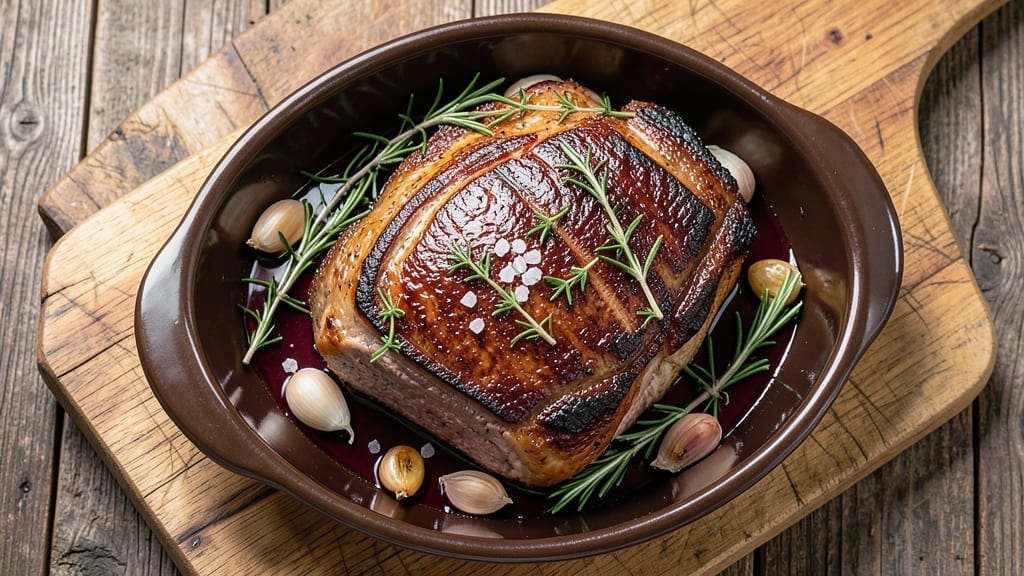
A 2 lb roast beef cooked to perfect juiciness with a caramelized crust transforms Sunday dinners from ordinary to extraordinary. This slow-sear method ensures tender meat every time, with a deep, flavorful crust that locks in moisture—no guesswork required.
The secret lies in patience and precise temperature control, which guarantees a result that rivals any steakhouse.
What sets this recipe apart is the combination of dry heat and indirect cooking. You’ll start with a high-heat sear to build flavor, then finish in the oven at a lower temperature to cook through evenly.
This approach creates that coveted crust while keeping the interior juicy and perfectly pink at the center. The process takes about 2 hours total, but the hands-off time makes it ideal for busy cooks.
By the time you slice into this roast, you’ll be rewarded with a perfectly cooked center—whether you prefer medium-rare or well-done—and a rich, caramelized exterior that adds depth to every bite.
The beef rests briefly before serving, allowing juices to redistribute for maximum tenderness. This is the kind of dish that makes you feel like a master chef, even on a weeknight.
Pair it with classic sides like roasted potatoes, caramelized onions, or a fresh green salad to complete the meal. The technique works equally well for beef tenderloin or rib roast, making it versatile for any occasion. Let’s get started on creating your next showstopper roast.
Ingredients for 2 lb roast beef
Pantry staples, fresh herbs, and a 2 lb roast—everything you need for restaurant-quality beef at home.
| Ingredient | Amount | Notes |
|---|---|---|
| Beef Roast (Ribeye or Tenderloin) 🥩 | 2 lb | Center-cut, bone-in preferred |
| Kosher Salt 🧂 | 1 ½ tbsp | Diamond Crystal preferred |
| Freshly Ground Black Pepper 🌶️ | 1 tbsp | Coarse grind for texture |
| Garlic Cloves 🧄 | 6 cloves | Crushed, skin-on for flavor |
| Fresh Rosemary 🌿 | ¼ cup | Chopped, stems removed |
| Fresh Thyme 🌿 | ⅛ cup | Leaves only, stems discarded |
| Extra-Virgin Olive Oil 🫒 | 2 tbsp | High smoke point preferred |
| Yellow Onion 🧅 | 1 whole | Sliced into 1/4-inch rounds |
| Unsalted Butter 🧈 | 2 tbsp | Cold, for basting |
| Beef Broth 💧 | ½ cup | Low-sodium preferred |
| Balsamic Vinegar 🍷 | 1 tbsp | For deglazing |
| Cornstarch 🌾 | 1 tsp | For thickening pan juices |
| Fresh Parsley 🌿 | 0.1 cup | Chopped, for garnish |
The beef is everything here. Ribeye gives you that marbled richness, while tenderloin stays leaner and more tender. Look for a roast with good marbling—those white fat streaks are what make it juicy. Costco or your local butcher are great spots; ask for a center-cut piece if possible. The herbs should be fragrant and fresh—rosemary and thyme from the grocery store’s produce section work fine, but if they smell like nothing, skip them. The garlic? Smash those cloves with the side of your knife before adding them to the pan—it releases more flavor.
No fresh rosemary? Dried works at one-third the amount, but trust me—fresh is worth the trip. Short on time? Pre-chopped herb mixes from the store save steps, though they lack that fresh aroma. The beef broth can be homemade or store-bought—just make sure it’s low-sodium so you control the seasoning. If you’re feeling fancy, homemade beef broth with a splash of red wine adds depth. The cornstarch is optional but turns your pan juices into a silky sauce—don’t skip it if you love gravy. And that balsamic vinegar? It’s the secret weapon for deglazing the pan and adding a touch of sweetness to cut through the richness.
This roast is all about patience. Let the beef sit at room temperature for 30-45 minutes before cooking—it ensures even doneness. The herbs and garlic can be prepped ahead and stored in the fridge for up to 2 days, but add them fresh to the pan for maximum flavor. The pan juices keep for 3-4 days in the fridge—freeze extras in ice cube trays for later. And that leftover roast? Slice it thin for sandwiches or shred it for tacos—it’s even better the next day.
Why You’ll Love This Recipe
- Five-Ingredient Magic: I swear, this roast only needs salt, pepper, garlic, and rosemary—plus the beef. That’s it. No fancy rubs or last-minute prep; just a few minutes of poking cloves into the meat and calling it a day. Honestly, the hardest part is deciding whether to use ribeye or tenderloin.
- Crispy-Perfect Edge: Between us, the secret’s in the high-heat sear first. That caramelized crust? It’s what turns this into something restaurant-worthy. The rosemary releases its piney aroma while the garlic softens—just enough to make every bite feel like a hug.
- Sunday Dinner or Tuesday Night: Serve it sliced thick for a crowd or shredded over mashed potatoes when you’re too tired to think. I’ll be real: my kids ask for it after school lunches, and my partner saves leftovers for sandwiches. It’s that good, that often.
- Leftovers That Don’t Suck: This roast actually improves the next day. The flavors meld, and the texture stays tender. Wrap slices in tortillas for tacos, toss cubes into salads, or just reheat with a splash of beef broth. No sad, dry meat here—just pure satisfaction.
Step-by-step instructions for perfectly slow-sear roast beef
Here’s how to transform a simple roast into a showstopper with tender meat and caramelized edges.
Season and Sear the Beef for Maximum Flavor
Start by patting the 2 lb beef roast dry with paper towels—this ensures a proper sear. In a small bowl, combine the 1.5 tbsp kosher salt and 1 tbsp freshly ground black pepper, then rub this mixture all over the roast, pressing firmly so the seasoning adheres. Let it sit at room temperature for 30 minutes while you prepare the aromatics.
Heat a heavy roasting pan over medium-high heat. Add the 2 tbsp extra-virgin olive oil and swirl to coat the bottom. Place the roast in the pan, fat-side up, and sear for 4-5 minutes per side until deeply browned. This initial sear locks in juices and creates that coveted caramelized crust. Don’t rush this step—patience here makes all the difference.
Build the Herb and Onion Base
While the roast sears, chop the 1 whole yellow onion into ¼-inch rounds and finely mince the 6 cloves garlic (leave skins on for easier handling). In a small bowl, combine the ¼ cup chopped fresh rosemary and ⅛ cup fresh thyme leaves. Set these aside for now.
After removing the roast from the pan, reduce heat to medium and add the sliced onions. Cook for 5 minutes until softened but not browned. Add the garlic and cook for another 30 seconds until fragrant. Remove the pan from heat and carefully place the roast back in, spooning the onions and garlic mixture over the top. This creates a flavorful barrier that will baste the meat as it roasts.
Slow-Roast to Perfect Doneness
Preheat your oven to 325°F. Place the roasting pan in the oven and roast the beef for 2-2.5 hours, or until the internal temperature reaches 125°F for medium-rare (use a meat thermometer for accuracy). The slow cooking ensures even heat penetration without drying out the meat.
About 45 minutes before the roast is done, prepare the basting mixture by combining the ½ cup beef broth and 1 tbsp balsamic vinegar in a small saucepan. Bring to a simmer, then whisk in 1 tsp cornstarch to thicken. Remove from heat and set aside. This rich mixture will add depth to the final presentation.
Rest and Create the Finishing Sauce
Once the roast reaches the desired temperature, remove it from the oven and transfer to a cutting board. Tent loosely with aluminum foil and let it rest for 20-30 minutes. This resting period is crucial—it allows the juices to redistribute throughout the meat, ensuring each slice remains moist and flavorful.
While the roast rests, place the roasting pan on the stovetop over medium heat. Add the 2 tbsp cold unsalted butter and let it melt. Pour in the reserved beef broth mixture and stir to combine. Simmer for 2-3 minutes until the sauce thickens slightly and coats the back of a spoon. Strain the sauce through a fine-mesh sieve to remove any herb stems, then return it to the pan.
Carve and Serve with Herb Garnish
After resting, slice the roast against the grain into ½-inch thick slices. Arrange the slices on a warmed platter and spoon the herb-infused sauce over the top. The sauce should glaze the meat beautifully, adding extra richness and tying all the flavors together.
Garnish with the chopped fresh parsley just before serving. The bright green color contrasts beautifully with the deep red of the beef, making your dish look as impressive as it tastes. Serve immediately with roasted vegetables or crusty bread to soak up every last drop of that delicious sauce.
Pro Tips For Making 2 Lb Roast Beef
- USE A MEAT THERMOMETER: I learned this the hard way—guessing doneness with a roast this small leads to dry, overcooked beef or sad, underwhelming slices. For ribeye, aim for 130-135°F (medium-rare), and 125-130°F for tenderloin—pull it out before it hits your target, then let it rest.
- SMASH THE GARLIC: Skip the minced garlic cloves—crush them into a paste with a pinch of salt first. This releases more flavor and sticks better to the beef’s surface. Do it in a mortar and pestle or just smash them flat with the side of your knife before rubbing it on.
- SALT IN LAYERS: Don’t just sprinkle salt once. After searing, hit the beef with another round of kosher salt while it’s still hot—this helps form that coveted crust. And if your rosemary sprigs are big, trim them to 1-inch lengths so they don’t burn before the beef is done.
- REST IT COVERED: I used to let my roasts rest uncovered, thinking it kept things warm. Wrong. Tent foil loosely over it for the first 5-10 minutes to trap steam—this keeps the juices circulating instead of pooling at the bottom. Your slices will stay juicier, I promise.
Flavor customization for these flavors
Herb Variations
Swap out rosemary and thyme for fresh sage and tarragon—their earthy, slightly peppery notes pair beautifully with beef. Use ½ cup chopped sage and ⅛ cup tarragon leaves, then add 1 tsp dried marjoram for depth.
For a Mediterranean twist, try oregano and basil with a pinch of red pepper flakes for subtle heat. 🌿
Spice Blends
Add 1 tbsp smoked paprika and ½ tsp cayenne to the salt and pepper rub for a Texas-style kick. For a French-inspired roast, mix 1 tsp Dijon mustard into the basting butter with 1 tsp fresh thyme.
A five-spice blend (½ tsp each) adds an Asian fusion twist—just omit the balsamic vinegar and replace with 1 tsp soy sauce in the basting liquid.
Sweet and Tangy
Boost the glaze by adding 1 tbsp honey or maple syrup to the basting mixture for a caramelized finish. For a tangy twist, replace balsamic vinegar with 1 tbsp apple cider vinegar and 1 tsp brown sugar.
A ginger-pepper glaze (mash 1 small ginger clove into the basting butter) adds warmth and zing.
Umami Boosters
Deglaze the pan with ½ cup beer (stout or ale) instead of broth for a richer, malty flavor. Add 1 tbsp Worcestershire sauce to the basting mixture for extra depth.
For a parmesan crust, sprinkle ½ cup grated parmesan over the seared beef before roasting—it’ll melt into a golden, savory coating.
Global Flavors
For a Mexican-inspired roast, swap the herbs for cilantro and cumin, then add ½ tsp chili powder to the rub. A Japanese-inspired version uses 1 tbsp soy sauce and ½ tsp grated ginger in the basting butter.
For an Italian touch, replace the thyme with fresh basil and add 1 tsp lemon zest to the basting mixture.
Finishing Touches
Drizzle the sliced roast with hot honey or chipotle oil for a smoky-sweet contrast. Garnish with toasted pine nuts or crispy fried shallots for texture. A sprinkle of flaky sea salt (like Maldon) elevates the dish to restaurant-quality. 💫
Nutrition facts
Frequently asked questions
What’s the best cut of beef for a 2 lb roast?
For this recipe, ribeye or tenderloin work best. Ribeye offers rich marbling for extra juiciness, while tenderloin stays leaner and more tender. Look for a center-cut piece with good marbling—it cooks more evenly and delivers that perfect balance of flavor and texture.
How do I know when the roast is done?
Use a meat thermometer for accuracy! For medium-rare, aim for 125°F internal temperature. Well-done should reach 145°F. Insert the probe into the thickest part of the roast, avoiding bone or fat. The resting time (20-30 minutes) will raise the temp another 5-10°F, so pull it out slightly before your target.
Can I cook this roast in a slow cooker?
Yes, but with adjustments! Sear the roast first, then place it in the slow cooker with ½ cup beef broth, 1 tbsp balsamic vinegar, and herbs. Cook on low for 6-8 hours (or high for 3-4 hours) until it reaches 125°F. The texture will be more tender but less crusty—great for sandwiches or tacos!
What if my roast turns out dry?
Dryness usually means overcooking or skipping the rest. Always let the roast rest for 20-30 minutes before slicing—this redistributes juices. If it’s still dry, try slicing thinner and serving with extra sauce or a red wine reduction to moisten. For next time, check the internal temp 10°F below your target and rest longer.
How far ahead can I prep the roast?
You can season the roast and refrigerate it up to 24 hours ahead, covered tightly. For extra flavor, let it sit at room temp for 30-45 minutes before cooking. Prep the herbs, onions, and garlic 1 day ahead and store in the fridge. The basting sauce can be made 2 days ahead—just reheat gently before using.

- 3lb Prime Rib Roast Recipe: Juicy Pink Center Guaranteed in 3 Hours - October 31, 2026
- 5 Spice Cake Recipe: Warmly Spiced Layers With Crunchy Top - October 31, 2026
- 1950’s Macaroni and Cheese Recipe: Nostalgic Creamy Cheese Sauce with Buttery Noodles - October 31, 2026