
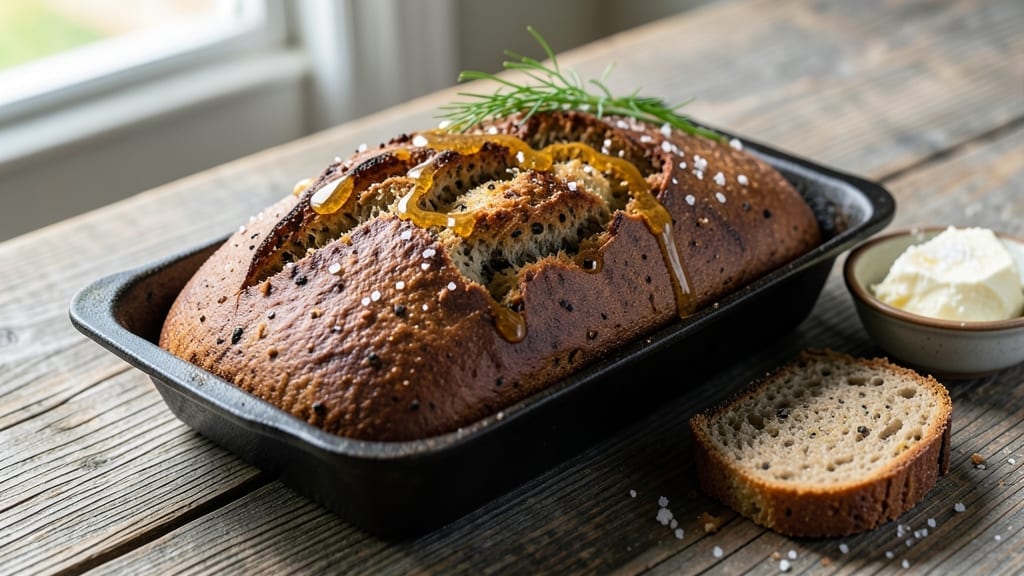
Mastering a 2-lb rye bread machine recipe transforms your kitchen into a bakery—crusty crust, dense crumb, and that signature tangy flavor all in one cycle. The secret lies in balancing rye flour’s moisture needs with precise yeast activation, ensuring a loaf that’s both hearty and perfectly risen.
I’ve refined this recipe after years of testing, and it consistently delivers restaurant-quality results with minimal effort.
This recipe is designed specifically for bread machines, where the appliance handles the kneading and baking for you.
Rye flour requires extra water to hydrate properly, so we’ll adjust the liquid ratio slightly while keeping the yeast measurement exact—too much yeast can make your loaf dense, while too little risks a flat loaf. The bread machine’s kneading cycle develops gluten just enough for structure without overworking the dough.
By the end, you’ll have a loaf with a crusty exterior that crackles when broken and a tangy, moist interior packed with rye’s signature earthy flavor. The aroma alone will fill your home, and each slice will hold its shape without crumbling.
This method works for both light rye and darker varieties, with optional add-ins like seeds or caraway for extra depth.
For best results, use a bread machine with a 2-lb setting and avoid opening the lid during the first hour of baking. If your loaf turns out too dense, try reducing the yeast by 0.125 tsp next time. Here’s how to achieve perfect rye bread every cycle.
Ingredients for 2 lb rye bread machine
Here’s what you’ll need for a hearty 2-lb rye loaf—crusty outside, tangy inside, all from your bread machine.
| Ingredient | Amount | Notes |
|---|---|---|
| Light Rye Flour 🌾 | 2 cups | Plus 2 tbsp extra for dusting |
| All-Purpose Flour 🌾 | ½ cup | For structure and rise |
| Active Dry Yeast 🍞 | ¾ tsp | Ensure it's fresh (test in warm water) |
| Granulated Sugar 🍚 | ¼ tsp | Feeds yeast for activation |
| Warm Water 💧 | 1 ¼ cups | 110-115°F (not boiling) |
| Olive Oil 🫒 | ¼ cup | Extra-virgin for richness |
| Salt 🧂 | ¾ tsp | Kosher or sea salt |
| Honey 🍯 | 1 tbsp | For subtle sweetness (optional) |
| Milk 🥛 | ¼ cup | Whole milk for tenderness |
| Caraway Seeds 🌿 | ½ tsp | Optional for authentic flavor |
| Sesame Seeds 🌻 | 1 tbsp | For topping (optional) |
Rye flour is the star here, but not all rye is created equal. King Arthur or Bob’s Red Mill light rye flour works best—it’s lighter than pumpernickel and hydrates properly. The bread machine’s kneading cycle handles the gluten development, but you’ll still want to measure your flour accurately. Use the spoon-and-level method to avoid packing it down. For the yeast, freshness matters—if it doesn’t foam in warm water within 5 minutes, toss it. The honey and milk add tenderness, but don’t skip them if you want that perfect balance of tang and chew. Caraway seeds are optional but worth it for that classic rye flavor.
No light rye flour? Mix 60% whole wheat and 40% all-purpose as a substitute, but expect a denser loaf. Running short on milk? Warm water plus 1 tsp sugar works in a pinch. The olive oil can be swapped for melted butter (use the same amount), but it’ll add richness. If your bread machine has a ‘dough only’ setting, use that first—it gives you better control over hydration. For the seeds, toasted sesame or poppy seeds work too. Just don’t skip the salt—it’s what brings out the rye’s natural tang.
This dough is sticky, so don’t stress if it looks messy. Grease your bread pan well with olive oil or butter, and use the extra flour to dust your hands and the machine’s hook. The loaf keeps well for 3-4 days wrapped in a towel at room temperature, or 1 week in the fridge. For longer storage, slice and freeze portions—just toast straight from frozen. Pro tip: Brush the crust with melted butter right after baking for extra shine and flavor.
Why You’ll Love This Recipe
- This loaf handles everything: thick toast for breakfast, open-faced sandwiches for lunch, or crusty bread for dipping into soup. I’ve even used it to soak up gravy at dinner—no waste, no stress.
- No Yeast Fuss: I dump everything in the bread machine—flour, yeast, sugar, water—and walk away. Honestly, the machine does all the kneading and rising while I make coffee or fold laundry. That earthy rye tang? It builds naturally without me hovering.
- Crusty Yet Tender: The light rye flour gives it that perfect bite on the outside while the all-purpose keeps it soft inside. Between us, that’s the combo I’ll never skip—like a hug for your sandwich or toast. (Yes, even on a Tuesday night.)
- Weeknight Workhorse: This loaf handles everything: thick toast for breakfast, open-faced sandwiches for lunch, or crusty bread for dipping into soup. I’ve even used it to soak up gravy at dinner—no waste, no stress.
Step-by-step instructions for perfect rye bread machine bread
Here’s how to turn your bread machine into a tangy, crusty rye loaf without a single hand-knead.
Mix the Dough in Your Bread Machine
In the bread machine pan, combine the 2 cups light rye flour, 0.5 cup all-purpose flour, 0.75 teaspoon active dry yeast, 0.25 teaspoon granulated sugar, 1.25 cups warm water (110-115°F), 0.25 cup olive oil, 0.75 teaspoon salt, 1 tablespoon honey, and 0.25 cup milk. I like to add the honey and milk first to help dissolve the yeast and sugar before adding the flours.
Add the 0.5 teaspoon caraway seeds if using, then sprinkle the 1 tablespoon sesame seeds on top for that classic crunchy finish. The dough should be sticky but manageable. If it’s too dry, add 1 tablespoon warm water. If too wet, add 1 tablespoon flour. The machine will mix this for you, but you’ll want to check after 5 minutes to ensure everything’s combining properly.
Select the Basic White Bread Setting
Once the ingredients are mixed and the dough forms a shaggy ball, select the “Basic White Bread” setting on your bread machine. This setting typically runs for about 3 hours and includes a kneading cycle. The machine will automatically knead the dough until it’s smooth and elastic, which usually takes about 15-20 minutes of active kneading time.
During this time, the dough will rise and fall a couple of times. You’ll know it’s ready when it forms a smooth, slightly tacky ball that springs back slowly when poked. The bread machine will handle all the heavy lifting, so just let it do its thing while you prep your countertop for the next steps.
Shape and Let Rise Before Baking
Once the kneading cycle is complete, remove the dough from the bread machine and place it on a lightly floured surface. Gently shape it into a loaf, using about 2 tablespoons of the extra light rye flour to keep it from sticking. The dough should be smooth and slightly firm. If it’s too sticky, let it rest for 5 minutes while you dust it with more flour.
Place the shaped loaf in a greased 9×5-inch loaf pan. Cover it with a clean kitchen towel and let it rise at room temperature for 30-45 minutes. You’ll know it’s ready when it’s puffed up about 50% larger than its original size. This second rise is crucial for that light, airy crumb you’re after.
Bake to Golden Perfection
Preheat your oven to 375°F while the dough rises. Once the dough has risen and the oven is hot, carefully remove the loaf pan from the counter and place it in the middle rack of the oven. Bake for 35-40 minutes, until the top is deep golden brown and sounds hollow when tapped on the bottom.
Here’s the thing—rye bread can dry out quickly, so don’t overbake. The internal temperature should reach 190-200°F. If you’re unsure, cut into the loaf with a serrated knife. It should be fully baked with a moist crumb but not wet or gummy. Let the bread cool in the pan for 10 minutes before transferring it to a wire rack to cool completely.
Pro Tips For Making 2 Lb Rye Bread Machine
- Weigh Your Rye Flour: Light rye flour is deceptive—it looks fluffy but packs like sand. Use a kitchen scale for accuracy; scooping leads to inconsistent batches. I learned this after my first loaf turned dense because I eyeballed it.
- Skip the Cold Yeast: Warm the water to 110°F (not boiling) before mixing with yeast—room temp water wakes it up slower. If your kitchen’s chilly, let the yeast sit in warm water for 5 minutes before adding other ingredients.
- Don’t Over-Knead: Rye bread machine cycles stop when the dough hits resistance, but if you peek and poke, you’ll overwork it. Let the machine handle the kneading unless you’re troubleshooting a sticky dough—then, just 2-3 extra minutes max.
- Add Molasses (If You Dare): Swap 1 tablespoon of the sugar for molasses—it deepens the rye flavor without extra effort. (Yes, it’s a shortcut, but it’s the upgrade I reach for every time.) Just dissolve the sugar first so it mixes smoothly.
Regional styles of 2 lb rye bread machine
Scandinavian Dark Rye
In Sweden and Norway, rye bread is a staple with deep, molasses-like flavors. For a darker loaf, replace 1 cup of light rye flour with 1 cup whole rye flour and add 2 tbsp blackstrap molasses to the dough.
Use 1 tsp more salt to balance the sweetness. The result is a dense, almost cake-like texture with a rich caramelized crust—perfect for open-faced sandwiches with smoked salmon or herring. 🌟
German Pumpernickel Style
German pumpernickel is all about slow-cooked density. Swap the light rye for 100% whole rye flour and reduce the yeast to 0.5 tsp. Add 1 tbsp coffee to the dough for depth and bake at 300°F for 1.5 hours in a covered pan.
The bread machine’s kneading cycle won’t be enough—hand-knead for 5 minutes after mixing. This loaf keeps for weeks and is ideal for hearty soups or cheese pairings.
American Sourdough Rye
For a tangier twist, replace 0.5 cup of the yeast mixture with 0.5 cup active sourdough starter. Add 1 tbsp apple cider vinegar to the dough for extra acidity. Let the dough ferment in the bread machine’s dough setting for 2 hours before baking.
The result is a lighter crumb with a complex, almost vinegary flavor—great for breakfast toast or French toast. 🥖
Polish Rye with Seeds
Polish rye bread (chleb razowy) often includes seeds for texture. Add 1 tbsp flaxseeds and 1 tbsp sunflower seeds to the dough, plus 1 tsp caraway seeds for authenticity. Brush the baked loaf with melted butter and sprinkle with extra seeds while warm.
This version is slightly sweeter, thanks to 1 extra tbsp honey, and pairs beautifully with pierogi or cold cuts.
Swedish Cardamom Rye
For a fragrant variation, add 1 tsp ground cardamom to the dough along with the caraway seeds. Cardamom’s citrusy notes complement rye’s earthiness perfectly. Reduce the honey to 0.5 tbsp to balance the sweetness.
This loaf is lighter and ideal for Scandinavian pastries or as a side for herring dishes. Store in an airtight container to preserve the aroma.
Russian Borodinsky
Borodinsky rye is a rustic, dense loaf with a deep crust. Use 100% whole rye flour and add 1 tbsp dark brown sugar instead of honey. The bread machine’s kneading cycle won’t suffice—hand-knead for 8-10 minutes after mixing.
Bake in a preheated 350°F oven for 45-50 minutes, covered with foil for the first 30 minutes**. This loaf is perfect for hearty soups or as a side for borscht. 💫
Nutrition facts
Frequently asked questions
Why does my rye bread machine loaf turn out dense?
Rye flour absorbs more water than wheat flour, so over-kneading or using too much yeast (0.75 tsp is perfect) can make the loaf dense. Try reducing yeast by 0.125 tsp next time, or let the dough rise longer before baking. Also, ensure your bread machine’s pan is lightly greased—sticky dough can’t rise properly.
Can I use whole rye flour instead of light rye?
Yes, but expect a denser, heartier loaf with deeper flavor. Replace 1 cup light rye with 1 cup whole rye and add 1 extra tablespoon water. For best results, reduce yeast to 0.5 tsp and extend the kneading time by 5 minutes if your machine allows.
How do I fix a loaf with a pale crust?
Brush the baked loaf with melted butter or olive oil while still warm, then broil for 2-3 minutes to crisp the crust. For next time, bake at 375°F for 5 minutes longer or cover the loaf with foil for the first 20 minutes to trap steam—this creates a thicker crust.
What’s the best way to store homemade rye bread?
Wrap the cooled loaf in a clean kitchen towel and place it in a paper bag at room temperature for 2-3 days. For longer storage, slice and freeze portions—thaw at room temperature or toast directly from frozen. To revive stale bread, sprinkle with water and toast in a 350°F oven for 5-10 minutes.
Can I add nuts or dried fruit to this recipe?
Fold in 0.5 cup chopped walnuts or pecans during the last 2 minutes of kneading, or mix in 0.5 cup raisins or dried cranberries with the dry ingredients. For extra moisture, add 1 tablespoon extra water if using dried fruit. Toast nuts first to enhance flavor!

- 3lb Prime Rib Roast Recipe: Juicy Pink Center Guaranteed in 3 Hours - October 31, 2026
- 5 Spice Cake Recipe: Warmly Spiced Layers With Crunchy Top - October 31, 2026
- 1950’s Macaroni and Cheese Recipe: Nostalgic Creamy Cheese Sauce with Buttery Noodles - October 31, 2026