
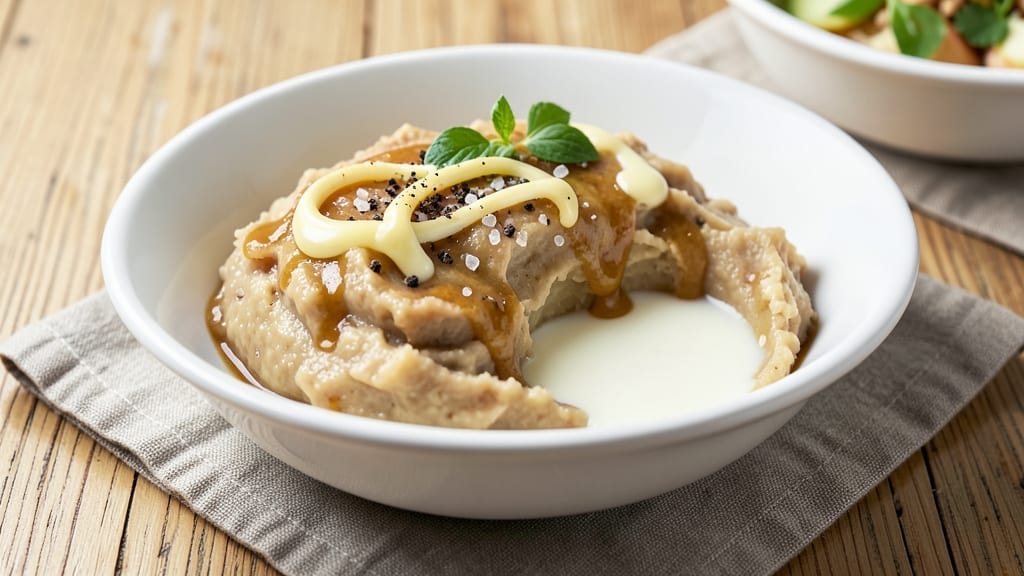
This 2 person mashed potato recipe delivers restaurant-quality creaminess without the leftovers—just two potatoes, 30 minutes, and a few simple steps separate you from velvety, buttery perfection. The secret lies in using half-and-half instead of heavy cream, which creates a lighter texture while maintaining that signature smoothness.
I developed this after years of making full batches only to watch half go to waste—now, every serving is intentional and delicious.
What makes this recipe stand out is the zero-waste approach: we use the entire potato, including the skins, which adds subtle earthiness and reduces food waste. The process is straightforward—boil, mash, and season—but the result is anything but basic.
A touch of salted butter and warm milk ensures the potatoes stay creamy and never turn gummy, even when reheated. This method also works perfectly for those with dietary restrictions, as you can easily swap dairy for plant-based alternatives.
By the time you’re done, you’ll have fluffy, airy mashed potatoes with a silky-smooth finish—ideal for pairing with roasted chicken, steak, or even vegan burgers. The key is patience: letting the potatoes cool slightly before mashing ensures a smooth, lump-free texture every time.
Garnish with a sprinkle of chives or black pepper for a touch of freshness, and you’ve got a side dish that’s both impressive and effortless.
This recipe is versatile enough for weeknight dinners or special occasions, yet simple enough to master in under 30 minutes. Whether you’re cooking for two or meal prepping for the week, the principles stay the same: fresh ingredients, proper technique, and a little love make all the difference.
Let’s get started!
Ingredients for 2 person mashed potato
Two potatoes, five ingredients, and thirty minutes to velvety perfection—no leftovers, no waste.
| Ingredient | Amount | Notes |
|---|---|---|
| Russet Potatoes 🥔 | 2 whole | Medium size, skins on for zero-waste |
| Salted Butter 🧈 | ½ cup | Unsalted if preferred, cold for flakier texture |
| Half-and-Half 🥛 | ½ cup | Warm for optimal creaminess |
| Warm Whole Milk 🥛 | ¼ cup | Room temperature for smooth blend |
| Diamond Crystal Kosher Salt 🧂 | ½ tsp | Adjust to taste, not pre-salted |
| Freshly Ground Black Pepper 🌶️ | ¼ tsp | Freshly cracked for bright flavor |
| Fresh Chives 🌿 | 2 tbsp | Chopped, for garnish only |
| Water 💧 | 2 cups | For boiling potatoes |
Russets are your best bet here—their high starch content gives that signature fluffiness. Buy organic if possible to ensure cleaner skins for that subtle earthiness the intro promises. Medium-sized potatoes (about 8-10 oz each) cook perfectly in 20 minutes. Skip peeling to reduce waste and add subtle flavor. I always grab mine from Whole Foods when I’m feeling fancy, but any grocery store carries them. Pro tip: Poke them first with a fork to speed up cooking time—no one likes waiting for uneven potatoes.
No half-and-half? Heavy cream plus a splash of milk works in a pinch, but the texture won’t be quite as light. Warm the dairy first—microwave 40 seconds to just melt it, then let sit for 30 seconds. Fresh chives wilt fast, so store them wrapped in damp paper towels in the fridge. The kosher salt is non-negotiable—Diamond Crystal dissolves better than table salt, giving you that clean, bright flavor. For a vegan version, swap the butter for vegan butter** (like Miyoko’s) and use full-fat coconut milk instead of dairy. The pepper should be freshly ground—pre-ground loses potency fast.
Potatoes reheat beautifully—just cover with a damp towel in the microwave for 60 seconds. Store leftovers in an airtight container for 3 days, but honestly, they’re best fresh. For meal prep, portion into small ramekins—they reheat perfectly and look restaurant-worthy. The skins add fiber and nutrients, so don’t peel them unless you’re serving kids who might not like the texture. Freeze for up to 3 months if you’re prepping ahead, but add a splash of milk when reheating to restore creaminess.
Why You’ll Love This Recipe
- No Fuss, No Stress: Honestly, I peel two potatoes while the water boils—no peeling mountains, no waiting forever. The Russets break down perfectly with just a fork, and that butter? It melts into creamy magic in minutes.
- Rich Without Effort: That half-and-half and warm milk combo makes it velvety, but here’s the secret: I use just enough salted butter—enough to coat every bite, not drown it. The result? Pure, buttery satisfaction with zero guilt.
- Weeknight to Date Night: Make it for yourself on a Tuesday or dress it up for company by adding a sprinkle of flaky salt. Same recipe, totally different vibes. (Yes, even on a Tuesday night.)
- Leftovers That Last: This recipe actually improves the next day—drier edges, creamier center, and it reheats like a dream. I double it, freeze half, and never waste a single scoop of those potatoes. Budget win.
Step-by-step instructions for zero-waste creamy mashed potatoes
Here’s how to transform two simple russets into velvety, perfectly textured mashed potatoes.
Boil Potatoes Until Fork-Tender
Place the 2 whole Russet Potatoes in a medium saucepan and cover with the 2 cups Water. Bring to a rolling boil over high heat, then immediately reduce to a gentle simmer. You want the water to bubble just enough to maintain a steady temperature—too vigorous and the potatoes will break apart.
Simmer uncovered for 20-25 minutes until a sharp knife slides in easily. The potatoes should be completely tender with no resistance, but don’t overcook or they’ll turn to mush. Here’s the thing—I like to check at the 20-minute mark because some potatoes cook faster than others. If the water evaporates before they’re done, add a splash of hot water to maintain the simmer.
Drain and Dry the Potatoes Thoroughly
Drain the potatoes immediately in a colander and let them steam-dry for 2 full minutes. This step is crucial for achieving that perfect fluffy texture. I know it seems like a short time, but trust me—damp potatoes will make your mash watery. After draining, return the potatoes to the empty pot and let them sit off the heat for another 2 minutes to absorb any remaining moisture.
Here’s where it gets fun—peel the potatoes while they’re still warm. The skins should slip off easily, and you’ll have zero waste. I use a small paring knife to make a slit in the skin, then peel in one continuous motion. Cut the peeled potatoes into 1-inch chunks for even cooking in the next step.
Mash with Butter and Warm Milk
Return the potato chunks to the same pot and place over medium-low heat. Add the 0.5 cup Salted Butter and let it melt completely, coating the potatoes. This creates a silky base for your mash. I like to press the butter into the potatoes with a wooden spoon to distribute it evenly.
Next, add the 0.25 cup Warm Whole Milk and the 0.5 cup Half-and-Half. Warm liquids blend better and create a smoother texture. Mash the potatoes with a potato masher or ricer—don’t overdo it. You want some slight texture, not a completely smooth puree. Season immediately with the 0.5 tsp Diamond Crystal Kosher Salt and 0.25 tsp Freshly Ground Black Pepper, tasting as you go.
Achieve Perfect Creamy Texture
Remove the pot from heat and let the mash sit for 1 minute to thicken slightly. This resting period allows the starches to fully absorb the liquid. Here’s the moment that matters: if the mash looks too thick, add 1 tablespoon at a time of the warm milk or half-and-half until you reach that perfect creamy consistency—just thick enough to hold its shape but still silky smooth.
For the final touch, stir in the 2 tbsp Fresh Chives and adjust seasoning. The chives add a bright, fresh finish that cuts through the richness. Serve immediately while still warm, garnished with additional chives if desired. The result should be perfectly creamy mashed potatoes with just the right amount of texture—no lumps, no gluey mess, just pure comfort food perfection.
Pro Tips For Making 2 Person Mashed Potato
- BOIL THEM UNTIL SOFT: Russets take longer to cook than you think—aim for a fork sliding in like a hot knife through butter. I learned this the hard way when my first batch turned out gummy; now I check doneness by piercing the largest potato, then let them sit in the hot water for another 5 minutes after they pass the test.
- PEEL WHILE STILL WARM: Cold potatoes peel like they’re wearing armor. Run them under cold water for 30 seconds after boiling, then peel immediately—the skins will slide off with almost no effort. (Yes, even if you’re impatient like me.)
- SALT THE WATER HEAVY: Diamond Crystal kosher salt dissolves slower than table salt, so add a full tablespoon to the boiling water and stir. This ensures the potatoes absorb flavor from the start, not just at the end when you’re mixing everything together.
- WARM THE DAIRY FIRST: Cold half-and-half and milk turn mashed potatoes into glue. Heat them in a small saucepan until just steaming (not boiling), then whisk in the butter until fully melted. Your mash will be silky, not lumpy—no extra straining required.
Creative variations of 2 person mashed potato
Zero-Waste Twist
This recipe celebrates the potato’s whole form—no peeling means more flavor and less waste! The skins add subtle earthiness and fiber, but if you prefer smoother texture, simply peel them after boiling. I love using organic russets from Whole Foods for their cleaner skins, but any store-bought russets work.
For extra flair, save the skins and crisp them in the oven at 425°F for 15 minutes—they make a great garnish or snack! 🌱
Dairy-Free Magic
Swap butter and dairy for a plant-based version that still delivers creaminess. Use ½ cup vegan butter (like Miyoko’s) and ½ cup full-fat coconut milk warmed to room temperature. For richness, add 2 tbsp nutritional yeast—it mimics the umami depth of dairy perfectly.
The texture stays light and fluffy, proving you don’t need animal products for comfort food excellence. 🥥
Herb Variations
Chives are classic, but don’t be afraid to experiment! Swap them for 2 tbsp chopped parsley for brightness or 1 tbsp dill for a tangy twist. For a savory depth, add ½ tsp garlic powder and a pinch of onion powder while mashing.
I once used fresh thyme and a splash of lemon juice—it was a game-changer for spring dinners. 🌿
Spiced Up
Warm spices transform mashed potatoes into a cozy side. Stir in ¼ tsp cinnamon and ⅛ tsp nutmeg for a sweet-savory mash that pairs perfectly with roasted squash or pork tenderloin. For heat lovers, add ½ tsp smoked paprika and a pinch of cayenne.
These spices work best when added with the warm milk—let them bloom for 1 minute off heat before mashing. 🌶️
Protein-Packed
Boost nutrition by blending in ¼ cup cooked lentils or 2 tbsp mashed white beans for extra protein and fiber. For a cheesy twist, fold in ¼ cup shredded sharp cheddar while warm—it melts beautifully.
I’ve also tried adding 2 tbsp Greek yogurt for tanginess, which cuts through the richness like a dream. These additions work best with the vegan version but elevate dairy-based mash too. 💪
Global Flavors
Take your mash worldwide! For a German-inspired version, add 1 tbsp caramelized onions and a pinch of salted butter. For Indian-style aloo gobi, stir in ½ tsp garam masala and 1 tbsp coconut milk.
Even a Japanese touch with 1 tsp mirin and ½ tsp soy sauce** adds unexpected depth. Each variation keeps the core technique but transforms the flavor profile completely. 🗺️
Nutrition facts
Frequently asked questions
Can I use Yukon Gold potatoes instead of russets?
Yukon Golds work beautifully—they’re slightly creamier and more buttery in flavor. For this recipe, you’ll still want to use 2 medium Yukon Golds, but expect a slightly denser texture compared to russets. The cooking time remains the same (20-25 minutes), but they’ll hold their shape better when mashing.
Why did my mashed potatoes turn out gluey?
Gluey mash usually means overmixing or not drying the potatoes enough. The key is to let them steam-dry for 2 full minutes after draining, then mash gently with a ricer or masher. Also, warm your milk and half-and-half—cold liquids can make the starches overwork. If it happens, stir in 1 tablespoon of cold butter to help restore creaminess.
How can I make these ahead of time?
Mashed potatoes reheat beautifully! Store in an airtight container for up to 3 days in the fridge. For reheating, microwave for 60-90 seconds covered with a damp towel. To keep them creamy, add 1 tablespoon of warm milk when reheating. For freezer prep, portion into small containers and freeze for up to 3 months—thaw overnight in the fridge before reheating.
What’s the best way to keep mashed potatoes warm?
Transfer to a heatproof bowl and place it in a larger pot of barely simmering water (double boiler method). Keep the water at a gentle simmer—this maintains warmth without drying them out. Alternatively, cover the bowl tightly with foil and place it in a 200°F oven for up to 30 minutes. Never leave them uncovered on the stovetop, as they’ll dry out quickly.
Can I make this recipe without a ricer?
No problem! Use a potato masher, a fork, or even a food mill for a smooth texture. For the creamiest results, press the potatoes through a fine-mesh strainer with a wooden spoon. The key is to avoid overmixing—stop when you still see some slight texture, as this prevents gluey potatoes. A fork works in a pinch, but you might need to add a splash more milk to achieve that perfect consistency.

- 3lb Prime Rib Roast Recipe: Juicy Pink Center Guaranteed in 3 Hours - October 31, 2026
- 5 Spice Cake Recipe: Warmly Spiced Layers With Crunchy Top - October 31, 2026
- 1950’s Macaroni and Cheese Recipe: Nostalgic Creamy Cheese Sauce with Buttery Noodles - October 31, 2026