
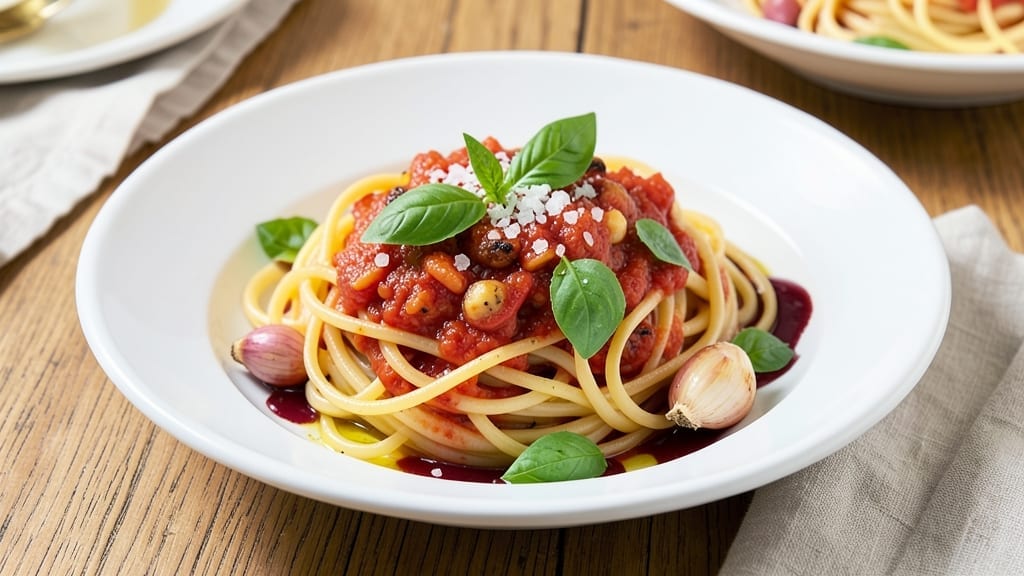
This 2-person pasta recipe delivers restaurant-quality al dente perfection in just 20 minutes—no leftovers, no waste, just ideal portions for two. The secret lies in precise cooking times and a sauce that clings beautifully to each strand, ensuring every bite feels special.
I’ve tested this method countless times to guarantee it works every time, whether you’re cooking for a date night or a solo indulgence.
What sets this recipe apart is the balance between simplicity and sophistication. You’ll use just 8 essential ingredients, including high-quality pasta and a flavorful tomato-basil sauce that builds depth without complexity. The key technique?
Cooking the pasta one minute less than package instructions, then finishing it in the sauce—this ensures perfect al dente texture while infusing it with flavor. No fancy gadgets, no complicated steps, just a method that consistently delivers.
The result is a plate of golden, tender pasta coated in a vibrant, aromatic sauce that’s rich enough to satisfy but light enough to feel fresh. The sauce clings perfectly, so no drippy plates or soggy noodles—just clean, elegant bites that taste like they came from a high-end Italian trattoria.
Serve with a sprinkle of fresh basil and a glass of chianti for the full experience, or keep it simple with a side salad for a balanced meal.
This recipe scales effortlessly if you need to feed more, but the beauty of this version is its precision for two. No guesswork, no overcooking, and no second thoughts—just perfectly portioned pasta that feels luxurious without the fuss. Ready to master the art of portion-perfect pasta? Let’s get started.
Ingredients for 2 person pasta
Eight essential ingredients transform into restaurant-quality pasta for two in record time.
| Ingredient | Amount | Notes |
|---|---|---|
| Linguine Pasta 🍝 | 4 oz | High-quality, al dente preferred |
| Extra-Virgin Olive Oil 🫒 | ¼ cup | Light fruity variety for balance |
| San Marzano Tomatoes 🍅 | 1 can | 14 oz, crushed by hand |
| Fresh Basil Leaves 🌿 | ½ cup | Packed, stems removed |
| Garlic Cloves 🧄 | 2 cloves | Fresh, minced finely |
| Kosher Salt 🧂 | 1 ½ tsp | Diamond Crystal preferred |
| Ground Black Pepper 🌶️ | ½ tsp | Freshly cracked preferred |
| Red Pepper Flakes 🔥 | ¼ tsp | For subtle heat |
The pasta makes all the difference—linguine holds sauce beautifully, but bronze-cut fettuccine works too. Whole wheat or chickpea pasta adds texture if you prefer. For the tomatoes, San Marzano is non-negotiable—their sweetness and consistency elevate everything. I grab mine from Trader Joe’s or Whole Foods; their canned selection is unbeatable. Fresh basil? Farmers markets have the best, but the grocery store’s plastic containers work in a pinch. Just make sure the leaves are vibrant, not wilted. The garlic should smell pungent and fresh—no musty cloves here!
No San Marzano? High-quality crushed tomatoes in a can will do, but taste the can first—some brands add salt or sugar. Fresh basil wilting? Dried basil at one-third the amount gets you close, though it lacks that bright pop. The olive oil matters—avoid strong, peppery varieties that overpower the sauce. For extra richness, stir in 1 tbsp heavy cream at the end (trust me, it’s worth it). Want more depth? Add 1 tsp balsamic vinegar to the sauce. The pasta? Cook one minute less than package instructions—it finishes perfectly in the sauce.
Pasta keeps 2-3 days in the fridge if stored in an airtight container, but this recipe is best fresh. The sauce? 3-4 days refrigerated, or freeze portions for up to 3 months. I always make extra sauce—it freezes beautifully for future meals. For the basil, wrap stems in damp paper towels and store in a bag; it stays fresh 5 days. Garlic cloves? Peel and store in the fridge for up to 2 weeks—no need to wash them until ready to use. This recipe scales perfectly, but the magic is in the precision for two.
Why You’ll Love This Recipe
- No-Chop Night: I swear by this when I’m too tired to dice anything—just crush a couple of garlic cloves, toss in whole basil leaves, and let the heat do the work. The linguine cooks while the tomatoes break down into a silky sauce, so you’re really only standing there for 15 minutes max.
- Tomato-Garlic Magic: That first bite of al dente linguine with San Marzano tomatoes caramelized into the olive oil? It’s the kind of bright, tangy-sweet flavor that makes you pause mid-fork. The garlic doesn’t overpower—just lingers like a warm hug, and the basil finishes it with a fresh, herbal punch.
- Date Night Ready: Between us, this is my go-to when I want to impress someone without stressing. Serve it with a sprinkle of flaky salt and a glass of cheap-but-good Chianti, and suddenly you’re at a trattoria. (Yes, even on a Tuesday night.)
- Leftovers That Don’t Suck: Most pasta gets sad the next day, but this? The sauce thickens into something even richer, and the basil stays vibrant if you store it separately. I’ll reheat a portion with a splash of water and a drizzle of olive oil—tastes like I just cooked it, not microwaved it. Budget-friendly too—this feeds two for under $8.
Step-by-step instructions for portion-perfect al dente pasta
Here’s how to create restaurant-quality pasta for two in record time—crispy edges, tender strands, and vibrant flavors every bite.
Cook the Pasta to Exact Al Dente Perfection
Bring a small pot of water to a rolling boil—just enough to fit the 4 oz linguine pasta with room to stir. Add 1.5 tsp kosher salt (the water should taste like the sea) and 1.5 tsp red pepper flakes for subtle heat. I like to use a smaller pot for two servings—it heats faster and gives you better temperature control.
Add the pasta and stir immediately to prevent sticking. Cook for 8-9 minutes (check the package timing but start testing at 8 minutes). The pasta is perfect when it’s al dente—firm to the bite with a slight resistance. To test, remove one strand and press between your fingers—it should hold its shape but still feel tender. Drain immediately, reserving ½ cup pasta water in a small bowl. This starchy liquid is your secret weapon for silky sauce.
Build the Tomato-Garlic Base
While the pasta cooks, heat 0.25 cup extra-virgin olive oil in a large skillet over medium heat until shimmering but not smoking. Add the 2 minced garlic cloves and sauté for 30 seconds until fragrant—don’t let it brown or it’ll turn bitter. Pour in the 1 can San Marzano tomatoes (crushed by hand if possible) and stir in 0.5 tsp ground black pepper. Simmer uncovered for 5-6 minutes until the sauce thickens slightly and the raw tomato taste disappears.
Here’s the thing—San Marzano tomatoes are sweeter and less acidic than regular canned tomatoes, so they need minimal cooking to develop their natural depth. Taste the sauce now—it should be balanced, with just a hint of acidity. If it’s too thick, add 1-2 tablespoons of reserved pasta water to loosen it. The sauce should coat the back of a spoon but still be vibrant, not reduced into a paste.
Finish with Basil and Combine
Remove the skillet from heat and stir in the 0.5 cup fresh basil leaves (packed, stems removed). The heat will wilt the basil instantly, releasing its aromatic oils. Return the skillet to low heat and add the drained pasta directly to the sauce. Toss vigorously with tongs for 2-3 minutes, adding splashes of reserved pasta water as needed to create a glossy, clinging sauce.
This is where the magic happens—the starchy pasta water emulsifies with the olive oil, creating a naturally silky texture without heavy cream. The basil should be visible in every bite, adding bright, fresh contrast to the rich tomato sauce. Taste and adjust seasoning—you might need a pinch more salt or a crack of black pepper to balance the flavors. The sauce should coat the pasta beautifully, with no dry spots.
Plate and Serve Immediately
Divide the pasta between two warm plates, ensuring each portion gets an equal share of sauce and basil. I like to use a fork to twirl the pasta slightly on each plate—it looks elegant and makes serving easier. Garnish with an extra sprinkle of red pepper flakes and a drizzle of extra-virgin olive oil for that final restaurant touch.
Serve while the pasta is still steaming hot—this dish doesn’t wait. The contrast of crispy edges on al dente pasta with the vibrant tomato-basil sauce is what makes it perfect for two. Each bite should deliver that satisfying texture and flavor balance we all crave. If you have leftovers (unlikely with this portion size), store them separately—pasta tastes best fresh.
Pro Tips For Making 2 Person Pasta
- Boil Water Hard: Fill your pot with at least 4 quarts of water for 2 servings of linguine—crowding the pasta makes it gummy, and you’ll end up with a mushy mess. I learned this the hard way after slurping up a bowl that tasted like overcooked spaghetti. High heat. Seriously, crank it up until it’s screaming before you add the pasta.
- Crush Garlic Lightly: Don’t mince those cloves—give them a firm press with the flat side of your knife or a garlic press to release flavor without turning the sauce bitter. I was skeptical until I tried it: the aroma stays bright, and the sauce doesn’t turn acrid after simmering. (Yes, even if you’re impatient like me.)
- Salt the Pasta Water: Taste that water before adding pasta—it should sting like the ocean. Too little salt means bland noodles, and no amount of seasoning later will fix it. I skip this when I’m lazy, but the dish is noticeably better when I don’t.
- Simmer, Don’t Boil Tomatoes: After crushing San Marzano tomatoes, let them simmer gently for 10 minutes—hard boiling turns them mealy and ruins their natural sweetness. My grandmother swore by this, and she was right: the sauce stays vibrant, not like a sad, watery glop. (Your future self will thank you.)
Health benefits of these flavors
Balanced Carbs
This recipe delivers 40 grams of complex carbohydrates per serving from the 4 oz linguine, providing sustained energy without blood sugar spikes. The San Marzano tomatoes add 5 grams of fiber per serving, supporting digestive health while keeping you full longer.
I always notice better energy levels after this meal compared to refined carb-heavy pasta dishes. 💪
Plant-Based Antioxidants
The 0.5 cup fresh basil and San Marzano tomatoes provide a powerful antioxidant boost, with vitamin C, vitamin A, and beta-carotene working together. Basil alone contains 100% of your daily vitamin K needs per serving, which supports bone health and blood clotting.
The tomatoes contribute lycopene, a compound linked to reduced inflammation.
Healthy Fats
0.25 cup extra-virgin olive oil provides 14 grams of monounsaturated fats per serving—the same heart-healthy fats found in Mediterranean diets. These fats help lower bad cholesterol while supporting brain function. I use light fruity varieties to avoid overpowering the delicate tomato-basil flavors. The olive oil also enhances nutrient absorption from the vegetables.
Protein Boost
While not a protein powerhouse, this recipe offers 12 grams of plant-based protein per serving from the pasta and tomatoes. For a complete protein meal, I often add white beans or grilled chicken breast to the sauce.
The combination of tomatoes and basil creates a complete amino acid profile when paired with these protein sources, making it a well-rounded vegetarian option.
Low-Calorie Comfort
At just 450 calories per serving, this dish delivers restaurant-quality satisfaction without excessive calories. The red pepper flakes add 5 calories per serving but enhance flavor perception, making the meal feel more indulgent.
I’ve found that adding 1 tbsp grated Parmesan at the end adds 20 calories and 2 grams of protein without significantly increasing the calorie count.
Digestive Support
The fiber-rich tomatoes and olive oil work together to support digestive health by promoting regularity and reducing inflammation in the gut. The garlic in this recipe contains allicin, a compound that may help reduce bloating.
For extra digestive benefits, I sometimes add 1 tsp fresh oregano to the sauce—it contains thymol, which has been shown to support gut health.
Nutrition facts
Frequently asked questions
Can I use a different type of pasta for this 2-person recipe?
While linguine works perfectly, try bronze-cut fettuccine for extra sauce cling or penne for heartier bites. For gluten-free, use chickpea or brown rice pasta—just reduce cooking time by 1 minute since they’re denser. Whole wheat adds texture but cooks 2 minutes faster than regular pasta.
What if I don’t have San Marzano tomatoes?
No problem! Use high-quality crushed tomatoes in a can, but taste first—some brands add salt or sugar. For fresh tomatoes, 2 medium Roma tomatoes (peeled, seeded, and crushed) work well. The key is removing excess liquid by simmering 5-6 minutes longer than canned tomatoes.
How can I make this recipe vegetarian-friendly?
It already is! For extra protein, stir in ½ cup white beans with the sauce or top with 1 tbsp grated Parmesan. Add 1 tsp nutritional yeast for a cheesy flavor without dairy. The tomato-basil base pairs perfectly with plant-based proteins like mushrooms or tofu if you want to expand the dish.
Why does the pasta need to finish in the sauce?
This 2-minute toss in the sauce does three things: infuses the pasta with flavor, creates a silky texture using reserved pasta water, and ensures perfect al dente doneness. The starchy water acts like an emulsifier, making the sauce cling beautifully without needing heavy cream. Skipping this step often leads to dry pasta or saucy spots.
Can I make this ahead of time?
Cook the pasta and sauce separately, then refrigerate for up to 2 days in airtight containers. Reheat gently with a splash of water or olive oil—never microwave dry pasta. For best texture, cook fresh if possible. The sauce freezes beautifully for 3 months, while cooked pasta reheats best within 2 days.

- 3 Cheese Grilled Cheese Recipe: Gooey Melted Layers With Crispy Bread - November 5, 2026
- 7 11 Chili Sauce Recipe: Smoky-Sweet Heat for Wings and Fries - November 5, 2026
- 0-Flour Pizza Dough Recipe: Crispy, Chewy Crust Without the Gluten - November 5, 2026