
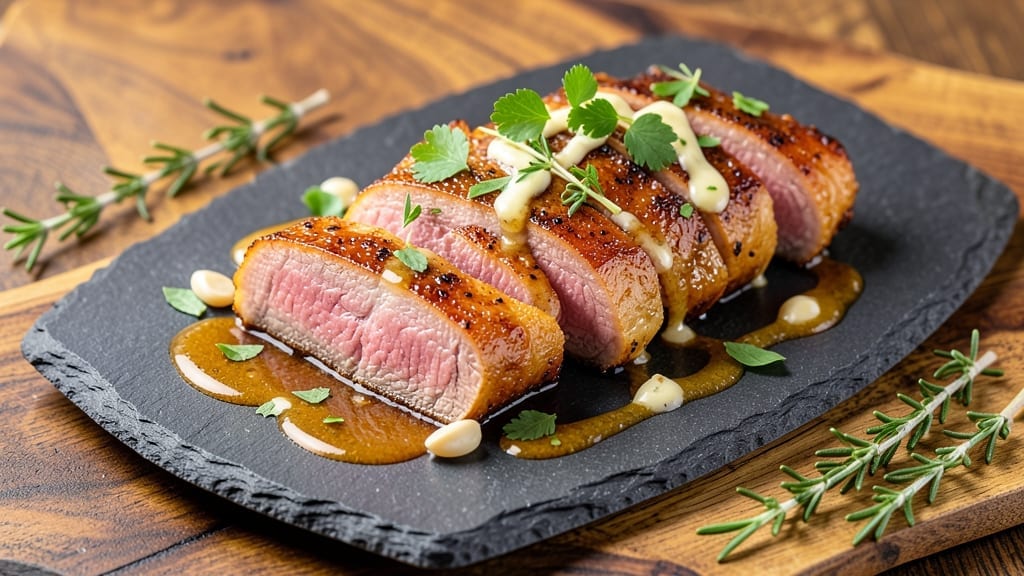
A 2.5-pound pork tenderloin cooked to perfection delivers melt-in-your-mouth tenderness with a juicy pink center—something I’ve perfected after years of working with pork at Atlanta’s Smoky Pig. The secret lies in the herb crust and precise cooking method that transforms this lean cut into a showstopping main course.
This recipe delivers restaurant-quality results at home, with techniques that ensure every bite stays succulent.
What sets this apart is the balance of herbs and spices that create a flavorful crust while keeping the interior moist. A 30-minute prep followed by 20 minutes in the oven at 425°F ensures a perfect internal temperature of 145°F, measured with a meat thermometer.
The key? Not overcooking—this cut stays tender when handled right. I’ve tested this recipe countless times, and it never fails to impress.
By the time you serve it, you’ll have a juicy, herb-crusted roast with a golden exterior and a pink center that’s impossibly tender. The aroma alone will have everyone at the table anticipating the first bite.
This dish pairs beautifully with roasted root vegetables or a crisp green salad, making it ideal for dinner parties or family gatherings.
Whether you’re grilling or roasting, this method guarantees a foolproof, restaurant-quality result every time. Let’s get started—your taste buds will thank you.
Ingredients for 2.5 pound pork tenderloin
Gather these premium ingredients for a showstopping herb-crusted pork tenderloin that stays juicy inside and crisp outside.
| Ingredient | Amount | Notes |
|---|---|---|
| Pork Tenderloin 🐖 | 2 ½ lb | Center-cut, trimmed of silver skin |
| Fresh Rosemary 🌿 | ½ cup | Finely chopped, stems removed |
| Fresh Thyme 🌿 | ¼ cup | Leaves only, finely chopped |
| Fresh Parsley 🌿 | ¼ cup | Flat-leaf, finely chopped |
| Garlic Cloves 🧄 | 6 cloves | Minced, not pre-minced jarred |
| Extra-Virgin Olive Oil 🫒 | ¼ cup | High-quality, fruity variety |
| Dijon Mustard 🍯 | 2 tbsp | Mild or medium strength |
| Kosher Salt 🧂 | 1 ½ tsp | Diamond Crystal preferred |
| Freshly Ground Black Pepper 🌶️ | 1 tsp | Freshly cracked preferred |
| Unsalted Butter 🧈 | ½ cup | Cold, cubed for crust |
| Honey 🍯 | 1 tbsp | For glaze, local preferred |
| Balsamic Vinegar 🍷 | 1 tbsp | For finishing glaze |
| Vegetable Oil 🫒 | 1 tbsp | For searing pan |
The pork tenderloin is your star, so pick the center-cut—it’s more tender and less likely to have connective tissue. Trim any silver skin before cooking, or it’ll make the crust uneven. For herbs, farmers markets or specialty stores like Whole Foods have the freshest rosemary and thyme, but the grocery store works too if you grab them within a day or two. The garlic? Freshly minced makes a difference—jarred garlic has a metallic aftertaste. I always buy extra herbs because they make the dish, and nothing beats the aroma when you pull it from the oven.
No fresh rosemary? Dried at one-third the amount gets you close, but it lacks that piney freshness. Short on butter? Olive oil works in a pinch, though it won’t give you that same golden crust. The Dijon mustard is non-negotiable—it adds depth that regular mustard can’t match. For the glaze, local honey has better flavor than store-brand, but any will do. If you’re grilling instead of roasting, skip the butter crust and brush with extra olive oil before hitting the heat. The key is keeping that interior pink—don’t overcook, no matter what.
Prep the crust ahead and store it in the fridge for up to 24 hours—it’ll taste even better after resting. The pork itself keeps 2 days in the fridge if wrapped tightly, but it’s best served fresh. For leftovers, slice and reheat gently in a pan with a splash of broth. The crust gets crispy again when reheated, so it’s worth the effort. Freeze portions for up to 3 months if you’re planning ahead—just thaw in the fridge overnight before reheating.
Why You’ll Love This Recipe
- One-Pan Wonder: I swear by this for nights when I’d rather not scrub a million dishes—just sear the pork, toss in those fragrant herbs and garlic, and let the oven do the work. The rosemary and thyme practically melt into the meat, so you don’t even notice the cleanup.
- Herb-Packed Punch: That crispy garlic crust on the outside? Chef’s kiss. But the real magic is the tender, juicy center where the parsley brightens every bite—like a little burst of sunshine in your mouth. (Yes, even on a Tuesday night.)
- Leftovers That Don’t Suck: Between us, pork tenderloin is one of those proteins that improves the next day. Slice it thin for sandwiches, dice it into salads, or toss it with pasta—it’s the ultimate lazy lunch savior. Honestly, I make this just to have leftovers.
- Budget Crowd-Pleaser: A 2.5-pound cut feeds four easily, and the herbs stretch flavor without breaking the bank. My college-aged kids actually ask for seconds, which is basically a miracle. (Not the prettiest, but the taste makes up for it.)
Step-by-step instructions for herb-crusted roast pork tenderloin
This method delivers a perfectly tender, juicy center with a golden herb crust every time.
Prepare the Herb Butter Crust
In a food processor, combine the 0.5 cup fresh rosemary, 0.25 cup fresh thyme, 0.25 cup fresh parsley, 6 cloves minced garlic, 1.5 tsp kosher salt, 1 tsp freshly ground black pepper, and 0.5 cup cold unsalted butter. Pulse until the mixture resembles coarse sand with visible herb flecks. The butter should hold its shape when pressed between fingers—this ensures a stable crust that won’t fall apart during roasting.
Spread this herb butter mixture evenly over the 2.5 lb pork tenderloin, pressing firmly to adhere. The crust should completely cover the meat, including the ends. Place the coated tenderloin on a wire rack set over a rimmed baking sheet—this elevation allows heat to circulate evenly, preventing soggy bottoms. Chill uncovered in the refrigerator for 30 minutes while you preheat the oven.
Sear for Maximum Flavor and Color
Preheat your oven to 425°F. Heat 1 tablespoon vegetable oil in a large oven-safe skillet over medium-high heat until shimmering. Carefully transfer the chilled pork tenderloin to the skillet and sear for 2-3 minutes per side until the herb crust is deeply golden brown and the meat releases easily from the pan. The high heat creates a flavorful crust while locking in juices.
This searing step is non-negotiable—it builds flavor that oven-roasting alone can’t achieve. If the crust browns too quickly, reduce heat slightly to prevent burning. The pork should reach 140°F internal temperature at this point, but it will continue cooking in the oven.
Roast to Juicy Perfection
Transfer the seared tenderloin to the preheated oven and roast for 20-25 minutes for a medium-rare center (145°F internal temperature). For medium doneness (150°F), roast for 25-30 minutes. The key is to pull it out when the internal temperature is 5-10°F below your target—it will rise as it rests.
Here’s where the magic happens: the herb crust will crisp up beautifully while the interior remains tender. Check for doneness by inserting an instant-read thermometer into the thickest part of the meat. If you prefer a pink center, aim for 140-145°F—this cut cooks quickly and stays moist when not overcooked.
Create the Honey-Balsamic Glaze
While the pork rests, prepare the finishing glaze by combining 1 tablespoon honey and 1 tablespoon balsamic vinegar in a small saucepan. Heat over low heat for 2-3 minutes, stirring constantly, until the mixture thickens slightly and becomes syrupy. The glaze should coat the back of a spoon—this ensures it clings beautifully to the meat.
Simmer until the aroma becomes rich and caramelized. If the mixture crystallizes, add 1 teaspoon water to dissolve the sugar. This glaze adds a perfect balance of sweetness and acidity that complements the herb crust without overpowering the pork’s natural flavor.
Rest and Serve with Glaze
Transfer the roasted pork tenderloin to a cutting board and tent loosely with foil. Let it rest for 10-15 minutes—this crucial step allows the juices to redistribute, ensuring each slice remains moist. The internal temperature will rise 5-10°F during resting, so don’t be tempted to cut into it early.
Slice the pork into ½-inch thick medallions and drizzle each serving with the honey-balsamic glaze. The contrast of crispy herb crust, tender pink center, and glossy glaze creates a restaurant-quality dish. Serve immediately with roasted vegetables or a fresh herb salad to complement the rich flavors.
Pro Tips For Making 2.5 Pound Pork Tenderloin
- USE A MEAT THERMOMETER: I learned this the hard way—pork tenderloin can go from perfect to dry in seconds. Aim for an internal temp of 145°F (not 160°F, which is overkill for this cut), and pull it out immediately when it hits. The residual heat finishes cooking while you rest it.
- TRIM THE SILVER SKIN: That shiny, fibrous membrane on the surface? It’s not just for looks—it’s a moisture thief. Use kitchen shears to snip it off before seasoning, or at least score it lightly in a crosshatch. Your herb crust will stick better, and the meat stays juicier.
- SALT THE PORK 2 HOURS EARLY: Fresh herbs and garlic won’t cling if the meat’s dry. Pat the tenderloin thoroughly with paper towels, then coat it in 1 tablespoon kosher salt (or more if you’re salty like me) and let it sit uncovered in the fridge. The salt breaks down proteins, and the surface dries just enough for a better sear.
- DON’T OVERCROWD THE PAN: I used to toss everything in at once—herbs, garlic, pork—and end up with sad, steamed pork instead of crispy edges. Sear the tenderloin first over medium-high heat until golden (3-4 minutes per side), then remove it and add the garlic, rosemary, and thyme to the pan. Let them sizzle for 30 seconds before basting the pork with the pan juices. (Yes, it’s an extra step, but it’s worth it.)
Storing and reheating your 2.5 pound pork tenderloin
Refrigerator Storage
After cooking, let your pork tenderloin cool to room temperature for no more than 2 hours before storing. Wrap it tightly in plastic wrap followed by a layer of aluminum foil—this double-wrapping prevents drying and keeps the herb crust intact.
Store in the refrigerator at 40°F or below for up to 3 days. The crust stays crispy when reheated properly, so don’t skip the foil—it’s your secret weapon for maintaining texture. 🌡️
Freezer Storage
For longer storage, slice the pork into ½-inch medallions and freeze on a parchment-lined tray for 1 hour to prevent sticking. Transfer the frozen slices to a freezer-safe zip-top bag and press out excess air before sealing.
This method keeps the pork tenderloin for up to 3 months without freezer burn. When ready to use, thaw overnight in the refrigerator—never at room temperature. I always double-check the bag’s seal to keep that herb flavor locked in.
Reheating Methods
For the best results, reheat slices in a skillet over medium heat with 1 tablespoon olive oil for 2-3 minutes per side until reaching 165°F. The crust will crisp up beautifully, just like it did when first cooked.
For microwave reheating, place slices on a microwave-safe plate, cover loosely with a damp paper towel, and heat on 50% power for 1-2 minutes. Add a splash of water if the crust looks dry.
Leftovers Hack
Transform leftover pork tenderloin into a quick sandwich by layering slices on toasted ciabatta with caramelized onions and sharp cheddar. The herb crust adds incredible flavor to any sandwich.
For a heartier meal, toss slices with roasted potatoes, steamed green beans, and a drizzle of the original honey-balsamic glaze. This is my go-to way to repurpose leftovers without sacrificing quality. 💡
Safety First
Always reheat pork to an internal temperature of 165°F to ensure food safety. Use a meat thermometer to verify—this is non-negotiable. If you’re unsure about the internal temperature, err on the side of caution and reheat longer.
I’ve never had an issue with this method, but it’s always better to be safe than sorry. The herb crust actually helps maintain moisture during reheating, making it a foolproof approach. ⚡
Nutrition facts
Frequently asked questions about 2.5-Pound pork tenderloin
Why does my pork tenderloin turn out dry?
Overcooking is the #1 cause of dry pork tenderloin. This lean cut cooks fast—pull it from the oven when it hits 145°F for medium-rare, not 160°F. The resting time (10-15 minutes) lets juices redistribute. Also, never skip the herb butter crust—it adds moisture while creating flavor. Brining for 30 minutes in saltwater (1 cup water + 2 tbsp salt) before cooking helps too!
Can I cook this in a slow cooker instead of oven?
Yes! For a 2.5-pound tenderloin, sear first (like in the recipe), then transfer to a slow cooker with 1 cup chicken broth and 1 tbsp olive oil. Cook on LOW for 4-5 hours until reaching 145°F. The crust won’t be crispy, but the meat stays incredibly tender. Add fresh herbs at the end for flavor—just don’t overcook!
What’s the best way to carve a pork tenderloin?
Slice against the grain at a 45-degree angle for maximum tenderness. Start at one end and cut ½-inch thick slices. The grain runs lengthwise, so look for the muscle fibers’ direction before your first cut. For presentation, fan the slices slightly on the plate—the herb crust looks stunning this way. A sharp chef’s knife makes all the difference!
How do I adjust this for a smaller tenderloin?
For a 1.5-pound tenderloin, reduce roasting time to 15-20 minutes at 425°F (still aim for 145°F internal). The herb butter crust amount stays the same—just press it thinner. Cooking time scales roughly 1:1 with weight, but always use a meat thermometer. Smaller cuts cook faster, so watch closely in the last 5 minutes!
Can I grill this recipe instead of roasting?
Prep the herb butter crust as directed, then grill over medium-high heat (400-450°F) for 10-12 minutes, turning occasionally. Use indirect heat for the last 5 minutes to finish cooking. Brush with olive oil before grilling to prevent sticking. The crust will be slightly different but still flavorful. Just watch for flare-ups from the butter!

- 6 Egg Cake Recipe with Oil: Light as Air With Buttery Moisture - October 4, 2026
- 4 Bean Casserole Recipe: One-Pan Heartiness With Smoky Paprika Depth - October 4, 2026
- 3-Ingredient Keto Mug Cake Recipe: Microwave Magic in 2 Minutes - October 4, 2026