
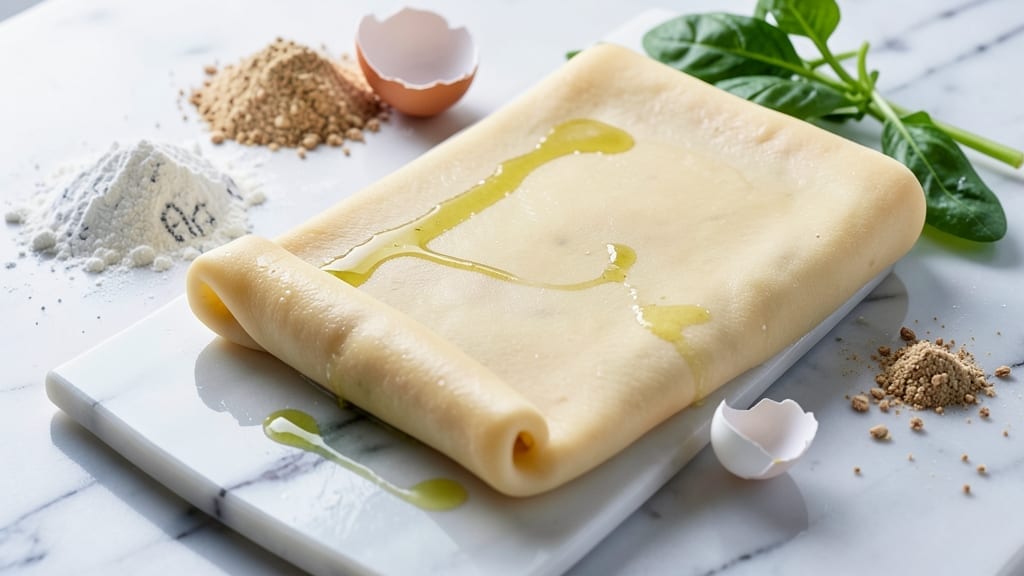
This 3-egg pasta dough recipe delivers the silky, elastic texture of fresh pasta without a stand mixer—just three eggs, flour, and a few minutes of your time. I’ve perfected this method over years of testing, ensuring every strand turns out tender, springy, and ready for any sauce.
The ratio is foolproof: three eggs per cup of flour, with optional olive oil for extra richness or whole wheat for a nuttier bite.
The secret lies in proper kneading and resting. You’ll work the dough until it’s smooth and elastic, then let it rest at room temperature while you prep your kitchen.
This step prevents tough strands and ensures the pasta cooks evenly. The dough makes about 2 servings (or 4 if cut thin), with enough leftovers to freeze for later.
What you’ll achieve is pasta with a velvety bite—al dente when cooked al dente, with a subtle chew that’s impossible to replicate with store-bought. The dough’s versatility means you can roll it thin for delicate noodles or thick for hearty pappardelle.
No machine? No problem: use a rolling pin or even a wine bottle for even thickness.
For variations, fold in spinach for green pasta or whole wheat flour for a rustic texture. The dough keeps in the fridge for 2 days or freezes beautifully for up to 3 months. Ready to make restaurant-quality pasta at home? Let’s begin.
Ingredients for 3 egg pasta dough
Three simple ingredients transform into restaurant-quality pasta with just your hands.
| Ingredient | Amount | Notes |
|---|---|---|
| Large Eggs 🥚 | 3 whole | Room temperature for best results |
| All-Purpose Flour 🌾 | 1 cup | Plus 2 tbsp for dusting |
| Extra-Virgin Olive Oil 🫒 | ½ tbsp | Optional for extra richness |
| Salt 🧂 | ½ tsp | Fine sea salt preferred |
| Whole Wheat Flour 🌾 | ¼ cup | Optional for nuttier flavor |
| Fresh Spinach 🍃 | ½ cup | Optional for green pasta |
| Water 💧 | 1 tbsp | Only if needed for elasticity |
The eggs are the star here—room temperature is key for smooth dough. Grab the freshest eggs you can find, preferably organic, for that rich, velvety texture. All-purpose flour is your base, but if you want to get fancy, swap half for whole wheat for a nuttier bite. I always keep a stash of flour in my pantry—King Arthur or Bob’s Red Mill are my go-tos because they’re consistent. For the olive oil, extra-virgin makes all the difference—it adds richness without overpowering. Skip it if you’re watching calories, but trust me, it’s worth the extra tablespoon.
No extra-virgin olive oil? Avocado oil or melted butter work in a pinch, though the flavor won’t be quite the same. Want to skip the whole wheat? Semolina flour adds a nice chewiness, but it’s not necessary. Spinach is optional but adds that gorgeous green hue—just blanch and chop it finely so it blends right in. If your dough feels too dry, add a tablespoon of water at a time until it comes together. Too sticky? Add a little more flour. The key is to find that perfect balance, and it usually takes about 2-3 minutes of kneading by hand.
Fresh pasta is best used within 2 days, but it freezes beautifully for up to 3 months. Wrap it tightly in plastic wrap, then foil, or freeze on a tray before bagging to prevent sticking. Thaw overnight in the fridge before cooking. Pro tip: Cut the dough thin for delicate noodles or roll it thick for hearty pappardelle. The dough keeps in the fridge for 2 days, so make a double batch if you’re planning to freeze some. Just remember, the colder the dough, the harder it is to roll—let it sit at room temperature for 20-30 minutes before shaping.
Why You’ll Love This Recipe
- No-Knead Magic: I swear by this dough—just toss the eggs, flour, and olive oil, then fold it once like a lazy lasagna. No stand mixer, no arm workout, just a few minutes of hands-on time before letting it rest. Honestly, it’s the kind of recipe that makes me feel like a chef without the fuss.
- Rich, Buttery Bite: That third egg? Total game-changer. The dough turns out tender yet sturdy, with a subtle richness from the olive oil that makes every bite feel like a hug. And the whole wheat? It adds just enough nuttiness to keep things interesting—no bland pasta here.
- Weeknight Workhorse: Between us, this dough is my go-to for everything from quick fettuccine Alfredo to homemade ravioli. I’ve even used it for a last-minute lasagna when friends dropped by. It’s the kind of blank canvas that turns into whatever you need—no excuses.
- Leftovers That Don’t Suck: Unlike store-bought dough that dries out or gets rubbery, this keeps for days in the fridge. I’ll make a big batch on Sunday, freeze half, and still have perfect pasta for Tuesday’s takeout night. Plus, the whole wheat version? It actually improves with a day’s rest—crispier edges, better texture. Budget win.
Step-by-step instructions for silky, elastic pasta dough
Here’s how to make perfect pasta dough with just a few ingredients and no machine needed.
Prepare Your Workspace and Ingredients
Start by laying out all your ingredients on a clean surface. I like to use a large marble slab or a clean countertop—it’s easier to clean up when flour gets everywhere. First, take the 3 whole Large Eggs out of the fridge and let them sit at room temperature for about 15 minutes. Room-temperature eggs mix better and create a smoother dough.
Next, measure out the 1 cup All-Purpose Flour and 0.25 cup Whole Wheat Flour into a medium-sized mixing bowl. If you’re using the optional 0.5 cup Fresh Spinach, chop it finely and set it aside. The spinach will add vibrant color and a subtle earthy flavor, but it’s not essential for the basic dough.
Mix the Wet and Dry Ingredients
Crack the eggs into the bowl with the flours. Add the 0.5 tbsp Extra-Virgin Olive Oil and 0.5 tsp Salt to the bowl as well. Using a fork, gently whisk everything together until you see a few dry spots remain. This step is crucial—it helps distribute the fat and salt evenly throughout the dough, which prevents dry patches later.
If you’re using the spinach, sprinkle it over the mixture now. The vibrant green will blend beautifully into the dough, creating stunning pasta. If the mixture feels too dry or crumbly, add 1 tbsp Water one teaspoon at a time until the dough starts to come together. You want it to be just moist enough to hold its shape when pressed, but not sticky.
Knead the Dough Until Silky Smooth
Turn the dough out onto your prepared surface and begin kneading with the heels of your hands. Press down firmly, then fold the dough over itself and repeat. I knead for about 8-10 minutes, working the dough until it becomes smooth and elastic. You’ll know it’s ready when it springs back slightly when you press it with your finger.
If the dough feels too sticky, sprinkle a little more of the 2 tbsp All-Purpose Flour (set aside for dusting) on the surface and continue kneading. If it’s too dry, add a few drops of water. The goal is to create a dough that’s pliable but not sticky—this ensures your pasta will be tender and easy to work with.
Rest the Dough for Perfect Results
Shape the dough into a ball and place it in a clean bowl. Cover it tightly with plastic wrap or a damp kitchen towel. Let it rest at room temperature for at least 30 minutes, or up to 24 hours in the refrigerator. This resting period allows the gluten to relax, which makes rolling out the dough much easier and prevents it from shrinking while you work with it.
Here’s the thing—resting the dough is where the magic happens. It gives the flour time to fully hydrate and the gluten strands time to align properly. This step ensures your pasta will be silky, elastic, and hold its shape beautifully when cooked. Don’t skip it, even if you’re eager to start rolling!
Roll and Cut Your Fresh Pasta
After resting, divide the dough into 2 equal portions (about 1 pound each) if you’re making two servings. Dust your rolling surface and rolling pin generously with flour. Start rolling one portion of the dough through a pasta machine set to the widest setting, or use a rolling pin if you’re doing it by hand.
Gradually roll the dough thinner with each pass, dusting with flour as needed to prevent sticking. If you’re using a pasta machine, work your way down to the thinnest setting. For hand-rolled pasta, aim for about 1/16-inch thickness. The dough should be smooth and even—this ensures your pasta cooks uniformly and has a perfect texture.
Pro Tips For Making 3 Egg Pasta Dough
- Crack Eggs Cold: Grab eggs straight from the fridge—room temp eggs release yolk too fast, drowning your flour pile. I learned this the hard way when my dough turned into a sticky mess mid-knead, and now I swear by it for this recipe.
- Mix by Hand First: Skip the food processor for the first 2 minutes—rub the eggs and flour between your fingers until you see dry bits disappear. This ensures even hydration before you switch to a stand mixer or dough hook, or your whole wheat flour will turn gummy.
- Skip the Olive Oil: Unless you’re making a very rich pasta (like pappardelle), the 3 eggs and whole wheat flour already add enough fat—extra olive oil makes the dough sticky and hard to roll. Save it for finishing the cooked pasta.
- Rest Under a Bowl: Cover the dough with a clean bowl instead of plastic wrap—it traps heat better and prevents a dry crust from forming while it rests. I used to forget this, and my dough would stick like glue when I rolled it out.
Make-ahead tips for this recipe
Dough Prep Ahead
Make the dough up to 24 hours in advance and store it in an airtight container in the fridge. The longer it rests, the more flavor develops and the easier it becomes to roll.
I often prep dough the night before so it’s ready for morning cooking. Just let it sit at room temperature for 30 minutes before rolling to restore elasticity. 💪
Freezing Fresh Pasta
Fresh pasta freezes beautifully for up to 3 months. After rolling and cutting, lay the noodles on a floured tray in a single layer and freeze until solid. Transfer to a labeled freezer bag with the air squeezed out.
When ready to use, cook straight from frozen—no thawing needed! I keep a stash of frozen pasta for lazy weeknights. ✨
Pre-Cut Shapes
Save time by pre-cutting your pasta into shapes like fettuccine or tagliatelle. Store the cut pieces between layers of parchment paper in an airtight container. This prevents sticking and makes assembly faster when you’re ready to cook. Just re-roll any flattened pieces before boiling. 🔥
Dough Portioning
Divide the rested dough into 4 equal portions (about 8 oz each) for easy handling. Wrap each portion tightly in plastic wrap and refrigerate. This lets you work with just one portion at a time while keeping the rest fresh.
I label them with the date—this prevents freezer burn and keeps things organized. 📅
Thawing Tips
Thaw frozen dough in the fridge overnight for best results. If you’re in a hurry, place the wrapped dough in a bowl of cool water for 10-15 minutes.
Never microwave—it can make the dough gummy. Once thawed, let it sit at room temperature for 10 minutes before rolling to restore texture. 💡
Long-Term Storage
For maximum freshness, store unused dough in the freezer for up to 3 months. Wrap it tightly in plastic wrap, then foil, to prevent freezer burn.
When ready to use, thaw in the fridge overnight. I always make extra dough when I have time—I never know when I’ll want fresh pasta! 🍝
Nutrition facts
Frequently asked questions
Can I use this dough recipe for gluten-free pasta?
This recipe relies on gluten for its signature elasticity, but you can adapt it! Replace the all-purpose flour with a 1:1 gluten-free flour blend (like Bob’s Red Mill) and add 1 extra egg to compensate for the lower protein content. The texture will be slightly different—more tender than traditional pasta—but still delicious.
Why does my dough keep sticking to the surface?
Sticky dough usually means one of two things: too much moisture or not enough kneading. First, check if you added all the water—this dough shouldn’t need extra liquid unless your kitchen is very humid. Knead for 8-10 minutes to develop gluten, which improves elasticity. If it’s still sticky, dust your surface with more flour or use semolina instead—it absorbs moisture better.
What’s the best way to test if the dough is ready?
The “windowpane test” is foolproof: Press a small piece of dough between your fingers. If it stretches thin enough to see light through without tearing, it’s perfect! Another sign: When you poke the dough, it should spring back slowly rather than immediately. If it feels too tough, knead 2-3 more minutes. Too soft? Add 1 tbsp flour and knead again.
How thin should I roll the dough for different pasta shapes?
For delicate shapes like angel hair, aim for 1/32-inch thickness. Tagliatelle needs 1/16-inch, while thick ribbons like pappardelle should be 1/8-inch. Use a pasta chart or credit card as a guide—slide it under the dough to check thickness. Pro tip: Roll slightly thicker than needed, then re-roll after resting to prevent tearing.
Can I add other ingredients like herbs or nuts?
Finely chop 1 tbsp herbs (like basil or parsley) or toasted nuts (pine nuts work well) and fold them into the dough during kneading. For stronger flavors, add 1 tsp dried herbs directly to the flour. Just be mindful—too many add-ins can make the dough dry. Keep portions small (no more than 2 tbsp total**) to maintain texture.

- 6 Egg Cake Recipe with Oil: Light as Air With Buttery Moisture - October 4, 2026
- 4 Bean Casserole Recipe: One-Pan Heartiness With Smoky Paprika Depth - October 4, 2026
- 3-Ingredient Keto Mug Cake Recipe: Microwave Magic in 2 Minutes - October 4, 2026