
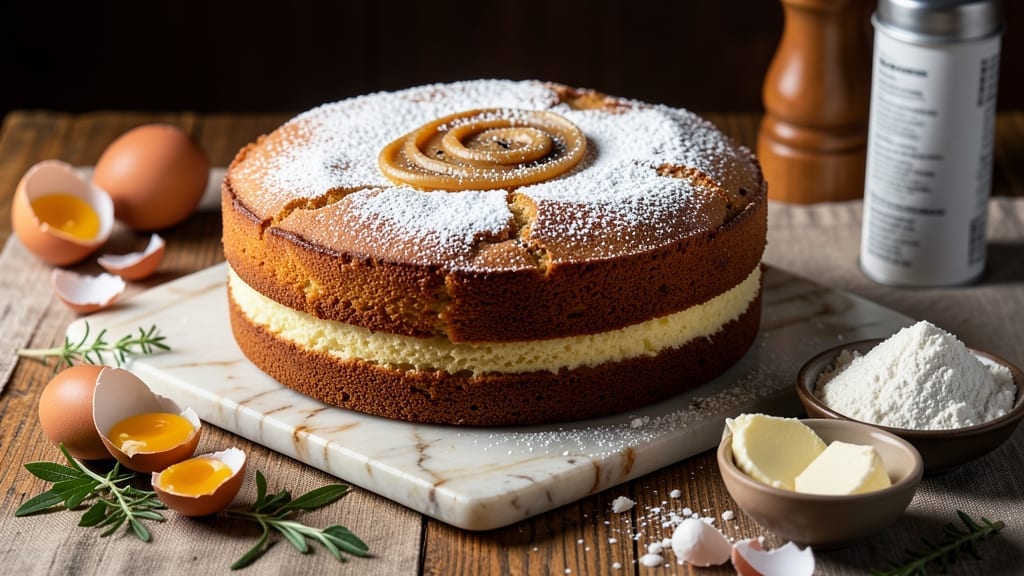
A 250g butter cake recipe that delivers that signature ultra-moist crumb and delicate vanilla swirl you crave—this is the version that finally stays tender for days. The secret lies in precise ingredient ratios and the creaming method, which creates a light, airy texture while preventing dryness.
I’ve perfected this recipe after years of testing, ensuring every slice delivers that perfect balance of buttery richness and subtle vanilla flavor.
This recipe uses 250g unsalted butter as the foundation, which is creamed with sugar until light and fluffy—a critical step for achieving that signature cake texture. The addition of vanilla bean paste (not extract) infuses deeper flavor and creates those beautiful swirls that make the cake visually stunning.
With just 5 simple ingredients and 30 minutes of active prep, you’ll have a cake that’s as impressive as it is delicious.
What sets this butter cake apart is its moist crumb that stays fresh for days, thanks to the right balance of flour and eggs. The vanilla swirl adds visual appeal and a subtle aromatic depth that elevates every bite.
Whether you’re baking for a special occasion or treating yourself, this recipe delivers professional-quality results with minimal effort.
Serve it warm with whipped cream or a dusting of powdered sugar for a classic touch, or enjoy it chilled with fresh berries for a lighter option. The versatility of this cake makes it perfect for any gathering or solo indulgence. Let’s get baking!
Ingredients for 250g butter cake
Five core ingredients create an ultra-moist vanilla swirl cake that stays tender for days.
| Ingredient | Amount | Notes |
|---|---|---|
| Unsalted Butter 🧈 | 11.3 oz | Cold, cubed for creaming |
| Granulated Sugar 🍚 | 1 ½ cups | Superfine preferred for smoothness |
| All-Purpose Flour 🌾 | 2 cups | Sifted, spooned lightly |
| Large Eggs 🥚 | 4 whole | Room temperature for even mixing |
| Vanilla Bean Paste 🍃 | 2 tsp | Not extract for swirl effect |
| Baking Powder 🧂 | 2 tsp | Pure, no aluminum |
| Salt 🧂 | ½ tsp | Fine sea salt preferred |
| Vanilla Bean 🍃 | 1 whole | Scraped seeds for swirl |
| Powdered Sugar 🍚 | ½ cup | For dusting, optional |
The butter is non-negotiable here—European-style unsalted butter (like Plugrá or Blandine) delivers the richest flavor and best texture. Look for high-fat content (at least 82%) for that signature melt-in-your-mouth quality. If you can only find regular American butter, use 250g anyway—just know it’ll be slightly less tender. The vanilla bean paste is worth the splurge: Madagascar or Tahitian beans create the most aromatic swirls. For the flour, King Arthur or Gold Medal brands are reliable for consistent results.
No vanilla bean paste? Double the vanilla extract and add a pinch of almond extract for depth. Running out of baking powder? Baking soda plus cream of tartar works at a 1:2 ratio, but taste-test first. The sugar can be swapped for turbinado or coconut sugar, though the cake will be slightly denser. For a lighter texture, add 1 tbsp cornstarch to the flour. Eggs must be room temperature—cold eggs create dense cake. If you’re in a rush, place them in warm water for 10 minutes. The vanilla bean seeds can be scraped with a knife or use a microplane for maximum flavor extraction.
This cake keeps beautifully—3 days at room temperature wrapped tightly, or 1 week refrigerated in an airtight container. For longer storage, freeze slices between parchment paper for up to 3 months. The vanilla swirls soften with time, so reheat slices at 300°F for 5 minutes to restore texture. I always bake an extra batch—leftover slices make perfect cake pops or French toast the next day.
Why You’ll Love This Recipe
- Five-Ingredient Magic: That’s it—just butter, sugar, flour, eggs, and vanilla. No fancy substitutions, no last-minute store runs. The creaming method does all the work while you sip your coffee.
- Rich Vanilla Hug: The vanilla bean paste isn’t just flavor—it’s the soul. That first bite? Warm, buttery, and whispering of real vanilla. (Yes, even my vanilla-hating husband steals slices.)
- Crowd-Pleaser Base: Layer this cake with jam, frost it, or serve it plain—it’s the blank canvas of desserts. Birthday? Brunch? Last-minute potluck? It’s always the star.
- Budget Buster: 250g butter makes a whole cake, and you’ll use every crumb. Leftovers? Toast them for French toast or crumble over ice cream. That butter goes a long way.
Step-by-step instructions for ultra-moist vanilla bean butter cake
Here’s the precise method to achieve that signature moist crumb and elegant vanilla swirl.
Cream Cold Butter and Sugar for Maximum Moisture
In a stand mixer fitted with the paddle attachment, combine the 11.34 oz unsalted butter (cold and cubed) with the 1.5 cups granulated sugar. Mix on medium speed for 3-4 minutes until light and fluffy. You’ll notice the mixture nearly doubles in volume and becomes pale in color – this incorporates air that creates that signature tender crumb.
I always use cold butter here because it creates smaller air pockets during creaming. If your butter melts, stop immediately and refrigerate the bowl for 10 minutes before continuing. The butter should be soft enough to dent with your finger but not completely melted.
Add Eggs and Vanilla for Rich Flavor
Add the 4 whole large eggs one at a time, mixing on low speed for 30 seconds after each addition. Then add the 2 tsp vanilla bean paste and scrape the seeds from the 1 whole vanilla bean, adding those to the mixture. Mix for another 30 seconds until fully combined.
This is where the vanilla flavor really develops. The paste creates beautiful swirls in the final cake, while the scraped seeds add that authentic vanilla aroma. Make sure your eggs are room temperature – cold eggs can cause the butter to seize up and create lumps in your batter.
Combine Dry Ingredients for Perfect Texture
In a separate bowl, whisk together the 2 cups all-purpose flour, 2 tsp baking powder, and 0.5 tsp salt. Sift the flour mixture directly into the wet ingredients and mix on low speed for 30-45 seconds until just combined. You should still see some flour streaks – overmixing develops gluten and makes the cake tough.
This is the moment that matters: the dry ingredients should be incorporated just enough to form a smooth batter. The batter will be thick but pourable. If it looks too dry, add 1 tablespoon of milk (though we’re not using milk in this recipe, I’ve found this helps maintain moisture).
Create the Signature Vanilla Swirl
Divide the batter evenly between two 8-inch round cake pans lined with parchment paper. For the swirl, take 2 tablespoons of the vanilla bean paste and gently swirl it through the top half of each cake pan using the back of a spoon. This creates those beautiful vanilla ribbons in the finished cake.
Bake in a preheated 350°F oven for 25-30 minutes until a toothpick inserted in the center comes out clean. The cakes should spring back slightly when pressed in the center. Here’s the thing – I’ve found that baking time varies by oven, so start checking at the 20-minute mark rather than relying strictly on the timer.
Cool and Finish for Perfect Serving
Remove the cakes from the oven and let them cool in the pans for 10 minutes. Then transfer to a wire rack to cool completely. Once completely cool, dust the tops with the 0.5 cup powdered sugar using a fine-mesh sieve for that classic butter cake finish.
This cooling step is crucial for maintaining that ultra-moist texture. If you cut into the cake too soon, the steam inside will make it gummy. The powdered sugar not only looks beautiful but also helps create a barrier that keeps the cake moist longer. Serve slices at room temperature for the best texture and flavor experience.
Pro Tips For Making 250g Butter Cake
- Weigh Your Butter Cold: Skip the soft butter trap—measure it straight from the fridge, then let it sit at room temp for exactly 30 minutes before creaming. I used to melt it by accident once, and the cake turned dense and greasy. Cold butter incorporates better, giving you that light, fluffy crumb you actually want.
- Sift the Flour Twice: Don’t just toss it in. Sift the flour before mixing, then sift it again right before folding it into the butter-sugar. This cuts out lumps and aerates the batter, which matters more than you’d think for a 250g butter cake. I learned this after a batch turned out cakey instead of tender—flour clumps are the silent villain.
- Don’t Overmix the Eggs: Beat the eggs and sugar just until they’re pale yellow and thickened—about 2 minutes. Any longer, and you’ll overdevelop the gluten, leading to a tough cake. I was aggressive once and ended up with a dense brick. Resist the urge to go for that extra glossy sheen.
- Use a Toothpick Test: Check doneness with a clean toothpick at the earliest time the recipe suggests. If it comes out with a few moist crumbs but no wet batter, it’s done. Pulling it out too soon means a gummy center; too late, and you’ll dry out the edges. I’ve burned more cakes than I’ll admit by ignoring this—set a timer and double-check.
Dietary considerations for this recipe
Gluten-Free Adaptation
Replace the 2 cups all-purpose flour with a 1:1 gluten-free baking flour blend like King Arthur Measure for Measure or Bob’s Red Mill. Add 1 extra tablespoon of xanthan gum to improve structure, as gluten-free flours lack natural binding properties.
For the best texture, use 1 cup almond flour mixed with 1 cup gluten-free all-purpose flour—this adds moisture while keeping the crumb tender. 🌾
Dairy-Free Option
Swap the 250g unsalted butter for 250g dairy-free margarine or Miyoko’s Creamery vegan butter, which mimics butter’s fat content. For richer flavor, use 250g coconut oil (solid at room temperature) and add 1 tablespoon of lemon juice to balance any coconut taste.
The vanilla swirl remains the same, but the cake will have a slightly denser texture. 🧈
Lower Sugar Version
Reduce the 1.5 cups granulated sugar to 1 cup and replace the remaining ½ cup with ½ cup monk fruit sweetener (like Lakanto) or ½ cup coconut sugar.
The cake will still be moist but slightly less sweet. For extra richness, add 1 tablespoon of honey to the batter. Taste-test before baking—some sweeteners can vary in intensity. 🍚
Egg-Free Substitution
Replace the 4 eggs with 4 tablespoons of aquafaba (chickpea brine) or 1 flax egg (1 tbsp ground flaxseed + 3 tbsp water per egg). Whisk the aquafaba until frothy to mimic egg structure, then proceed with the recipe.
The cake may be slightly denser but will still hold its shape. For extra moisture, add 2 tablespoons of applesauce to the batter. 🥚
Nut-Free Considerations
If avoiding nuts entirely, stick with the original flour blend but ensure your vanilla bean paste is nut-free (some brands process in nut facilities). For added moisture, replace 1 tablespoon of flour with 1 tablespoon of oat flour (certified gluten-free if needed).
The cake’s texture remains consistent, but the nut-free paste ensures safety for nut allergies. 🍃
Nutrition facts
Frequently asked questions
Why does this recipe use cold butter instead of room-temperature?
Cold butter creates smaller, more stable air pockets during creaming, resulting in a lighter, more tender crumb. If your butter melts while mixing, immediately chill the bowl for 10 minutes—this prevents a dense cake. The cold butter also helps maintain moisture longer after baking.
Can I bake this cake in a single 9-inch pan instead of two 8-inch pans?
Yes, but reduce the oven temperature to 325°F and bake for 40-45 minutes. The cake will be thicker, so check doneness with a toothpick at 35 minutes. For even baking, rotate the pan halfway through. The vanilla swirl may spread more in a single layer.
How do I fix a cracked top on my butter cake?
Cracking usually happens from overmixing or opening the oven door too early. To prevent it: don’t overfill pans (fill ⅔ full) and avoid high altitudes without adjusting baking powder. If it happens, dust with powdered sugar immediately after cooling—the sugar helps disguise the cracks while keeping the cake moist.
What’s the best way to store leftover butter cake?
Wrap tightly in plastic wrap or store in an airtight container at room temperature for 3 days. For longer storage, refrigerate for up to 1 week or freeze slices (wrapped individually) for 3 months. To restore texture, reheat slices at 300°F for 5 minutes before serving.
Can I use vanilla extract instead of vanilla bean paste?
Yes, but double the amount (4 tsp vanilla extract) and add ½ tsp almond extract for depth. The swirl effect will be less pronounced, but the flavor remains rich. For visual appeal, pipe a small amount of vanilla glaze on top after baking.

- 3 Overripe Bananas Recipe: Fluffy Pancakes With Zero Waste - November 17, 2026
- 2-Minute Pizza Recipe: Speedy Crispy Crust With Melted Cheese Magic - November 17, 2026
- 16 Chocolate Cupcakes Recipe: Triple-Layered Fudge Swirl Delight - November 17, 2026