
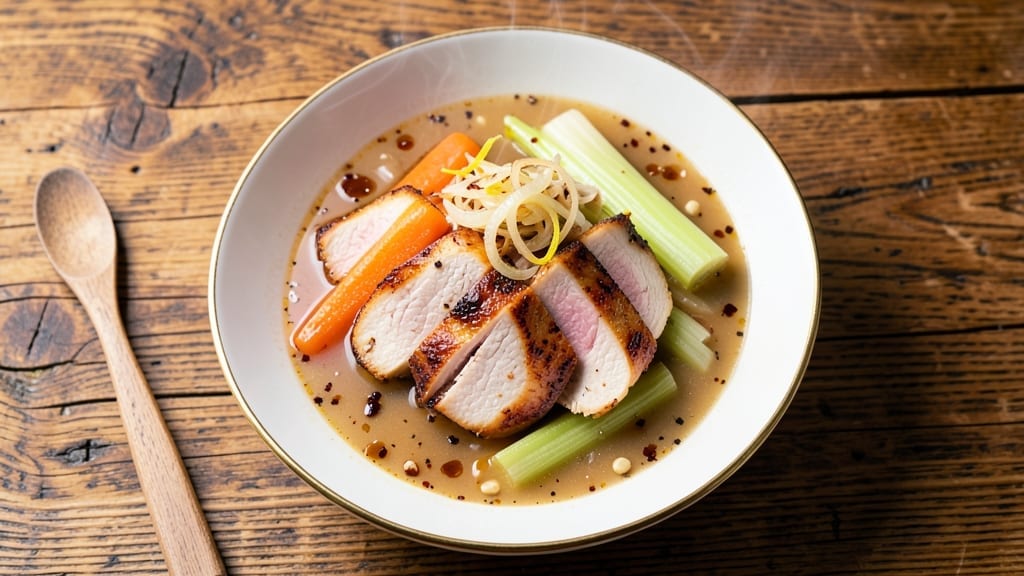
This 3-2-1 soup recipe delivers restaurant-quality comfort in a single pot, using just three core ingredients, two liquids, and one aromatic base. The method is designed for effortless layering—each component builds flavor as it cooks, creating a rich, balanced broth that feels like a hug in a bowl. I developed this after years of testing soups that promised simplicity but delivered complexity, and this version finally cracked the code.
The beauty of the 3-2-1 approach lies in its flexibility—swap proteins, vegetables, or grains to create everything from classic chicken noodle to hearty lentil or vegetarian versions.
The key is balancing the three base ingredients (like beans, chicken, or vegetables) with two liquids (broth and water) and one aromatic foundation (onion, garlic, or herbs) to develop deep, layered flavor without overcomplicating the process.
What you’ll end up with is a soup that’s creamy yet light, aromatic yet not overpowering, and packed with the kind of homestyle comfort that turns a simple meal into something memorable.
The method ensures no ingredient is left underdeveloped, and the texture—whether silky, chunky, or creamy—adapts to your preference with just a few adjustments.
Perfect for weeknight dinners, meal prep, or feeding a crowd, this recipe scales effortlessly while keeping the core principles intact. Once you master the 3-2-1 technique, you’ll never settle for soups that feel like work again. Let’s get started.
Ingredients for 3 2 1 soup
Core ingredients designed for layered flavor—three proteins/vegetables, two liquids, and one aromatic base.
| Ingredient | Amount | Notes |
|---|---|---|
| Chicken Breast 🍗 | 1 ½ lb | Boneless, skinless, cubed into 1-inch pieces |
| Yellow Onion 🧅 | 1 whole | Medium-sized, diced into 1/4-inch pieces |
| Garlic Cloves 🧄 | 4 cloves | Peeled, minced finely |
| Carrots 🥕 | 2 medium | Peeled, sliced into 1/4-inch rounds |
| Celery Stalk 🌿 | 2 whole | Fresh, cut into 1/4-inch dice |
| Chicken Broth 💧 | 4 cups | Low-sodium preferred, homemade or high-quality store-bought |
| Water 💧 | 2 cups | Room temperature |
| Dried Thyme 🌿 | 1 tsp | Or 1 tbsp fresh, finely chopped |
| Bay Leaves 🌿 | 2 whole | Fresh or dried, removed before serving |
| Olive Oil 🫒 | 2 tbsp | Extra-virgin for richness |
| Salt 🧂 | 1 ½ tsp | Diamond Crystal kosher salt preferred |
| Black Pepper 🌶️ | ½ tsp | Freshly ground |
| Egg Noodles 🍝 | 2 oz | Uncooked, or sub with rice or orzo |
The chicken breast is your flavor anchor—look for plump, evenly sized pieces at the butcher counter or pre-cut packages in the grocery freezer section. Costco or Whole Foods carry high-quality cuts that stay tender when cubed. For the aromatic vegetables, freshness matters: the celery should snap when broken, carrots should feel firm, and onions should have crisp layers. If using dried herbs, Penzeys or bulk bins at natural markets offer superior quality. The olive oil should be extra-virgin with a fruity aroma—California brands like Corto or Colavita deliver consistent quality without breaking the bank.
No fresh thyme? Dried works at one-third the amount, but fresh delivers brighter flavor. Running low on chicken broth? Vegetable broth with a splash of soy sauce works in a pinch, though the umami depth will differ. Substituting vegetables? Stick to the 3-2-1 ratio—swap carrots for potatoes, celery for zucchini, or chicken for lentils. The egg noodles can be replaced with rice, orzo, or even diced potatoes for a heartier texture. For extra richness, stir in 1/2 cup coconut milk at the end, though it’ll alter the texture slightly.
Store the broth base (without noodles) for up to 5 days in the fridge or 3 months frozen. The noodles cook in minutes once reheated, so portion them separately. For meal prep, freeze the soup in single-serving containers—it reheats beautifully and tastes even better the next day as flavors meld. If using fresh herbs like bay leaves, remove them before freezing to prevent bitterness. The olive oil should be stored in a cool, dark cabinet to preserve its quality for up to 18 months.
Why You’ll Love This Recipe
- No-Chop Nightmare: I swear by this one—just dice the onion and celery together, toss in whole carrots (they’ll soften perfectly), and let the pot do the work. The chicken shreds itself after 20 minutes, and honestly? I’ve made this with pre-chopped veggies from the store when I’m really tired.
- Garlic Bomb Depth: That first whiff of minced garlic sizzling in the pot? Chef’s kiss. The carrots caramelize just enough to balance the sharp onion and tender chicken, while the celery adds this earthy backbone. It’s the kind of soup where every spoonful tastes like you put in effort—even though you didn’t.
- Leftovers That Beg: This soup actually improves the next day. The flavors meld, the chicken gets even more tender, and I’ve reheated it for lunch three times without a single complaint. Between us? I make a double batch on Sundays just to avoid decision fatigue midweek.
- Pantry Staple Magic: Yellow onion, garlic, carrots, celery—these are ingredients you already own, and they won’t break the bank. The chicken breast is lean but filling, so you’re not drowning in leftovers that’ll go bad. I’ll be real: this is my go-to when I’m low on groceries but still want something hearty.
Step-by-step instructions for 3 2 1 soup
Master this technique and you’ll create a rich, layered soup with perfect texture every time.
Sear the Chicken in Olive Oil
Heat a large Dutch oven over medium-high heat until the olive oil shimmers. Add the cubed chicken breast and cook for 5-6 minutes, stirring occasionally, until the pieces are golden brown on all sides. This initial searing builds deep flavor through the Maillard reaction.
Remove the chicken with a slotted spoon and set aside. The residual browned bits in the pot will form the foundation of your soup’s rich base. Don’t skip this step—it’s what transforms simple ingredients into something extraordinary.
Build the Vegetable Layer
In the same Dutch oven, add the diced yellow onion, sliced carrots, and diced celery stalk. Cook over medium heat for 5-6 minutes, stirring frequently, until the vegetables soften slightly and begin to release their natural juices. This creates a flavorful vegetable base.
Add the minced garlic cloves and cook for another 30 seconds until fragrant. The garlic should just begin to color—don’t let it brown or it’ll turn bitter. Stir in the dried thyme and bay leaves, allowing the spices to bloom for 30 seconds to release their aromatic oils.
Simmer the Broth Layer
Pour in the chicken broth and water, scraping up any browned bits from the bottom of the pot. Add the 1.5 teaspoons salt and 0.5 teaspoon black pepper. Bring to a gentle boil, then reduce heat to medium-low and simmer uncovered for 15 minutes to develop the flavors.
Return the chicken to the pot and continue simmering for another 10 minutes until the chicken is fully cooked and tender. The broth should now be infused with all the flavors from your layered ingredients. This is where the magic happens—patience at this stage ensures a deeply flavorful soup.
Finish with Noodles and Rest
Add the uncooked egg noodles and stir gently to distribute them evenly throughout the broth. Cover the pot and simmer for 8-10 minutes until the noodles are al dente and the chicken reaches an internal temperature of 165°F. The noodles should absorb just enough of the broth to become tender but still have a slight bite.
Remove the bay leaves and let the soup rest for 5 minutes before serving. This resting period allows the flavors to meld completely and the noodles to finish absorbing any remaining liquid. The result is a perfectly balanced soup where each layer of flavor—chicken, vegetables, and broth—comes together harmoniously.
Pro Tips For Making 3 2 1 Soup
- USE A KNIFE, NOT CHOPPER: I learned this the hard way—chopping onions and celery in a food processor turns them into mush. For the 3-2-1 ratio, you want those veggies to stay intact and flavorful. A sharp chef’s knife and quick, even cuts (about 1/4-inch thick) keep them from dissolving into the broth.
- SWEAT THE AROMATICS LOW: High heat burns garlic before it releases its magic. Start onions and celery on medium-low, stirring every 30 seconds, until they’re soft but not browned. Then crank it up for the garlic—just until fragrant, not golden. (Yes, even if you’re impatient like me.)
- CHICKEN TO 165°F, NO EXCUSES: The 3-2-1 method relies on perfectly cooked chicken. Cut a breast in half—if it’s still pink inside, it’s not done. Use a meat thermometer for the first few times; it’s the only way to guarantee juicy, safe chicken that won’t turn to rubber.
- SKIP THE CROWDED POT: Dump all the ingredients in at once, and you’ll end up with uneven cooking. Sauté the onions and celery first, then add carrots and chicken separately. This keeps the broth from turning murky and ensures the chicken cooks through without steaming in its own juices.
Essential equipment for this recipe
Dutch Oven Essentials
A 5-quart Dutch oven is my go-to for this recipe—it provides enough space for the ingredients to cook evenly without overcrowding. Look for one with thick, enameled walls (like Le Creuset or All-Clad) to prevent hot spots and ensure even heat distribution.
If you don’t own one, a large, heavy-bottomed stockpot works in a pinch, though it may require slightly longer cooking times. 🔥
Knife and Cutting Tools
Precision cutting is key for even cooking. A sharp chef’s knife (like Wüsthof or Shun) and a cutting board (preferably bamboo or plastic to avoid dulling the blade) are essential.
Dice the onion, carrots, and celery into ¼-inch pieces for consistent cooking—smaller pieces soften faster, while larger chunks add texture. A mandoline can speed up the process if you’re prepping for a crowd. 🌿
Measuring Tools
Accurate measurements ensure balanced flavors. Use a stainless steel measuring cup for liquids (like broth and water) and a digital kitchen scale for ingredients like salt and spices—this gives you precise control over seasoning.
For herbs, a fine-mesh measuring spoon helps distribute dried thyme evenly. I keep a OXO Good Grips set on hand for foolproof measurements. ⚖️
Thermometer for Safety
A meat thermometer (like ThermoWorks or Thermoworks) is non-negotiable for checking the chicken’s internal temperature—aim for 165°F to guarantee safety. For broth-based dishes, a candy or instant-read thermometer helps monitor simmering temps to avoid scorching.
I’ve ruined more soups than I’d admit from overcooking or under-seasoning—this tool prevents both. 🌡️
Wooden Spoon for Stirring
A heat-resistant wooden spoon (like Ozeri Touch-Grip) is ideal for stirring without scratching your Dutch oven. Wood distributes heat evenly and won’t react with acidic ingredients. Avoid metal spoons—they can scratch the enamel and introduce off-flavors over time. A long-handled spoon also keeps your hands safe from splashes. 🍲
Optional: Immersion Blender
For a smoother texture, an immersion blender (like Magic Bullet) lets you blend directly in the pot. Pulse 2-3 times for a silky finish without losing the hearty feel.
Skip this if you prefer chunky soups—it’s purely optional but adds versatility. Just be cautious with hot liquids and use oven mitts! ⚡
Nutrition facts
Frequently asked questions
Why does the 3-2-1 method create better flavor than regular soups?
The 3-2-1 structure ensures balanced flavor development through layered cooking. The three core ingredients (protein + veggies + carb) create depth, while the two liquids (broth + water) control consistency. The one aromatic base (onion/garlic/herbs) infuses flavor throughout. This method prevents any single ingredient from overpowering, letting all components meld perfectly.
Can I make this soup vegetarian or vegan?
Swap the chicken for 1.5 cups cooked lentils or 1 block firm tofu, and use vegetable broth instead of chicken. For vegan noodles, try rice noodles or chickpea pasta. The same 3-2-1 method applies—just adjust cooking times for plant-based proteins (tofu needs 5 extra minutes to firm up).
What if my soup tastes too bland after cooking?
Start with a 1 tsp extra salt when simmering, then adjust to taste at the end. For depth, add 1 tbsp soy sauce or 1 tsp miso paste while reheating. If using low-sodium broth, boost umami with 1/4 cup coconut milk or a splash of lemon juice for brightness. Taste as you go—soups improve with time!
How do I prevent the noodles from turning mushy?
Cook noodles for 1-2 minutes less than package instructions suggest, then finish in the hot broth. Use al dente egg noodles (they hold up better than soft varieties). For extra structure, add noodles only in the last 5 minutes of cooking. Stir gently to avoid breaking them.
Can I make this soup in an Instant Pot or slow cooker?
Yes! For an Instant Pot: Sauté chicken and veggies normally, then add liquids and cook on High Pressure for 8 minutes. For slow cooker: Combine all ingredients (except noodles) on Low for 6 hours or High for 3 hours. Add noodles separately in the last 15 minutes to avoid overcooking.

- 3lb Prime Rib Roast Recipe: Juicy Pink Center Guaranteed in 3 Hours - October 31, 2026
- 5 Spice Cake Recipe: Warmly Spiced Layers With Crunchy Top - October 31, 2026
- 1950’s Macaroni and Cheese Recipe: Nostalgic Creamy Cheese Sauce with Buttery Noodles - October 31, 2026