
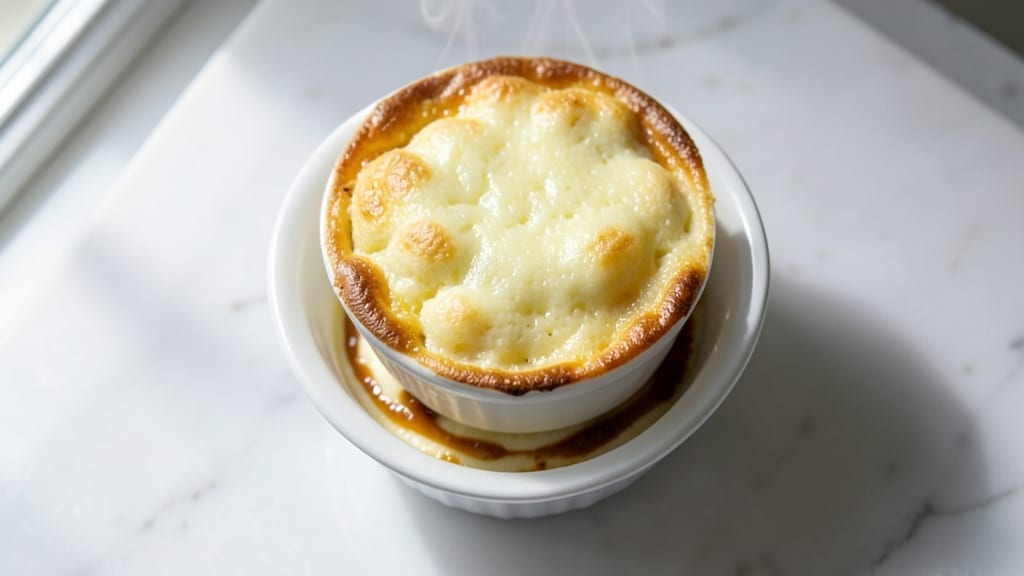
Mastering a 3-cheese souffle transforms an ordinary dinner into a showstopping centerpiece—fluffy, golden, and with that signature stretch when cut. The secret lies in precise technique: whipping egg whites to stiff peaks and folding in melted cheese mixtures at just the right temperature. After years of perfecting this classic French dessert, I’ve developed a method that delivers consistent results every time, even for beginners.
This recipe combines Gruyère for nutty depth, sharp cheddar for structure, and cream cheese for richness—creating a texture that’s light yet substantial. The key steps include preheating the oven to 400°F, using room-temperature eggs, and baking in a preheated dish to ensure even rise.
A water bath (bain-marie) prevents cracking, while a quick broil at the end adds that signature golden crust.
What you’ll achieve is a souffle with a tender, airy interior and a crisp exterior that holds its shape when served. The three-cheese blend delivers complex flavors in every bite—creamy, tangy, and slightly sharp—without overpowering the delicate egg foam.
This dessert is perfect for special occasions or when you want to impress guests with restaurant-quality technique at home.
For those short on time, I’ll share a stovetop adaptation that skips the oven entirely, though it lacks the dramatic rise. Whether you bake or broil, the result is a souffle that’s as satisfying to make as it is to eat.
Let’s get started—your dinner table is about to become a stage.
Ingredients for 3 cheese souffle
Six ingredients transform into a restaurant-worthy soufflé with golden crust and airy stretch.
| Ingredient | Amount | Notes |
|---|---|---|
| Large Eggs 🥚 | 6 whole | Room temperature for best whipping |
| Gruyère Cheese 🧀 | 1 cup | Freshly grated, aged 12+ months |
| Sharp White Cheddar Cheese 🧀 | ½ cup | Aged 6+ months for tang |
| Cream Cheese 🧈 | 4 oz | Full-fat, room temperature |
| All-Purpose Flour 🌾 | 1 tbsp | Sifted for smooth texture |
| Granulated Sugar 🍚 | 2 tbsp | Fine grain preferred |
| Unsalted Butter 🧈 | 2 tbsp | Melted, room temperature |
| Whole Milk 🥛 | ¼ cup | Warmed, for cheese mixture |
| Salt 🧂 | ¼ tsp | Diamond Crystal preferred |
| Ground White Pepper 🌶️ | ⅛ tsp | Freshly ground for subtle flavor |
| Water 💧 | ½ cup | For water bath |
The cheeses are non-negotiable here. Gruyère from a specialty shop—look for blocks with visible crystal formations—adds that signature nutty depth. Sharp white cheddar from a well-aged wheel (like Cabot) brings the structure, while full-fat cream cheese (like Philadelphia) ensures richness. I always buy extra Gruyère because it grates slowly—10 minutes with a microplane gets you the finest texture. For the cheddar, avoid pre-shredded (it’s coated with anti-caking agents that ruin the melt). The butter? European-style if you can find it—higher fat content means better flavor.
No Gruyère? Comté or Emmental work in a pinch, but expect less complexity. Pre-shredded cheese? Grating your own is worth the 10 minutes—it melts like a dream. Running short on time? Warm the milk slightly (just until it steams) to help the cheese emulsify faster. The flour is purely for structure—don’t skip it, but don’t overthink it either. Diamond Crystal salt is my go-to because it dissolves completely, but regular kosher works too. For the pepper, white is traditional, but a pinch of black adds subtle warmth if you’re feeling adventurous.
This soufflé is all about timing. The egg whites need to be whipped immediately before folding—no waiting. For the cheese mixture, assemble everything while the butter melts (microwave 40 seconds, just until it pools). The water bath keeps the center tender, but don’t overfill the dish—halfway up the sides is perfect. Leftovers? There shouldn’t be any, but if there are, reheat gently in a water bath to maintain that airy texture. The soufflé reheats beautifully—10 minutes at 350°F with a splash of milk restores that dramatic rise.
Why You’ll Love This Recipe
- No Fussy Steps: I swear, this souffle only needs a whisk and a bowl—no fancy gadgets, no stress. The flour just thickens the cheese mix, and the eggs bind it all together while you’re still debating what to watch on TV.
- Triple Cheese Magic: Gruyère’s nutty bite, sharp cheddar’s punch, and cream cheese’s silkiness? It’s like a flavor hug in every bite. The crust gets just crisp enough to hold that gooey center—trust me, it’s worth the wait.
- Weeknight or Guest Night: Make it for Tuesday dinner or impress company—same effort, different stakes. Leftovers? Reheat slices in the oven until golden, and suddenly you’ve got a fancy snack board ready in minutes.
- Budget-Friendly Luxury: Cheddar and cream cheese stretch farther than you’d think, and Gruyère’s rich flavor makes it feel special without breaking the bank. Honestly, it’s the kind of dish that makes you feel like you’re cooking for someone important—even if it’s just you.
Step-by-step instructions for 3 cheese soufflé
Here’s how to create a soufflé with perfect rise and gooey, triple-cheese goodness.
Prepare the Cheese Mixture
First, let’s handle the cheese base that will give our soufflé that signature stretch. In a heatproof bowl, combine the 1 cup Gruyère Cheese, 0.5 cup Sharp White Cheddar Cheese, and 4 oz Cream Cheese. Place this bowl over a pot of simmering water (not boiling) and stir constantly until the mixture reaches 160°F and becomes completely smooth—about 5-7 minutes. This gentle heat melts the cheeses without scrambling them.
Remove the bowl from heat and let it cool slightly. While it’s still warm, whisk in the 2 tbsp Unsalted Butter, 2 tbsp Granulated Sugar, 0.25 tsp Salt, and 0.125 tsp Ground White Pepper. The sugar helps stabilize the egg whites later, while the pepper adds subtle depth. Let this mixture cool to room temperature—it should be thick but still pourable. I like to test this by dipping a spoon in; if it holds its shape but flows when tilted, it’s ready for the next step.
Whip the Egg Whites to Stiff Peaks
While the cheese mixture cools, separate the 6 whole Large Eggs, placing the yolks in a separate bowl. Using a stand mixer fitted with the whisk attachment, beat the egg whites on low speed until frothy. Gradually increase to high speed and whip for 5-7 minutes until stiff peaks form—when you lift the whisk, the peaks should stand straight up and not flatten immediately.
Here’s the thing—don’t overmix, or you’ll end up with a tough soufflé. The egg whites should look glossy and hold their shape when the whisk is tilted. While whipping, add the 1 tbsp All-Purpose Flour and 0.25 cup Whole Milk to the cheese mixture and stir until completely smooth. This creates a stable base for the egg whites to fold into.
Fold the Egg Yolks into the Cheese Mixture
Gently fold the egg yolks into the cheese mixture using a spatula, working in small batches to maintain air pockets. I like to use the “J” technique—dip the spatula into the mixture, scrape along the bowl’s side to lift, then fold over. This keeps the structure light and airy. You’ll notice the mixture thickens slightly as the yolks incorporate. Once fully combined, transfer this to a large mixing bowl.
Now for the delicate part: folding in the egg whites. Add about one-third of the whipped egg whites to the cheese mixture and fold gently until just combined. Repeat with another third, then the final third. The goal is to maintain as much air as possible—don’t overmix or you’ll deflate the soufflé. The batter should be thick but still able to hold its shape when spooned onto a plate.
Bake in a Water Bath for Perfect Rise
Preheat your oven to 350°F. Grease six 6-ounce ramekins generously with butter or line them with parchment cups to prevent sticking. Divide the soufflé batter evenly among the ramekins, filling each about ¾ full. Place the ramekins in a deep baking dish and carefully pour 0.5 cup Water into the dish—this creates a water bath that ensures even heat distribution and prevents cracking.
Bake for 18-22 minutes until the soufflés have risen dramatically and the tops are golden brown. Here’s the critical part: don’t open the oven door during baking—sudden temperature changes cause them to collapse. You’ll know they’re done when they’ve nearly doubled in size and pulled away slightly from the edges of the ramekins. Serve immediately while they’re still warm and airy.
Pro Tips For Making 3 Cheese Souffle
- Preheat to 375°F: DESCRIPTION: Don’t skimp on the oven temp—this isn’t a delicate soufflé. Gruyère and cheddar need a hot oven to melt fully and develop that golden crust. If your oven runs cool, add 25°F and bake on the middle rack where heat circulates best.
- Grate Cheese Fine: DESCRIPTION: I used to toss in chunks of Gruyère and cheddar, thinking they’d melt fine. Wrong. The cream cheese will smooth things out, but for a silky texture, grate all three cheeses on the smallest blade of your box grater—no bigger than coarse salt. (Yes, even the cream cheese. Blend it into the egg mixture first.)
- Whisk Eggs Cold: DESCRIPTION: Room-temperature eggs? Skip it. Cold eggs whip faster and hold more air, which is what you need for that rise. Crack them into an ice bath for 5 minutes before separating—this keeps the whites stable and the yolks from overheating when you mix them with the cheese.
- Don’t Overmix the Batter: DESCRIPTION: Once you fold in the flour, stop. The second you see streaks of white disappear, you’ve gone too far. Overworking the batter deflates the air bubbles, and your soufflé will sink faster than a rock. Use a spatula to gently lift and turn the mixture—just until combined. (I learned this after watching my first one collapse like a sad pancake.)
Pro cooking tips for perfect results
Egg White Mastery
Whipping egg whites to stiff peaks is the soul of a perfect soufflé. Use a stand mixer with the whisk attachment for consistency—I swear by the KitchenAid Artisan Series—and beat on high speed for 5-7 minutes until the peaks hold their shape when you lift the whisk.
Room-temperature eggs whip better, so take them out of the fridge 30 minutes before starting. For extra insurance, add a pinch of cream of tartar (½ tsp) to stabilize the whites if your eggs are fresh. 🥚
Cheese Temperature Control
The cheese mixture must reach 160°F but not exceed 170°F—any hotter and it will scramble the egg whites when folded in. Use a thermometer (I recommend Thermoworks Sous Chef) to monitor the temperature precisely.
Once melted, cool the mixture to 100°F before folding in yolks—test by dipping a spoon in; it should hold its shape but still flow when tilted. This balance is what creates that signature stretch when served. 🧀
Water Bath Secrets
Never skip the water bath—it’s what prevents cracking and ensures even cooking. Fill your baking dish with ½ cup water (about halfway up the ramekins) and place them on a wire rack inside the dish for proper heat circulation.
The water should be simmering but not boiling when you add the soufflés. If your oven runs hot, reduce the temperature to 325°F and increase baking time by 3-5 minutes. 💧
Broiling for Color
For that perfect golden crust, finish with 2-3 minutes under the broiler on high heat. Watch closely—broilers vary wildly! I like to place the soufflés on the middle rack and use a tongs to rotate them for even browning.
If the tops brown too quickly, cover loosely with aluminum foil for the last minute. The moment they pull away from the ramekins is your cue to serve immediately. ⏰
Ramekin Prep Matters
Grease your 6-ounce ramekins with unsalted butter (not margarine) and dust with flour for easy release. For extra insurance, line them with parchment cups cut to size—this prevents sticking and makes serving elegant.
I use Le Creuset stoneware ramekins because they distribute heat evenly, but any oven-safe dish works. Fill them ¾ full—overfilling causes spillage during rising. 🔥
Nutrition facts
Frequently asked questions
Why does my soufflé collapse after baking?
Soufflés collapse most often from opening the oven door too early or uneven heat distribution. The egg whites need to set completely before they can support the structure. Always bake at 350°F for 18-22 minutes without opening the door, and use a water bath to regulate temperature. If your oven runs hot, reduce to 325°F and add 3-5 minutes to the bake time.
Can I make this recipe without a stand mixer?
Use a handheld electric mixer or even a whisk with strong arm muscles. Whip the egg whites in a spotless, grease-free bowl for 7-10 minutes until stiff peaks form. For extra stability, add ½ tsp cream of tartar to the whites. The key is patience—don’t rush, or you’ll incorporate too much air and lose volume.
What’s the best way to reheat leftover soufflé?
Soufflés reheat beautifully using a water bath method. Place the ramekin in a baking dish, add ½ inch of hot water, and cover with foil. Bake at 350°F for 10-12 minutes until warmed through. Never microwave—it makes the texture rubbery. For serving, you can also briefly broil for 1-2 minutes to restore that golden crust.
Can I substitute one of the cheeses?
Yes, but choose wisely! For Gruyère, Comté or Emmental work well for a milder flavor. Replace cheddar with Parmesan or Gouda for a sharper taste. Cream cheese can be swapped for ricotta or mascarpone, but increase to 5 oz for proper richness. Avoid pre-shredded cheeses—they contain anti-caking agents that prevent smooth melting.
How do I know when the egg whites are ready?
Stiff peaks form when you lift the whisk and the whites hold their shape without flattening. They should look glossy and hold a point when tilted. For extra precision, try the “mirror test”—flip the bowl upside down; if the whites stay put, they’re ready. Over-whipped whites (dry and grainy) will make your soufflé tough. Work quickly once they reach this stage!

- 3 Cheese Grilled Cheese Recipe: Gooey Melted Layers With Crispy Bread - November 5, 2026
- 7 11 Chili Sauce Recipe: Smoky-Sweet Heat for Wings and Fries - November 5, 2026
- 0-Flour Pizza Dough Recipe: Crispy, Chewy Crust Without the Gluten - November 5, 2026