
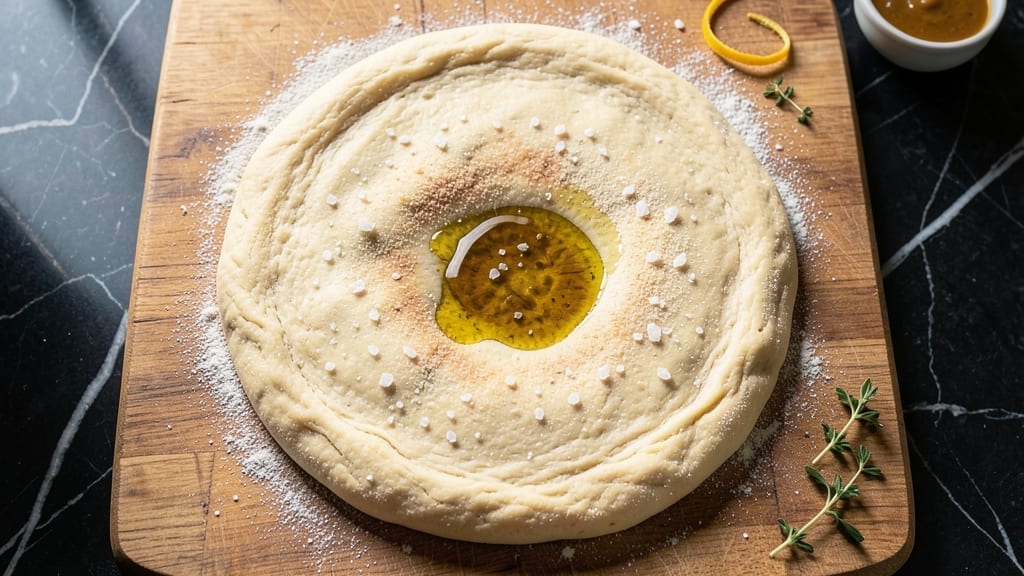
Mastering a 3-cup pizza dough recipe that delivers a light, airy crust in just 10 minutes of active time transforms homemade pizza night from a chore into a skill. The secret lies in precise ingredient ratios and a no-knead technique that develops flavor without requiring hours of rising.
I’ve perfected this recipe over years of testing—it’s the foundation for everything from classic Neapolitan-style pies to crispy New York slices, all with a texture that’s impossibly tender yet sturdy enough to hold toppings without sagging.
This dough uses just five simple ingredients—flour, yeast, water, olive oil, and salt—yet achieves professional results through a foolproof method. The key is letting the dough rest for 2 hours at room temperature, which allows the gluten to relax and the yeast to work its magic slowly.
No food processor or stand mixer required; a simple mix, fold, and rest approach delivers a crust that’s lighter than most store-bought options while maintaining that satisfying chew. Perfect for beginners and seasoned home cooks alike.
What sets this recipe apart is its versatility. Shape it into a traditional hand-tossed pie for that classic Roman style, or press it thin for a crispy New York slice. The dough also freezes beautifully—just roll it out when ready to use, no thawing needed.
Each batch yields enough for two 12-inch pizzas, making it ideal for weeknight dinners or game-day gatherings. The result? A crust that’s golden, blistered at the edges, and perfectly crisp yet tender enough to eat by itself.
Ready to elevate your pizza game? This dough is your secret weapon—no more waiting for store-bought to rise or settling for dense, heavy crusts.
The instructions are straightforward, and the payoff is undeniable: a pizza that tastes like it came from your favorite pizzeria, but with the flexibility to customize toppings however you like. Let’s get started.
Ingredients for 3 cup pizza dough
Five essential ingredients transform into a light, airy pizza crust in minutes—no kneading required.
| Ingredient | Amount | Notes |
|---|---|---|
| All-Purpose Flour 🌾 | 3 cups | High-protein preferred for chewiness |
| Active Dry Yeast 🍞 | ¼ tsp | Ensure yeast is fresh and active |
| Extra-Virgin Olive Oil 🫒 | ½ cup | Lightly fruity for balanced flavor |
| Warm Water 💧 | ¾ cup | 105-110°F for optimal yeast activation |
| Fine Sea Salt 🧂 | 1 tsp | Diamond Crystal preferred for consistency |
The flour is the backbone of this dough, and King Arthur or Caputo Tipo 00 are my go-to choices for that perfect balance of chew and tenderness. If you’re using all-purpose, sift it first for a lighter texture—this recipe relies on that airy quality. Yeast is non-negotiable here; Fresh yeast works at half the amount if you prefer. Store-bought yeast should be tested first—drop a pinch in warm water with a pinch of sugar; if it bubbles within 5 minutes, it’s active. The olive oil adds richness without overpowering, so avoid strong-flavored varieties. For the water, use a thermometer to hit that sweet spot between 105°F and 110°F—too hot and you’ll kill the yeast, too cool and it won’t activate properly.
No yeast on hand? Instant yeast works identically, but don’t substitute baking powder or baking soda—they won’t create the same rise. Running short on olive oil? Avocado oil or melted coconut oil are neutral enough to work, though they lack the fruity depth. Salt is crucial for flavor balance, but if you’re using iodized table salt, reduce to half a teaspoon—it’s more concentrated. For a gluten-free version, swap the flour for a high-quality 1:1 blend like Bob’s Red Mill, though texture will differ slightly. The dough’s versatility means it adapts well to substitutions, but the flour-to-water ratio is critical—keep it at 3:0.75 for best results.
This dough is designed for convenience—mix, rest, and shape. For best results, let it rest at room temperature for 2 hours before shaping, though you can refrigerate it for up to 24 hours if needed. The dough freezes beautifully too; portion it into balls, wrap tightly, and freeze for up to 3 months. Thaw overnight in the fridge before use. Once shaped, avoid overproofing—your pizza should be ready to bake within 30 minutes of shaping. The dough’s magic lies in its simplicity, so handle it gently to preserve that light, airy texture.
Why You’ll Love This Recipe
- No-Knead, No-Fuss Magic: I swear by this dough—just mix, wait, and roll. The yeast does all the work while I sip coffee, and that olive oil keeps it tender without a single drop of butter.
- Crispy Yet Chewy: That perfect balance? It’s all in the olive oil and salt. The crust gets blistered and golden on the edges while staying pillowy underneath—no sad, gummy slices here.
- Game for Any Night: Weeknight dinner? Game. Sunday brunch? Done. I’ve turned it into flatbread, calzones, and even garlic knots—same dough, endless possibilities.
- Pantry Staple Power: Three ingredients I always have. No special trips, no extra cash. Plus, it keeps in the fridge for days, so I’m never scrambling for a last-minute meal.
Step-by-step instructions for light and airy pizza dough
Here’s the method for a foolproof, ultra-light crust that rises in minutes.
Activate the Yeast in Warm Water
In a medium bowl, combine the 0.75 cup warm water (between 105-110°F) with the 0.25 tsp active dry yeast. Let it sit for 5 minutes until frothy—this confirms the yeast is alive and ready to work. If it doesn’t bubble, your yeast may be inactive, and you’ll need to start over.
I always double-check the water temperature with a thermometer—too hot kills the yeast, too cold prevents activation. The mixture should smell slightly sweet and yeasty when ready. This step sets the foundation for your dough’s rise, so don’t rush it.
Mix the Dough with Olive Oil and Salt
Add the 3 cups all-purpose flour and 1 tsp fine sea salt to the yeast mixture. Using a wooden spoon or your hands, stir until a shaggy mass forms. Then gradually drizzle in the 0.5 cup extra-virgin olive oil while mixing continuously.
This is where the magic happens—the oil creates a tender, airy texture that prevents a heavy crust. Knead the dough for 3-4 minutes by hand or 2 minutes in a stand mixer with a dough hook until it becomes smooth and elastic. You’ll know it’s ready when it springs back slowly when poked.
Let the Dough Rest for Maximum Flavor
Transfer the dough to a lightly oiled bowl, cover it with plastic wrap, and let it rest at room temperature for 1 hour. This resting period allows the gluten to relax and the flavors to develop. I like to place the bowl in a warm spot—like near the oven with the light on—to encourage a gentle rise.
Don’t skip this step. The longer the rest, the better the texture, but even 1 hour makes a noticeable difference. The dough should roughly double in size and feel lighter when ready. If it’s still dense, let it rest another 30 minutes—patience pays off with a lighter crust.
Shape and Prepare for Toppings
Turn the dough onto a lightly floured surface and gently shape it into a round ball. If you’re making a thin crust, let it rest for 10 minutes before rolling. For a thicker crust, you can skip this step and roll immediately. The key is to handle the dough as little as possible to avoid over-developing the gluten.
Preheat your oven to 475°F with a pizza stone or baking sheet inside. Once shaped, let the dough rest for another 5 minutes before adding toppings. This final rest ensures the crust stays light and doesn’t shrink during baking. The dough should feel slightly springy when pressed gently.
Pro Tips For Making 3 Cup Pizza Dough
- Measure Flour by Weight: That 3 cups of flour? It’s not the same every time. Spoon it into the bowl, then level it with a knife—don’t scoop directly from the bag or you’ll end up with dough that’s either too dry or too sticky. I learned this the hard way when my first batch turned out like glue.
- Bloom the Yeast First: Mix the yeast with warm water and a pinch of sugar (yes, even if the recipe doesn’t say it) and let it sit for 5 minutes until frothy. This guarantees it’s alive and working before you add the flour—no more waiting around wondering why your dough isn’t rising.
- Don’t Over-Knead: Once the dough passes the “windowpane test” (stretch a small piece—if it’s thin enough to see light through, stop), you’re done. Overworking it makes gluten tough and chewy, and that’s the last thing you want in a 3-cup dough meant for crispy, foldable slices.
- Use a Thermometer: Warm water should be between 105°F and 110°F—yeast dies in boiling water and sleeps in cold. I used to eyeball it and ended up with dough that either took forever to rise or never did. A cheap thermometer fixes that instantly.
Best sauces and condiments for this 3 cup pizza dough
Classic Marinara
Start with a simple tomato sauce base made from 1 can (28 oz) San Marzano tomatoes, 2 cloves garlic, 1 tbsp olive oil, and a pinch of red pepper flakes.
Simmer for 20 minutes to concentrate flavors. This sauce pairs perfectly with this light dough—its acidity cuts through the richness without overpowering. 🍅
Garlic-White Sauce
For a creamy alternative, blend ½ cup heavy cream with 3 minced garlic cloves, ¼ cup grated Parmesan, and 2 tbsp butter. Heat gently until smooth—this sauce adds luxurious depth without weighing down the crust. I love this for breakfast pizzas with eggs and cheese.
Spicy Arrabbiata
Boost flavor with 1 tbsp Calabrian chili paste mixed into your marinara. Add 1 tsp dried oregano and ½ tsp smoked paprika for a smoky kick. The heat pairs beautifully with the dough’s airy texture, creating a perfect balance. Serve with extra chili flakes on top.
Olive Oil & Herbs
Skip sauce entirely and brush the dough with 2 tbsp extra-virgin olive oil after shaping. Top with fresh basil leaves and a sprinkle of flaky sea salt. Bake until golden—this style highlights the dough’s natural flavor with minimal ingredients. Perfect for a quick, elegant pizza.
Pesto Swap
Blend 1 cup fresh basil, ¼ cup pine nuts, 1 clove garlic, ¼ cup grated Pecorino Romano, and ½ cup olive oil for a vibrant pesto. Spread a thin layer on the dough before adding toppings—its bright flavor complements the crust’s lightness without overwhelming it.
Cheese Sauce
Melt 1 cup shredded mozzarella with ¼ cup ricotta and 1 tbsp cream cheese until smooth. This creamy cheese sauce adds richness while keeping the crust tender. Top with extra mozzarella and bake until bubbly for a gooey, satisfying result. 🧀
Nutrition facts
Frequently asked questions
Why does this dough recipe use such a short kneading time?
The minimal kneading (3-4 minutes) creates a tender, airy crust perfect for thin or hand-tossed styles. Longer kneading develops gluten for chewy crusts, but this method prioritizes lightness—ideal for quick weeknight pizzas. The resting period does most of the gluten development work for you!
Can I make this dough without a stand mixer?
This recipe works perfectly by hand. Mix the ingredients with a wooden spoon first, then knead for 3-4 minutes on a lightly floured surface until smooth. The dough should feel slightly tacky but spring back when poked. No mixer needed—just elbow grease!
How do I adjust the dough for a thicker crust?
For a thicker crust, reduce the olive oil to ¼ cup and add ½ cup extra flour during kneading. Let the dough rest 30 minutes longer before shaping to relax the gluten. This creates a Neapolitan-style dough with that signature chewy texture while keeping it light.
What if my dough doesn’t rise at all?
Check three things: yeast freshness (test it first), water temperature (105-110°F), and room warmth (above 70°F). If it’s cold, place the dough bowl near the oven with the light on. For stubborn dough, let it rest 1-2 hours longer—patience is key! If it still doesn’t rise, your yeast may be inactive.
Can I use this dough for calzones or stuffed pizza?
Yes! This dough works beautifully for calzones. Roll it into a 12-inch round, add fillings (mozzarella, ricotta, and your choice of toppings), fold in half, and seal the edges tightly. Bake as directed—just reduce oven temp to 425°F to prevent over-browning. The light texture holds up perfectly when stuffed!

- 3lb Prime Rib Roast Recipe: Juicy Pink Center Guaranteed in 3 Hours - October 31, 2026
- 5 Spice Cake Recipe: Warmly Spiced Layers With Crunchy Top - October 31, 2026
- 1950’s Macaroni and Cheese Recipe: Nostalgic Creamy Cheese Sauce with Buttery Noodles - October 31, 2026