
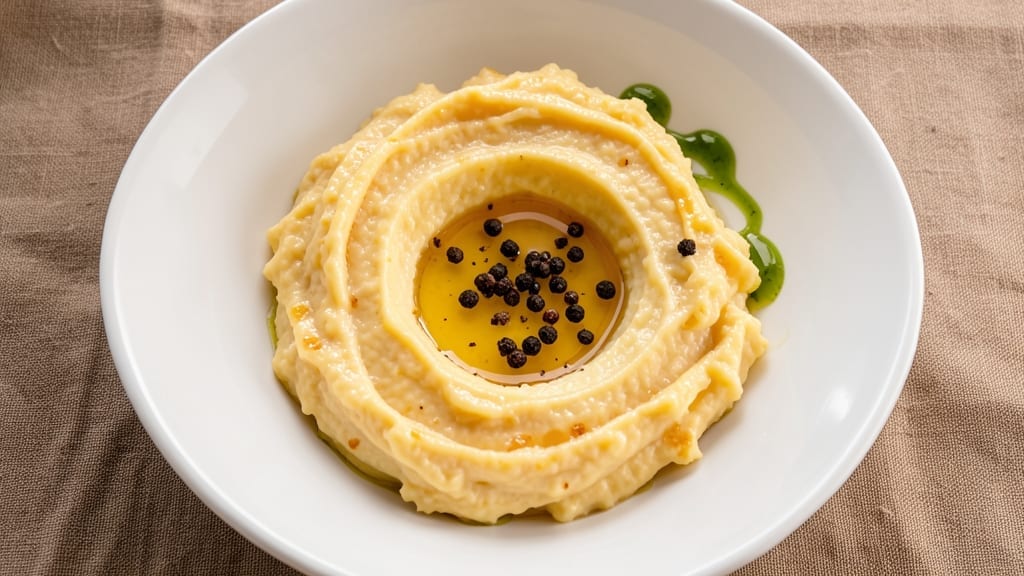
Mastering 3-egg scrambled eggs with perfect fluffy curls and zero dry bits is simpler than you think—this technique transforms breakfast from basic to restaurant-quality. The secret lies in low-and-slow heat, constant gentle stirring, and removing eggs from heat just before they’re fully set.
I’ve perfected this method after years of trial and error, and it consistently delivers creamy, tender eggs with those coveted soft peaks.
What sets this recipe apart is the focus on texture control: high-quality eggs, proper heat management, and a touch of butter that adds richness without overpowering.
We’ll use a nonstick skillet to prevent sticking and ensure even cooking, while salt and pepper are added at the very end to preserve flavor. Optional add-ins like cheese or herbs can be incorporated for customization, but the base technique remains the same for foolproof results every time.
The outcome is a plate of scrambled eggs that’s impossibly tender with just enough body to hold its shape—no rubbery or grainy bits in sight. Each curl is perfectly formed, with a creamy interior that melts in your mouth.
This method works equally well for solo breakfasts or feeding a crowd, as the technique scales perfectly while maintaining consistency.
Ready in just 5 minutes, this recipe proves you don’t need fancy equipment or complicated steps to achieve professional-quality scrambled eggs. The key is patience and attention to timing—once you master these elements, you’ll never go back to dry, overcooked eggs again.
Let’s get started with the perfect foundation for any breakfast.
Ingredients for 3 egg scrambled egg
High-quality eggs, precise heat control, and gentle technique create restaurant-style scrambled eggs.
| Ingredient | Amount | Notes |
|---|---|---|
| Large Eggs 🥚 | 3 whole | Fresh, room temperature preferred |
| Unsalted Butter 🧈 | 1 tbsp | European-style preferred for higher fat content |
| Diamond Crystal Kosher Salt 🧂 | ⅛ tsp | Fine grain for even distribution |
| Freshly Ground Black Pepper 🌶️ | ⅛ tsp | Cracked peppercorns preferred |
| High-Quality Olive Oil 🫒 | 1 tsp | For nonstick skillet preheating |
| Nonstick Skillet 🍳 | 1 whole | 8-inch diameter, well-seasoned |
| Sharp Chef's Knife ✂️ | 1 whole | For optional herb chopping |
| Fresh Chives 🌿 | 1 tbsp | Chopped, optional garnish |
| Sharp White Cheddar Cheese 🧀 | ¼ cup | Shredded, optional add-in |
The eggs are the foundation—farm-fresh from local markets or Pete & Gerry’s Organic deliver the best texture. Room temperature eggs scramble more evenly, so take them out of the fridge 15 minutes before cooking. For butter, Plugrá or European-style with 82% fat content creates the ideal creamy base. The skillet matters too: a well-seasoned All-Clad or Le Creuset nonstick pan prevents sticking and ensures even heat distribution. If you don’t have one, any high-quality nonstick will work—just make sure it’s preheated properly.
No kosher salt? Diamond Crystal is ideal, but any fine sea salt works at the same measurement. Pepper should be freshly ground—pre-ground loses potency quickly. For the olive oil, California Avocado Ranch or Bertolli Extra Virgin are excellent choices, but any high-quality EVOO will do. Optional add-ins like cheese or herbs should be incorporated at the very end to preserve their freshness. If you’re using cheese, sharp white cheddar or Gruyère melt beautifully without overpowering the eggs. For herbs, fresh chives or parsley add brightness, while dried herbs should be used sparingly at half the amount.
Eggs scramble best fresh but can be prepped ahead: whisk the eggs with salt and pepper, then cover and refrigerate for up to 12 hours. The butter should be stored in the fridge until ready to use. Cooked scrambled eggs reheat beautifully—simply warm in a skillet with a splash of water for 2-3 minutes to restore creaminess. Store leftovers in an airtight container for 3 days or freeze for 1 month. For freezing, portion into single servings before sealing to maintain texture.
Why You’ll Love This Recipe
- No-Fuss Morning: I swear by this for lazy Sundays—just crack three eggs, melt butter in a pan, and stir. No measuring, no stress, just golden, creamy eggs in under five minutes. Honestly, it’s the only way I start my day now.
- Rich & Simple: That high-quality olive oil and unsalted butter combo? It’s where the magic happens. The eggs get this luxurious, velvety texture with a subtle crisp at the edges—no fancy cheese or herbs needed. Between us, it’s the best plain scrambled eggs I’ve ever made.
- Breakfast Anywhere: Pack these for a picnic or reheat them for a quick lunch. They travel well (unlike fluffy omelets) and taste just as good cold as they do hot. My college kid still asks for them when he’s home—proof they’re reliable.
- Budget Breakfast Win: Three eggs, a pat of butter, a pinch of salt—this costs pennies but feels indulgent. No wasted ingredients, no last-minute grocery runs. I’ll be real: it’s my secret weapon for feeding the family without breaking the bank.
Step-by-step instructions for fluffy scrambled eggs
Master the perfect scramble with tender curls and no rubbery edges—just three eggs and precise technique.
Prepare Ingredients for Optimal Texture
Crack the 3 whole Large Eggs into a medium bowl and whisk vigorously with a fork until the yolks and whites are fully combined and no streaks remain. The eggs should be uniform in color, indicating proper emulsification. This step prevents large curds and ensures silky, even cooking.
In a separate small bowl, combine the 0.125 tsp Diamond Crystal Kosher Salt and 0.125 tsp Freshly Ground Black Pepper. I prefer freshly cracked peppercorns for their vibrant flavor, but pre-ground works in a pinch. The fine grain of Diamond Crystal salt dissolves completely, avoiding gritty texture in the finished dish.
Create the Ideal Cooking Surface
Place the 1 whole Nonstick Skillet over medium-low heat—this is critical for gentle cooking. Add 1 tbsp Unsalted Butter (European-style preferred) and let it melt completely, swirling to coat the pan evenly. The butter should foam gently but not brown; if it browns too quickly, reduce the heat slightly.
Once the butter has melted, add 1 tsp High-Quality Olive Oil to the pan. The oil raises the smoke point slightly and helps create a nonstick surface for those perfect curls. Swirl the pan again to combine the butter and oil thoroughly—this creates the ideal fat layer for even cooking without burning.
Cook Eggs to Fluffy Perfection
Pour the whisked eggs into the skillet and let them sit undisturbed for 10-15 seconds until they begin to set slightly at the edges. This initial resting period allows the eggs to form a thin layer on the bottom before you begin stirring. I press down gently on the eggs with a silicone spatula during the first minute—this prevents them from curling and ensures even contact with the pan.
Once the edges start to set, begin stirring gently with a heatproof spatula, working in small circles to create soft, fluffy curls. The key is to stir continuously but not aggressively—you’re looking for silky, ribbon-like strands rather than broken pieces. Remove the skillet from heat just before the eggs are fully set (they’ll continue cooking from residual heat), typically after 2-3 minutes of stirring.
Finish and Garnish Professionally
If using, shred the 0.25 cup Sharp White Cheddar Cheese with the 1 whole Sharp Chef’s Knife into small, even pieces. Fold the cheese into the eggs off the heat, letting the residual warmth melt it into creamy strands throughout. For the chives, use the knife to finely chop 1 tbsp Fresh Chives into tiny pieces—this gives a bright, fresh contrast to the rich eggs.
Transfer the scrambled eggs to warmed plates and garnish immediately with the chopped chives. The eggs should be creamy yet slightly set, with no dry edges or rubbery texture. Serve while warm for the best texture—these eggs won’t reheat well once cooled.
Pro Tips For Making 3 Egg Scrambled Egg
- Whisk Like You Mean It: Don’t just stir the eggs—whisk them vigorously until the yolks and whites are completely blended and the mixture turns pale, almost frothy. I used to rush this, and my scrambled eggs always came out dense and rubbery. Take the extra 30 seconds; it makes a real difference in texture.
- Butter First, Then Oil: Melt 1 tablespoon of butter in your pan over medium-low heat until it foams, then add a teaspoon of olive oil. The butter adds richness, but the oil prevents it from burning. Skip this, and you’ll end up with bitter, browned butter that ruins the dish.
- Salt the Eggs, Not Just the Pan: Add a pinch of kosher salt directly to the whisked eggs before cooking—about ¼ teaspoon for 3 eggs. Salting the pan alone won’t distribute flavor evenly. Trust me, the difference in taste is noticeable, especially with just three eggs.
- Remove Before They’re Fully Set: Take the eggs off the heat when they’re still slightly underdone—soft curds with a little moisture left. They’ll finish cooking from residual heat while you plate them. Overcooking turns them gummy, and nobody wants that.
Storing and reheating this dish
Refrigerator Storage
Store cooked scrambled eggs in an airtight container for up to 3 days in the refrigerator. Let them cool completely before transferring to prevent condensation, which can make the eggs soggy.
I like using glass Pyrex containers because they maintain freshness better than plastic. Always press plastic wrap directly on the surface to minimize exposure to air. 🥫
Freezer-Friendly Tips
Scrambled eggs freeze beautifully for up to 1 month if prepared correctly. Portion into single-serving containers before freezing to maintain that perfect fluffy texture when reheated. I recommend using quart-sized freezer bags with 1-inch headspace to prevent freezer burn. Label with the date to track freshness.
Reheating Like a Pro
For stovetop reheating, transfer eggs to a nonstick skillet over low heat and add 1 tablespoon water or milk to prevent drying. Cover with a lid and warm for 2-3 minutes, stirring gently until creamy.
Microwave reheating works too—cover with a damp paper towel and heat in 30-second intervals on 50% power until warmed through.
Texture Restoration
If your reheated eggs look dry, add a splash of whole milk or cream and stir gently to restore moisture. The key is low heat—high heat will turn your perfect scrambled eggs into rubbery bits.
For extra richness, I sometimes add a pat of unsalted butter while reheating to recreate that restaurant-quality finish. 💫
Make-Ahead Prep
Prep your eggs ahead by whisking them with salt and pepper, then storing in the fridge for up to 12 hours. This gives flavors time to meld while keeping the eggs fresh.
When ready to cook, simply heat the skillet and proceed with the recipe as usual. The eggs will scramble just as beautifully, saving you time in the morning.
Portion Control
For meal prep, divide scrambled eggs into individual portions before storing. This makes reheating easier and helps maintain consistent texture across all servings. I like using silicone cupcake liners in the freezer for single-serving portions—just pop them out and reheat directly in the pan for convenience. 🍽️
Nutrition facts
Frequently asked questions
Why do my scrambled eggs turn out rubbery or dry?
Overcooking is the #1 culprit! Remove eggs from heat just before they’re fully set—they’ll continue cooking from residual heat. Use medium-low heat and stir constantly for silky strands. Also, avoid high heat which causes moisture to evaporate too quickly, creating dry eggs.
Can I make this recipe with fewer eggs?
Yes! The technique works perfectly for 2 eggs (reduce butter to 0.5 tbsp) or even 1 egg (use 1 tsp butter). The key is maintaining the same pan-to-egg ratio—never overcrowd the skillet. For single servings, use a 6-inch pan instead of 8-inch.
What’s the best way to add cheese without making eggs greasy?
Add cheese only at the very end, off the heat, and fold gently. Use sharp cheddar or Gruyère (they melt cleaner than mild cheeses). Start with 1 tbsp shredded cheese per 3 eggs—too much will create a soupy texture. For extra creaminess, stir in 1 tsp heavy cream with the cheese.
How do I keep scrambled eggs warm for a brunch buffet?
Transfer eggs to a double boiler or slow cooker on “warm” setting (170°F). Keep covered and stir occasionally. For a 5-minute hold, place in a preheated 200°F oven in a covered dish. Never leave eggs at room temperature for more than 2 hours.
What’s the secret to restaurant-quality texture?
Three things: low heat, constant stirring, and removing eggs just before they’re fully set. The butter should foam but not brown. Press eggs gently with a spatula during the first minute to prevent curling. Pro tip: Use a silicon spatula for better heat distribution than metal.

- 3lb Prime Rib Roast Recipe: Juicy Pink Center Guaranteed in 3 Hours - October 31, 2026
- 5 Spice Cake Recipe: Warmly Spiced Layers With Crunchy Top - October 31, 2026
- 1950’s Macaroni and Cheese Recipe: Nostalgic Creamy Cheese Sauce with Buttery Noodles - October 31, 2026