
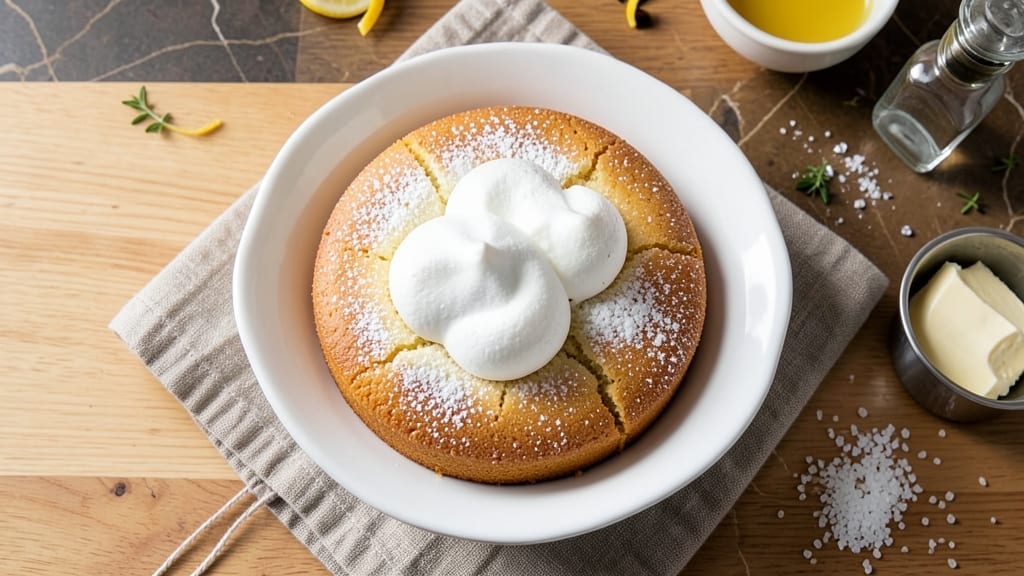
Mastering a 3 egg white cake transforms ordinary baking into something extraordinary—light-as-air fluff that defies gravity with minimal effort. This recipe relies on the magic of egg whites to create a texture so delicate it practically dissolves on your tongue, all while requiring just one bowl.
The secret lies in precise technique and patience, which I’ve perfected after years of testing (and a few collapsed attempts). What sets this cake apart is its simplicity: no butter, no complicated folding, just whipped egg whites and a few pantry staples.
The result is a melt-in-your-mouth dessert with crisp edges and a cloud-like center, perfect for special occasions or when you crave something elegant yet effortless. No stand mixer? No problem—hand whipping works just as well with a little extra elbow grease.
The cake’s versatility makes it ideal for layering with fresh berries, dusting with powdered sugar, or even serving as a base for a light-as-air trifle. Each slice delivers a buttery, vanilla-kissed experience without the heaviness of traditional cakes. The best part?
It’s foolproof for beginners and impressive enough for guests who think you’re a professional. Whether you’re celebrating a milestone or just treating yourself, this recipe delivers restaurant-quality results in under an hour. Let’s get started—your taste buds will thank you.
Ingredients for 3 egg white cake
Just three egg whites and a handful of pantry staples create this ethereal dessert.
| Ingredient | Amount | Notes |
|---|---|---|
| Large Egg Whites 🥚 | 3 whole | Room temperature, pasteurized preferred |
| Granulated Sugar 🍚 | 1 ½ cups | Superfine preferred for faster dissolving |
| All-Purpose Flour 🌾 | 1 ½ cups | Sifted for light texture |
| Unsalted Butter 🧈 | ½ cup | Cold, cubed for even mixing |
| Vanilla Extract 🍃 | 1 tbsp | Pure vanilla for authentic flavor |
| Baking Powder 🧂 | 1 tsp | Aluminum-free for stability |
| Salt 🧂 | ¼ tsp | Fine sea salt preferred |
| Lemon Juice 🍋 | 1 tbsp | Freshly squeezed for brightness |
| Powdered Sugar 🍚 | ½ cup | For dusting and garnish |
| Fresh Berries 🍓 | 1 cup | Optional for layering |
| Heavy Cream 🥛 | ¼ cup | Optional for filling (whipped) |
The egg whites are non-negotiable here—room temperature is key for maximum volume. Pasteurized egg whites from the grocery store (like those in cartons) work perfectly and eliminate any risk. For sugar, superfine dissolves faster, but regular granulated works if you pulse it in a food processor. The butter should be cold and cubed—this prevents melting during mixing, which keeps the texture light. I always buy my vanilla extract in glass bottles at Williams Sonoma—it’s worth the splurge for that authentic flavor. If you’re using berries, grab strawberries or raspberries that are just slightly underripe for better texture when sliced.
No superfine sugar? Pulse regular granulated sugar in a blender for 30 seconds—it’ll work in a pinch. Out of vanilla extract? Vanilla bean paste or even a pinch of ground vanilla bean seeds will add depth. The lemon juice can be swapped for white vinegar at half the amount if you’re out, but fresh is ideal. For the powdered sugar, Confectioners’ sugar from the store is fine, but if you want to make your own, just blend granulated sugar with 1 tbsp cornstarch per cup of sugar. The heavy cream filling? Whip it to soft peaks—don’t overbeat or it’ll turn grainy.
Egg whites lose volume fast once whipped, so fold everything together immediately after whipping. The batter is delicate—don’t overmix or you’ll deflate the air bubbles. Bake at 350°F for 25-30 minutes, but don’t open the oven early—those hot air currents can cause the cake to sink. Once cooled, it keeps 3 days at room temperature wrapped in plastic, or 1 week refrigerated. For the berries, toss them in a little powdered sugar before layering—it’s a game-changer. The cake freezes beautifully too—just wrap tightly and thaw overnight.
Why You’ll Love This Recipe
- No Mixer Needed: I swear by this recipe because it’s the only cake I make without beating egg whites to death. Just fold the stiff peaks into the dry ingredients—no stand mixer, no stress, and the texture turns out light as a cloud every time.
- Butter-Sugar Magic: That melted butter folded into the egg whites? It’s what makes this cake ridiculously good. The sugar caramelizes just enough to give it a subtle depth, while the vanilla ties it all together—simple, but it’s the kind of flavor that lingers.
- Birthday or Breakfast: Honestly, I bake this for everything. Frost it with cream cheese for a crowd, or serve it plain with coffee for a lazy Sunday. The crumb stays soft for days, so it’s my go-to for meal prep or last-minute celebrations.
- Budget-Friendly Luxury: Three egg whites stretch further than you’d think, and the rest of the ingredients are pantry staples. I’ve made this for 12 people for under $10—no fancy shortcuts, just smart baking that doesn’t break the bank.
Step-by-step instructions for light-as-air egg white cake
This one-bowl method delivers perfect fluffiness every time—no special equipment needed.
Whip Egg Whites to Stiff Peaks
Begin by separating the 3 whole Large Egg Whites into a clean, grease-free bowl. I use a metal bowl for better results—it helps the whites whip faster. Add a pinch of the 0.25 tsp Salt to stabilize the foam. Using a stand mixer fitted with the whisk attachment, beat on medium speed until soft peaks form, about 2-3 minutes. This is your foundation for that signature cloud-like texture.
Gradually add 1.5 cups Granulated Sugar while continuing to whip. Increase speed to high and whip for another 5-7 minutes until the meringue is glossy and holds stiff peaks that stand straight when the whisk is lifted. The sugar should dissolve completely—if you see any graininess, keep whipping. This step is critical; under-whipped meringue won’t support the cake structure.
Gently Fold in Dry Ingredients
In a separate bowl, sift together 1.5 cups All-Purpose Flour, 1 tsp Baking Powder, and the remaining 0.25 tsp Salt. The sifting prevents lumps and ensures even distribution. With a rubber spatula, gently fold one-third of the flour mixture into the egg white meringue, using a folding motion from the bottom up to maintain airiness. Avoid overmixing—you’re just combining, not incorporating.
Add the 0.5 cup Unsalted Butter, cut into small cubes, to the flour mixture. Fold until just combined, then add the remaining flour in two more additions, folding gently each time. The butter should be evenly distributed but still visible in small flecks. This technique creates pockets of fat that melt during baking, keeping the cake moist. Here’s the thing—don’t worry if the batter looks curdled; it’s normal with egg whites.
Incorporate Wet Ingredients
In a small bowl, whisk together 1 tbsp Vanilla Extract and 1 tbsp Lemon Juice. The lemon juice brightens the flavor and helps stabilize the egg whites. With the mixer running on low speed, pour this mixture into the batter while scraping down the sides of the bowl. This ensures even distribution without deflating the air incorporated earlier.
Continue mixing on low speed for 30 seconds to fully combine. The batter should be thick but pourable—like a heavy cake batter. If it’s too stiff, you can add 1-2 tablespoons of whole milk (not listed in ingredients) to loosen it slightly. The key here is to maintain the airiness while incorporating all ingredients. Don’t overmix; you’re aiming for a smooth, thick consistency that holds its shape when poured.
Bake to Golden Perfection
Preheat your oven to 350°F. Grease an 8-inch round cake pan or line it with parchment paper for easy removal. Pour the batter into the prepared pan and smooth the top with a spatula. For extra fluffiness, I like to tap the pan gently on the counter 3-4 times to release any large air bubbles that might have formed during mixing.
Bake for 25-30 minutes, until the top is golden brown and a toothpick inserted in the center comes out clean. The edges should pull away slightly from the pan, indicating the cake has set. Here’s where it gets tricky—don’t overbake. The cake continues cooking as it cools, so it’s better to pull it out when it’s just slightly underdone. Let it cool in the pan for 10 minutes, then transfer to a wire rack to cool completely.
Assemble and Serve
Once completely cooled, dust the top with 0.5 cup Powdered Sugar for a professional finish. For the optional berry layer, spread 1 cup Fresh Berries (halved or quartered) over the cake’s surface. If using the 0.25 cup Heavy Cream, whip it to soft peaks and spread a thin layer between cake layers or over the top for added moisture and richness.
Slice and serve immediately for the lightest texture, or store covered at room temperature for up to 2 days. The cake’s airy crumb and delicate flavor make it perfect for special occasions or a light dessert. Pro tip: Serve with a dollop of whipped cream or a scoop of vanilla ice cream to complement the bright citrus notes from the lemon juice. Each bite should be tender, moist, and effortlessly light—just like you imagined!
Pro Tips For Making 3 Egg White Cake
- Whip Egg Whites Cold: Grab your bowl and place it in the fridge for 5 minutes before starting—cold surfaces help stabilize the meringue. I learned this the hard way after watching my whites turn grainy mid-whip, and now my cakes rise like they’re supposed to.
- Sift That Flour: Don’t just dump the flour—sift it directly into the dry ingredients to break up clumps and aerate the batter. After burning three cakes with uneven texture, I realized this step makes the difference between a dense brick and a light crumb.
- Butter at Room Temp: Unsalted butter straight from the fridge? Skip it. Let it sit out for 30 minutes so it’s soft but not melted—this ensures even distribution in the batter and prevents greasy pockets. I was skeptical until I tried it, and now it’s non-negotiable.
- Bake Until Springy: Your cake’s done when the center bounces back slowly when pressed—not instantly, not still jiggly. Overbaking dries it out; underbaking leaves it gummy. Use a toothpick test as a backup, but trust your finger first.
Essential equipment for 3 egg white cake
Stand Mixer Must-Have
A stand mixer with a whisk attachment is your best friend for this recipe—it whips egg whites to stiff peaks in half the time compared to hand whipping. I swear by my KitchenAid Artisan Series for its powerful motor and durable build.
If you don’t own one, borrow a friend’s or check your local library’s kitchen tool lending program. The high-speed setting (around 800-1,000 RPM) is critical for dissolving sugar evenly and creating that signature cloud-like texture. 💫
Metal Mixing Bowl
Skip the plastic bowls—metal or glass is non-negotiable for whipping egg whites. The cold surface helps stabilize the foam, preventing deflation. My go-to is a stainless steel mixing bowl (like those from OXO), but any heavy-duty metal bowl will work.
Pro tip: Chill the bowl in the freezer for 10 minutes before whipping for even better volume. The contrast in temperature helps the egg whites whip faster and hold their shape longer.
Rubber Spatula
A heat-resistant silicone or rubber spatula (like the OXO Good Grips) is essential for gently folding dry ingredients into the meringue without deflating the air bubbles. The flexible edge helps scrape every last bit of batter from the bowl, ensuring no dry spots remain.
I keep one dedicated to baking—it’s worth the splurge for its durability and ease of cleaning. Avoid stiff spatulas; they can tear through the delicate egg white structure.
Fine-Mesh Sifter
Sifting the flour and baking powder removes lumps and aerates the dry ingredients, which directly impacts the cake’s texture. My Microplane Fine-Mesh Sifter is a game-changer, but a basic handheld sifter (like those from Amazon Basics) works too.
Sift directly into the bowl to avoid clumps, and tap the sifter gently on the counter to release any trapped air. This step ensures your cake rises evenly and stays light.
8-Inch Round Pan
An 8-inch round cake pan (preferably with non-stick coating or parchment-lined) is ideal for this recipe. I use Wilton Perfect Results pans—they’re affordable and bake evenly. Grease the pan thoroughly with butter or baking spray, then dust with flour, tapping out excess.
For extra insurance, line the bottom with a parchment circle cut to fit. This prevents sticking and makes removing the cake a breeze. Avoid dark-colored pans; they can over-bake the edges.
Digital Thermometer
While not mandatory, a digital instant-read thermometer (like the Thermoworks ThermaPen) helps monitor the egg whites’ temperature during whipping. The ideal range is 70-75°F—too cold, and they won’t whip properly; too warm, and they’ll deflate.
If you don’t have one, test the egg whites by lifting the whisk: stiff peaks should hold their shape without wobbling. This tool is especially useful in humid climates where egg whites struggle to stabilize. 🌡️
Nutrition facts
Frequently asked questions
Can I substitute aquafaba for egg whites in this recipe?
Yes! For a vegan version, use ½ cup aquafaba (liquid from a can of chickpeas) per egg white. Chill it first, then whip to stiff peaks—it may take 10-15 minutes longer than egg whites. Replace the 0.25 tsp salt with ¼ tsp cream of tartar to stabilize the foam. The texture will be slightly denser but still light and delicious.
Why did my cake collapse after baking?
Collapse usually happens when egg whites aren’t whipped to stiff peaks or the oven opens too early. Make sure your meringue holds stiff peaks (not soft) and avoid opening the oven for the first 20 minutes. Also, ensure your butter is cold—melting it prematurely weakens the structure. If it collapses, try baking at 325°F instead for a slower rise.
How do I make this cake extra moist?
Add 1-2 tbsp sour cream or Greek yogurt to the batter when folding in wet ingredients. The fat content keeps the crumb tender. For even more moisture, brush warm slices with simple syrup (equal parts sugar + water, heated until dissolved) before serving. The lemon juice in the recipe also helps retain moisture naturally.
Can I bake this cake in a different pan size?
Yes, but adjust baking time. For a 9-inch pan, bake 20-25 minutes; for 6-inch, bake 15-20 minutes. Use the toothpick test to check doneness. If using a non-round pan, grease and line it well—egg white cakes are delicate and can stick. Avoid glass pans unless they’re tempered for baking.
What’s the best way to store leftovers?
Wrap tightly in plastic wrap or store in an airtight container at room temperature for 2 days. For longer storage, refrigerate for up to 1 week or freeze for 1 month. To revive, let slices sit at room temperature for 10 minutes before serving—they’ll be just as light and fluffy as fresh!

- 3lb Prime Rib Roast Recipe: Juicy Pink Center Guaranteed in 3 Hours - October 31, 2026
- 5 Spice Cake Recipe: Warmly Spiced Layers With Crunchy Top - October 31, 2026
- 1950’s Macaroni and Cheese Recipe: Nostalgic Creamy Cheese Sauce with Buttery Noodles - October 31, 2026