
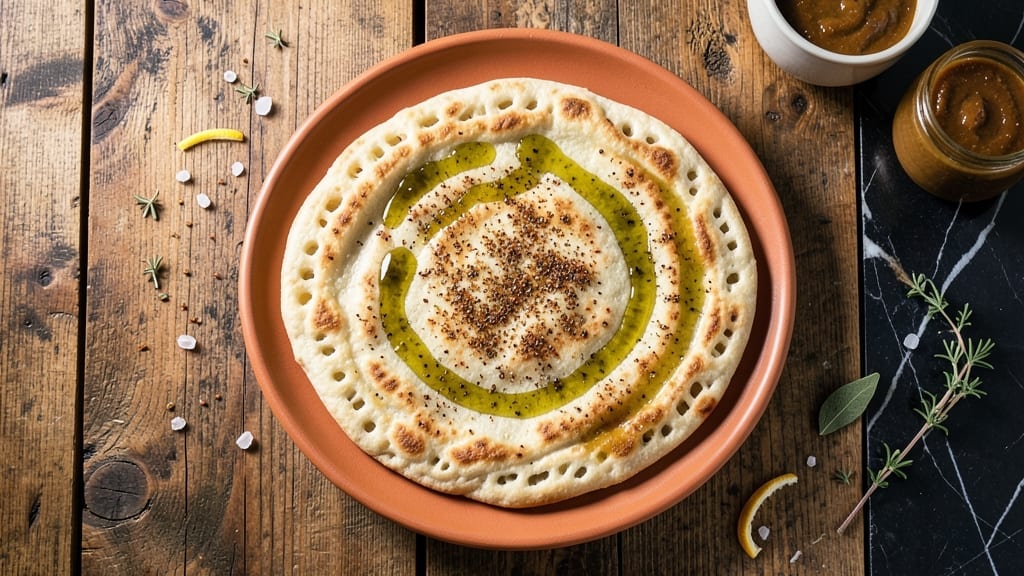
This 3-ingredient gluten-free flatbread recipe transforms simple pantry staples into a versatile, restaurant-quality flatbread that works for wraps, dips, or even a quick flatbread pizza.
The secret lies in the right flour blend—whether you use almond, coconut, or chickpea flour—and a few strategic techniques to ensure a crispy exterior and soft interior, every time.
I developed this recipe after testing countless gluten-free flatbreads that either crumbled or tasted bland, and this version finally delivers on both texture and flavor.
The beauty of this recipe is its foolproof flexibility: no yeast, no waiting, and no complicated steps. With just three core ingredients—plus optional toppings—you can customize it for any meal.
The dough comes together in minutes and cooks in under 10 minutes, making it perfect for busy weeknights or last-minute cravings. What’s more, the flatbread stays fresh for days, so you can make a batch ahead and keep it on hand for quick lunches or dinners.
What you’ll end up with is a golden, crispy flatbread with a tender center that holds up perfectly for stuffing, dipping, or topping. The flavor is neutral enough to complement any filling—think spicy chicken, creamy hummus, or fresh vegetables—but with just enough depth to stand alone.
This is the kind of recipe that proves gluten-free cooking doesn’t mean sacrificing texture or taste.
Ready to try it? The instructions are straightforward, and I’ve included tips for adjusting the dough based on your preferred flour. Whether you’re wrapping tacos, making flatbread pizzas, or just enjoying it with olive oil and za’atar, this recipe will become a staple in your rotation. Let’s get started!
Ingredients for 3 ingredient gluten free flatbread
Three core ingredients plus optional toppings—this gluten-free flatbread delivers restaurant-quality texture every time.
| Ingredient | Amount | Notes |
|---|---|---|
| Gluten-Free Flour Blend 🌾 | 2 cups | Almond, coconut, or chickpea flour preferred |
| Baking Powder 🧂 | 1 ½ tsp | Aluminum-free preferred |
| Extra-Virgin Olive Oil 🫒 | ½ cup | High-quality, fruity variety |
| Water 💧 | ½ cup | Room temperature preferred |
| Sea Salt 🧂 | ½ tsp | Fine grain preferred |
| Za'atar Seasoning 🌿 | 1 tbsp | Optional, for finishing |
| Sesame Seeds 🌰 | 1 tbsp | Optional, for topping |
The flour blend is where the magic happens. Bob’s Red Mill almond flour gives the best texture, but King Arthur coconut flour works too—just add an extra egg white if you choose coconut. For chickpea flour, Banza is my go-to, but any chickpea flour will do. If you can’t find these, Bob’s Red Mill 1:1 gluten-free baking flour is a solid backup, though texture might be slightly less crisp. The baking powder is non-negotiable—aluminum-free ensures no metallic aftertaste. Store your flour blends in airtight containers to keep them fresh.
No extra-virgin olive oil? Avocado oil or melted coconut oil work in a pinch, but the flavor won’t be as rich. Room temperature water is key—cold water makes the dough tough. For the salt, Diamond Crystal kosher salt is ideal, but any fine sea salt will do. The za’atar and sesame seeds are purely for flavor and texture—skip them if you’re short on time or pantry staples. Pro tip: Toast your sesame seeds in a dry pan for 30 seconds before sprinkling for extra crunch.
This dough keeps for 3 days in the fridge, wrapped tightly in plastic. For longer storage, freeze portions on a baking sheet before transferring to a bag—up to 3 months. Reheat in a dry skillet for 1-2 minutes per side to restore crispiness. The flatbread reheats beautifully, so make a batch ahead and keep it handy for quick meals. Leftovers? Crumble over salads or use as croutons—no waste here.
Why You’ll Love This Recipe
- No Pantry Panic: I’ll never stress over missing ingredients again—just flour, oil, water, and salt. That’s it. Even my gluten-free flour blend (the one collecting dust) gets a second chance here.
- Crispy Yet Tender: The baking powder does all the work—golden edges with a soft center that practically melts in your mouth. Drizzle with olive oil while warm? Chef’s kiss.
- Packable Magic: Wrap it around hummus for lunch, stuff it with grilled veggies for dinner, or freeze extras for later. Honestly, I’ve eaten these cold straight from the fridge—no judgment.
- Budget-Friendly Staple: A single batch costs pennies and stretches for days. Use the leftovers to sop up sauces, line burrito bowls, or even make crispy “chips” for guac. My wallet thanks me.
Step-by-step instructions for gluten-free flatbread
Here’s how to craft perfectly pliable, golden flatbreads with just a handful of ingredients.
Combine Dry Ingredients for Even Texture
In a large mixing bowl, whisk together the 2 cups gluten-free flour blend and 1.5 teaspoons baking powder. The gluten-free blend should be fine and uniform—if you notice any coarse bits, pulse them briefly in a food processor first. This ensures your flatbread will have a consistent, tender crumb rather than dense pockets.
Next, add the 0.5 teaspoon sea salt and mix again. The salt should be evenly distributed throughout the flour, not clumped in one area. This step is crucial for balancing flavors and preventing any part of the flatbread from tasting overly bland or overly salty later.
Incorporate Wet Ingredients for a Smooth Dough
Create a well in the center of the dry ingredients and pour in the 0.5 cup extra-virgin olive oil and 0.5 cup water. Using a wooden spoon or your hands, gently mix the ingredients until they begin to clump together. The dough will feel slightly sticky and may not come together as smoothly as traditional wheat-based doughs.
Once combined, turn the dough out onto a lightly floured surface and knead it gently for about 2 minutes. You’re not looking to develop gluten like you would with wheat flour—instead, handle the dough just enough to bring it together into a cohesive ball. The dough should be soft but not wet, and it should hold its shape when pressed.
Divide and Rest for Perfect Flatbreads
Divide the dough into 4 equal portions, each about the size of a golf ball. Roll each portion into a smooth ball and flatten slightly. Place them on a parchment-lined baking sheet, spacing them about 2 inches apart. Cover the baking sheet loosely with a clean kitchen towel and let the dough rest at room temperature for 20-30 minutes.
This resting period allows the dough to relax and become more pliable, making it easier to roll out without tearing. The flatbreads will also develop a slightly better texture during this time. If your kitchen is particularly humid, you might need to rest the dough for a few extra minutes to prevent sticking.
Roll and Cook for Crispy, Golden Flatbreads
Preheat your oven to 375°F. On a clean surface lightly dusted with gluten-free flour blend, roll each dough ball into a ¼-inch thick circle, about 6-7 inches in diameter. If the dough resists rolling, let it rest for another 5 minutes—it should become more cooperative as it warms up.
Transfer the rolled flatbreads to a parchment-lined baking sheet and bake for 10-12 minutes, until the edges are golden brown and the centers feel firm to the touch. The flatbreads should puff up slightly in the oven, giving them a light, airy texture. Rotate the baking sheet halfway through baking to ensure even browning.
Finish with Flavor and Serve Warm
Once baked, remove the flatbreads from the oven and brush the tops lightly with any remaining olive oil. Immediately sprinkle with 1 tablespoon za’atar seasoning and 1 tablespoon sesame seeds, pressing them gently into the surface. The za’atar will add a complex, earthy flavor, while the sesame seeds contribute a delightful crunch.
Serve the flatbreads warm, either as a wrap for your favorite fillings, as a side to soups and stews, or simply with a generous drizzle of olive oil and a sprinkle of flaky sea salt. These versatile flatbreads are perfect for any meal and keep well at room temperature for up to 2 days or can be frozen for longer storage.
Pro Tips For Making 3 Ingredient Gluten Free Flatbread
- Measure Flour Right: Scoop the gluten-free blend into your measuring cup, then level it off with a knife—don’t pack it down. These flours absorb differently, and overdoing it turns your flatbread into a dense brick instead of a tender sheet.
- Heat the Pan First: Get your skillet screaming hot before adding oil—no need to wait. A cold pan steals heat from the flatbread, leaving it greasy and undercooked. High heat = crisp edges in seconds.
- Skip Overmixing: Stir the dough just until combined—lumpy is fine. Overworking gluten-free flour triggers gummy texture. A few streaks of flour in the water? Doesn’t matter. The baking powder handles the rest.
- Press Thin, Cook Fast: Roll the dough to ¼-inch thickness, then cook for 2–3 minutes per side. Thicker spots stay doughy; thinner edges burn. Flip once, resist the urge to press it flat again mid-cook.
Flavor customization for 3 ingredient gluten free flatbread
Herb-Infused Variations
Swap the za’atar for 1 tbsp fresh rosemary and 1 tsp dried oregano mixed with 1 tbsp olive oil before brushing on baked flatbreads. The herbs add a fragrant Mediterranean touch that pairs beautifully with grilled meats or roasted vegetables.
For a brighter flavor, try 1 tbsp chopped cilantro and ½ tsp ground cumin—this works wonderfully with spicy fillings like black beans or chicken fajitas. 🌿
Spiced & Sweet Options
Add ½ tsp smoked paprika and ¼ tsp cinnamon to the dough for a subtle warmth that enhances sweet applications. Brush baked flatbreads with 1 tbsp honey and sprinkle with crushed pistachios for a dessert-style treat.
For savory-sweet contrast, mix 1 tsp garlic powder with 1 tbsp maple syrup before brushing on warm flatbreads—perfect for breakfast wraps with scrambled eggs.
Global Flavor Twists
Transform your flatbread into Indian naan by adding 1 tbsp plain yogurt to the dough and finishing with 1 tsp garam masala and toasted cumin seeds. For an Italian-inspired version, mix 1 tbsp grated Parmesan into the dough and top with sun-dried tomato pesto after baking.
The Parmesan adds a salty depth that balances rich fillings like prosciutto or roasted mushrooms.
Heat & Crunch Additions
Boost the heat with ½ tsp cayenne pepper mixed into the dough or 1 tbsp chili flakes sprinkled on top after baking. For extra crunch, press crushed red pepper flakes and toasted nigella seeds into the surface before serving.
These toppings add texture and a kick that complements creamy dips like hummus or tzatziki. 🌶️
Cheesy & Savory Upgrades
Fold ¼ cup shredded mozzarella or feta cheese into the dough before rolling out for a melty, gooey flatbread. Bake until the cheese is bubbly and golden—ideal for quick flatbread pizzas topped with marinara and pepperoni.
For a vegan option, use nutritional yeast and 1 tbsp olive oil mixed with 1 tsp garlic powder as a cheesy seasoning.
Sweet & Breakfast-Friendly
Make a sweet version by adding 2 tbsp sugar or 1 tbsp maple syrup to the dough. Brush baked flatbreads with 1 tbsp melted butter and sprinkle with cinnamon sugar for a cinnamon roll-inspired treat.
Serve warm with peanut butter or Nutella for a satisfying breakfast or snack. The natural sweetness pairs perfectly with coffee or tea. 🍯
Nutrition facts
Frequently asked questions
Why does my gluten-free flatbread turn out dense instead of crispy?
The key is in the rolling and baking technique! Roll your flatbreads to an even ¼-inch thickness and bake at 375°F for 10-12 minutes until golden. Using almond or coconut flour helps achieve crispiness, while chickpea flour may yield a denser texture. Let the dough rest 20-30 minutes before rolling to prevent tearing and improve texture.
Can I make this flatbread without olive oil?
Yes, but texture will differ. Substitute with avocado oil or melted coconut oil (both work well). For extra crispiness, brush the baked flatbreads with 1 tbsp melted butter after baking. Avoid vegetable oils—they lack the flavor depth that makes this recipe shine.
How do I store leftover gluten-free flatbread?
Keep flatbreads fresh for 3 days at room temperature in an airtight container. For longer storage, freeze portions for up to 3 months. To reheat, warm in a dry skillet over medium heat for 1-2 minutes per side until crispy again. The secret to maintaining texture is reheating quickly!
What’s the best way to use these flatbreads for wraps?
Warm the flatbreads slightly in a toaster or oven for 30 seconds to restore flexibility. Fill with ¼ cup hummus, 2 oz grilled chicken, and ¼ cup shredded lettuce. Fold the sides in first, then roll tightly from the bottom up. The neutral flavor lets fillings shine while providing structure.
Can I make this recipe with just 2 ingredients?
Technically yes, but texture suffers. Omit the baking powder and add 1 extra egg for binding, but you’ll lose the crispy quality. The 3-ingredient core (flour, oil, water) plus baking powder creates the perfect balance of tenderness and crunch. For a true 2-ingredient version, try almond flour + olive oil baked at 350°F for 15 minutes.

- 3lb Prime Rib Roast Recipe: Juicy Pink Center Guaranteed in 3 Hours - October 31, 2026
- 5 Spice Cake Recipe: Warmly Spiced Layers With Crunchy Top - October 31, 2026
- 1950’s Macaroni and Cheese Recipe: Nostalgic Creamy Cheese Sauce with Buttery Noodles - October 31, 2026