
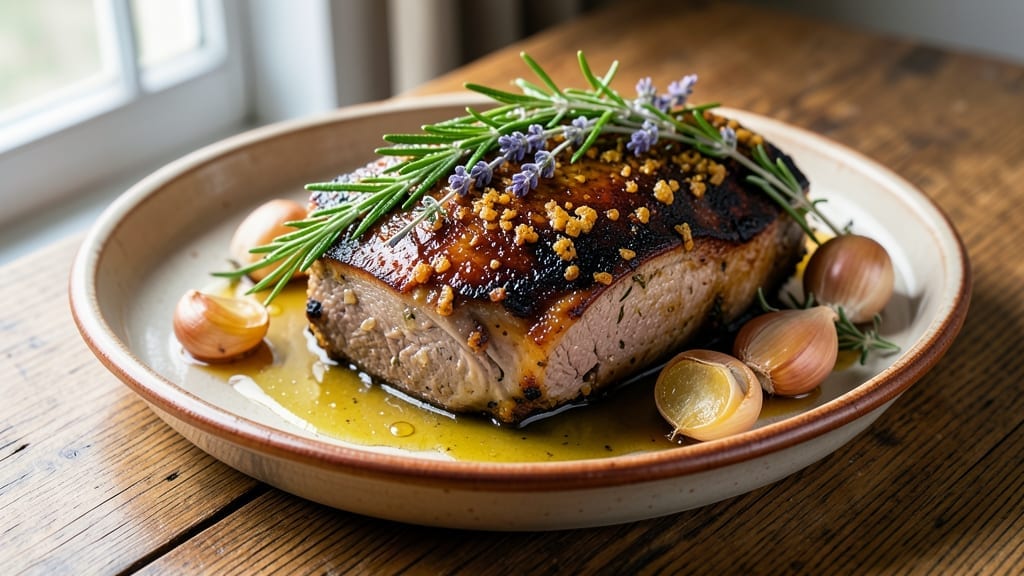
A 3 lb lamb roast transforms from ordinary to extraordinary with this herbed crust technique that seals in moisture and creates a flavorful bark.
The secret lies in a simple herb paste applied before roasting, which locks in juices while building a golden, aromatic crust that keeps the meat perfectly tender throughout. After years of testing different methods, this approach consistently delivers restaurant-quality results at home—no fancy equipment required.
What sets this recipe apart is the balance between high heat for a crispy exterior and low-and-slow cooking for melt-in-your-mouth tenderness. The lamb roast develops deep, savory flavors as it cooks, with the herb crust adding layers of aroma that will fill your kitchen with an irresistible scent.
The process is straightforward but yields professional results, making it perfect for special occasions or when you want to impress without stress.
By the time it emerges from the oven, your lamb roast will be golden brown and perfectly cooked, with a crust that’s both flavorful and texturally satisfying. The internal temperature will reach 145°F for medium-rare, ensuring juicy meat that practically falls apart when sliced.
This method works equally well for bone-in or boneless cuts, giving you flexibility for any menu.
The beauty of this recipe extends beyond the main course—it pairs beautifully with classic sides like roasted root vegetables, minty tabbouleh, or a rich red wine reduction. Leftovers reheat wonderfully, making it an excellent choice for meal prep or feeding a crowd.
Here’s how to achieve that perfect balance of crust and tenderness every time.
Ingredients for 3 lb lamb roast
Six aromatic ingredients transform a simple lamb roast into restaurant-worthy perfection.
| Ingredient | Amount | Notes |
|---|---|---|
| Bone-in Lamb Roast (Frenched) 🥩 | 3 lb | Frenched for even cooking, fat cap removed |
| Fresh Rosemary 🌿 | ½ cup | Finely chopped, stems removed |
| Fresh Thyme 🌿 | ¼ cup | Leaves only, stems discarded |
| Garlic Cloves 🧄 | 6 cloves | Minced into paste with olive oil |
| Extra-Virgin Olive Oil 🫒 | ¼ cup | High-quality, fruity variety |
| Dijon Mustard 🍯 | 2 tbsp | For herb paste adhesion |
| Kosher Salt 🧂 | 2 tbsp | Diamond Crystal preferred |
| Freshly Ground Black Pepper 🌶️ | 1 tbsp | Coarsely cracked peppercorns |
| Unsalted Butter 🧈 | ½ cup | Cold, cubed for basting |
| Red Wine 🍷 | ½ cup | Bold dry red like Cabernet |
| Fresh Parsley 🌿 | ¼ cup | Chopped, for garnish |
| Vegetable Oil 🫒 | 2 tbsp | For searing pan |
The lamb roast is non-negotiable here—bone-in frenched cuts from Whole Foods or local butchers give the best results. Look for good marbling and a vibrant red color. If you can’t find frenched, trim excess fat yourself. Costco often has excellent whole roasts at a great price, but check the sell-by date. The herb paste is where magic happens—fresh rosemary and thyme are essential (dried just won’t cut it). For the garlic, peel and smash the cloves before mincing to release more flavor. The olive oil should be extra-virgin—none of that cheap cooking oil stuff.
No fresh rosemary? Dried works at half the amount, but it won’t have the same impact. Out of Dijon mustard? Yellow mustard in a pinch, though the flavor won’t be as complex. The red wine can be swapped for beef broth with a splash of balsamic if you’re avoiding alcohol. For the butter, European-style has more flavor but any unsalted works. The vegetable oil is just for searing—high smoke point oils like avocado or grapeseed work too. If you’re making this ahead, prep the herb paste and store it in the fridge for up to 2 days—it’ll keep the lamb juicier.
This roast develops flavor as it cooks, so reheat slowly in the oven with a splash of water or broth. Leftovers keep for 4 days in the fridge, but honestly, they’re even better the next day. For a crowd, double the herb paste and make two roasts. The crust technique works equally well for bone-in or boneless cuts—just adjust cooking time. If you’re serving with root vegetables, roast them on the same tray for 10 minutes at the end to share the crust’s flavors.
Why You’ll Love This Recipe
- Five-Ingredient Magic: I swear by this—just lamb, fresh herbs, garlic, and olive oil. That’s it. No fancy marinades or hours of prep. The bone-in cut keeps it juicy while the frenched edges crisp up perfectly in the oven.
- Herb-Packed Punch: Between us, rosemary and thyme on lamb? Absolute flavor explosion. The garlic cloves roasted right into the fat render out like liquid gold. One bite and you’ll forget about takeout.
- Weeknight Hero: This roast is my secret weapon for busy nights. Toss it in the oven while you chop veggies or set the table—it’s done before the kids even notice dinner’s ready. (Yes, even on a Tuesday night.)
- Leftovers That Win: The best part? That lamb stays tender for days. Slice it thin for wraps, dice it into salads, or just reheat with a splash of broth. My family fights over the scraps—no exaggeration.
Step-by-step instructions for 3 lb lamb roast recipe
Here’s how to create a showstopping lamb roast with a fragrant herb crust that keeps all the juices locked in.
Prepare the Herb Paste and Season the Lamb
In a food processor, combine the 0.5 cup fresh rosemary, 0.25 cup fresh thyme, 6 cloves garlic, and 0.25 cup extra-virgin olive oil. Pulse until you get a fine, sticky paste with no visible chunks. This herb mixture is the secret to that flavorful crust.
Transfer the paste to a small bowl and stir in the 2 tablespoons Dijon mustard. This helps the herbs adhere to the lamb and adds a subtle tang. Pat the 3 lb bone-in lamb roast dry with paper towels—this is crucial for that crispy crust. Rub the herb paste all over the lamb, pressing firmly so it sticks. Then season generously with 2 tablespoons kosher salt and 1 tablespoon freshly ground black pepper. Let the lamb sit at room temperature for 30 minutes while you preheat the oven.
Sear the Lamb for Maximum Flavor
Preheat your oven to 425°F. Heat 2 tablespoons vegetable oil in a large oven-safe skillet over medium-high heat until shimmering. Place the lamb in the skillet, fat-side down, and sear for 4-5 minutes until deeply golden brown. Flip and sear the other side for another 4-5 minutes. The searing creates a flavorful crust that locks in juices during roasting.
Transfer the skillet to the preheated oven and roast for 20 minutes. This initial high-heat phase helps render fat and develop color before we slow things down. After 20 minutes, reduce the oven temperature to 325°F for even cooking.
Slow-Roast with Basting for Tender Perfection
Remove the lamb from the oven and add 0.5 cup cold unsalted butter to the skillet. Return it to the oven for 1 hour, basting the lamb with the melted butter every 15 minutes. The butter basting keeps the meat moist and adds rich flavor. The lamb is done when the internal temperature reaches 145°F for medium-rare (use a meat thermometer inserted into the thickest part of the roast).
Here’s the thing—lamb continues cooking after you remove it from the oven, so pull it out when it hits 140°F. Tent loosely with foil and let it rest for 15-20 minutes before carving. This resting period allows the juices to redistribute, ensuring every slice is succulent.
Deglaze and Finish with Red Wine
While the lamb rests, place the skillet with the rendered juices over medium heat. Add 0.5 cup red wine and scrape up all the browned bits from the bottom with a wooden spoon. Simmer for 3-4 minutes until reduced by half. This pan sauce captures all the lamb’s flavor and adds a sophisticated touch.
Strain the sauce through a fine-mesh sieve to remove any herb bits, then stir in 0.25 cup chopped fresh parsley. Pour the sauce over the sliced lamb just before serving. The bright parsley cuts through the richness of the lamb and adds freshness.
Carve and Serve with Confidence
Slice the lamb against the grain into ½-inch thick pieces for maximum tenderness. Arrange on a warm platter and drizzle with the red wine sauce. Garnish with additional chopped fresh parsley for a pop of color. Serve immediately with roasted vegetables, crusty bread, or a simple arugula salad to balance the richness.
Each bite should deliver perfectly tender meat with a fragrant herb crust, rich basting butter, and a touch of wine sauce. The lamb should be juicy, not dry, with a beautiful pink center if you prefer medium-rare. This method guarantees a restaurant-quality roast every time.
Pro Tips For Making 3 Lb Lamb Roast
- SEAR UNTIL BLACK: Don’t stop at brown—push that lamb until it’s deep, glossy black in spots. I used to pull it too soon, and the crust never stuck. High heat for 3-4 minutes per side (yes, even with bone-in) builds the flavor foundation. A quick wipe with paper towels right after searing helps the herbs cling better later.
- SMASH THOSE GARLIC CLOVES: Skip the mincing—peel and smash your garlic cloves flat with the side of your knife before adding them to the pan. This releases more flavor into the oil and caramelizes faster. I learned this the hard way when my lamb tasted underwhelming because the garlic stayed whole and bland.
- DON’T RUSH THE REST: Let that lamb sit covered with foil for at least 15 minutes after pulling it from the oven. I know, it’s tempting to cut into it immediately, but the juices redistribute during this time. If you’re impatient (like me), at least wait 10—your knife will thank you.
- HERBS INSIDE AND OUT: Stuff half the rosemary and thyme sprigs inside the frenched cuts before roasting—just tuck them into the exposed meat near the bone. The other half goes on top for aroma. This isn’t the prettiest method, but it works: the internal herbs infuse the meat while the external ones perfume the pan drippings.
Best sauces and condiments for this 3 lb lamb roast
Classic Red Wine Sauce
This bold red wine reduction transforms the lamb’s rendered juices into a luxurious sauce that ties everything together. After searing the lamb, deglaze the pan with ½ cup dry red wine like Cabernet Sauvignon, scraping up all the browned bits for maximum flavor.
Simmer until reduced by half—this takes about 3-4 minutes—then strain to remove any herb fragments. Finish with ¼ cup chopped parsley for freshness. The acidity cuts through the richness, balancing the lamb’s deep flavors beautifully. 🍷
Herb Butter Glaze
For a lighter alternative, make an herb butter glaze by mixing ½ cup softened unsalted butter with 1 tbsp chopped fresh rosemary and 1 tsp minced garlic. Spread this mixture over the lamb during the last 15 minutes of roasting, then brush occasionally.
The butter bastes the meat while creating a fragrant, golden crust. This works especially well if you prefer a less acidic sauce pairing. The butter’s richness complements the lamb’s natural flavors without overpowering them.
Tahini-Yogurt Sauce
This Middle Eastern-inspired sauce adds creaminess and brightness to the dish. Whisk together ¼ cup tahini, ¼ cup plain Greek yogurt, 1 tbsp lemon juice, and 1 tsp honey>. Thin with 2 tbsp warm water until pourable.
Drizzle over sliced lamb just before serving. The tahini’s nutty depth and yogurt’s tang create a perfect contrast to the herbed crust. Garnish with toasted pine nuts for added texture and visual appeal.
Garlic-Honey Pan Sauce
For a sweeter option, make a garlic-honey sauce by combining 2 tbsp melted butter, 1 tbsp honey, 1 minced garlic clove, and 1 tbsp red wine vinegar in the lamb’s pan juices. Simmer for 2-3 minutes> until slightly thickened.
The honey adds a subtle caramelization that enhances the lamb’s natural sweetness. This sauce pairs exceptionally well with roasted root vegetables, creating a harmonious balance of flavors. 🌟
Mint Pesto Drizzle
Brighten the plate with a fresh mint pesto drizzle made from 1 cup fresh mint leaves, ¼ cup walnuts, 2 tbsp grated Parmesan, 2 tbsp olive oil, and 1 tbsp lemon juice. Pulse in a food processor until smooth.
Drizzle lightly over sliced lamb and garnish with extra mint leaves. The cool, fresh flavors refresh the palate after each rich bite of lamb. This works particularly well if you’re serving with warm flatbread or grilled vegetables.
Spiced Olive Oil Drizzle
For a simple yet sophisticated finish, heat 2 tbsp extra-virgin olive oil with ½ tsp ground cumin, ¼ tsp smoked paprika, and a pinch of cayenne pepper until fragrant. Drizzle over sliced lamb just before serving. The warm spices add depth without overpowering the herb crust.
This option is perfect for those who prefer minimal sauces but still want an extra layer of flavor. The olive oil enhances the lamb’s natural richness while adding a subtle warmth. 💫
Nutrition facts
Frequently asked questions
Can I use boneless lamb instead of bone-in for this recipe?
Yes, but you’ll need to adjust the cooking time slightly. Boneless lamb roasts cook faster since there’s less mass to penetrate. Reduce the total roasting time by about 15-20 minutes and check the internal temperature more frequently. The herb crust technique works the same way, so you’ll still get that delicious bark.
What if I don’t have fresh herbs? Can I substitute dried?
You can use dried herbs, but reduce the amount by half. For example, use ¼ cup dried rosemary instead of ½ cup fresh. The flavor won’t be as vibrant, but it’ll still work. Fresh herbs are ideal because they release more aroma during roasting. If you’re in a pinch, dried thyme works best as a substitute for the fresh version.
How do I know when the lamb is done if I don’t have a meat thermometer?
For medium-rare, the lamb should feel slightly springy when pressed gently with your finger. The internal color should be a deep pink in the center. Cut into the thickest part—if it’s still slightly cool in the middle, return it to the oven for another 5-10 minutes. Overcooking is easy, so err on the side of pulling it out a little early.
Can I make this recipe in a slow cooker?
Not recommended for this specific recipe. The high-heat sear and herb crust are essential for developing the flavor and texture. However, you could try a hybrid approach: sear the lamb first, then transfer it to a slow cooker on low for 3-4 hours with the herb paste and a splash of red wine. The result won’t be as crispy, but it’ll still be tender.
How far ahead can I prepare the herb paste?
You can make the herb paste up to 2 days ahead and store it in an airtight container in the fridge. The flavors will actually deepen over time. If you’re prepping for a big meal, this is a great way to save time. Just make sure to bring the paste to room temperature before applying it to the lamb for the best adhesion.

- 6 Egg Cake Recipe with Oil: Light as Air With Buttery Moisture - October 4, 2026
- 4 Bean Casserole Recipe: One-Pan Heartiness With Smoky Paprika Depth - October 4, 2026
- 3-Ingredient Keto Mug Cake Recipe: Microwave Magic in 2 Minutes - October 4, 2026