
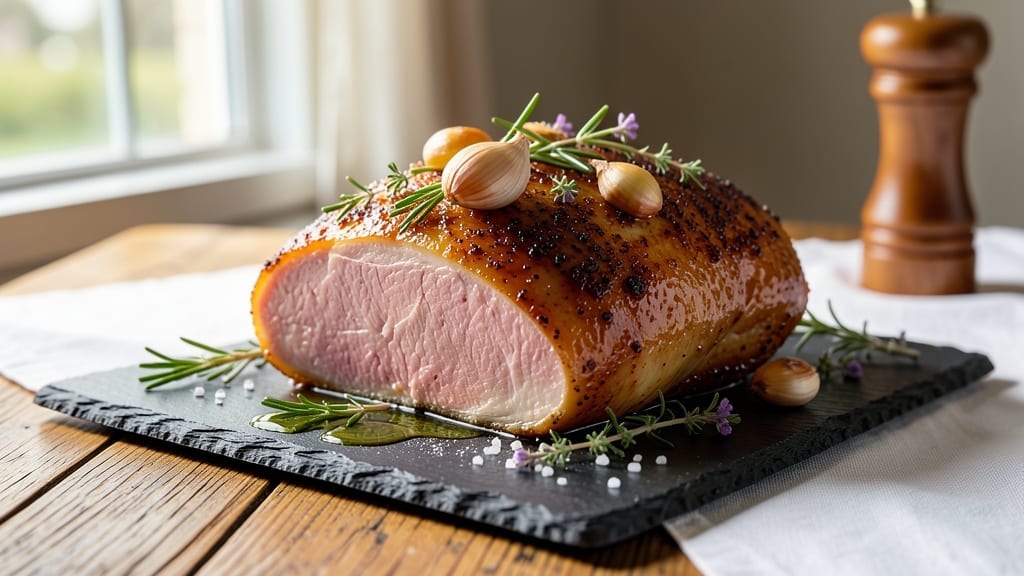
A 3 lb roast turkey breast delivers restaurant-quality results with crisp golden skin and a juicy pink center—perfect for holiday meals or elegant weeknight dinners. The secret lies in proper seasoning, even cooking, and precise timing to avoid dryness.
This method ensures tender meat that stays moist while developing a flavorful crust that holds up beautifully for carving.
Start with a simple herb rub—rosemary, thyme, and garlic—to infuse deep flavor, then roast at 325°F for 3–4 hours until the internal temperature reaches 165°F. The key is a resting period of 15–20 minutes before slicing, which locks in juices and makes carving effortless.
This approach transforms a simple turkey breast into a showstopping centerpiece.
What you’ll achieve is a perfectly balanced turkey breast with crisp skin, tender meat, and a juicy core that stays pink—ideal for those who prefer their turkey lightly cooked.
The method is foolproof, requiring minimal effort but delivering professional results. Serve with classic sides like roasted vegetables or a rich gravy for a complete meal.
This recipe scales easily for larger gatherings, and leftovers reheat beautifully. Whether you’re hosting Thanksgiving or a special dinner, this turkey breast will impress with its flavor, texture, and presentation. Let’s get started on creating a dish that’s both elegant and effortless.
Ingredients for 3 lb roast turkey breast
A meticulously selected blend of herbs, oils, and seasonings transforms a simple turkey breast into an elegant centerpiece.
| Ingredient | Amount | Notes |
|---|---|---|
| Boneless, Skin-On Turkey Breast 🦃 | 3 lb | Even thickness preferred, fresh from butcher |
| Fresh Rosemary 🌿 | ½ cup | Chopped sprigs, stems removed |
| Fresh Thyme 🌿 | ¼ cup | Stems removed, leaves only |
| Garlic Cloves 🧄 | 6 cloves | Peeled, lightly crushed |
| Extra-Virgin Olive Oil 🫒 | 2 tbsp | High-quality, fruity variety |
| Diamond Crystal Kosher Salt 🧂 | 2 tbsp | Coarse grain preferred |
| Freshly Ground Black Pepper 🌶️ | 1 tbsp | Freshly cracked preferred |
| Unsalted Butter 🧈 | ½ cup | Cold, cubed for basting |
| Fresh Lemon Juice 🍋 | 2 tbsp | From organic lemons |
| Vegetable Oil 🫒 | 2 tbsp | For roasting pan |
| Fresh Parsley 🌿 | ⅛ cup | Chopped, for garnish |
The turkey breast is the foundation—look for a piece with even thickness from a trusted butcher like Whole Foods or D’Artagnan. Freshness matters: the skin should be smooth and pale pink, not yellowed or slimy. If buying pre-seasoned, skip the store-bought rub and season yourself for optimal flavor control. Rosemary and thyme should be fragrant and vibrant; discard any wilted stems. For garlic, local organic cloves from a farmers’ market add subtle sweetness compared to supermarket varieties. Olive oil quality is non-negotiable here—California Avocado Ranch or Colavita brands deliver the fruity notes needed for the herb rub to shine.
No fresh rosemary? Dried works at one-third the amount, but toast it first in a dry pan for 30 seconds to intensify flavor. Substitute sage for thyme if needed, though the flavor profile shifts slightly. Pre-minced garlic lacks depth—always peel and crush whole cloves. Salt substitutes: Diamond Crystal is ideal, but Morton kosher salt works in a pinch. Butter alternatives: olive oil or avocado oil can replace half the butter for basting, though texture differs. Lemon juice can be swapped for white wine vinegar at equal parts, though acidity increases. For presentation, edible flowers add elegance without altering flavor.
Turkey breast keeps best covered in the fridge for 2 days before roasting. Herbs and garlic should be stored separately in airtight containers with paper towels to absorb moisture. Prep ahead: make the herb rub 24 hours early and store in a sealed jar. Leftovers reheat beautifully at 325°F for 15 minutes, covered with foil. Portion for freezing: slice before freezing in vacuum-sealed bags for up to 3 months. Garnish fresh parsley just before serving—it wilts quickly when heated.
Why You’ll Love This Recipe
- No-Fuss Prep: I rub the turkey with olive oil, garlic, and herbs—seriously, that’s it. No brining, no basting, no stress. The skin-on keeps it juicy while you’re chopping veggies or setting the table.
- Herb-Packed Magic: That rosemary and thyme clinging to the skin? It’s like a flavor bomb. The garlic infuses into every bite, and the crispy skin? Oh, it’s worth the wait.
- Weeknight Hero: This feeds four but doesn’t require a holiday spread. Perfect for dinner parties when you’d rather sip wine than slave over sides—or just a cozy Tuesday when you want something special without the fuss.
- Leftover Goldmine: One roast means three days of sandwiches, salads, or reheated slices with a fried egg on top. Honestly, I make this just for the leftovers—it’s that good.
Step-by-step instructions for herb-roasted turkey breast
Master this technique for perfectly crisp skin and juicy pink meat every time.
Prepare the Turkey Breast for Even Cooking
Begin by removing the turkey breast from the refrigerator and letting it sit at room temperature for 30 minutes. This ensures even cooking throughout. Pat the skin completely dry with paper towels—this is critical for crispy skin. I press firmly, especially around the edges and under the wings where moisture tends to accumulate.
Next, create a simple herb paste using 2 tablespoons extra-virgin olive oil, 0.5 cup fresh rosemary, 0.25 cup fresh thyme, 6 cloves garlic cloves, 2 tablespoons diamond crystal kosher salt, and 1 tablespoon freshly ground black pepper. In a food processor, pulse the herbs and garlic until finely chopped but not puréed. Add the olive oil and seasonings, then pulse until combined into a thick paste.
Season and Sear the Skin
Spread the herb paste evenly over the skin of the turkey breast, pressing it into the surface so it adheres well. Place the turkey breast skin-side down on a wire rack set inside a rimmed baking sheet. Pour 2 tablespoons vegetable oil into the bottom of the pan—this creates a barrier that prevents the skin from sticking to the pan.
Preheat your oven to 425°F with the rack positioned in the lower third. Slide the turkey into the oven and roast for 20 minutes without disturbing it. This initial sear builds flavor and creates that coveted crispy skin. After 20 minutes, remove the turkey and flip it skin-side up. Return to the oven and continue roasting for another 15 minutes.
Baste and Monitor for Doneness
While the turkey roasts, prepare the basting butter by combining 0.5 cup unsalted butter and 2 tablespoons fresh lemon juice in a small saucepan. Melt over low heat until just combined, then remove from heat. Every 15 minutes after the initial 35 minutes, use a baster or spoon to generously coat the skin with the melted butter mixture. This keeps the skin moist while it crisps and adds rich flavor.
Check for doneness by inserting a meat thermometer into the thickest part of the breast (avoiding bone). The turkey is done when the internal temperature reaches 155°F—this ensures a juicy pink center while the skin remains crisp. Total roasting time typically ranges from 1 hour 15 minutes to 1 hour 30 minutes, depending on your oven’s heat distribution.
Rest and Garnish for Presentation
Once the turkey reaches 155°F, remove it from the oven and transfer to a cutting board. Tent loosely with aluminum foil and let it rest for 10-15 minutes. This resting period allows the juices to redistribute, preventing them from pooling on the cutting board. The skin will continue to crisp slightly during this time.
After resting, garnish with 0.125 cup fresh parsley for a pop of color. Slice the turkey breast against the grain into ¼-inch thick slices. Each slice should reveal a beautiful pink center with crisp, golden skin. Serve immediately with your favorite sides—this herb-roasted turkey breast delivers restaurant-quality results at home.
Pro Tips For Making 3 Lb Roast Turkey Breast
- USE A MEAT THERMOMETER: The turkey breast’s safe zone is 160°F at the thickest part—no guessing. I used to pull it at 155°F, thinking it was done, only to end up with dry meat. Trust the thermometer, not the color.
- BRINE IT FOR 1 HOUR: Skip the dry rub—this breast needs moisture. Toss the turkey in a mix of 1 cup water, ½ cup kosher salt, and 2 tablespoons olive oil for 60 minutes. It stays juicy, and the skin crisps better. (Yes, even if you’re impatient like me.)
- SEAR SKIN SIDE DOWN FIRST: High heat. Seriously, crank it up. Get that skin golden before flipping—it locks in flavor and prevents a sad, pale crust. I learned this the hard way after a batch turned out bland. Start hot, finish low.
- REST IT UNDER FOIL: Give it a solid 5-10 minutes under foil before slicing. The meat keeps its juices, and you avoid a dry first cut. I know, I know—you want to eat it now—but trust the process. (Your future self will thank you.)
Health benefits of 3 lb roast turkey breast
Protein Powerhouse
A 3 lb turkey breast delivers a substantial 140 grams of high-quality protein per serving, making it an excellent choice for muscle repair and satiety. This lean protein source contains all nine essential amino acids, supporting everything from immune function to tissue growth.
Unlike dark meat, turkey breast is lower in saturated fat, making it heart-healthier while still providing robust flavor and texture. 💪
Rich in B Vitamins
Turkey breast is packed with essential B vitamins, particularly niacin (B3) and pyridoxine (B6), which play crucial roles in energy metabolism and nervous system function. A single serving provides about 40% of your daily niacin needs, helping convert food into usable energy.
These vitamins also support healthy skin and digestion, making this dish a nutrient-dense choice for any meal.
Low-Fat, High-Iron
With only 4 grams of fat per 3-ounce serving, this turkey breast is ideal for those monitoring fat intake without sacrificing flavor or protein. It also contains 1.5 mg of iron per serving, supporting red blood cell production and oxygen transport.
The lean profile makes it a great option for balanced diets, especially when paired with nutrient-rich sides like roasted vegetables or whole grains.
Versatile for Dietary Needs
This recipe naturally fits into various dietary plans. For a lower-sodium option, reduce the kosher salt to 1 tablespoon and use a pinch of herb-infused sea salt instead. The herb paste can also be made gluten-free by ensuring all spices are certified.
The dish is inherently paleo-friendly when prepared without added sugars or processed ingredients, making it adaptable to multiple dietary lifestyles.
Boosts Immune Support
The combination of rosemary, thyme, and garlic in this recipe adds more than just flavor—they’re packed with antioxidants and antimicrobial properties. Garlic, in particular, contains allicin, which supports immune function and may help reduce inflammation.
The fresh herbs also provide vitamin C, further enhancing the dish’s health benefits beyond just protein and vitamins.
Sustainable Protein Choice
Turkey breast is a more sustainable protein option compared to beef or pork, requiring fewer resources to produce. Opting for a 3 lb turkey breast instead of a whole turkey reduces food waste while delivering the same high-quality protein.
This makes it an eco-conscious choice for both health and environmental reasons, especially when sourced from local or organic farms. 🌱
Nutrition facts
Frequently asked questions
Can I use a bone-in turkey breast instead of boneless?
Yes, but you’ll need to adjust the cooking time. Bone-in turkey breasts take longer to cook (4-5 hours at 325°F) because the bone conducts heat differently. The skin may also crisp faster, so baste more frequently. For best results, remove the breast from the bone after roasting and slice before serving.
What’s the best way to keep the turkey breast juicy?
The key is proper resting and basting. After removing from the oven, tent with foil and rest for 15-20 minutes—this locks in juices. Baste every 20 minutes with the butter-lemon mixture to maintain moisture. Never cut into the turkey immediately after cooking, as this causes juices to escape.
Can I cook this turkey breast in an electric skillet?
Preheat the skillet to 350°F and cook for 30-40 minutes skin-side down, then flip and cook another 20-30 minutes until 155°F internal temp. Use a wire rack to elevate the turkey for even cooking. Reduce basting frequency to 15 minutes intervals since electric skillets retain heat differently than ovens.
How do I fix overcooked turkey breast?
If the turkey is dry, try slicing thinly against the grain and serving with extra gravy or pan juices. For a quick fix, place slices in a baking dish with 2 tbsp butter, 2 tbsp broth, and 1 tbsp lemon juice, then cover and warm in a 325°F oven for 10 minutes. This method adds moisture without overcooking further.
What sides pair best with this herb-roasted turkey?
Classic pairings include roasted Brussels sprouts with bacon, creamy mashed potatoes, or a fresh winter salad with pomegranate seeds. For a complete meal, serve with garlic herb bread and a rich turkey gravy made from the pan drippings. The crisp skin contrasts beautifully with creamy sides and bright vegetables.

- 3lb Prime Rib Roast Recipe: Juicy Pink Center Guaranteed in 3 Hours - October 31, 2026
- 5 Spice Cake Recipe: Warmly Spiced Layers With Crunchy Top - October 31, 2026
- 1950’s Macaroni and Cheese Recipe: Nostalgic Creamy Cheese Sauce with Buttery Noodles - October 31, 2026