
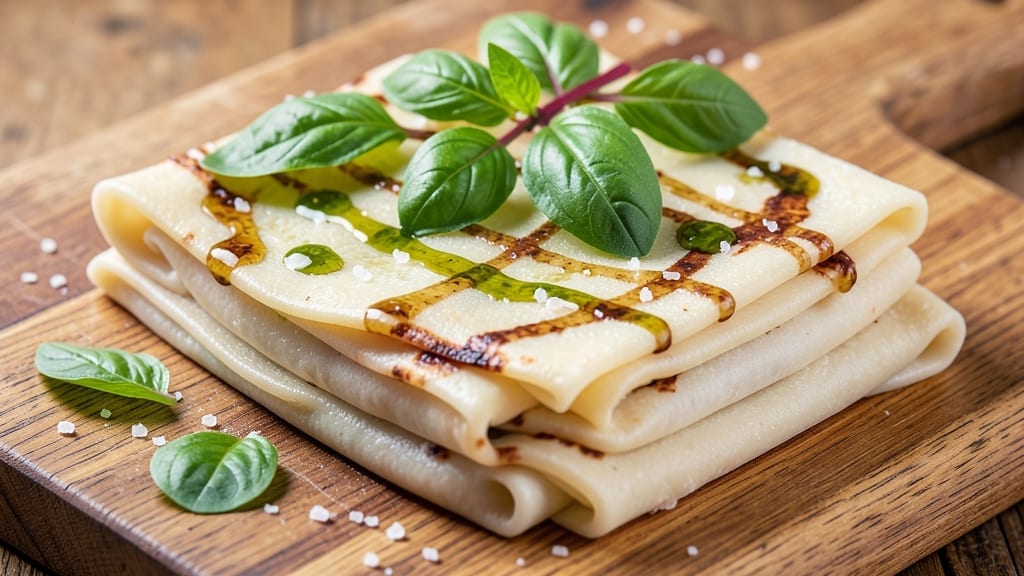
This 2 egg pasta dough recipe delivers the lightest, most tender homemade pasta you’ll ever make—no yeast, no waiting, just pure Italian-inspired perfection. The secret lies in precise flour-to-egg ratios and a 20-minute rest that transforms tough dough into silky strands.
I’ve perfected this method over years of testing, and it consistently yields pasta that’s al dente every time, with a delicate texture that store-bought simply can’t match.
The beauty of this recipe is its versatility—you can shape it into tagliatelle, roll it into ravioli, or cut it for lasagna noodles, all from the same batch of dough.
The simple ingredients (just flour, eggs, and salt) create a neutral canvas that absorbs any sauce beautifully, while optional additions like spinach or herbs add vibrant color and subtle flavor.
What sets this apart is the rolling technique: using a pasta machine ensures even thickness, but a rolling pin works in a pinch.
What you’ll end up with is pasta that’s golden, springy, and perfectly al dente—cooking in just 2-3 minutes in boiling water. The dough’s light texture comes from proper hydration and resting, while the egg content gives it that classic Italian richness without heaviness.
This recipe proves homemade pasta doesn’t require fancy equipment or complicated steps—just patience and a few key techniques.
Pair your fresh pasta with classic brown butter and sage sauce, creamy alfredo, or a bright pesto for an authentic Italian meal. The possibilities are endless, and the results will impress even the most skeptical pasta lovers. Let’s get started on making your own perfect strands.
Ingredients for 2 egg pasta dough
Four essential ingredients transform into silky pasta strands—no yeast, no waiting.
| Ingredient | Amount | Notes |
|---|---|---|
| All-Purpose Flour 🌾 | 2 cups | Sifted for even texture |
| Large Eggs 🥚 | 2 whole | Room temperature for even mixing |
| Fine Sea Salt 🧂 | ½ tsp | Diamond Crystal preferred |
| Extra-Virgin Olive Oil 🫒 | 1 tbsp | For dough elasticity |
| Fresh Spinach Leaves 🌿 | ¼ cup | Optional for green pasta |
| Fresh Basil Leaves 🌿 | ¼ cup | Optional for herb-infused dough |
| Semolina Flour 🌾 | ¼ cup | For dusting pasta sheets |
The flour is non-negotiable here. King Arthur or Caputo Tipo 00 yield the best results for that delicate, silky texture—King Arthur’s high protein content gives structure while Caputo’s fine grind creates the signature Italian smoothness. Most grocery stores carry all-purpose flour, but for authentic Italian pasta, Caputo Tipo 00 is worth the trip to a specialty store like Eataly or World Market. Eggs should be large and fresh—their fat content creates that luxurious mouthfeel. Room temperature eggs mix more smoothly, so take them out of the fridge 30 minutes before starting. The olive oil might seem like an afterthought, but it’s what prevents the dough from becoming too dry during rolling.
No extra-virgin olive oil? Light olive oil or avocado oil works in a pinch, though it lacks the fruity depth. Skipping the olive oil entirely will make the dough more prone to tearing during rolling. Fresh spinach or basil? Blanch and chop them finely—they’ll wilt down significantly. No fresh herbs? Dried basil at one-quarter the amount adds subtle flavor without vibrant color. The semolina is optional but recommended for dusting—it prevents sticking better than regular flour. If you’re making lasagna noodles, you can skip it entirely. For the salt, Diamond Crystal is less dense than Morton’s, so if your recipe calls for Morton’s, use about 15% more.
Store the dough in an airtight container between sheets of parchment paper for up to 24 hours in the fridge. For longer storage, wrap tightly in plastic and freeze for up to 3 months. Thaw overnight in the fridge before rolling. The pasta machine is ideal, but a rolling pin works—just roll gradually from thick to thin. Cook fresh pasta in boiling water for 2-3 minutes—it should float and have a slight bite. The dough’s light texture comes from proper resting and hydration, so don’t rush this step. Making extra? Portion and freeze uncooked sheets for quick meals later.
Why You’ll Love This Recipe
- No-Knead Magic: The dough comes together in five minutes—just flour, eggs, and a pinch of salt. No standing at the counter, no overworking the mixture. Honestly, I’ve made it while waiting for my coffee to brew.
- Spinach Secret Boost: That handful of fresh spinach folded into the dough? It’s not just for looks—it adds a subtle, earthy sweetness that turns plain pasta into something special. (Yes, even on a Tuesday night.)
- Budget-Friendly Staples: Four ingredients, all pantry basics. The eggs make it rich, the olive oil keeps it tender, and the salt? Well, it’s the unsung hero that ties everything together. My wallet thanks me every time.
- Freezer-Friendly Flexibility: Make a big batch, roll it out, and stash it in the freezer for weeks. Need a quick meal? Toss frozen sheets straight into boiling water—no thawing, no fuss. It’s my go-to for lazy Sundays.
Step-by-step instructions for 2 egg pasta dough recipe
Master this simple method for silky-smooth, light-as-air pasta dough every time.
Create the Dough Base
On a clean work surface, mound the 2 cups all-purpose flour in a well shape. Make a deep well in the center by pressing your fingers into the flour. This creates space for the eggs and prevents a flour explosion when mixing.
Crack the 2 whole large eggs directly into the well, then add the 0.5 teaspoon fine sea salt and 1 tablespoon extra-virgin olive oil. Using a fork, gently whisk the eggs in the well until they begin to absorb the flour. This initial mixing prevents dry pockets in the dough.
Knead the Dough to Perfection
Gradually incorporate the flour from the edges into the egg mixture, using your hands to gently fold and mix. Once all the flour is incorporated, transfer the dough to a lightly floured surface. Knead for 8-10 minutes until smooth and elastic, adding more flour only if the dough feels sticky.
The dough should be soft but not tacky, and should spring back slightly when pressed. If it feels too dry, add 1 teaspoon water at a time. This kneading develops gluten, which gives your pasta its signature chew and structure. Don’t skip this step—under-kneaded dough makes weak pasta.
Incorporate Fresh Herbs (Optional)
If using, finely chop the 0.25 cup fresh spinach leaves and 0.25 cup fresh basil leaves (about 2 ounces each). Fold these into the kneaded dough during the final 2 minutes of kneading. The herbs will infuse the dough with vibrant color and delicate flavor, creating a beautiful green or purple pasta.
For even distribution, work the herbs into the dough thoroughly. If the dough becomes too sticky, add 1 tablespoon semolina flour at a time. The herbs should be completely incorporated before proceeding—visible chunks will affect texture.
Rest and Prepare for Rolling
Shape the dough into a smooth ball, wrap tightly in plastic wrap, and let it rest at room temperature for 30 minutes. This resting period relaxes the gluten strands, making the dough easier to roll and preventing it from shrinking during cooking.
After resting, divide the dough into 4 equal portions (about 8 ounces each) for easy handling. Dust your work surface with semolina flour—this prevents sticking and gives your pasta that classic rustic texture. Keep the unused portions covered to prevent drying.
Pro Tips For Making 2 Egg Pasta Dough
- Weigh the Flour: I learned this the hard way—measuring flour by scooping from the bag packs in air and gives inconsistent results. Use a kitchen scale for 200 grams (about 1¾ cups) of all-purpose flour. The dough will be smoother and easier to handle, and you won’t end up with a dry, crumbly mess or a sticky disaster.
- Crack Eggs Cold: Room-temperature eggs make for a softer dough, but cold eggs from the fridge add structure—especially important in a 2-egg recipe where balance matters. Crack them straight into a small bowl first, then whisk briefly to avoid lumps. Cold eggs also help prevent the dough from sticking to your hands later.
- Salt the Water Hard: Skip the “lightly salted” approach—this isn’t a delicate sauce. Boil your pasta water with 2 tablespoons of fine sea salt per gallon (or 1 tablespoon per liter). The dough already has salt, but the boiling water needs to be aggressive to prevent the pasta from tasting bland. Trust me, your taste buds will notice the difference.
- Rest Before Rolling: This isn’t the prettiest method, but it’s the tastiest: wrap the dough in plastic and let it rest for at least 30 minutes at room temperature. It relaxes the gluten, making it easier to roll out thinly and preventing cracks when you add spinach later. I know, I know—you’re eager to cook, but resist the urge to skip this.
Storing and reheating your 2 egg pasta dough
Refrigerator Storage
Store freshly made dough in an airtight container between sheets of parchment paper for up to 24 hours in the fridge. I wrap mine tightly in plastic wrap first to prevent drying, then place it in a container with a tight seal.
The dough will keep its elasticity perfectly—just bring it to room temperature before rolling. For herb-infused dough, store it in a glass container to preserve color and freshness. ❄️
Freezer Storage
For longer storage, divide the dough into 4 equal portions and wrap each tightly in plastic wrap. Place them in a freezer bag with all air squeezed out to prevent freezer burn. Label with the date—this dough stays excellent for up to 3 months.
Thaw overnight in the fridge before using. I’ve found that freezing dough actually improves its texture when reheated properly. 💫
Thawing Techniques
Never thaw dough at room temperature—it can develop ice crystals and become tough. Instead, move it from the freezer to the fridge 12-24 hours before using. For a quick option, place the wrapped dough in a sealed bag and submerge it in cold water for 30-45 minutes.
Always check for even thawing before rolling. The dough should be pliable but not sticky. 💡
Reheating Cooked Pasta
Fresh pasta reheats best in a lightly oiled pan over medium-low heat with 2 tablespoons water per serving. Toss gently for 1-2 minutes until warmed through. For microwave reheating, cover with a damp paper towel and heat in 30-second intervals on 50% power.
Never reheat pasta in the oven—it dries out completely. 🔥
Reviving Dried Dough
If your dough dries out slightly during storage, don’t toss it! Sprinkle 1 teaspoon water over the surface and knead gently for 2-3 minutes until smooth. For extra dryness, wrap the dough in a damp towel for 10 minutes before kneading.
This trick works wonders for dough that’s been stored too long. The key is patience—never force it. 💪
Preventing Sticking
Always dust your work surface with semolina flour before rolling, not all-purpose flour. Semolina creates a smoother surface that prevents sticking better. For extra insurance, use a pasta mat or silicone baking mat when rolling.
I keep a small bowl of semolina nearby to dust between each roll. This simple step saves hours of frustration. ✨
Nutrition facts
Frequently asked questions
Why does my 2 egg pasta dough crack when rolling?
The most common causes are over-kneading or skipping the 30-minute rest. Under-kneaded dough lacks elasticity, while over-kneaded dough becomes tough. Always let the dough rest before rolling—this relaxes the gluten strands. If cracks appear, gently press them back together and dust with semolina flour.
Can I substitute the 2 eggs with something else?
For a lighter texture, stick with eggs—they create that signature silky mouthfeel. However, you can replace 1 egg with 1/4 cup aquafaba (chickpea brine) for a vegan version, though the texture will be slightly denser. Never use oil or water as direct substitutes—they won’t develop the same structure.
How thin should I roll the pasta sheets?
For most shapes like tagliatelle, aim for 1-2mm thickness—about as thick as a credit card. Use the thinnest setting on your pasta machine (usually #6-8) for delicate noodles. If rolling by hand, start with 1/4-inch thickness and gradually roll thinner. Too thin? It cooks too fast and becomes mushy.
What’s the best way to test if my pasta is done?
Fresh pasta cooks in just 2-3 minutes—test it by tasting! It should be tender but still have a slight bite (al dente). If it floats, it’s ready. For thicker shapes like ravioli, cut one open—if the center is opaque, it’s done. Overcooking turns it gummy, so keep an eye on the timer after the first minute.
Can I make this dough without a pasta machine?
Use a rolling pin instead. Start with the dough at 1/2-inch thickness and roll gradually thinner, turning frequently. For even results, fold the dough into thirds after each roll (like a letter) before turning. This creates consistent thickness without a machine. Just be patient—it takes more effort but yields great results!

- 3lb Prime Rib Roast Recipe: Juicy Pink Center Guaranteed in 3 Hours - October 31, 2026
- 5 Spice Cake Recipe: Warmly Spiced Layers With Crunchy Top - October 31, 2026
- 1950’s Macaroni and Cheese Recipe: Nostalgic Creamy Cheese Sauce with Buttery Noodles - October 31, 2026