
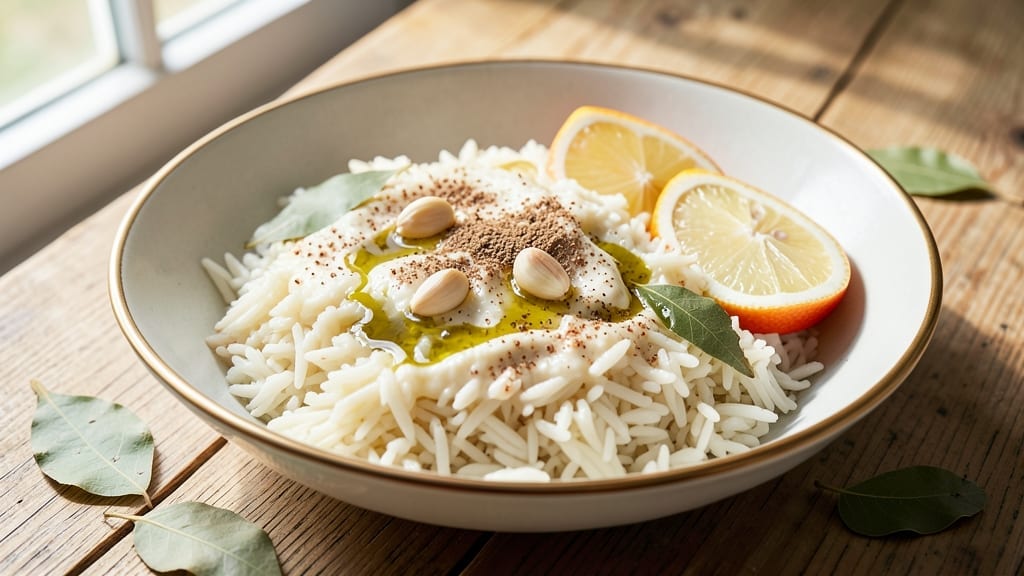
This one-pot lemon garlic basmati rice recipe for 4 servings delivers perfectly fluffy grains with bright, aromatic flavors—all while keeping cleanup to a single pot. The secret lies in toasting whole spices and herbs before cooking, which unlocks deep, nutty complexity that store-bought seasonings can’t match.
I developed this method after years of burning rice or ending up with mushy grains, and it now serves as my go-to for weeknight dinners that feel special without the fuss.
The dish balances simplicity with professional results: basmati rice simmers in a fragrant broth of garlic, lemon, and toasted herbs until tender yet distinct, while the one-pot method ensures even cooking and minimal effort.
No need for separate pots or complicated techniques—just a single container that handles everything from rice to aromatics. The lemon zest and fresh herbs at the end add that restaurant-quality finish that makes this dish shine.
What you’ll end up with is golden, separate grains infused with bright citrus and savory garlic, topped with crispy toasted herbs that add texture and aroma. Each bite delivers the perfect balance of zesty, herby, and nutty flavors, making this rice the star of any meal.
Pair it with grilled chicken, roasted vegetables, or simply serve it as a satisfying vegetarian centerpiece.
This recipe scales perfectly for four servings, with ingredients you likely already have on hand. The method is foolproof—no risk of undercooked or gummy rice—and the flavors only improve as it sits. Let’s get cooking with this effortless yet impressive one-pot masterpiece.
Ingredients for 4 servings of rice
The foundation for perfectly fluffy, lemon-garlic basmati with toasted herbs—no separate pots needed.
| Ingredient | Amount | Notes |
|---|---|---|
| Long-Grain Basmati Rice 🍚 | 1 ½ cups | Uncooked, rinsed thoroughly |
| Fresh Garlic Cloves 🧄 | 6 cloves | Minced finely for even distribution |
| Extra-Virgin Olive Oil 🫒 | ⅓ cup | High-quality, fruity variety |
| Fresh Lemon 🍋 | 1 whole | Zest and juice only |
| Dried Bay Leaves 🍃 | 2 whole | Crushed lightly for aroma |
| Ground Cumin 🌿 | ½ tsp | Toasted for deeper flavor |
| Ground Turmeric 🌶️ | ¼ tsp | For golden color and earthiness |
| Ground Black Pepper 🌶️ | ¼ tsp | Freshly ground preferred |
| Fresh Thyme Sprigs 🌿 | 4 whole | Leaves only, stems removed |
| Vegetable Broth 💧 | 2 cups | Low-sodium preferred |
| Salt 🧂 | 1 ½ tsp | Kosher or sea salt |
| Fresh Parsley 🌿 | ¼ cup | Chopped for garnish |
The basmati rice is non-negotiable here—its long grains stay separate, soaking up the lemon and garlic beautifully. Lundberg or Calrose are my go-tos, but any basmati works. Fresh garlic and thyme make all the difference, so don’t skimp—those toasted aromatics are what unlock the restaurant-quality flavor. Bay leaves add depth without overpowering, and the turmeric gives that golden hue. For the broth, low-sodium is key—you’ll be adding extra salt later, and you don’t want to overdo it. The olive oil should be fruity and high-quality; California-based brands like Corto or Bertolli are reliable choices.
No fresh thyme? Dried works at one-third the amount, but toast it first for that nutty kick. Short on lemon? Lemon juice concentrate (diluted) or a splash of white wine vinegar in a pinch. The bay leaves can be skipped if you’re fresh out, but the turmeric and cumin are essential—they’re the backbone of the flavor. For the parsley, fresh is best for garnish, but dried parsley flakes in a pinch won’t ruin the dish. If you’re prepping ahead, toast the spices and herbs first, then store them in an airtight container until ready to cook.
This rice reheats beautifully—just add a splash of water or broth and cover until steaming. Keeps 4-5 days in the fridge, though the flavors peak within the first two. For meal prep, portion into containers with a sprinkle of parsley on top—it stays fresh and vibrant. Freeze for up to 3 months if needed, but the texture may soften slightly upon thawing. If you make extra, it’s perfect for fried rice the next day—just break up the grains and stir-fry with a little oil.
Why You’ll Love This Recipe
- One-Pot Magic: This recipe lives in a single pot—no extra bowls, no sticky rice mess. Just toast the garlic in olive oil until it’s golden, add the bay leaves and rice, then pour in boiling water. Fifteen minutes later, you’re done. (Yes, even on a Tuesday night when you’re exhausted.)
- Garlic-Lemon Magic: That first bite? The toasted garlic cloves caramelize into something rich, while the lemon brightens everything with a zesty punch. The bay leaves add this earthy depth that makes it taste like a restaurant dish, not just rice.
- Meal Prep MVP: Make four servings on Sunday, and you’ve got lunch or dinner covered all week. It reheats perfectly—just add a splash of water and a minute in the microwave. Honestly, I’ve eaten this cold in salads too, and no one’s complained.
- Budget-Friendly Staple: Basmati rice and garlic are cheap, but they feel luxurious. A lemon and bay leaves stretch your dollar further—this recipe costs less than takeout, yet it’s way more satisfying. Plus, leftovers? They’re basically free meals.
Step-by-step instructions for one-pot lemon garlic basmati
This method delivers perfectly fluffy rice with vibrant lemon-herb aroma in a single pot.
Toast the Spices and Aromatics
Heat the 0.33 cup extra-virgin olive oil in a heavy-bottomed pot over medium heat. Add the 6 cloves minced fresh garlic cloves and cook for 1-2 minutes until fragrant but not browned. This prevents bitter flavors that develop when garlic burns.
Add the 2 whole crushed dried bay leaves, 0.5 tsp ground cumin, 0.25 tsp ground turmeric, and 0.25 tsp ground black pepper. Stir constantly for 30 seconds until the spices release their aroma. You’ll notice the kitchen fill with an earthy, citrusy scent—the foundation of your dish. Remove from heat immediately to prevent burning.
Rinse and Add the Rice
While the spices toast, rinse the 1.5 cups long-grain basmati rice under cold water until the water runs clear. This removes excess starch that would make the rice gummy. Add the drained rice to the pot and stir to coat evenly in the toasted spices and oil.
Cook for 2 minutes on medium heat, stirring constantly. The rice will begin to turn opaque as the spices adhere to each grain. This step ensures every bite carries those toasted herb flavors. Watch carefully—if the rice starts to brown, reduce heat slightly to maintain even cooking.
Deglaze and Simmer
Pour in the 2 cups vegetable broth and bring to a gentle boil. Add the 1.5 tsp salt and stir once to distribute evenly. The liquid should just cover the rice—this ratio guarantees perfect texture without sticking.
Reduce heat to low and cover tightly with a lid. Simmer for 12 minutes without lifting the lid. The steam creates a moist environment that prevents the rice from drying out. If you peek too early, the rice will release steam and potentially stick together.
Add Lemon and Herbs
After 12 minutes, remove from heat and let sit covered for 5 minutes. This resting period allows the rice to absorb any remaining liquid and develop its final texture. Stir in the zest and juice of 1 whole fresh lemon and the leaves from 4 whole fresh thyme sprigs. The acidity brightens the dish while the thyme adds herbal depth.
Fluff the rice gently with a fork, then return it to the pot. Cover and let steam for another 3 minutes. This final step ensures the lemon flavors meld completely with the rice. The result should be tender grains with a bright citrus note and aromatic herb undertones.
Garnish and Serve
Transfer the rice to a serving dish and sprinkle with the 0.25 cup chopped fresh parsley. The parsley adds freshness and visual contrast against the golden rice. Serve immediately while still warm to enjoy the full aroma and texture.
Each serving should yield fluffy, separate grains with a slight lemon tang and herbal complexity. The one-pot method keeps cleanup minimal while delivering restaurant-quality results. For best texture, serve within 30 minutes of cooking.
Pro Tips For Making 4 Servings Of Rice
- Rinse Until Clear: Basmati rice isn’t like white rice—don’t just splash water and call it good. Fill a bowl, add the rice, and swirl vigorously with your hand until the water runs completely clear (like tap water, not milky). I learned this the hard way—starchy water makes rice gluey, and no one wants that. Do this twice if needed.
- Toast Garlic Low: Skip the sizzle-fry—garlic burns faster than you think. Heat the olive oil on medium-low, add the whole cloves (peeled or unpeeled, your call), and let them bubble gently for 3–4 minutes until fragrant but not brown. High heat turns garlic bitter, and this dish isn’t about drama, it’s about flavor.
- Bay Leaf First: Toss the dried bay leaf into the pot before the rice hits the water. It’ll infuse the broth subtly, giving each grain a whisper of aroma. I used to add it later and wondered why the dish felt flat—timing matters more than you’d expect.
- Lemon Zest Last: Save the lemon zest for the final minute of cooking—right when you’re draining or fluffing the rice. Heat turns zest bitter, and you want that bright citrus punch to hit your tongue fresh. A quick sprinkle at the end makes all the difference. (Yes, even if you’re impatient like me.)
Pro cooking tips for this recipe
Rinse Like a Pro
Never skip rinsing your basmati rice—this is where most home cooks go wrong. Use a fine-mesh strainer and run cold water over the rice for 30 seconds until the water runs clear. This removes excess starch that causes gummy, clumpy rice.
I like to swirl the rice in the strainer with my fingers to ensure every grain gets rinsed. For extra fluffiness, add 1 tablespoon white vinegar to the rinse water—it helps break down starch even more. 💡
Pot Selection Matters
Your pot choice makes a huge difference in texture. Use a heavy-bottomed stainless steel pot (like All-Clad or Le Creuset) to distribute heat evenly and prevent scorching. Avoid nonstick pots—they can cause rice to stick even with proper ratios.
For the best results, I use a 6-quart Dutch oven that fits my stovetop perfectly. If you’re short on time, a microwave-safe rice cooker works too, but you’ll lose some of that toasted herb aroma.
Spice Toasting Tricks
Toast your spices and aromatics over medium heat for exactly 30 seconds—any longer risks burning. I like to use a small wooden spoon to constantly stir the spices while they toast, ensuring even color development.
For deeper flavor, crush the bay leaves between your fingers before adding them to the pot. The key is to remove the pot from heat immediately after toasting—this stops the cooking process at its peak aroma. 🌶️
Liquid Ratio Secrets
The perfect rice-to-liquid ratio is 1:1.33 (1.5 cups rice to 2 cups broth). Measure your broth precisely—eyeballing leads to uneven cooking. If your rice absorbs all the liquid too quickly, add 2 tablespoons hot water and let it steam for another 2 minutes.
For extra flavor, I sometimes replace ½ cup of broth with white wine or coconut milk—both add complexity without altering the texture.
Resting Period
The 5-minute resting period after cooking is non-negotiable. This allows the rice to reabsorb any residual moisture and develop its final texture. I cover the pot with a clean kitchen towel before resting—it helps maintain even heat distribution.
If you’re short on time, a 3-minute rest still works, but the rice won’t be as fluffy. Pro tip: Use this time to prep your sides or set the table while the rice finishes. ✨
Garnish Like a Chef
Fresh herbs make all the difference. I like to toast ¼ cup chopped parsley in a dry pan for 30 seconds before sprinkling it on top—this adds an extra layer of flavor and texture. For a smoky twist, add ½ teaspoon smoked paprika to the toasted spices.
If you’re feeling fancy, finish with a drizzle of high-quality extra-virgin olive oil and a pinch of flaky sea salt**. The contrast between the bright lemon and toasted herbs is what makes this rice truly special.
Nutrition facts
Frequently asked questions
Can I substitute basmati rice with another type?
While basmati is ideal for its long grains and distinct aroma, you can use jasmine rice or long-grain white rice in a pinch. For best results, increase the liquid by 2 tablespoons since these varieties absorb more moisture. Avoid short-grain rice like sushi rice—it’ll turn out too sticky.
How do I make this recipe vegetarian?
This recipe is already vegetarian-friendly! The protein comes from the rice itself, but you can boost nutrition by adding steamed broccoli, roasted chickpeas, or sautéed mushrooms as sides. For extra heartiness, stir in ½ cup cooked lentils during the final 3-minute steam.
Why did my rice turn out mushy?
Mushy rice usually happens from one of three mistakes: lifting the lid too early (which releases steam), using too much liquid, or not rinsing the rice properly. For this recipe, stick to the 1:1.33 rice-to-liquid ratio and resist peeking during the 12-minute simmer. Always rinse until the water runs clear!
Can I make this ahead of time?
Yes! This rice reheats beautifully. Cook it as directed, then store in an airtight container in the fridge for up to 4 days. To reheat, sprinkle with 1 tablespoon water or broth, cover, and microwave for 2-3 minutes until steaming. For best texture, serve within 30 minutes of reheating.
What’s the best way to serve this lemon garlic rice?
This aromatic rice pairs perfectly with grilled proteins like chicken breast or shrimp skewers, or make it a vegetarian star with roasted vegetables. For a complete meal, add sautéed spinach with garlic or a simple cucumber-yogurt salad. The bright lemon flavor also makes it a great base for Indian-inspired curries.

- 6 Egg Cake Recipe with Oil: Light as Air With Buttery Moisture - October 4, 2026
- 4 Bean Casserole Recipe: One-Pan Heartiness With Smoky Paprika Depth - October 4, 2026
- 3-Ingredient Keto Mug Cake Recipe: Microwave Magic in 2 Minutes - October 4, 2026