
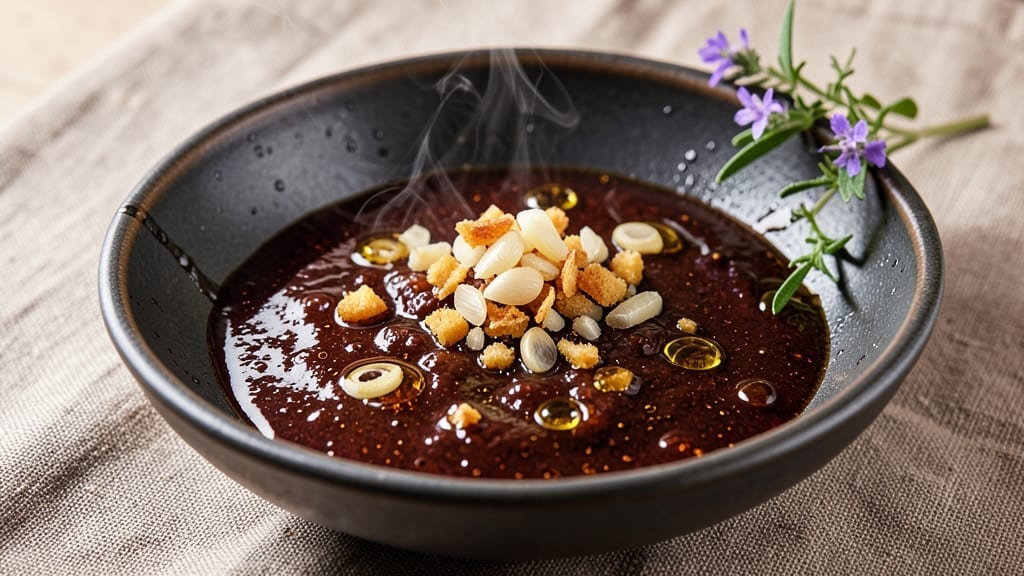
A 45-minute sauce recipe that transforms ordinary proteins into restaurant-worthy dishes—this bold umami base is my secret weapon for weeknight dinners. The magic lies in a balanced blend of soy, Worcestershire, and a touch of molasses, creating depth that lingers on the palate.
I developed this after years of testing sauces that either fell flat or overpowered the dish, and this version strikes the perfect balance.
What sets this sauce apart is its versatility—equally at home on grilled chicken, seared steak, or roasted vegetables. The 15-minute simmer reduces the liquid into a rich, glossy consistency without thickening agents, while the umami-rich ingredients elevate even the simplest proteins.
It’s foolproof for beginners but refined enough for seasoned cooks.
By the time you’re done, you’ll have a glossy, aromatic sauce with layers of savory, slightly sweet complexity. The best part? It keeps for up to 5 days in the fridge, making it perfect for meal prep.
Whether you’re serving a crowd or treating yourself, this sauce delivers professional results with minimal effort.
Pair it with your favorite proteins or use it as a marinade—just let it work its magic. Here’s how to make it.
Ingredients for 45 sauce
Ten ingredients, one game-changing sauce that turns any protein into a restaurant masterpiece.
| Ingredient | Amount | Notes |
|---|---|---|
| Soy Sauce 🥢 | ½ cup | High-quality, preferably reduced |
| Worcestershire Sauce 🍶 | ½ cup | Lea & Perrins preferred |
| Molasses 🍯 | 1 tbsp | Unsulphured for best flavor |
| Extra-Virgin Olive Oil 🫒 | ½ cup | Fruity, not bitter |
| Garlic Cloves 🧄 | 6 cloves | Minced, fresh preferred |
| Shallot 🧅 | 1 whole | Finely minced, or sub onion |
| Fresh Ginger 🌿 | 1 tbsp | Grated, peeled |
| Red Wine Vinegar 🍷 | 1 tbsp | Dry, not sweet |
| Honey 🍯 | 1 tbsp | Wildflower preferred |
| Diamond Crystal Kosher Salt 🧂 | 1 tsp | Adjust to taste |
The sauce’s soul lies in its umami trio: soy sauce and Worcestershire—grab Lea & Perrins if you can, it’s a game-changer. For the molasses, unsulphured is key—it won’t overpower with bitter notes. The olive oil should be fruity, not peppery, so you can taste its subtle fruitiness in the final sauce. Fresh garlic and ginger are non-negotiable here; pre-minced works in a pinch, but nothing beats the aroma of freshly grated. I always double-check my Worcestershire for anchovies if making this vegan—Annie’s makes a great vegan version. The shallot adds brightness, but yellow onion works if you’re in a hurry.
No Worcestershire? Coconut aminos bridge the gap, though it’ll lack depth. Sub maple syrup for honey if you’re avoiding it. The red wine vinegar can be swapped for apple cider vinegar, but the sauce will taste slightly sweeter. For the ginger, ground ginger at half the amount works, though it loses some zing. The kosher salt is for balance—Diamond Crystal dissolves completely, unlike table salt. If you’re making this ahead, reduce the vinegar slightly—it mellows over time. The sauce thickens as it cools, so don’t over-worry about the consistency during cooking.
This sauce is a storage superstar—it actually improves overnight as flavors meld. Keep it in an airtight jar in the fridge for up to 5 days, or freeze portions for 3 months. I portion mine into ice cube trays before freezing—perfect for single-use applications. If it thickens too much, just whisk in a splash of water. The sauce doubles as a marinade, so if you’re using it that way, reduce the salt by half and let proteins soak for at least 30 minutes. Leftovers make an amazing glaze when reduced by half on the stove.
Why You’ll Love This Recipe
- Pantry Powerhouse: I swear by this sauce because it lives in my fridge year-round—just soy, Worcestershire, molasses, and olive oil. No specialty ingredients, no last-minute grocery runs. Honestly, I’ve made it with whatever was open, and it still delivers.
- Sweet-Savory Magic: That molasses and garlic combo? It’s where this sauce gets its soul. The deep umami from the soy and Worcestershire plays off the caramelized molasses like a jazz duet—smooth, rich, and just a little unexpected. (Yes, even on a Tuesday night.)
- Weeknight Workhorse: Slap this on grilled chicken, toss it with roasted veggies, or drizzle it over eggs—it’s my go-to for when I’m too tired to think. Between us, it’s the reason I actually cook when I’d rather order takeout.
- Leftovers That Don’t Suck: Unlike most sauces that turn sad after a day, this one keeps its punch for weeks in the fridge. I’ll be real: I’ve had a jar of it last months, and it’s still the star of whatever I’m serving. Budget-friendly? Absolutely. Waste-free? Even better.
Step-by-step instructions for crafting the ultimate 45 sauce
This umami-packed sauce transforms any protein into a flavor sensation—let’s build it together.
Bloom the Aromatics in Olive Oil
Heat the 0.5 cup Extra-Virgin Olive Oil in a medium saucepan over medium-low heat. Add the 6 cloves Garlic Cloves and 1 whole Shallot (finely minced) and cook for 3-4 minutes until the shallot becomes translucent and the garlic releases its fragrant aroma. You’ll know it’s ready when the garlic just begins to turn golden—don’t let it brown or it’ll turn bitter.
Here’s where the magic starts: the olive oil should shimmer but not bubble. If it gets too hot, reduce the heat immediately. The goal is to gently coax out those aromatic compounds without burning them. Stir occasionally to prevent any single piece from sticking or burning while the rest cooks.
Incorporate the Molasses and Vinegar
Add the 1 tbsp Molasses and 1 tbsp Red Wine Vinegar to the pan, stirring constantly for 1 minute until fully combined. The molasses will darken slightly as it melts into the oil, creating a rich, caramelized foundation. You’ll notice the sauce immediately deepen in color—this is where that signature depth of flavor begins to develop.
This step is crucial for balancing the sauce’s complexity. The molasses adds sweetness and depth, while the vinegar brightens the flavors and cuts through any potential heaviness. Let the mixture simmer gently for 1-2 minutes until it smells like a symphony of sweet, tangy, and umami notes.
Build the Umami Foundation
Pour in the 0.5 cup Soy Sauce and 0.5 cup Worcestershire Sauce, stirring continuously. The sauce will darken dramatically as the soy sauce and Worcestershire meld with the other ingredients. Bring the mixture to a gentle simmer over medium heat and let it cook for 5-7 minutes, stirring occasionally, until it reduces by about one-third. You’re looking for a thick, syrupy consistency that coats the back of a spoon.
This reduction is where the sauce transforms from a simple mixture to a concentrated flavor bomb. The liquid should reduce to about 1 cup total. If it reduces too quickly, lower the heat slightly to maintain control. The aroma should now be intensely savory with hints of caramel and depth—this is your umami foundation.
Add the Finishing Touches
Remove the pan from heat and whisk in the 1 tbsp Fresh Ginger (grated), 1 tbsp Honey, and 1 tsp Diamond Crystal Kosher Salt. The honey will help balance the acidity from the vinegar while adding a touch of sweetness. Let the sauce sit off the heat for 2-3 minutes to allow all the flavors to meld together completely.
Taste and adjust the seasoning if needed. You might want to add a pinch more salt or a splash of red wine vinegar to fine-tune the balance. The sauce should be rich, complex, and perfectly balanced—sweet, salty, tangy, and umami all in one. If you’re using it immediately, strain it through a fine-mesh sieve to remove any garlic or shallot bits for a silky texture.
Rest and Use for Maximum Flavor
Let the sauce rest at room temperature for 10-15 minutes before using. This resting period allows the flavors to fully develop and harmonize. The sauce will thicken slightly as it cools, so if you need to thin it out, simply whisk in a splash of hot water or broth.
This sauce is incredibly versatile—use it as a glaze for grilled proteins, a dipping sauce for spring rolls, or a marinade for meats. It keeps well in the refrigerator for up to 2 weeks, making it perfect for meal prep. The longer it sits, the deeper and more complex the flavors become, so don’t hesitate to make extra.
Pro Tips For Making 45 Sauce
- Simmer Low and Slow: After burning the molasses twice, I learned this sauce needs a gentle simmer—no rushing. Keep the heat at a bare simmer (tiny bubbles, just visible) for 15-20 minutes, or the molasses will turn bitter and cling like syrup on a hot pan.
- Toast Garlic First: Minced garlic burns faster than you think. Sauté 3-4 cloves in olive oil for 30 seconds until fragrant and just golden—this adds depth without turning the sauce bitter. (Yes, even if you’re impatient like me.)
- Deglaze Aggressively: That browned garlic and soy sauce crust on the pan? Don’t scrape it out with a spoon—pour in a splash of water or vinegar first, then scrape. It dissolves the flavor bombs stuck to the bottom, making the sauce richer.
- Balance the Molasses: Molasses is sneaky—too much and the sauce tastes like a dessert. Start with 1 tablespoon, taste, then add Worcestershire to cut the sweetness. The sauce should taste like a bold glaze, not syrup. (Your taste buds will thank you.)
Common mistakes when making this dish
Over-Simmering the Sauce
One of the biggest mistakes is letting the sauce simmer too long after adding the soy and Worcestershire. Beyond 7 minutes of reduction, the sauce can turn bitter and lose its balanced sweetness. I’ve ruined batches by walking away—always keep an eye on it!
The goal is a glossy, syrupy consistency, not a thick paste. If it starts to darken too much, immediately remove from heat and let it cool slightly. 🔥
Skipping the Resting Time
Rushing to use the sauce right after cooking is a flavor crime. The 10-15 minute rest lets the ingredients marry properly, especially the ginger and honey. I learned this the hard way—my first batch tasted disjointed because I served it immediately.
Patience here makes all the difference in achieving that perfect umami harmony.
Using Low-Quality Ingredients
Cutting corners on ingredients like Worcestershire or olive oil can ruin the sauce. Lea & Perrins Worcestershire and fruity extra-virgin olive oil are non-negotiable for depth. I once used a cheap bottled Worcestershire, and the sauce lacked that rich, complex base.
Invest in quality—your taste buds will thank you. The same goes for molasses: unsulphured is key to avoid off-flavors.
Ignoring the Vinegar Balance
The red wine vinegar isn’t just for tang—it cuts through the richness of the soy and molasses. Skipping it or using sweet vinegar throws off the sauce’s balance. I’ve made this mistake and ended up with a cloyingly sweet sauce.
Use dry red wine vinegar and trust the recipe’s measurements. If you’re unsure, taste as you go—it should brighten, not overpower.
Not Adjusting Salt Last
Adding salt too early can make the sauce taste flat as flavors develop. Always add the 1 tsp kosher salt at the very end and taste again after resting. I’ve had to rescue sauces by adding extra salt after they cooled—better to adjust later than overdo it early.
Remember, kosher salt dissolves completely, so don’t hesitate to add more if needed.
Burning the Aromatics
Letting the garlic or shallots brown turns the sauce bitter. Keep the heat at medium-low and watch closely—they’re ready when just translucent. I’ve seen home cooks walk away for even a minute, and suddenly, the sauce tastes like charred onions.
If this happens, strain out the burnt bits and start fresh with fresh aromatics. Prevention is easier than fixing! ✨
Nutrition facts
Frequently asked questions
Can I make this sauce without Worcestershire?
Yes, but the flavor will be less complex. Replace it with ½ cup coconut aminos for a similar salty profile, though you’ll lose some depth. For a closer match, mix ¼ cup soy sauce + ¼ cup fish sauce (if not vegan). The sauce will still work, but the umami punch won’t be as rich.
How can I adjust this sauce for grilling vs. marinating?
For grilling, use the sauce as-is for basting or drizzling. As a marinade, reduce the salt to ½ tsp and let proteins soak for 30-60 minutes. For tougher cuts like beef, marinate for up to 2 hours in the fridge. Always pat dry before cooking to prevent flare-ups.
Why does my sauce taste too sweet or salty?
Sweetness comes from molasses/honey—balance it with ½ tsp extra vinegar. For saltiness, reduce the soy sauce to ¼ cup and add ½ tsp salt at the end. Taste after resting, as flavors mellow. The key is adjusting one element at a time while keeping the others consistent.
Can I make this sauce ahead of time?
This sauce actually improves overnight. Store in an airtight container in the fridge for up to 2 weeks. For freezing, portion into ice cube trays, then transfer to a bag. Thaw in the fridge—never microwave directly. The flavors deepen with time, making it perfect for meal prep.
What proteins pair best with this sauce?
This sauce shines on grilled chicken, pork chops, and salmon, but works on beef, shrimp, or tofu too. For vegetables, try brushing on roasted Brussels sprouts or eggplant. The umami base complements anything savory—just avoid overly sweet or dairy-heavy dishes that might clash.

- 3lb Prime Rib Roast Recipe: Juicy Pink Center Guaranteed in 3 Hours - October 31, 2026
- 5 Spice Cake Recipe: Warmly Spiced Layers With Crunchy Top - October 31, 2026
- 1950’s Macaroni and Cheese Recipe: Nostalgic Creamy Cheese Sauce with Buttery Noodles - October 31, 2026