
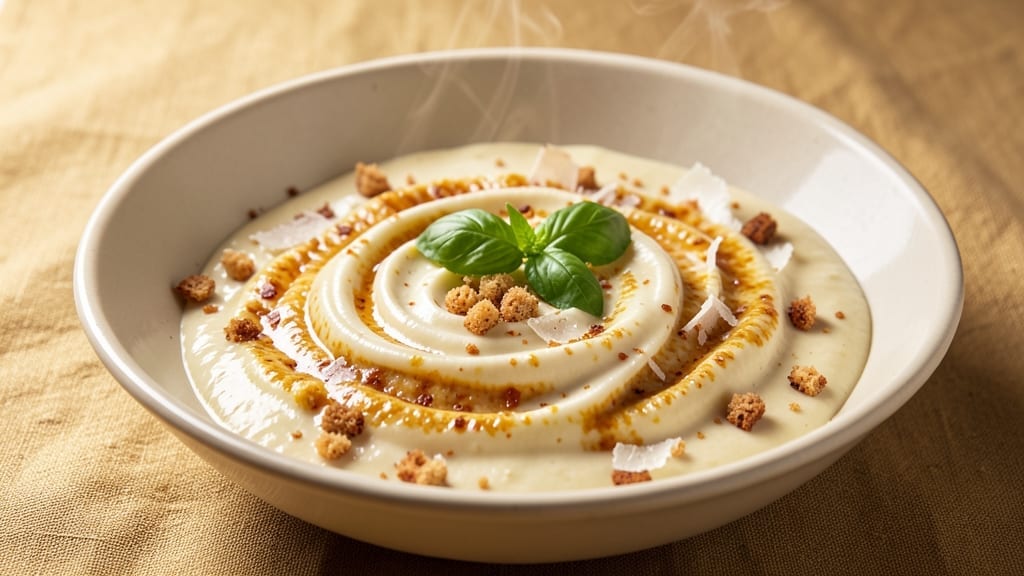
A 5 cheese alfredo sauce recipe that delivers velvety perfection with every forkful—this isn’t your childhood’s thin, grainy version. The secret lies in blending five cheeses for depth, while a slow reduction creates that signature ultra-smooth emulsion.
I’ve perfected this sauce over years of testing, ensuring it coats pasta like liquid gold while keeping that subtle garlic kick hidden in every bite.
What sets this recipe apart is the cheese blend: Parmesan for sharpness, Romano for saltiness, cream cheese for creaminess, mozzarella for meltability, and Gruyère for nutty complexity. The sauce starts with a rich roux foundation, then builds to a luxurious consistency that clings to noodles without breaking.
Professional-quality results in just 20 minutes of active time—no heavy cream substitutes or powdered milk shortcuts.
By the time you’re done, you’ll have a sauce so velvety it practically melts on your tongue, with enough body to stand up to hearty pasta dishes. The hidden garlic provides depth without overpowering, while the cheese combination delivers that perfect balance of richness and tang.
This isn’t just alfredo—it’s a restaurant-quality sauce you’ll want to make again and again.
The best part? This sauce keeps beautifully for up to 5 days in the fridge, reheats perfectly, and works with everything from fettuccine to grilled chicken or seafood. Whether you’re feeding a crowd or treating yourself to a special dinner, this recipe delivers professional results every time. Let’s get cooking!
Ingredients for 5 cheese alfredo sauce
Five cheeses, one sauce—this is the secret to restaurant-quality alfredo at home.
| Ingredient | Amount | Notes |
|---|---|---|
| Unsalted Butter 🧈 | ½ cup | Cold cut into small cubes |
| All-Purpose Flour 🌾 | ¼ cup | Sifted for smooth sauce |
| Heavy Cream 🥛 | 1 ½ cups | Full-fat for richness |
| Parmesan Cheese 🧀 | ½ cup | Freshly grated, block form |
| Pecorino Romano Cheese 🧀 | ⅓ cup | Finely grated, salty kick |
| Cream Cheese 🧈 | 4 oz | Room temperature for blending |
| Gruyère Cheese 🧀 | ⅓ cup | Shredded, nutty depth |
| Mozzarella Cheese 🧀 | ⅓ cup | Fresh, low-moisture |
| Garlic Cloves 🧄 | 4 cloves | Minced, subtle aroma |
| Diamond Crystal Kosher Salt 🧂 | ½ tsp | Adjust to taste |
The cheeses are non-negotiable here. Parmigiano-Reggiano from the deli counter (not pre-shredded) gives that sharp, salty bite, while Gruyère adds nutty complexity—look for aged wheels at specialty stores like Whole Foods or Gourmet Garage. Cream cheese is the game-changer for silkiness, so grab the full-fat kind (none of that low-fat nonsense). For the mozzarella, low-moisture shredded works best—it melts cleanly without watering down the sauce. The Pecorino Romano should be freshly grated too; pre-shredded loses its punch. Pro tip: buy cheeses in small quantities so they don’t turn to dust in your fridge.
No Gruyère? Comté cheese is a solid swap, though it’s pricier. Running short on cream cheese? Mascarpone at half the amount gives similar richness. Fresh garlic is ideal, but if you’re in a pinch, garlic powder at one-third the amount works (though nothing beats the real thing). The flour is just a thickener here—if you’re gluten-free, swap for cornstarch or arrowroot powder. And for the love of pasta, don’t use powdered milk or butter substitutes—they’ll break the emulsion. Trust me on this one.
This sauce is a fridge staple—keeps for 5 days sealed in a jar with a thin layer of olive oil on top (prevents a skin). Freezes beautifully for 3 months too; just thaw in the fridge overnight. I like to make double batches because it disappears faster than you can say ‘fettuccine’. Reheats like a dream—just warm gently on the stove with a splash of milk or cream to restore that silky texture. Store the cheese blends separately if you’re prepping ahead; mix just before using for maximum freshness.
Why You’ll Love This Recipe
- No-Fuss Roux: I swear by this method—just melt butter, toss in flour, and whisk like you’re stirring a pot of soup. No fancy techniques, no lumps, just smooth, velvety magic in under 10 minutes. The secret? Low heat and patience (I’ll wait).
- Umami Bomb: That Pecorino Romano cuts through the richness like a knife through butter. Between us, it’s the star—salty, sharp, and so much better than plain Parmesan alone. One taste and you’ll be reaching for it every time.
- Weeknight Hero: This sauce is my go-to when I’m too tired to think. Toss it over pasta, drizzle on roasted veggies, or even slather it on grilled chicken. It’s the kind of thing that makes you feel like a chef, even when you’re wearing pajamas.
- Leftovers That Shine: Make a double batch—it reheats like a dream. The next day, it’s even better, with flavors melding together. Honestly, I’ve had it cold in salads (yes, really) and it’s still the best thing on the plate.
Step-by-step instructions for 5 cheese alfredo sauce
Here’s how to build a velvety, five-cheese alfredo with a subtle garlic depth that clings perfectly to pasta.
Create a Rich Roux with Butter and Flour
Melt the 0.5 cup unsalted butter in a heavy-bottomed saucepan over medium-low heat. I use a saucepan with sloped sides—it gives me better control over the roux development. Once the butter has fully melted and just begins to foam, whisk in the 0.25 cup all-purpose flour all at once. This creates a smooth paste that will form the base of our sauce.
Cook the mixture for 2-3 minutes, whisking constantly, until it turns a pale golden color. You’ll notice it thickens slightly and smells nutty—this is your signal to move to the next step. If it browns too quickly, reduce the heat slightly. A properly cooked roux is the secret to a silky, non-grainy sauce. Don’t rush this step; patience here prevents lumps later.
Infuse with Garlic and Cheese
Add the 4 cloves minced garlic to the roux and cook for 30 seconds until fragrant. The garlic should dance in the pan but not brown—this ensures flavor without bitterness. Immediately whisk in the 4 oz room-temperature cream cheese until completely melted and smooth. Here’s where the sauce starts to transform—this step prevents curdling later when we add the dairy.
Next, gradually whisk in the 1.5 cups heavy cream while maintaining a steady temperature. The sauce should begin to thicken as it comes together. Reduce the heat to low and let it simmer gently for 2 minutes to blend all the flavors. This is also when you’ll add the 0.5 cup freshly grated Parmesan cheese and 0.33 cup finely grated Pecorino Romano cheese. Stir constantly until these cheeses melt completely into the sauce, creating a luxurious base.
Build the Five-Cheese Emulsion
Remove the sauce from heat and let it cool slightly for 1 minute—this prevents the remaining cheeses from seizing up. Now comes the magic: gradually whisk in the 0.33 cup shredded Gruyère cheese, 0.33 cup fresh mozzarella cheese, and 0.5 teaspoon Diamond Crystal kosher salt in small additions. The sauce will thicken dramatically as it emulsifies. If it becomes too thick, whisk in 1-2 tablespoons of hot pasta water to reach your desired consistency.
Return the sauce to low heat and let it warm through for 1-2 minutes, stirring constantly. The final sauce should be silky, glossy, and thick enough to coat the back of a spoon. Taste and adjust the seasoning—you might need a touch more salt to balance the cheeses. The hidden garlic should add a subtle depth without overpowering the rich cheese flavors. This is the moment that matters: your five-cheese alfredo should be velvety, cohesive, and ready to transform any pasta dish.
Finish and Serve Immediately
Keep the sauce warm over low heat until ready to serve—no longer than 10 minutes. The sauce will continue to thicken slightly as it sits, so adjust with more hot pasta water if needed. The key to serving this alfredo is timing: toss it with freshly cooked pasta while both are hot, allowing the sauce to cling perfectly to each strand. The combination of Gruyère’s nutty depth, mozzarella’s creaminess, and Pecorino’s saltiness creates a complex flavor profile that’s far more interesting than classic alfredo.
For the best results, serve immediately with a sprinkle of extra Parmesan and cracked black pepper. This sauce is at its peak when hot, with each bite delivering that perfect balance of richness and subtle garlic warmth. Don’t let it sit too long—it’s designed to be enjoyed fresh from the pan, where the textures and flavors are most vibrant. The emulsion will hold for about 20 minutes if needed, but the sauce will be most luxurious when served right away.
Pro Tips For Making 5 Cheese Alfredo Sauce
- Melt Cheese Slowly: After burning the first batch trying to rush it, I learned to add the grated cheeses off the heat. Stir in just a splash of the hot cream first to melt them gradually—this keeps the sauce silky instead of grainy or scrambled.
- Grate Your Own: Pre-shredded cheese has anti-caking agents that make sauce clump. Grab a box of Parmesan and Pecorino Romano, then grate them fresh—it takes 2 minutes and saves you from scraping lumps out later.
- Whisk Like You Mean It: The roux is where flavor hides. Cook the butter and flour on medium-low until it’s a deep golden brown (about 3-4 minutes), whisking constantly. Stop when it smells nutty—not burnt. Trust the process.
- Finish with Cream Heat: Warm the heavy cream separately before adding it to the roux. Cold cream shocks the sauce and can make it split. Pour in a slow stream while whisking vigorously—this keeps the texture smooth and rich.
Troubleshooting this recipe
Grainy Texture Fix
If your sauce turns grainy, you likely added cheese too quickly or didn’t melt it properly. Remove from heat immediately after adding the first cheeses and let it cool for 1-2 minutes before whisking in the rest.
I’ve found that using a blender or food processor for the final cheese mix (before adding to the sauce) creates a smoother emulsion. Also, ensure your cheeses are freshly grated—not pre-shredded, which contains anti-caking agents that prevent proper melting. 🧀
Sauce Too Thin?
A thin sauce usually means the roux wasn’t cooked long enough or too much liquid was added. For immediate fixes, whisk in 1 tablespoon cornstarch mixed with 1 tablespoon cold water and simmer for 1 minute until thickened.
If you’re making it ahead, reduce the heavy cream by ¼ cup next time. For extra richness, I sometimes add 1 tablespoon cold butter at the end—it adds body without thinning the sauce.
Cheese Separation
Separation happens when cheese is added too quickly or the sauce is too hot. The cream cheese is your secret weapon here—it stabilizes the emulsion. If this occurs, whisk in 1 tablespoon cold heavy cream and return to low heat while stirring constantly.
For prevention, always add cheeses off-heat first, then warm gently. I’ve also had success using a hand mixer on low speed to blend the sauce while heating—it creates a smoother texture and prevents separation. 💡
Overpowering Garlic
If the garlic flavor is too strong, you likely cooked it too long. The key is 30 seconds max of cooking—just until fragrant. For a milder version, reduce to 2 cloves or use garlic powder at ½ teaspoon (though fresh is always better).
If you’ve already cooked it too long, balance with 1 teaspoon lemon juice or a pinch of sugar to mellow the flavor. I keep a small bowl of ice water nearby to immediately plunge cooked garlic if needed—it stops the cooking process instantly.
Lumpy Sauce
Lumps usually mean the flour wasn’t fully incorporated into the roux or cheese wasn’t melted properly. For a quick fix, press the sauce through a fine-mesh sieve while it’s warm. To prevent lumps next time, whisk the flour into the butter until completely dissolved before cooking.
I also recommend using a heavy-bottomed saucepan—it distributes heat evenly and prevents hot spots that can cause lumps. If lumps persist, blend the sauce briefly with an immersion blender for a silky finish.
Sauce Breaks When Reheating
Alfredo sauce can separate when reheated too quickly or with too much liquid. Always reheat over low heat and add only 1 tablespoon of milk or cream at a time while stirring constantly.
For leftovers, I like to reheat in the microwave at 50% power for 30-second intervals, stirring between each, until just warmed through. The key is gentle heat—never boil the sauce, as this will break the emulsion. If it separates, whisk in 1 teaspoon cold butter to restore creaminess. 🔥
Nutrition facts
Frequently asked questions
Can I make this sauce without heavy cream?
For a lighter version, replace the 1.5 cups heavy cream with 1.5 cups whole milk or 1 cup milk + ½ cup half-and-half. For extra richness without dairy, use 1.5 cups full-fat coconut milk (unsweetened). The texture will be slightly lighter but still velvety. Just reduce the simmer time to 1 minute to avoid curdling.
What’s the best pasta to pair with this sauce?
This ultra-smooth sauce clings beautifully to fettuccine, pappardelle, or tagliatelle—their flat surfaces create maximum surface area for coating. For extra indulgence, try giant cavatappi or penne to trap every creamy bite. For a lighter option, angel hair pasta works too, but toss it with a splash of pasta water to prevent sticking.
How do I prevent the sauce from getting grainy?
Graininess usually happens when cheese isn’t melted properly or added too quickly. Always whisk in cheeses off-heat first, then return to low heat. For ultra-smooth results, blend the Gruyère and mozzarella together in a food processor before adding to the sauce. Also, use freshly grated (not pre-shredded) cheeses—the anti-caking agents in pre-shredded varieties cause texture issues.
Can I make this sauce ahead of time?
Yes! Store the sauce in an airtight container in the fridge for up to 5 days. For best results, reheat gently on the stove over low heat, adding 1 tablespoon milk or cream at a time while stirring constantly. For freezing, portion into 1-cup servings and freeze for up to 3 months. Thaw overnight in the fridge—never microwave directly from frozen to preserve texture.
What if I don’t have Gruyère?
No problem! Substitute with Comté cheese (similar nutty flavor) or aged Gouda for a slightly sweeter profile. In a pinch, use extra Parmesan (add ¼ cup more) or fontina cheese for creaminess. The key is maintaining the 1:1 ratio of your missing cheese to keep the sauce balanced. Taste as you go—you may need to adjust salt slightly.

- 3lb Prime Rib Roast Recipe: Juicy Pink Center Guaranteed in 3 Hours - October 31, 2026
- 5 Spice Cake Recipe: Warmly Spiced Layers With Crunchy Top - October 31, 2026
- 1950’s Macaroni and Cheese Recipe: Nostalgic Creamy Cheese Sauce with Buttery Noodles - October 31, 2026