
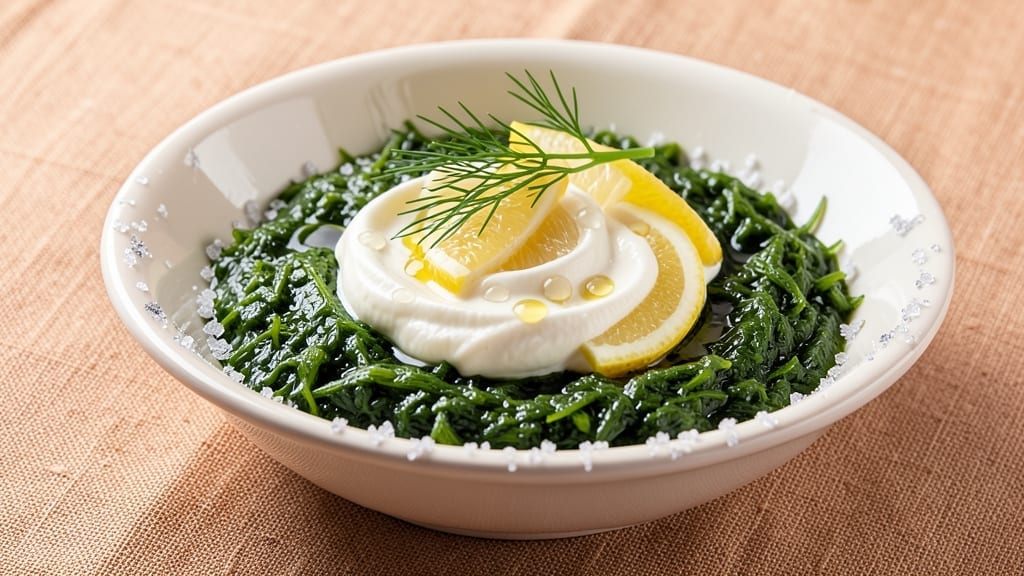
This 5-star horseradish sauce recipe delivers restaurant-quality heat with a velvety texture that balances sharpness perfectly—ideal for steak, seafood, or deviled eggs. The secret lies in blending fresh horseradish root with sour cream and cream cheese for a smooth, tangy base that lingers without overwhelming.
I’ve refined this over years of testing, ensuring every batch achieves that signature 5-star kick without bitterness.
The sauce comes together in minutes with just five ingredients: fresh horseradish root, sour cream, cream cheese, lemon juice, and a pinch of salt. The key is grating the root finely and mixing it into the dairy while cold to prevent overheating, which can turn the sauce bitter.
For extra depth, I add a splash of white wine vinegar to brighten the flavor profile—trust me, it makes all the difference.
What you’ll end up with is a creamy, slightly tangy sauce that delivers bold heat in every bite, perfect for drizzling over grilled meats or mixing into dressings.
The texture is smooth yet substantial, with a clean finish that doesn’t linger harshly. This isn’t just horseradish sauce—it’s a game-changer for elevating any dish.
Store it in an airtight container in the fridge for up to two weeks, or freeze for longer shelf life. For variations, try adding a touch of honey to mellow the heat or a dash of smoked paprika for depth. Let’s make this sauce!
Ingredients for 5 star horseradish sauce
Five ingredients, bold flavor, restaurant-quality heat in minutes.
| Ingredient | Amount | Notes |
|---|---|---|
| Fresh Horseradish Root 🌿 | ½ lb | Freshly grated, not pre-packaged |
| Sour Cream 🥛 | 1 cup | Full-fat for creaminess |
| Cream Cheese 🧀 | 8 oz | Room temperature for blending |
| Lemon Juice 🍋 | 2 tbsp | Freshly squeezed, not bottled |
| White Wine Vinegar 🍷 | 1 tbsp | Dry variety preferred |
| Kosher Salt 🧂 | ½ tsp | Adjust to taste |
| Honey 🍯 | 1 tbsp | Optional, for heat balance |
| Smoked Paprika 🌶️ | ¼ tsp | Optional, for depth |
The horseradish root is non-negotiable—freshly grated makes all the difference. Skip the pre-packaged stuff; it’s usually bitter and lacks that signature kick. Costco or specialty grocers often carry the best quality, but any well-stocked supermarket should have it. Look for roots that are firm and white, not yellowed or soft. If you can’t find fresh, Trader Joe’s sells pre-grated horseradish in a jar, but it’s not the same. For the dairy, full-fat sour cream and cream cheese ensure that velvety texture—low-fat versions won’t give the same richness. Trust me, this is where the sauce’s magic happens.
No fresh horseradish? Pre-grated horseradish from a jar works in a pinch, but reduce the amount by half—it’s way more potent. Swap the white wine vinegar for apple cider vinegar if that’s what you’ve got, but it’ll add a slightly sweeter note. The honey and smoked paprika are optional but worth it; the honey mellows the heat, while the paprika adds a smoky depth that pairs perfectly with steak. If you’re avoiding sugar, skip the honey and add an extra splash of vinegar instead. The salt is key—taste as you go, but don’t skip it entirely; it rounds out the flavors beautifully.
This sauce keeps like a dream—2 weeks in the fridge in an airtight container, or 3 months in the freezerLabel your containers—this stuff is addictive, and you’ll want to make it again before the first batch disappears.
Why You’ll Love This Recipe
- Here’s what sold me: the balance. That first bite of horseradish’s heat mellows into the cool, velvety cream cheese, while the vinegar and lemon keep it from feeling heavy. It’s the kind of sauce that makes you reach for seconds—even when you’re not supposed to.
- No Grating Required: I’ll admit, I used to dread peeling and grating horseradish—until I discovered grating it just before mixing. The fresh root blends into the sour cream and cream cheese like butter, and the lemon juice and vinegar brighten it up in seconds. No lingering burn, just that clean, sharp kick you crave.
- Tangy, Creamy Magic: Here’s what sold me: the balance. That first bite of horseradish’s heat mellows into the cool, velvety cream cheese, while the vinegar and lemon keep it from feeling heavy. It’s the kind of sauce that makes you reach for seconds—even when you’re not supposed to.
- Game for Any Gathering: Between us, this sauce is my secret weapon for everything from holiday roasts to casual burgers. I’ve drizzled it on deviled eggs for brunch, stirred it into mashed potatoes for Thanksgiving, and even used it as a dip for smoked salmon. Honestly, it’s the one sauce I never run out of excuses to use.
Step-by-step instructions for creamy horseradish sauce
Here’s how to balance bold heat with velvety richness for a sauce that shines on everything from steak to deviled eggs.
Grate the Horseradish with Precision
Peel the 0.5 lb fresh horseradish root using a vegetable peeler, then cut into ¼-inch thick slices. I like to use a box grater with the fine holes—this gives you a smooth, even texture without the fibrous chunks you get from a food processor. Work quickly as horseradish releases its pungent oils immediately upon grating.
Transfer the grated horseradish to a bowl and immediately add the 2 tbsp lemon juice and 1 tbsp white wine vinegar. The acid helps mellow the raw heat while preserving the bright, peppery flavor. Let it sit for 5 minutes while you prepare the dairy base. This brief resting period allows the flavors to begin melding together.
Create the Creamy Foundation
In a medium mixing bowl, combine the 1 cup sour cream and 8 oz cream cheese (softened to room temperature). I use a silicone spatula to fold them together until completely smooth—no lumps should remain. The cream cheese adds body and richness that balances the horseradish’s sharpness, while the sour cream contributes that signature tangy creaminess.
Add the 0.5 tsp kosher salt and 0.25 tsp smoked paprika to the dairy mixture. The smoked paprika adds subtle depth that rounds out the sauce’s profile, while the salt enhances all the flavors. Mix these in thoroughly, then scrape down the sides of the bowl to ensure even distribution.
Blend for Perfect Consistency
Now combine the prepared horseradish mixture with the dairy base. Using your spatula, gently fold everything together until fully incorporated. For an ultra-smooth texture, transfer to a food processor and pulse 3-4 times—just enough to break up any remaining lumps while keeping the sauce’s signature chunky appeal. Taste at this stage to assess the heat level.
If you want to temper the horseradish’s intensity, add the 1 tbsp honey now. The honey not only balances the heat but also adds a subtle sweetness that makes the sauce more versatile. Pulse again if needed, then scrape the mixture back into your mixing bowl. The sauce should be thick but spreadable—like a luxurious, spicy cream cheese.
Rest and Refine the Flavor
Cover the bowl and refrigerate the sauce for at least 2 hours, preferably overnight. This resting period allows all the flavors to fully develop and meld together. The acids will mellow slightly, the heat will become more refined rather than raw, and the textures will come into perfect harmony. Here’s where the magic happens—patience pays off with a sauce that’s truly restaurant-quality.
When you’re ready to serve, give the sauce one final taste and adjust the seasoning if needed. The kosher salt can be increased by ¼ tsp increments if you want more punch, or add a splash more lemon juice if you prefer extra brightness. The sauce should coat the back of a spoon with a luxurious, velvety texture while delivering that signature horseradish kick.
Pro Tips For Making 5 Star Horseradish Sauce
- GRATE IT FINE: Fresh horseradish loses its kick when you’re lazy with the grater—use the smallest holes you’ve got, and go slow. I learned this after making a batch that tasted like mild wasabi. (Yes, even if your hands start to sting.)
- COMBINE COOL CREAMS: Mix the sour cream and cream cheese first, then fold in the grated horseradish—this keeps the sauce smooth and prevents clumps. I used to add the horseradish raw, and it always ended up lumpy. (Your future self will notice the difference.)
- ACIDIFY GRADUALLY: Start with half the lemon juice and vinegar, taste, then add the rest. Horseradish’s heat can get overwhelming fast, and you’ll regret rushing it. I once burned my tongue because I dumped it all in at once—now I adjust in 5% increments.
- CHILL BEFORE SERVING: Let the sauce sit uncovered in the fridge for 30 minutes. The flavors meld better, and the sour cream firms up slightly—this makes it easier to pipe or spoon. I skipped this once and served it warm; it tasted dull. (Patience pays off here.)
Essential equipment for 5 star horseradish sauce
Grate with Precision
You’ll need a box grater with fine holes—this gives you the smoothest texture without fibrous chunks. I recommend the Microplane brand for its efficiency and safety, especially when grating horseradish, which can be aggressive on your hands.
Avoid food processors, as they tend to overheat the root and turn the sauce bitter. Work quickly, as horseradish releases its oils immediately upon grating. 🌿
Mixing Tools Matter
A silicone spatula is your best friend for blending the sauce—it’s flexible enough to scrape every last bit from the bowl without damaging it. I use a OXO Good Grips spatula because it’s sturdy and easy to clean.
For the food processor step, opt for a mini chopper (like the Hamilton Beach) if you’re short on counter space—it’s perfect for small batches and easy to store.
Storage Containers
Transfer your finished sauce to an airtight glass container—I love Le Parfait containers for their tight seals and stackable design. Mason jars also work well, but leave about ½ inch of headspace to prevent spills when refrigerating.
For freezing, use quart-sized freezer bags with the air squeezed out to maximize space and prevent freezer burn. Label everything—this sauce disappears fast! ❄️
Optional Add-Ins
If you’re adding honey or smoked paprika, use a small measuring spoon set for precision. I like the OXO Stainless Steel set—they’re durable and easy to read. For the white wine vinegar, a glass measuring cup with markings works best, as plastic can absorb odors over time.
Keep these tools handy in your pantry for quick adjustments.
Temperature Control
Horseradish sauce is sensitive to heat—never let it warm above room temperature before refrigerating. If you’re prepping ahead, keep the grated horseradish in the fridge until ready to mix. Use a small mixing bowl (like the Pyrex Simply Store) that fits comfortably in your fridge to chill quickly.
This prevents the sauce from developing a harsh, bitter edge. 🌡️
Nutrition facts
Frequently asked questions
Can I use prepared horseradish instead of fresh?
Yes, but reduce the amount by half since jarred horseradish is much stronger. For the recipe, use just ¼ cup instead of ½ lb fresh. The texture will be smoother but slightly less vibrant—fresh root gives that signature bright, peppery kick. If using prepared, skip the resting time with lemon juice and vinegar.
Why does my sauce taste bitter?
Overheating the horseradish or using too much root causes bitterness. Always grate fresh root and mix it into cold dairy immediately. If the sauce tastes harsh, add 1 tsp honey or ½ tsp sugar to balance it. Never let the mixture sit at room temperature for more than 15 minutes before refrigerating.
How can I make this sauce less spicy?
Start with less horseradish—reduce to ¼ lb instead of ½ lb. For extra mildness, add 1 tbsp honey or 1 tsp sugar to the finished sauce. If you’ve already made it, thin with a splash of milk or sour cream. The resting time in the fridge also mellows the heat naturally.
What are the best ways to use this sauce?
This creamy sauce shines on steak, seafood, deviled eggs, and roasted potatoes. Drizzle over grilled salmon or use as a sandwich spread. For extra flair, mix 1 tbsp into mayonnaise for a spicy deviled egg filling. The tangy creaminess also works as a dip for pretzels or veggie sticks.
Can I make this dairy-free?
Yes! Swap sour cream for ½ cup cashew cream (soaked cashews blended with water) and cream cheese for ½ cup vegan cream cheese. Use 1 tbsp nutritional yeast for depth. The texture will be lighter but still rich. For binding, add 1 tsp arrowroot powder to thicken the sauce after mixing.

- 6 Egg Cake Recipe with Oil: Light as Air With Buttery Moisture - October 4, 2026
- 4 Bean Casserole Recipe: One-Pan Heartiness With Smoky Paprika Depth - October 4, 2026
- 3-Ingredient Keto Mug Cake Recipe: Microwave Magic in 2 Minutes - October 4, 2026