
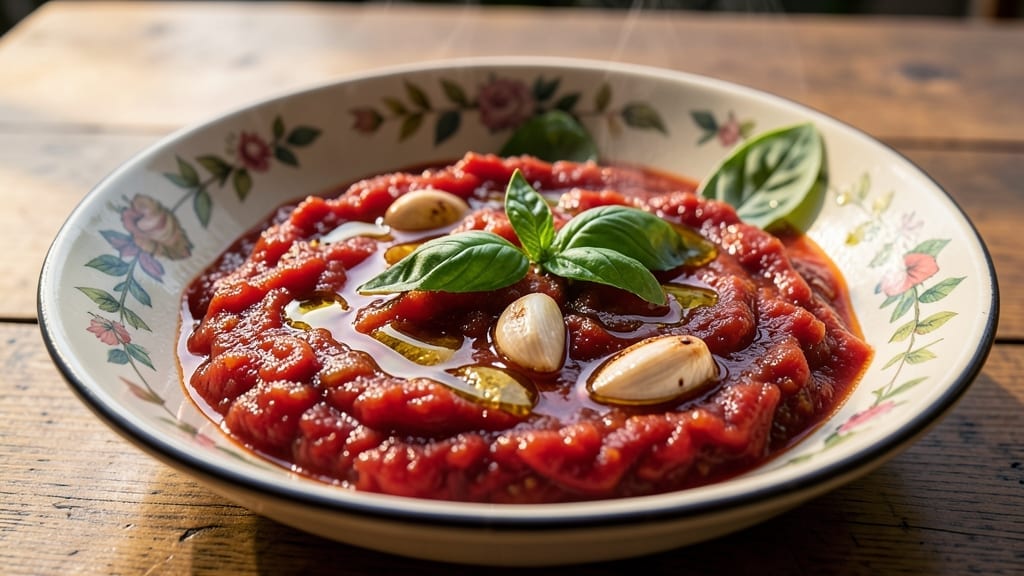
Creating a 5-star tomato sauce that rivals restaurant-quality is simpler than you think—no canned aftertaste here. The secret lies in slow simmering, balanced acidity, and a touch of umami magic that transforms basic ingredients into something extraordinary.
This isn’t your grandmother’s sauce; it’s rich, complex, and built to shine under any pasta, pizza, or meatball.
What sets this sauce apart is the technique: a simple 30-minute simmer that develops deep flavor without burning. We’ll use fresh tomatoes, aromatic herbs, and a splash of vinegar to brighten the acidity—no shortcuts, just layers of taste.
The result? A velvety, well-balanced sauce with just the right tang and sweetness, perfect for elevating any dish.
This sauce delivers restaurant-quality depth with minimal effort—just a few pantry staples and patience. The slow cook transforms canned tomatoes into something luxurious, while optional additions like garlic, onions, or even a splash of red wine add versatility.
Whether you’re making a classic marinara or a heartier meat sauce, the foundation is foolproof.
Store it for up to a week in the fridge or freeze for months—because once you taste homemade, you’ll never go back. Let’s build this sauce that’ll have everyone asking for seconds.
Ingredients for 5 star tomato sauce
Pantry staples meet umami magic—just 11 ingredients for sauce with restaurant-level depth.
| Ingredient | Amount | Notes |
|---|---|---|
| San Marzano Whole Canned Tomatoes 🍅 | 28 oz | Crushed by hand for texture |
| Extra-Virgin Olive Oil 🫒 | ½ cup | High-quality, fruity variety |
| Yellow Onion 🧅 | 1 whole | Finely diced, about 1 cup |
| Garlic Cloves 🧄 | 4 cloves | Minced for aromatic depth |
| Fresh Basil Leaves 🌿 | ½ cup | Packed, stems removed |
| Red Wine Vinegar 🍷 | 1 tbsp | Brightens acidity balance |
| Dried Oregano 🍃 | 1 tsp | Mexican oregano preferred |
| Sea Salt 🧂 | 1 ½ tsp | Diamond Crystal preferred |
| Black Pepper 🌶️ | ½ tsp | Freshly cracked preferred |
| Sugar 🍚 | 1 tsp | Balances acidity subtly |
| Dry Red Wine 🍷 | ¼ cup | Bold Cabernet or Merlot |
San Marzano tomatoes are non-negotiable here—their sweetness and low acidity create the perfect base. Trader Joe’s and Whole Foods carry them year-round, and the whole cans are worth the extra effort to crush by hand (no blender needed). The olive oil should be fruity and peppery, like California Early Harvest—it carries the flavors. For the garlic, roast it first for 10 minutes at 400°F if you want to take it to the next level (trust me, it’s worth it). The basil? Harvest it early morning when the oils are most concentrated, or grab it from the grocery store’s refrigerated section—it’ll keep for days if wrapped in damp paper towels.
No red wine? Substitute with an extra 0.25 cup beef broth—it adds umami without altering the flavor profile. Running low on fresh basil? Dried oregano at half the amount works in a pinch, but the texture won’t be the same. The sugar might seem odd, but it’s crucial for balancing the vinegar’s sharpness—brown sugar works too, though it’ll add a caramel note. For the onions, caramelize them first until deep golden for extra depth, or skip to 3 minutes in the recipe if you’re short on time. The vinegar is key—apple cider vinegar adds a fruity twist if you prefer that over red wine vinegar.
This sauce only gets better with time—simmer for 30 minutes minimum, but 1 hour is ideal. Store in airtight containers for up to 1 week in the fridge, or freeze in ice cube trays for 6 months. Label with dates! The wine adds richness, so if you’re making a big batch, freeze it in portions—thaw overnight in the fridge before reheating. Leftovers? Toss them into scrambled eggs, use as a marinade, or drizzle over grilled cheese. Every drop is delicious.
Why You’ll Love This Recipe
- No-Chop Nightmare: I swear by this sauce because it’s the only one where I don’t even bother dicing the onion—just slice it thick, sear it in that golden olive oil, then let it caramelize while I crush the garlic. The San Marzano tomatoes do all the work after that, simmering into something rich without a single knife scrape.
- Umami Bomb: That first taste of the sauce—where the sweetness of the San Marzano tomatoes meets the sharp garlic and bright basil—is like a flavor hug. Honestly, I’ll make this just to eat it with crusty bread, and it’s still my go-to for pasta because it actually tastes like summer in a jar.
- Pantry to Party: This sauce is my secret weapon for last-minute gatherings. Toss it with pasta for a weeknight dinner, dollop it over grilled chicken for a Sunday lunch, or even use it as a marinade for steak. The beauty? It’s always better the second day, so you can prep it ahead and still impress.
- Budget Magic: A single can of San Marzano tomatoes and a handful of pantry staples stretch into meals for days. I’ve fed a family of four for under $10 with this sauce—pasta, pizza, even stuffed peppers—without breaking the bank. Plus, the leftovers? They’re the reason I don’t stress about cooking on busy days.
Step-by-step instructions for crafting umami-rich tomato sauce
Let’s build a sauce so vibrant it makes canned flavors a distant memory.
Crush the Tomatoes for Maximum Flavor
Open the 28 oz San Marzano whole canned tomatoes and carefully crush them by hand using your fingers or a wooden spoon. I avoid metal utensils—they can oxidize the delicate tomato flesh. You want a mix of whole tomatoes and crushed pieces, about ½-inch to 1-inch in size. This texture creates depth in the sauce as it simmers.
Transfer the crushed tomatoes to a large, heavy-bottomed pot. The San Marzano variety is key here—its natural sweetness and low acidity create a balanced sauce without needing excessive sugar. Don’t skip this crushing step; it releases the tomatoes’ natural juices and develops flavor more quickly than pre-crushed canned tomatoes.
Sauté Aromatics in Olive Oil
Heat the 0.5 cup extra-virgin olive oil over medium-low heat in the same pot. Add the finely diced yellow onion and cook for 5-6 minutes until soft and translucent. The oil should shimmer but not smoke—if it darkens, reduce the heat slightly.
Add the 4 minced garlic cloves and cook for another 30 seconds until fragrant. Here’s where the magic happens: the garlic should be golden but not browned. Overcooking turns garlic bitter, and we want that sweet, mellow flavor to shine through in the finished sauce.
Build the Sauce Foundation
Pour in the 0.25 cup dry red wine and scrape up any browned bits from the bottom of the pot. This deglazing step captures all the flavor you’ve built so far. Let the wine simmer for 3-4 minutes until it reduces by about half and the alcohol cooks off completely.
Add the 1 tbsp red wine vinegar, 1 tsp dried oregano, 1.5 tsp sea salt, 0.5 tsp black pepper, and 1 tsp sugar. Stir well to combine. The vinegar brightens the sauce while the sugar subtly balances the acidity. This is the moment where all the flavors marry—let it simmer for 2 minutes to let the spices bloom.
Simmer for Deep Flavor Development
Pour the crushed tomatoes over the aromatics and stir gently to combine. Bring the mixture to a gentle simmer over medium-low heat. Here’s the crucial part: let it cook uncovered for 45-60 minutes, stirring occasionally. You’re looking for a sauce that thickens slightly and develops a rich, glossy texture.
I like to taste the sauce halfway through cooking. If it needs more depth, add a pinch of salt or a splash of water. The sauce should reduce enough that it coats the back of a spoon but still has a silky consistency. The longer it simmers, the more concentrated the flavors become—this is where the umami develops.
Finish with Fresh Basil and Rest
Remove the pot from heat and stir in the 0.5 cup fresh basil leaves. The basil should be packed and stems removed—this ensures you get the maximum flavor without any bitterness. Let the sauce sit off heat for 10 minutes to allow the flavors to meld completely.
Taste and adjust seasoning if needed. The sauce should be bright, balanced, and full of layered flavors—sweet from the tomatoes, savory from the wine and garlic, and fresh from the basil. Serve immediately over pasta, or store in an airtight container in the refrigerator for up to 5 days. The flavors will only continue to develop as it rests.
Pro Tips For Making 5 Star Tomato Sauce
- CRUSH THE TOMATOES FIRST: San Marzano whole tomatoes need a good smash—don’t just halve them. Use your fingers to crush them into rough chunks (yes, even the stems) so the sauce thickens faster and develops deeper flavor. I learned this the hard way after staring at watery sauce for 45 minutes wondering why it wasn’t coming together.
- SWEAT THE ONIONS LOW AND SLOW: High heat turns onions bitter, and that’s the last thing you want in a delicate tomato sauce. Cook them over medium-low with a splash of water until they’re translucent but not browned—about 8-10 minutes. The goal is to soften them without caramelizing, so they melt into the sauce without overpowering it.
- SALT THE TOMATOES BEFORE SIMMERING: Add a generous pinch of salt (about ½ teaspoon) to the crushed tomatoes before they hit the pot. This draws out moisture and concentrates their flavor, making the sauce richer and more balanced. Skip this, and you’ll end up with a sauce that tastes flat no matter how long you simmer it.
- RESERVE HALF THE BASIL FOR FINISHING: Fresh basil loses its bright aroma when cooked too long. Tear half the leaves into the sauce at the end, but save the rest to fold in right before serving—this keeps the flavor vibrant. I used to add all the basil at once and wondered why my sauce never tasted as good as restaurant versions.
Serving suggestions for leftovers
Pasta Pairings
This sauce is a match made in heaven with al dente spaghetti or bucatini, but don’t stop there. Try it with penne rigate for extra grip on those ridges, or fettuccine for a classic Italian feel.
I love tossing it with whole wheat or chickpea pasta for added texture and protein. For a heartier option, serve it over baked ziti or lasagna—just reduce the sauce slightly to create a thicker, cheesier finish. 🍝
Pizza Perfection
Transform your homemade pizza night with this sauce as the star. Spread a thin layer on your dough before adding toppings, or brush it lightly on the crust for a garlic bread effect.
I recommend using it on Neapolitan-style pizza with fresh mozzarella, basil, and a drizzle of extra-virgin olive oil. For a meat lover’s twist, add crumbled pancetta or pepperoni and bake until bubbly. The sauce’s bright acidity cuts through the richness beautifully. 🍕
Meatball Magic
Elevate your meatballs with this sauce by simmering them directly in it for the last 15-20 minutes of cooking. The sauce will absorb their flavors while infusing them with its own depth. Serve with crusty bread or over mashed potatoes for a comforting meal.
For extra richness, top with grated Parmesan and a sprinkle of red pepper flakes. I also love using it as a dipping sauce for homemade mozzarella sticks—the tangy-sweet balance is irresistible. 🥩
Grilled & Roasted Dishes
Don’t limit this sauce to pasta and pizza! Use it as a marinade for grilled chicken or steak by brushing it on before cooking. The acidity tenderizes the meat while adding flavor. Drizzle it over roasted vegetables like zucchini, bell peppers, or eggplant for a quick, flavorful side.
Even grilled shrimp gets a gourmet upgrade with a light coating of this sauce. The possibilities are endless—let your creativity flow! 🌶️
Breakfast Twist
Yes, you read that right—this sauce isn’t just for dinner! Stir a spoonful into scrambled eggs or omelets for a savory breakfast boost. Toss it with sautéed mushrooms and goat cheese on toasted sourdough for a brunch masterpiece.
Even a simple fried egg on toast becomes a gourmet meal with a drizzle of this sauce. It’s the perfect way to repurpose leftovers into something exciting. 🍳
Nutrition facts
Frequently asked questions
Why is San Marzano tomato the best choice for this sauce?
San Marzano tomatoes have a naturally sweet, low-acid profile that creates a perfectly balanced sauce without needing extra sugar or salt. Their thick, meaty texture also holds up better during long simmering, preventing a watery consistency. Plus, their flavor is consistently rich—unlike regular canned tomatoes that can taste bland or metallic.
Can I make this sauce without red wine?
Replace the 0.25 cup red wine with 0.25 cup beef broth for umami depth or 0.25 cup tomato paste mixed with 0.25 cup water for a richer base. The wine adds complexity, but these substitutes work well for vegetarian or wine-free versions. The key is maintaining the same 3-4 minute reduction time to develop flavor.
How do I fix a sauce that’s too acidic?
If your sauce tastes overly tangy, balance it by adding 1 tsp sugar or 1 tsp honey to sweeten the acidity. For a savory fix, stir in 1 tbsp tomato paste or a pinch of salt to round out the flavors. Simmer for 5 more minutes to let the adjustments meld. Taste as you go—this sauce should be bright, not sour!
What’s the secret to getting that glossy, restaurant-quality texture?
The gloss comes from a combination of long simmering (45-60 minutes) and a high-quality olive oil base. After simmering, stir in 1 tbsp olive oil at the end for extra richness. For an instant shine, whisk in 1 tsp cornstarch mixed with 1 tbsp water off heat—it thickens without altering flavor. Let it rest 10 minutes before serving to develop that velvety finish.
How far ahead can I make this sauce?
This sauce actually improves with time—store it in an airtight container in the fridge for up to 5 days or freeze for 6 months. The flavors deepen as it rests! For best results, reheat gently on low heat, stirring occasionally. If it thickens too much, thin with 1-2 tbsp water or broth. The longer it sits, the more complex it becomes.

- 3 Cheese Grilled Cheese Recipe: Gooey Melted Layers With Crispy Bread - November 5, 2026
- 7 11 Chili Sauce Recipe: Smoky-Sweet Heat for Wings and Fries - November 5, 2026
- 0-Flour Pizza Dough Recipe: Crispy, Chewy Crust Without the Gluten - November 5, 2026