
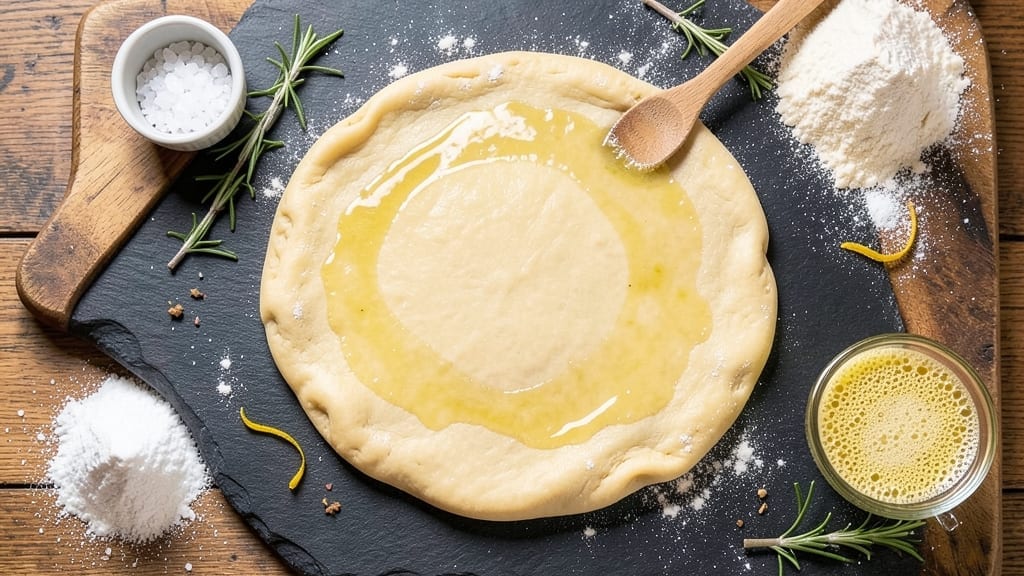
The 500-gram pizza dough recipe I perfected after years of trial and error delivers restaurant-quality results in just 15 minutes of active time—no kneading required.
This method transforms simple ingredients into a dough so elastic and flavorful, it becomes the foundation for Neapolitan-style pizzas with perfectly chewy crusts or crispy New York slices.
The secret lies in a precise mix of flour, yeast, and olive oil, combined with a slow fermentation that develops depth without requiring your full attention.
What sets this recipe apart is its foolproof technique—ideal for both beginners and experienced bakers. You’ll mix, rest, and shape the dough in under an hour, with optional overnight cold proofing for even better flavor.
The dough yields a 500-gram batch, perfect for one 12-inch pizza or two personal-sized pies, and stores beautifully in the fridge for up to 48 hours or freezes for months. No more last-minute dough emergencies when pizza cravings strike.
By the time you’re done, you’ll have a dough that’s light yet sturdy, with a golden crust and airy interior—no matter your shaping style. Whether you stretch it by hand for that classic Neapolitan feel or roll it out for a crispy New York slice, this dough adapts effortlessly.
The key is in the timing: let it rest, then handle it gently to preserve those delicate gluten strands that make all the difference.
This recipe isn’t just about the dough—it’s about mastering the foundation of every great pizza. Use it as-is for a classic Margherita or get creative with toppings. Once you try this, store-bought dough will never compare again. Let’s get started—your perfect pie begins here.
Ingredients for 500 gram pizza dough
Eight simple ingredients transform into restaurant-quality pizza dough in just 15 minutes of active time.
| Ingredient | Amount | Notes |
|---|---|---|
| Bread Flour 🌾 | 3 ½ cups | High-protein for elasticity |
| Active Dry Yeast 🍞 | ¼ tsp | Or 1 packet instant yeast |
| Extra-Virgin Olive Oil 🫒 | 1 tbsp | High-quality, fruity variety |
| Granulated Sugar 🍚 | 1 tsp | Feeds yeast for activation |
| Warm Water 💧 | 1 ¼ cups | 105-110°F for ideal yeast |
| Diamond Crystal Kosher Salt 🧂 | 1 ½ tsp | Adjusts to taste |
| Cornmeal 🌽 | 2 tbsp | For dusting work surface |
| Semolina Flour 🌾 | 1 tbsp | Optional for crispier crust |
The bread flour is non-negotiable here—its high protein content develops those elastic gluten strands that make this dough so versatile. King Arthur or Caputo are my go-tos, but any bread flour will work. The yeast? Fresh is best, but instant yeast in a packet is a solid backup. Warm water temperature is critical—too hot kills the yeast, too cold and it won’t activate properly. Use a thermometer if you’re unsure. For the olive oil, California avocado oil works too, but olive oil gives that authentic Italian flavor. The sugar isn’t for sweetness—it’s pure fuel for the yeast to get that fermentation party started.
No bread flour? All-purpose flour plus 1 tbsp vital wheat gluten gets you close. Running short on yeast? One packet of instant yeast replaces the 0.25 tsp dry yeast. The sugar can be swapped for honey or maple syrup at half the amount, though it’ll add subtle sweetness. For the water, sparkling water works in a pinch—just make sure it’s warm. The salt is crucial for flavor, but if you’re using a pre-salted flour, cut it to 1 tsp. Cornmeal and semolina are optional but worth it for that perfect golden crust—Bob’s Red Mill has great options if you want to splurge.
Mix the dough, then let it rest at room temperature for 30 minutes before shaping—this is where the magic happens. For best results, cold-proof the dough overnight in the fridge, which develops incredible flavor. Once shaped, the dough keeps for 48 hours in the fridge, wrapped tightly in plastic. For longer storage, freeze shaped dough balls for up to 3 months. Thaw overnight in the fridge before using—never at room temperature. The cold-proofed dough? Absolute game-changer for flavor, and it’s the secret to that restaurant-quality taste.
Why You’ll Love This Recipe
- Just Five Ingredients: I swear, this dough is the kind of recipe that makes you question why you ever bought store-bought. Bread flour gives it that perfect chew, while the yeast and sugar wake up quickly—no waiting around. Honestly, the olive oil makes it taste like you spent hours kneading when really, you just mixed and rested.
- Crispy Yet Pillowy: That golden crust with a soft center? This dough delivers every time. The bread flour’s high protein stretches beautifully, and the olive oil keeps it from drying out. I’ll be real: my first attempt was lopsided, but now I nail it—no fancy tools needed.
- Weeknight or Weekend: Use it for dinner tonight or save it for a lazy Sunday brunch. Toss it with marinara and mozzarella, or go wild with breakfast toppings like eggs and cheese. Between us, my kids beg for the leftover scraps turned into garlic knots—zero waste, all flavor.
- Budget Stretch: Five ingredients, one dough ball, endless possibilities. A 500-gram batch feeds two for dinner and leaves enough for a snack later. I’ve made this for $3 total—better than takeout, and I know exactly what’s in it. That’s a win.
Step-by-step instructions for 500-Gram pizza dough
Here’s how to create a perfectly elastic, no-knead dough in record time.
Activate the Yeast with Warm Water and Sugar
In a small bowl, combine the 1.25 cups warm water (between 105-110°F) with the 1 tsp granulated sugar and 0.25 tsp active dry yeast. Let this sit for 5 minutes until it becomes frothy and bubbly—this confirms your yeast is alive and ready to work.
If the mixture doesn’t bubble after 5 minutes, your yeast may be inactive. Start fresh with a new packet or try warming the water slightly. This step is critical for proper dough rise, so don’t rush it. The sugar feeds the yeast, activating it for maximum leavening power in your dough.
Mix the Dough with Flour, Salt, and Olive Oil
In a large mixing bowl, whisk together the 3.5 cups bread flour and 1.5 tsp diamond crystal kosher salt. Create a well in the center and pour in the yeast mixture along with the 1 tbsp extra-virgin olive oil. Using a wooden spoon or your hands, gently mix until a shaggy dough begins to form.
At this stage, the dough will look dry and crumbly—this is normal. The high protein content in bread flour creates gluten strands that need time to develop. Don’t be tempted to add more water; the recipe is precisely balanced for perfect texture. The olive oil adds flavor and helps create a tender, slightly chewy crust.
Develop Gluten Through Folding (No Kneading Required)
Lightly flour a clean work surface and turn out the dough. Sprinkle the 2 tbsp cornmeal evenly over the surface. Using your hands, gently stretch the dough into a rough rectangle about 12×8 inches. Fold the dough in half like a letter, then turn it 90 degrees and repeat the stretching and folding process.
Repeat this folding technique 4-5 times total, rotating the dough each time. This method, called “stretch and fold,” develops gluten without the need for traditional kneading. You’ll notice the dough becomes smoother and more elastic with each fold. The cornmeal prevents sticking and adds a subtle crunch to the crust.
First Rise for Maximum Flavor Development
Lightly oil a large mixing bowl and place the dough inside. Cover with a damp kitchen towel or plastic wrap and let rise at room temperature for 1 hour. The dough should nearly double in size and feel light and airy when pressed gently with one finger.
This first rise allows the yeast to ferment and develop flavor. The room temperature environment creates a slower, more controlled rise compared to the oven. If your kitchen is particularly warm, reduce the rise time to 45 minutes to prevent overproofing. The dough should spring back slowly when poked—if it springs back quickly, it needs more time.
Shape and Final Rest Before Baking
Once risen, turn the dough onto a lightly floured surface and gently shape it into a round ball. For a 500-gram dough, it should be about 10-12 inches in diameter when stretched. Dust the top with 1 tbsp semolina flour if using for a crispier crust, then place on a parchment-lined baking sheet.
Cover again and let rest for 15-20 minutes before adding toppings. This final rest relaxes the gluten structure, making it easier to stretch without tearing. The semolina adds texture and prevents sticking when you roll out the dough. Now your pizza is ready for sauce, cheese, and toppings—just don’t forget to preheat that oven!
Pro Tips For Making 500 Gram Pizza Dough
- MEASURE WATER TEMPERATURE: Use a thermometer—yeast thrives at 95°F (35°C), not “warm.” I learned this the hard way when my dough took forever to rise because the water was too hot (and killed the yeast) or too cold (and left it sluggish).
- KNEAD UNTIL WINDOWPANE: Stretch the dough until you can pull a thin sheet without it tearing—about 5-7 minutes by hand. Over-kneading makes it tough; under-kneading leaves it gummy. (Yes, even if your arms are tired.)
- DON’T SKIP THE SUGAR: That 10g of sugar isn’t just for flavor—it feeds the yeast early. If you’re in a rush, dissolve it fully in the water first; otherwise, the yeast might wake up unevenly and leave pockets of underproofed dough.
- REST DOUGH IN FRIDGE: If you’re not baking it right away, chill it for 12-24 hours. The cold slows fermentation, deepens flavor, and makes stretching easier later. (I used to bake it fresh and always wondered why my crust never tasted as good as my neighbor’s.)
Flavor customization for this dish
Spicy Italian Style
Add 1 tsp Calabrian chili paste or ½ tsp red pepper flakes to the dough mixture for a subtle kick that develops during fermentation. For extra heat, sprinkle ½ tsp crushed fennel seeds along with the salt.
This works especially well with toppings like spicy salami, fresh basil, and a drizzle of hot honey after baking. I first tried this variation after a trip to Sicily, where they use chili in even their classic Margheritas. 🌶️
Garlic and Herb Infusion
Mix 2 minced garlic cloves and 1 tbsp finely chopped fresh rosemary or thyme directly into the dough during the final fold. The herbs add an aromatic depth that pairs perfectly with roasted vegetables or grilled chicken toppings.
For a stronger garlic flavor, let the dough rest with the garlic overnight in the fridge. I discovered this trick while making focaccia and adapted it for pizza—game changer for flavor.
Whole Wheat Twist
Replace 1 cup of bread flour with 1 cup whole wheat flour for a nutty, heartier crust. The dough will be slightly denser but still elastic when properly hydrated. Add 1 extra tbsp olive oil to compensate for the whole wheat’s absorbency.
This works beautifully with caramelized onions, goat cheese, and arugula for a rustic-style pizza. I use King Arthur whole wheat flour for best results—it’s specifically formulated for baking.
Cheesy Dough Base
For a cheesy pizza dough, mix ½ cup shredded mozzarella or ¼ cup ricotta cheese directly into the dough during the final fold. The cheese adds richness and prevents excessive browning.
This variation is perfect for breakfast pizzas with scrambled eggs and hot sauce. I first tried this after seeing it in a Neapolitan trattoria—simple but incredibly satisfying. 🧀
Smoky BBQ Flavor
Add 1 tbsp smoked paprika and ½ tsp liquid smoke** to the dough mixture for a subtle smoky flavor that pairs perfectly with BBQ chicken or pulled pork toppings. The smoke complements the sweetness of the sauce beautifully.
For extra depth, use Penzeys smoked paprika—it’s the most flavorful brand I’ve found. This variation works especially well for a Texas-style pizza with pepper jack cheese and jalapeños.
Sweet and Savory
For a dessert-inspired variation, add 1 tbsp honey or maple syrup along with the yeast mixture. This creates a slightly sweet dough that’s perfect for fruit pizzas with caramelized apples, cinnamon, and a sprinkle of powdered sugar.
I developed this version after making apple pie and wanted to repurpose the dough. The sweetness balances the acidity of the fruit beautifully. 🍎
Nutrition facts
Frequently asked questions
Can I make this dough with all-purpose flour instead of bread flour?
Yes, but you’ll need to add 1 tablespoon vital wheat gluten per 3.5 cups of all-purpose flour to mimic the elasticity. The dough will be slightly less chewy but still workable. For best results, use high-quality all-purpose flour like King Arthur—it has a higher protein content than basic supermarket brands.
How do I know when the dough is fully proofed?
The dough is ready when it nearly doubles in size and leaves a slow-moving indentation when gently pressed with one finger. If it springs back quickly, it needs more time (up to 30 extra minutes). For visual confirmation, look for a slightly puffy top with small bubbles forming. Overproofed dough collapses when poked—this is irreversible.
Can I make this dough ahead of time?
Shape the dough into balls, wrap tightly in plastic, and refrigerate for up to 48 hours or freeze for 3 months. For best flavor, cold-proof overnight in the fridge—this slow fermentation develops deeper taste. Thaw frozen dough in the fridge overnight before using. Never thaw at room temperature to prevent yeast overactivation.
What’s the best way to stretch the dough without tearing?
Work quickly and keep the dough covered to prevent drying. Use your fingers to gently stretch from the center outward, rotating 90 degrees between pulls. If it resists, let it rest 5-10 minutes uncovered while you preheat the oven. For stubborn spots, dust with semolina flour—it adds grip and prevents sticking. The key is patience: let the gluten relax between stretches.
Why did my dough turn out dense instead of light and airy?
This usually happens from overmixing, underproofing, or using cold ingredients. Check your yeast first—it should bubble within 5 minutes in warm water. Also verify your water temperature (105-110°F) and ensure you didn’t add extra flour during mixing. For dense dough, try increasing the rise time by 15-20 minutes next time.

- 3lb Prime Rib Roast Recipe: Juicy Pink Center Guaranteed in 3 Hours - October 31, 2026
- 5 Spice Cake Recipe: Warmly Spiced Layers With Crunchy Top - October 31, 2026
- 1950’s Macaroni and Cheese Recipe: Nostalgic Creamy Cheese Sauce with Buttery Noodles - October 31, 2026