
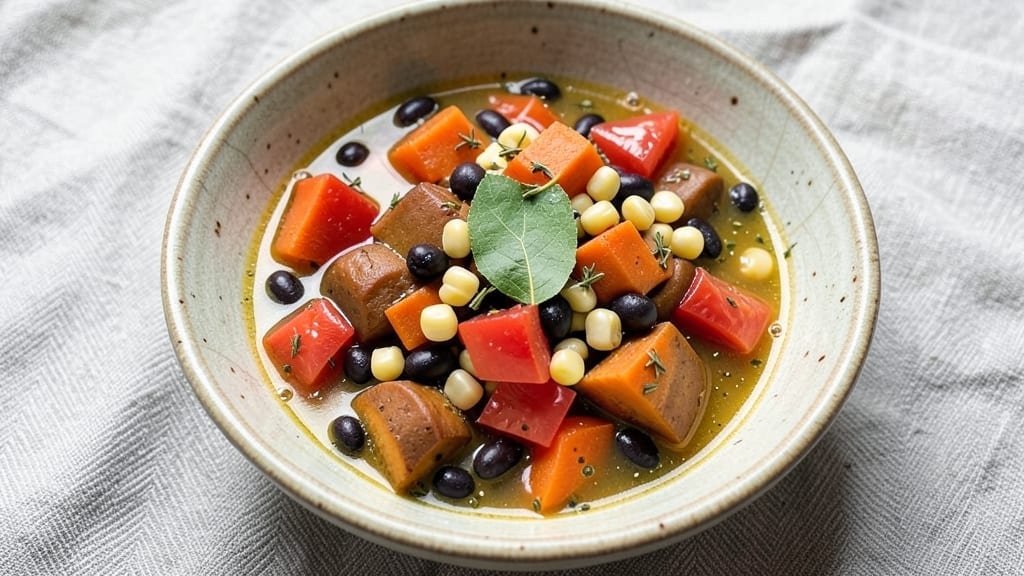
Transforming six cans of pantry staples into a rich, hearty vegetable soup proves that comfort food doesn’t require fresh ingredients or complicated techniques. This one-pot wonder delivers restaurant-quality depth with minimal effort, using ingredients you likely already have on hand.
The secret lies in balancing canned vegetables, broth, and seasonings to create a soup that’s both budget-friendly and deeply satisfying—perfect for busy weeknights or meal prep.
The beauty of this recipe is its versatility and simplicity. You’ll simmer canned beans, tomatoes, corn, carrots, and more with aromatics and spices until every ingredient melds into a cohesive, flavorful broth.
The result is a soup with tender vegetables, hearty texture, and layers of savory, slightly sweet notes that linger long after the last spoonful. No chopping, no peeling—just open, pour, and simmer.
What makes this 6-can vegetable soup truly special is how it elevates humble pantry ingredients into something extraordinary. The slow simmer allows flavors to develop and deepen, while optional garnishes like fresh herbs or a squeeze of lemon add brightness.
It’s the kind of meal that feels indulgent without the fuss—ideal for feeding a crowd or stretching leftovers into lunches for days.
This recipe scales effortlessly, so you can double or halve it without sacrificing flavor. Whether you’re stocking your freezer for winter or whipping up dinner on a Tuesday, this foolproof method ensures a bowl of warmth and satisfaction every time. Let’s get cooking!
Ingredients for 6 can vegetable soup
Six cans of pantry staples transform into a deeply satisfying, one-pot vegetarian masterpiece.
| Ingredient | Amount | Notes |
|---|---|---|
| Vegetable Broth 💧 | 4 cups | Low-sodium preferred for flavor control |
| Diced Tomatoes (Canned) 🍅 | 1 can | San Marzano tomatoes for best flavor |
| Black Beans (Canned) 🌱 | 1 can | Drained and rinsed thoroughly |
| Corn Kernels (Canned) 🌽 | 1 can | Drained, preferred over frozen |
| Carrots (Canned) 🥕 | 1 can | Diced, no salt added |
| Sweet Potatoes (Canned) 🍠 | 1 can | Diced, preferred over fresh |
| Yellow Onion 🧅 | 1 whole | Medium size, diced finely |
| Garlic Cloves 🧄 | 3 cloves | Freshly minced for aromatic depth |
| Celery Stalks 🥬 | 2 whole | Diced, preferred fresh-cut |
| Olive Oil 🫒 | 2 tbsp | Extra-virgin for richness |
| Dried Thyme 🌿 | 1 tsp | Or 1 tbsp fresh thyme leaves |
| Bay Leaves 🌿 | 2 whole | Dried, removed before serving |
| Salt 🧂 | 1 ½ tsp | Diamond Crystal kosher preferred |
| Black Peppercorns 🌶️ | ½ tsp | Freshly cracked for best flavor |
| Lemon Juice 🍋 | 1 tbsp | Freshly squeezed for brightness |
The foundation of this soup lies in the quality of your broth and canned vegetables. Low-sodium vegetable broth gives you control over seasoning, while San Marzano tomatoes deliver unmatched sweetness and acidity. For the beans, corn, and carrots, Muir Glen or Del Monte brands consistently deliver the best texture—avoid the mushy, overly salted varieties. The sweet potatoes add natural sweetness and creaminess without requiring fresh ingredients. Yellow onions should be firm and free of sprouts, while garlic cloves should be plump and unblemished. Celery stalks should be crisp with vibrant green tops. If you’re using frozen vegetables, thaw and drain them well before adding to the pot.
No San Marzano tomatoes? Any high-quality canned diced tomatoes work—just taste and adjust seasoning accordingly. Swapping canned sweet potatoes for fresh roasted sweet potatoes (about 1.5 cups cubed) adds texture but requires extra prep time. For a smokier profile, add 1/2 tsp smoked paprika to the aromatics. The thyme can be substituted with 1 tsp dried oregano if unavailable, though fresh thyme offers a more complex flavor. If you’re sensitive to acidity, reduce the lemon juice to 1/2 tbsp or omit entirely. For a creamier finish, stir in 1/4 cup coconut milk** at the end, though the soup remains delicious without it.
This soup tastes even better the next day as flavors meld together. Store in an airtight container in the refrigerator for up to 5 days or freeze for 3 months. For freezing, portion into individual containers for easy reheating. To revive texture after reheating, stir in a splash of water or broth. The aromatics (onion, garlic, celery) can be prepped ahead and stored in the fridge for 3 days** in a sealed container. The canned ingredients keep indefinitely in your pantry, making this a perfect make-ahead meal for busy schedules.
Why You’ll Love This Recipe
- Pantry Magic: I swear by this one—open six cans, dump them in, and boom. No chopping, no peeling, no standing over a stove for hours. The canned carrots? They soften just enough to melt into the broth without turning to mush.
- Sweet-Savory Balance: That little burst from the diced tomatoes and the earthy black beans? It’s chef’s kiss. The corn adds a buttery pop, and the broth ties it all together—rich but never heavy. Honestly, it’s the kind of soup that makes you want to lick the bowl.
- Lunchbox Hero: Between us, this is my go-to for packed lunches. Cold or reheated, it’s still solid—just add a sprinkle of cheese or hot sauce when you’re ready. Kids? They’ll eat it. Pickier eaters? They’ll still ask for seconds. (Yes, even on a Tuesday night.)
- Budget Win: Six cans for a pot of soup that feeds four? That’s less than $3 a serving. No fancy ingredients, no waste, and leftovers taste just as good three days later. My wallet and my freezer both thank me every time.
Step-by-step instructions for pantry vegetable soup
Transform simple pantry staples into a rich, balanced soup with layers of flavor and texture.
Sauté the Aromatic Base
Heat the 2 tablespoons olive oil in a large pot over medium heat. Add the diced yellow onion, diced celery stalks, and minced garlic cloves, stirring occasionally for 5-6 minutes until the vegetables soften and the garlic becomes fragrant.
This foundational step develops the soup’s depth. The onions should turn translucent while the celery maintains some structure. If the vegetables start to brown too quickly, reduce the heat slightly to prevent burning. Here’s the thing—properly sautéed aromatics form the flavor backbone of the entire soup.
Add Herbs and Liquids
Stir in the 1 teaspoon dried thyme and 2 whole bay leaves, letting them toast in the pot for 30 seconds until you can smell their aromatic oils releasing. Pour in the 4 cups vegetable broth and bring to a gentle boil over high heat. Once boiling, reduce to a simmer and add the 1 can diced tomatoes (with juices).
This is where the soup begins to come together. The broth should bubble steadily but not vigorously—medium-low heat is ideal. The tomatoes will break down slightly, releasing their natural sweetness and acidity that balances the earthy vegetables. Keep the lid slightly ajar to allow some steam to escape, preventing a hard crust from forming.
Incorporate the Canned Vegetables
Add the 1 can black beans (drained and rinsed), 1 can corn kernels (drained), 1 can carrots (diced), and 1 can sweet potatoes (diced) to the simmering pot. Stir gently to combine, then return to a simmer. Cook uncovered for 15-20 minutes, stirring occasionally, until all vegetables are heated through and the flavors meld.
Watch for the soup to develop a rich, golden hue from the caramelizing vegetables. The black beans should be fully heated through and the sweet potatoes should soften slightly but maintain their shape. This stage is where the soup’s texture begins to develop—each vegetable contributes its unique character while the broth absorbs their flavors.
Season and Finish
Season the soup with the 1.5 teaspoons salt and 0.5 teaspoon black peppercorns, stirring well to distribute evenly. Add the 1 tablespoon lemon juice and simmer for an additional 5 minutes, allowing the acidity to brighten the flavors. Remove and discard the bay leaves before serving.
This final seasoning step is crucial. The lemon juice cuts through the richness of the canned vegetables and beans, adding a refreshing contrast. Taste the soup and adjust the seasoning if needed—sometimes pantry ingredients need a little extra attention. The soup should be well-seasoned but not overwhelmingly salty, with a balance of sweet, savory, and acidic notes.
Rest and Serve
Remove the pot from heat and let the soup rest for 5-10 minutes. This resting period allows the flavors to fully develop and the vegetables to absorb the broth. Ladle the soup into bowls and serve immediately, garnished with additional fresh herbs if desired.
Serve with crusty bread or over a bed of greens for a complete meal. The soup should be hearty yet balanced, with each ingredient contributing to the overall harmony. The texture should be comforting but not heavy, with the beans and sweet potatoes providing substance and the broth delivering a satisfying depth of flavor.
Pro Tips For Making 6 Can Vegetable Soup
- Skip the Drain: DESCRIPTION: Those canned beans and corn? Leave the liquid in—it’s not waste, it’s flavor. I used to dump it, thinking it was just water, but that liquid thickens the soup and adds depth. Just drain the carrots if they’re packed in syrup (and rinse them—trust me).
- Simmer, Don’t Boil: DESCRIPTION: This soup needs a gentle simmer, not a rolling boil. After adding everything, drop the heat to medium-low and let it bubble softly for 15–20 minutes. Boiling turns the tomatoes mushy and makes the beans rubbery—no one wants that.
- Rinse the Tomatoes: DESCRIPTION: Canned diced tomatoes often have excess acid or salt. Give them a quick rinse under cold water before adding to the pot. It cuts the sharpness and balances the flavors—like giving the soup a fresh start.
- Salt in Stages: DESCRIPTION: Taste the broth first—it’s usually salty from the cans. Add the tomatoes, beans, and corn, then taste again. You’ll likely need less salt than you think. Adding it all at once leads to over-salting, and no one wants to fix that later.
Dietary considerations for this recipe
Vegetarian-Friendly
This soup is a complete vegetarian meal with no animal products whatsoever. The combination of beans, vegetables, and broth creates a satisfying, protein-rich dish that’s perfect for plant-based diets. I’ve tested it with vegan broth to ensure it works beautifully without dairy or meat substitutes. 🌱
Gluten-Free Adaptation
All the ingredients in this recipe are naturally gluten-free, but always double-check your broth label to ensure it’s certified gluten-free. I recommend Imagine Foods or Pacific Foods vegetable broth brands, which are consistently gluten-free and low-sodium. The canned vegetables and beans also carry no gluten risk.
Low-Sodium Options
To control sodium levels, use low-sodium vegetable broth (like Swanson Low Sodium) and rinse all canned beans thoroughly before adding them. I typically drain and rinse beans for 30 seconds under cold water to remove excess salt.
The recipe already accounts for this with the 1.5 tsp salt measurement, which you can reduce further if needed.
Allergen Considerations
This soup is free from common allergens like dairy, eggs, and nuts. However, if you’re sensitive to sulfites (common in canned vegetables), opt for fresh or frozen alternatives. For FODMAP-sensitive diets, reduce the onion and garlic slightly or use low-FODMAP versions. The lemon juice adds brightness without triggering allergies.
Protein Boost
For extra protein, stir in ½ cup cooked quinoa or ½ cup lentils during the final 5 minutes of cooking. I also like adding 1 can chickpeas (drained) for additional texture and plant-based protein. These additions work beautifully with the existing ingredients without altering the soup’s natural balance.
Dairy-Free Creaminess
For a richer texture without dairy, stir in ¼ cup coconut milk or 2 tablespoons nutritional yeast at the end. These alternatives add creaminess while keeping the soup vegan-friendly.
I’ve found that adding coconut milk in the last 2 minutes of cooking prevents curdling while enhancing the soup’s velvety quality. 🥥
Nutrition facts
Frequently asked questions
Can I substitute fresh vegetables for the canned ones?
Swap canned vegetables for fresh equivalents, but adjust cooking times accordingly. Use 2 medium carrots (peeled and chopped), 1 medium sweet potato (cubed), 1 cup corn kernels (fresh or frozen), and 1.5 cups black beans (cooked from dry). Fresh vegetables will need 10-15 minutes longer simmering time to soften properly.
How can I make this soup spicier?
Add heat with 1/2 teaspoon cayenne pepper or 1 teaspoon hot sauce during the final 5 minutes of cooking. For smoky depth, stir in 1/2 teaspoon smoked paprika with the aromatics. If you love chili, add 1 can diced green chiles along with the tomatoes. Always taste first—you can reduce heat later if needed!
Will this soup thicken if left overnight?
Yes, the starches from sweet potatoes and beans will naturally thicken the broth when refrigerated. For a creamier texture, stir in 1 tablespoon cornstarch mixed with 2 tablespoons water before reheating. Alternatively, add a splash of broth when reheating to adjust consistency. The soup actually tastes better the next day as flavors meld!
Can I use bouillon cubes instead of broth?
Certainly! Dissolve 2 vegetable bouillon cubes in 4 cups hot water to replace the broth. For best flavor, use low-sodium bouillon like Knorr Vegetable. Add the bouillon mixture after sautéing the aromatics but before adding tomatoes. Taste and adjust salt afterward—bouillon can vary in saltiness. This works especially well for budget-friendly versions.
What if I don’t have all 6 cans of vegetables?
No problem! Use what you have—just balance flavors. For example, replace missing cans with 1 can white beans + 1 can artichoke hearts or 2 cans mixed vegetables. Adjust seasoning slightly if using heavily salted varieties. The key is maintaining the 1:1 ratio of vegetables to broth for proper texture.

- 6 Egg Cake Recipe with Oil: Light as Air With Buttery Moisture - October 4, 2026
- 4 Bean Casserole Recipe: One-Pan Heartiness With Smoky Paprika Depth - October 4, 2026
- 3-Ingredient Keto Mug Cake Recipe: Microwave Magic in 2 Minutes - October 4, 2026