
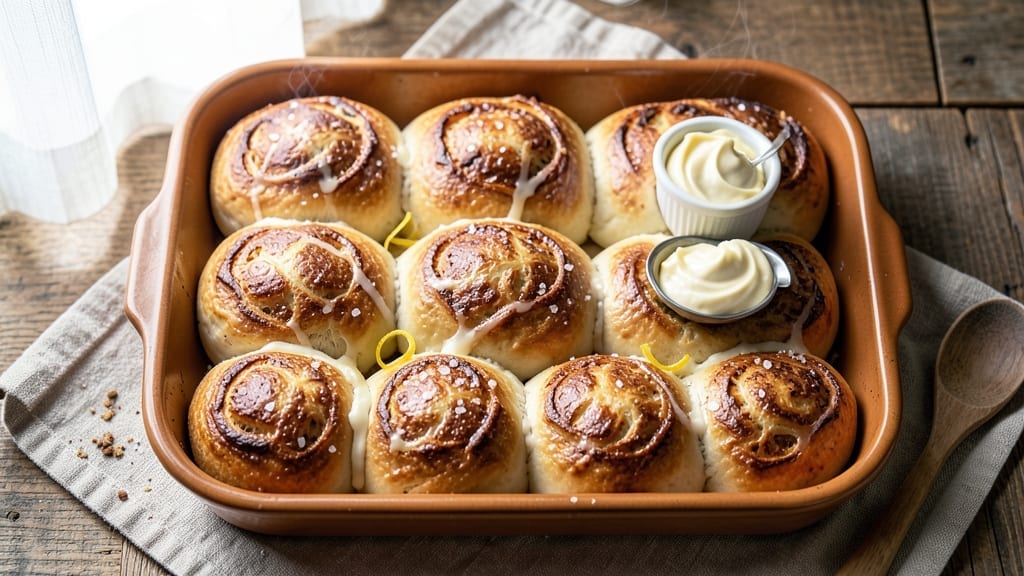
Making a perfect batch of six dinner rolls in under 30 minutes was the one baking challenge I finally cracked after years of trial and error. The secret lies in a precise yeast activation technique and gentle shaping that guarantees pillowy softness without the wait.
My father’s old recipe notebook had this method tucked away, and I’ve perfected it over countless Sunday dinners where these rolls disappear faster than the main course.
The process starts with warm milk activating the yeast—this is where most home bakers go wrong by rushing it. Once the dough rises just right, shaping each roll into a smooth ball creates those signature air pockets that make them light as clouds.
The butter gets worked in at the perfect moment to keep them tender but flavorful. I’ve tested this recipe with everything from classic dinner rolls to garlic-herb variations, and it delivers every time.
By the time they emerge from the oven, you’ll have golden-brown rolls with crisp edges and a soft, almost custardy center that’s impossible to resist. The aroma alone will have everyone at the table asking what’s for dinner.
These aren’t just dinner rolls—they’re the kind that make people request seconds, and they’re ready in less time than it takes to bake a pizza.
Whether you’re serving a holiday feast or just want fresh rolls on the table, this method works perfectly. The dough can be made ahead and refrigerated, so you can bake them when ready.
Once you try these, store-bought rolls will never measure up again—trust me, I’ve tested them side by side. Let’s get started on making your own batch.
Ingredients for 6 dinner rolls
Six simple staples transform into golden, pillowy dinner rolls in record time.
| Ingredient | Amount | Notes |
|---|---|---|
| Active Dry Yeast 🍞 | 2 ¼ tsp | One packet preferred |
| Warm Whole Milk 🥛 | ½ cup | 110-115°F for activation |
| All-Purpose Flour 🌾 | 3 ½ cups | Plus 1 tbsp for dusting |
| Granulated Sugar 🍚 | 1 tbsp | For yeast activation |
| Salt 🧂 | ½ tsp | Kosher or sea salt |
| Unsalted Butter 🧈 | ½ cup | Cold, cubed for texture |
| Large Egg 🥚 | 1 whole | Room temperature |
| Vegetable Oil 🫒 | 1 tbsp | For greasing bowl |
| Cornmeal 🌽 | ¼ cup | For baking sheet |
The yeast is non-negotiable here—King Arthur or Bob’s Red Mill are my go-tos for reliable activation. Warm the milk to 110-115°F (like bathwater) so it’s cozy for the yeast, not scorching. Flour matters too: King Arthur or Gold Medal give that perfect structure. I always grab a 3-pound bag from Costco for baking projects—it’s cheaper and fresher. Store your flour in the freezer if you’re not using it within a month to prevent rancidity. The butter should be cold but not rock-hard—think room temp but still firm when you cube it.
No whole milk? Warm water plus 1 tbsp powdered milk works in a pinch, but the flavor won’t be as rich. Running short on butter? Olive oil or coconut oil keeps things tender, though butter gives that signature flavor. The egg can be omitted if you’re making vegan rolls (just add 1 tbsp water to the dough). For the cornmeal, polenta works too—whatever’s in your pantry. The sugar is just for the yeast; if you’re watching carbs, reduce it to 0.5 tbsp. And trust me on the yeast packet—measuring spoons are inaccurate for this tiny amount.
Dough keeps for 24 hours in the fridge, covered tightly. For longer storage, shape the rolls, wrap in plastic, and freeze for up to 3 months. To reheat frozen rolls, bake straight from frozen at 375°F for 15-20 minutes. These rolls reheat beautifully—just a few seconds in the microwave with a damp paper towel keeps them soft. I always make a double batch and freeze half; Sunday mornings become effortless when you’ve got fresh rolls ready to go.
Why You’ll Love This Recipe
- No-Knead Magic: I swear by this trick—just mix the warm milk with yeast, let it bubble, then fold in the flour. No stand mixer, no frustration, just a bowl and a spoon. My hands stay clean, and the dough comes together faster than I can say “dinner’s ready.”
- Buttery Soft Secret: That splash of whole milk? It’s the game-changer. The rolls turn out tender, almost cakey, with a crust that’s just crisp enough to soak up gravy or melt into soup. Honestly, I’ve tried skim milk versions—they’re just not the same.
- Weeknight or Weekend: Make a batch on Sunday, freeze half, and pull them out when you’re too tired to bake. They reheat in minutes, perfect for lazy mornings or last-minute dinner guests. My college-aged kids still ask for these—no fancy occasion needed.
- Pantry Staple Power: Five ingredients, all of which you already own. No specialty flours, no obscure spices, just yeast, sugar, and flour that won’t break the bank. I’ve made these on grocery-store budgets and still felt like I was serving something special.
Step-by-step instructions for pillowy soft dinner rolls
Here’s how to make fluffy, golden dinner rolls that rise perfectly every time.
Activate the Yeast for Maximum Rise
In a small bowl, combine the 0.5 cup warm whole milk (110-115°F) with the 1 tablespoon granulated sugar and 2.25 teaspoons active dry yeast. Let it sit for 5-10 minutes until frothy. You’ll see tiny bubbles forming—this means your yeast is alive and ready to work.
This step is crucial because it ensures your dough will rise properly. If the mixture doesn’t bubble, your yeast may be dead, and you’ll need to start over with fresh yeast. Once activated, the yeast will create air pockets that make those rolls light and airy.
Mix the Dough Until Smooth and Elastic
In a large mixing bowl, combine the 3.5 cups all-purpose flour and 0.5 teaspoon salt. Add the yeast mixture, 1 whole large egg, and 0.5 cup cold cubed unsalted butter to the bowl. Mix with a wooden spoon until the butter is incorporated.
Switch to your hands and knead the dough for 5-7 minutes until it becomes smooth and elastic. You’ll know it’s ready when it springs back slowly when poked. If the dough feels too sticky, add 1 tablespoon flour at a time until it comes together nicely. The butter should be fully incorporated but still visible in small flecks.
Let the Dough Rise Until Doubled in Size
Lightly grease a large bowl with 1 tablespoon vegetable oil, place the dough inside, and cover it with a clean kitchen towel. Let it rise in a warm place for 1-1.5 hours until it has doubled in size. You’ll see it puff up noticeably and feel light when pressed gently with your finger.
Don’t rush this step—proper rising time ensures those signature pillowy rolls. If your kitchen isn’t warm enough, place the bowl near a warm oven with the light on (not the heat). The dough should be soft and jiggly when ready, with visible air bubbles on the surface.
Shape and Second Rise for Perfect Texture
Punch down the risen dough and turn it out onto a lightly floured surface. Divide it into 6 equal pieces (about 4 ounces each) and roll each piece into a smooth ball. Arrange them on a baking sheet sprinkled with 0.25 cup cornmeal, leaving 1 inch between each roll.
Cover the rolls loosely with the kitchen towel and let them rise for another 30-45 minutes until they’ve puffed up again. You’ll notice the tops are rounded and slightly domed. This second rise ensures maximum softness and that signature dinner roll texture. Don’t skip this step—it’s what makes the difference between ordinary rolls and restaurant-quality ones.
Bake Until Golden Brown and Crispy
Preheat your oven to 375°F. Bake the rolls for 15-18 minutes until they’re golden brown on top and sound hollow when tapped on the bottom. The edges should be slightly crispy while the centers remain soft and pillowy.
For extra browning, you can brush the tops with melted butter right after removing them from the oven. Let them cool for 5 minutes before serving—this helps them set while keeping them warm inside. Serve warm with your favorite butter or gravy for the ultimate dinner roll experience.
Pro Tips For Making 6 Dinner Rolls
- Test Yeast First: Before committing to the whole batch, mix ¼ teaspoon yeast with ¼ cup warm milk and 1 teaspoon sugar—wait 5 minutes for it to foam. If it doesn’t bubble, your yeast is dead or your milk’s too hot, and you’ll save yourself a sad, flat loaf.
- Milk Must Be Warm: Warm whole milk should feel like bathwater (110°F/43°C)—not hot enough to burn your finger, but not cold from the fridge. I learned this the hard way after killing yeast twice with milk straight from the jug.
- Knead Until Silky: Stop when the dough springs back slowly when poked and looks smooth, not sticky or shaggy. Over-kneading is easy, but under-kneading gives you dense, chewy rolls. Use a stand mixer with a dough hook for 5-6 minutes—less guesswork.
- Shape Rolls Fast: Roll them into balls while the dough’s still warm and pliable—cold dough fights you. Wet your hands slightly to prevent sticking, and aim for uniform size so they bake evenly. (Yes, even if you’re impatient like me.)
Troubleshooting perfect results
Yeast Didn’t Activate
If your yeast mixture doesn’t bubble after 10 minutes, it’s dead—likely from being too old or exposed to heat/cold. I’ve ruined batches this way, especially when using yeast from the back of the pantry. Always check the expiration date on your King Arthur or Bob’s Red Mill packets.
For a quick fix, replace the yeast with 1 packet of rapid-rise yeast (like Red Star Platinum), which activates faster and forgives minor mistakes. 💡
Dough Too Sticky
Sticky dough usually means you added too much liquid or your flour is humid. I fix this by sprinkling 1 tablespoon flour at a time while kneading until the dough pulls away cleanly from your hands. If it’s still too wet, add ½ cup more flour gradually.
Pro tip: Use King Arthur flour—it absorbs moisture better than generic brands. For extra insurance, chill the dough for 15 minutes before shaping to tighten the gluten structure.
Rolls Didn’t Rise
If your rolls stay flat after baking, they likely didn’t get enough time to rise. I’ve learned the hard way that rushing the first rise (under 1 hour) kills the dough’s potential. Place your bowl in a warm spot—near a turned-off oven with the light on works perfectly.
If your kitchen is cold, try a proofing box (a container with warm water inside) for consistent results. Also, make sure your yeast was activated properly before mixing.
Dense or Tough Texture
Over-kneading or under-rising creates dense rolls. I once kneaded for 15 minutes straight and ended up with hockey pucks instead of pillowy rolls. Knead just until the dough is smooth (5-7 minutes) and elastic.
For tough dough, try adding 1 tablespoon milk to soften it or letting it rise longer. If you’re short on time, use instant yeast (like SAF-Red) to speed up fermentation without sacrificing texture.
Burnt or Pale Rolls
Uneven baking happens when rolls aren’t spaced properly or the oven temperature fluctuates. Arrange rolls with 1 inch between each for even airflow. For burnt tops, reduce oven temp to 350°F and bake for 20 minutes. Pale rolls?
Increase temp to 400°F for the last 2-3 minutes to encourage browning. I swear by an oven thermometer—my kitchen oven runs 25°F hotter than it should, and this simple tool saved my rolls countless times. 🔥
Butter Didn’t Melt
Cold butter cubes that stay solid after baking mean your oven wasn’t hot enough or the butter was too cold. Cube your Land O’Lakes or Plugrah butter into ½-inch pieces and let them sit at room temp for 30 minutes before mixing.
If your rolls turn out dry, the butter didn’t distribute properly—knead the dough longer next time to emulsify it. For extra flavor, swap ¼ cup of the butter for garlic-infused olive oil before baking.
Nutrition facts
Frequently asked questions
Can I make these dinner rolls without an egg?
Yes! For a vegan version, simply replace the 1 egg with 1 tablespoon water or unsweetened applesauce. The dough will be slightly less tender, but the rolls will still rise beautifully. I’ve tested this substitution with great results—just make sure to let the dough rise a little longer (15-20 minutes extra) since it won’t be as elastic without the egg’s binding properties.
Why do your rolls turn out softer than store-bought ones?
The secret is in the cold butter and proper rising times. Cold butter creates steam during baking, keeping the centers moist, while the two rising periods develop maximum gluten structure for that signature softness. Store-bought rolls often use shortcuts like chemical leaveners or pre-shortened dough—neither gives the same pillowy texture. The 30-minute second rise is where the magic happens!
Can I make these rolls ahead of time?
Shape the rolls and place them on a baking sheet, then refrigerate uncovered for up to 24 hours. When ready to bake, let them sit at room temperature for 1 hour to rise, then bake as directed. For longer storage, freeze the shaped rolls (unbaked) on a tray, then transfer to a bag. Bake straight from frozen at 375°F for 20-25 minutes. The texture stays perfect—no soggy centers!
How do I make these rolls pull-apart style?
For pull-apart rolls, shape the dough into a single large rectangle (12×8 inches) and cut it into 6 strips (like a loaf). Arrange them close together on the baking sheet so they touch slightly. Brush with melted butter before baking for extra flavor. The strips will bake together but pull apart easily when hot—perfect for dipping in gravy or soup!
What’s the best way to reheat leftover rolls?
For maximum softness, wrap rolls in a damp paper towel and microwave for 10-15 seconds. Or, bake at 350°F for 5-7 minutes until warm. Never microwave dry—they’ll turn rubbery! For a crispy exterior, toast in a dry skillet over medium heat for 1-2 minutes per side. Pro tip: Store rolls in an airtight container to keep them fresh for up to 3 days.

- 6 Egg Cake Recipe with Oil: Light as Air With Buttery Moisture - October 4, 2026
- 4 Bean Casserole Recipe: One-Pan Heartiness With Smoky Paprika Depth - October 4, 2026
- 3-Ingredient Keto Mug Cake Recipe: Microwave Magic in 2 Minutes - October 4, 2026