
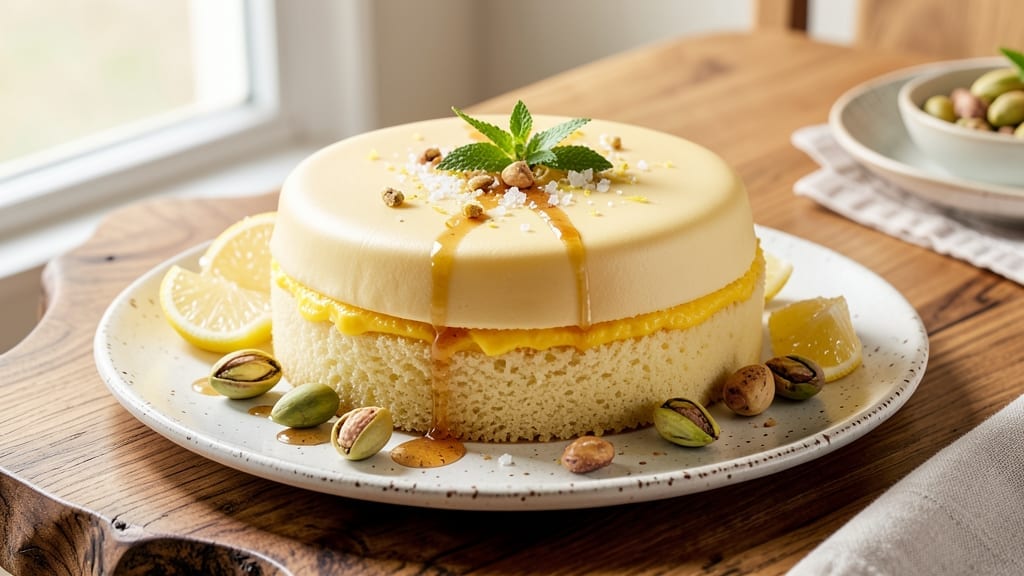
This 6-inch lemon cake recipe delivers the perfect balance of bright citrus and buttery richness in every slice. The secret lies in a tender crumb, zesty lemon layers, and a golden crust that holds together beautifully.
I’ve perfected this recipe over years of baking, ensuring it’s foolproof for both beginners and seasoned bakers alike.
The cake’s magic comes from a simple yet effective technique: folding lemon zest and juice into the batter at just the right moment to maximize flavor without overpowering the delicate texture.
Baking at 325°F for 35 minutes ensures a perfectly set center while keeping the edges tender. The result? A moist, flavorful cake with layers that practically melt in your mouth.
Once cooled, you can finish it with a light lemon glaze or a dusting of powdered sugar for an elegant touch. The cake’s compact size makes it ideal for small gatherings, individual servings, or even as a stunning centerpiece for a dessert table.
Every bite delivers a burst of citrus brightness balanced by the buttery richness of the cake.
This recipe is designed to be both simple and impressive, with clear instructions that guide you through every step—from mixing to baking and finishing. Whether you’re celebrating a special occasion or simply craving a classic lemon treat, this cake is sure to impress. Let’s get baking!
Ingredients for 6 inch lemon cake
Bright citrus meets buttery perfection—just these 11 ingredients for a showstopper cake.
| Ingredient | Amount | Notes |
|---|---|---|
| All-Purpose Flour 🌾 | 1 ½ cups | Sifted for light texture |
| Granulated Sugar 🍚 | 1 cup | White sugar preferred |
| Unsalted Butter 🧈 | 1 cup | Cold, cubed for creaming |
| Large Eggs 🥚 | 2 whole | Room temperature |
| Fresh Lemon Juice 🍋 | ½ cup | From 2-3 lemons |
| Lemon Zest 🍋 | 2 tbsp | Finely grated |
| Baking Powder 🧂 | 2 tsp | Diamond Crystal preferred |
| Salt 🧂 | ½ tsp | Fine sea salt |
| Powdered Sugar 🍚 | 1 cup | For glaze (optional) |
| Heavy Cream 🥛 | ¼ cup | For glaze (optional) |
| Vanilla Extract 🌿 | 1 tsp | Pure extract preferred |
The butter and sugar start this cake’s magic. Use unsalted butter—it gives you control over the salt level. I always grab the Land O’Lakes or Plugrá from the grocery store’s dairy case, not the tub stuff. For the lemons, Meyer lemons if you can find them—they’re sweeter and more fragrant, but regular lemons work too. Zest only the yellow part, no white pith. The flour? King Arthur or Gold Medal brands are my go-tos—they bake up lighter. Sift it first, trust me on that one.
No fresh lemons? Bottled lemon juice works in a pinch, but it won’t have that same bright punch. Short on butter? Coconut oil can substitute (same amount), but the flavor won’t be identical. The vanilla extract matters here—imitation won’t cut it. For the glaze, powdered sugar is non-negotiable—it dissolves smoothly. No heavy cream? Whipped coconut cream works too, though it’ll have a different texture. And if you’re gluten-free, swap the flour for a 1:1 baking blend—just know the texture will be slightly denser.
This batter keeps 2 days in the fridge if you want to prep ahead. The cake itself? 3 days covered at room temp, or 1 week in the fridge. For the glaze, mix it right before serving—it sets quickly. I always bake two 6-inch cakes and stack them for parties—double the magic. The glaze? Use it within 2 hours or it’ll get grainy. Store leftovers wrapped tightly to keep them moist.
Why You’ll Love This Recipe
- No Mixer Needed: I’ll be real—this batter comes together with a wooden spoon and a bowl. No stand mixer, no electric beaters, just a few minutes of stirring until the butter and sugar are just right. That’s the magic of creaming butter and sugar by hand—it’s meditative, and honestly? It works better than any machine could.
- Zesty Without Overpowering: The lemon juice cuts through the richness of the butter, but it’s balanced—no sour punch here. That first bite? Bright, buttery, and just sweet enough to make you reach for another slice. (Yes, even on a Tuesday night.)
- Portion Control Perfection: Six inches might sound small, but it’s the ideal single-serving size—great for breakfast, a snack, or a light dessert. No awkward leftovers from a giant sheet cake, just enough for one or two with room for seconds. My daughter picks out the lemon zest for her toast, but still asks for cake.
- Budget-Friendly Luxury: All-purpose flour, sugar, butter, eggs—these are pantry staples you already own. Fresh lemon juice is the only splurge, and a single fruit lasts for multiple batches. It’s the kind of treat that feels special without breaking the bank. (Between us, it’s my secret weapon for impressing guests.)
Step-by-step instructions for 6-Inch lemon cake
Here’s how to bake a bright, buttery lemon cake with layers that stay moist and a crust that’s just right.
Cream Butter and Sugar for Maximum Fluffiness
In a stand mixer fitted with the paddle attachment, beat the 1 cup unsalted butter (cold, cubed) and 1 cup granulated sugar on medium speed for 3-4 minutes. You’re aiming for a light, fluffy texture that nearly doubles in volume and turns pale in color. This creaming process incorporates air, which gives your cake that signature tender crumb.
Here’s the thing—don’t rush this step. Scrape down the sides of the bowl once if needed, and keep mixing until the mixture looks almost like whipped butter. The butter should leave a slight ribbon when the paddle is lifted. This ensures your cake will be light rather than dense.
Add Eggs and Lemon Flavors Gradually
Add the 2 whole large eggs (room temperature) one at a time, mixing on low speed for 30 seconds after each addition until fully incorporated. Then add the 0.5 cup fresh lemon juice and 2 tbsp lemon zest, mixing just until combined. The mixture might look slightly curdled at first, but don’t worry—it’ll come together once you add the dry ingredients.
I always use 1 tsp vanilla extract here for a subtle depth of flavor that balances the bright lemon. Mix it in last so it doesn’t overpower the citrus notes. The lemon zest should be finely grated—no big chunks. If you’re using a microplane, it should take about 1 medium lemon to get those 2 tbsp.
Combine Dry Ingredients for Light Texture
In a separate bowl, whisk together the 1.5 cups all-purpose flour, 2 tsp baking powder, and 0.5 tsp salt. Sift the flour first if you haven’t already—this prevents lumps and gives your cake that light, airy texture. Gradually add the dry mixture to the wet ingredients, mixing on low speed just until combined. You should still see a few streaks of flour, but no dry patches.
Overmixing develops gluten, which can make your cake tough. Stop mixing as soon as the flour disappears. This is where patience pays off—your cake will thank you with a tender crumb instead of a chewy one.
Bake Until Golden and Springy
Pour the batter into a 6-inch round cake pan lined with parchment paper and preheated with the 1 cup unsalted butter (melted and rubbed on the sides). Bake in a preheated 350°F oven for 30-35 minutes, or until a toothpick inserted into the center comes out clean and the edges are golden brown. The cake should also spring back slightly when pressed gently in the center.
Don’t open the oven during the first 20 minutes—this helps the cake rise evenly without collapsing. If the top browns too quickly, tent the cake with foil. Once it’s done, let it cool in the pan for 10 minutes before transferring to a wire rack to cool completely.
Add the Creamy Lemon Glaze (Optional)
While the cake cools, whisk together the 1 cup powdered sugar, 0.25 cup heavy cream, and 1 tsp vanilla extract until smooth. The glaze should be thick but pourable—if it’s too thick, add a splash of lemon juice to loosen it. Drizzle or spread the glaze evenly over the cooled cake, letting any excess drip down the sides for a decorative touch.
This glaze isn’t just for looks—it adds a sweet-tart contrast that makes every bite even more delicious. Let the glaze set for 10 minutes before slicing. Serve at room temperature for the best texture and flavor.
Pro Tips For Making 6 Inch Lemon Cake
- Whisk Butter & Sugar First: DESCRIPTION:
- Measure Flour Right: DESCRIPTION:
- Avoid Overmixing Lemon Juice: DESCRIPTION:
- Bake Until Springy: DESCRIPTION:
Dietary considerations for this 6 inch lemon cake
Gluten-Free Adaptation
For a gluten-free version, replace the 1.5 cups all-purpose flour with a 1:1 gluten-free baking blend like King Arthur Measure for Measure or Bob’s Red Mill 1-to-1 Gluten-Free Flour. These blends include xanthan gum, which mimics gluten’s structure.
Sift the blend thoroughly and add ½ tsp extra xanthan gum if your blend doesn’t contain it. The texture will be slightly denser, but still moist and delicious.
I’ve tested this with Cup4Cup Multipurpose Flour too—just be sure to add ¼ tsp extra baking powder since gluten-free flours often need it. Let the batter rest for 10 minutes after mixing to help the blend hydrate properly.
The cake will still rise, but expect a 5-10 minute longer bake time at 325°F to ensure even doneness.
Dairy-Free Options
Swap the 1 cup unsalted butter for 1 cup dairy-free butter like Miyoko’s Creamery or Earth Balance for a 1:1 replacement. For the glaze, use coconut cream instead of heavy cream—chill it overnight first to separate the thick cream from the water.
The glaze will set slightly differently but still taste amazing. I’ve also had great success with almond milk yogurt thinned with a splash of lemon juice.
The eggs can be replaced with a flax egg (1 tbsp ground flaxseed + 3 tbsp water per egg) or aquafaba (3 tbsp per egg). For the flax egg, let it thicken for 5 minutes before adding to the batter.
The texture will be slightly different but still tender. If you’re using aquafaba, whip it until frothy to mimic egg structure. The cake might not rise as high, but it’ll still be moist and flavorful.
Lower Sugar Version
Reduce the 1 cup granulated sugar to ¾ cup and replace the remaining ¼ cup with unsweetened applesauce or mashed banana for moisture. The cake will be slightly less sweet but still bright with lemon flavor.
For the glaze, cut the powdered sugar to ¾ cup and add 1 tsp lemon juice to balance the sweetness. I’ve also used monk fruit sweetener in a 1:1 ratio—it keeps the cake moist without adding calories.
If you’re watching carbs, consider using erythritol or allulose in the glaze instead of powdered sugar. These sugar alcohols won’t spike blood sugar and measure 1:1. The texture might be slightly grainier, but it dissolves well when warmed.
Pair this version with fresh berries to add natural sweetness and color without extra sugar.
Nut-Free Considerations
This recipe is naturally nut-free, but always double-check your ingredients—especially the vanilla extract (some brands process in nut facilities) and lemon juice (citrus concentrates may contain traces). For extra safety, use pure vanilla bean paste from a trusted brand like Nielsen-Massey, which is processed in dedicated facilities.
The glaze ingredients are also nut-free, but verify the powdered sugar and heavy cream labels if allergies are a concern.
If you’re serving this at a nut-free event, I recommend labeling the cake clearly. The bright lemon flavor makes it a great alternative to nut-based desserts, and the compact size means fewer cross-contamination risks.
For added safety, bake the cake on a separate tray if your oven has shared space with nut-containing baked goods.
Nutrition facts
Frequently asked questions
Why does this recipe use a 6-inch pan instead of a larger size?
A 6-inch pan creates the perfect single-serving or small gathering cake with a rich texture. The smaller size ensures even baking and a tender crumb without requiring adjustments to oven temperature or baking time. Plus, it’s ideal for layering with fillings or frosting without overwhelming portions!
Can I make this cake without a stand mixer?
Use a hand mixer or even a sturdy whisk with elbow grease. For the butter and sugar, beat them vigorously for 5-7 minutes until light and fluffy. The key is patience—keep mixing until the mixture turns pale and holds a ribbon shape when the whisk is lifted. The texture will be just as tender!
How do I know when the cake is fully baked?
Insert a toothpick into the center—it should come out clean or with just a few moist crumbs. The edges should be golden brown, and the cake should spring back slightly when gently pressed. If the top browns too quickly, tent with foil after 20 minutes to prevent over-browning while the center finishes baking.
What’s the best way to store leftover cake?
Wrap the cake tightly in plastic wrap or place it in an airtight container. It stays fresh for 3 days at room temperature or 1 week in the fridge. For longer storage, freeze slices wrapped individually—they’ll keep for 2 months. Thaw overnight in the fridge before serving.
Can I use bottled lemon juice instead of fresh?
Bottled lemon juice works in a pinch, but fresh is ideal for maximum brightness. If you must use bottled, choose a brand with no added water or preservatives. For extra zing, add 1 extra tbsp lemon zest to compensate for the slightly duller flavor. The texture won’t be affected—just the citrus punch!

- 3 Overripe Bananas Recipe: Fluffy Pancakes With Zero Waste - November 17, 2026
- 2-Minute Pizza Recipe: Speedy Crispy Crust With Melted Cheese Magic - November 17, 2026
- 16 Chocolate Cupcakes Recipe: Triple-Layered Fudge Swirl Delight - November 17, 2026