
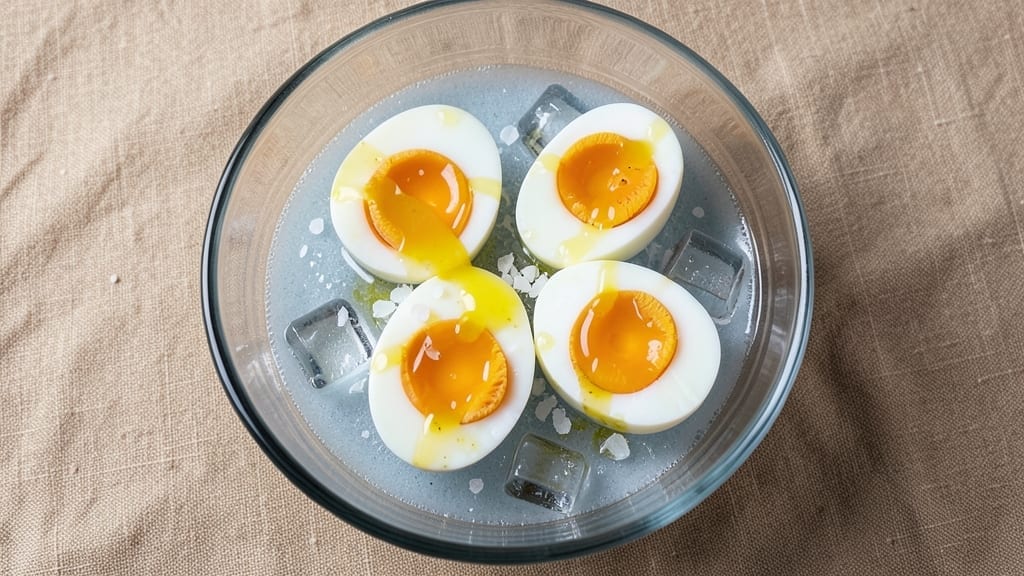
Mastering 63-degree eggs transforms breakfast from ordinary to extraordinary with their silky-smooth yolks that stay perfectly runny. This precision-cooked technique—whether through sous-vide, water bath, or stovetop—delivers restaurant-quality results at home. The science behind the 145°F temperature ensures a custardy texture without overcooking the delicate egg whites.
What sets this method apart is its versatility. Serve these eggs alongside toast for a classic brunch, nestle them into ramen for umami depth, or pair with crispy hash browns for a hearty meal.
The key lies in controlling heat and timing, which we’ll break down step-by-step for foolproof execution every time. The result is an egg with a creamy, velvety yolk that glistens like liquid gold and a tender, barely-set white.
No more guessing—just consistent, professional-quality eggs that impress even the most discerning palates. Safety is built into the process, ensuring you avoid the risks of raw eggs while achieving the perfect texture. Ready to elevate your breakfast game?
Let’s dive into the techniques that make this recipe a game-changer for egg lovers and home cooks alike.
Ingredients for 63 degree egg
Precision-cooked eggs with restaurant-quality yolks—just nine ingredients transform your breakfast forever.
| Ingredient | Amount | Notes |
|---|---|---|
| Large Eggs 🥚 | 4 whole | Room temperature preferred |
| Cold Water 💧 | 4 cups | For ice bath immersion |
| Ice Cubes ❄️ | 2 cups | Freshly frozen preferred |
| Kosher Salt 🧂 | 1 tsp | Fine grain preferred |
| Extra-Virgin Olive Oil 🫒 | 2 tbsp | High-quality for finishing |
| Fresh Lemon Juice 🍋 | 1 tbsp | Freshly squeezed |
| Flaky Sea Salt 🧂 | ½ tsp | For garnish |
| Black Peppercorns 🌶️ | 4 whole | Freshly cracked |
| High-Quality Butter 🧈 | 2 tbsp | Unsalted, softened |
| Lemon Zest 🍋 | 1 tsp | Microplane for fine texture |
For these eggs, quality starts with the eggs themselves. Pasture-raised eggs from local farms or Whole Foods yield richer yolks, but any high-quality eggs work. The olive oil matters too—California avocado or Italian extra-virgin brands like Colavita or Bertolli deliver the best flavor. Keep your ice bath ready: pre-freeze ice cubes overnight for colder water. The kosher salt should be Diamond Crystal if you can find it—it dissolves more cleanly than table salt. Store eggs in their carton in the fridge for up to 3 weeks for optimal freshness.
No extra-virgin olive oil? Avocado oil or light-tasting neutral oil will work, though the flavor won’t be as rich. Short on lemon juice? Lime juice works 1:1, but the color will differ slightly. The butter can be vegetable oil or coconut oil in a pinch, though texture may vary. For the peppercorns, crush them lightly with a mortar and pestle—this releases more flavor than pre-ground pepper. Need to substitute the lemon zest? Orange zest works beautifully, though the flavor profile shifts slightly. Always zest just before using for maximum potency.
These eggs cook best fresh, but you can prepare components ahead: pre-mix lemon juice and zest and store in the fridge for up to 2 days. The ice bath water can be pre-chilled in the fridge for 1 hour before adding ice. Once cooked, serve immediately for peak texture—the yolks begin setting within 10 minutes. For make-ahead options, cook and store in an airtight container submerged in ice water for up to 4 hours, but texture will be slightly firmer. The butter and olive oil can be pre-melted and stored in the fridge for up to 1 week in a sealed container.
Why You’ll Love This Recipe
- No-Fuss Magic: I swear, this takes less effort than boiling water for coffee. Just crack eggs into ice-cold water, wait 10 minutes, and—boom—silky, jammy yolks every time. No peeling, no fuss, no waiting for a pot to boil.
- Silky Perfection: That runny yolk? It’s not a mistake—it’s the star. The cold bath keeps the whites tender while the yolks stay rich and buttery, like a cloud you can eat. Drizzle with olive oil and salt, and suddenly, breakfast feels like a treat.
- Meal Prep MVP: Between us, I make a batch on Sundays and snack on them all week. They keep in the fridge for days, and the simplicity means I’m not stuck with sad, rubbery boiled eggs. Pack them in lunches or toss them into salads—no one will guess they’re this easy.
- Budget Breakthrough: Eggs are cheap, ice is free, and you’re using what you already have. This is how I feed my family without breaking the bank. Plus, the olive oil finish makes them taste like you spent hours in the kitchen. (Spoiler: You didn’t.)
Step-by-step instructions for perfectly silky 63°F eggs
Mastering this technique yields eggs with a perfectly runny yolk every time.
Prepare the Ice Bath
Fill a deep bowl or container large enough to hold all 4 whole large eggs with the 2 cups of ice cubes. Add the 4 cups of cold water to create a proper ice bath. Stir in the 1 teaspoon of kosher salt to lower the freezing point slightly, ensuring more consistent temperature control. The bath should be cold enough to maintain a stable 63°F environment throughout the cooking process.
Place the bowl in the refrigerator for at least 15 minutes before using to ensure it reaches the optimal chilling temperature. The salted water will create a slightly briny environment that helps stabilize the egg whites while allowing the yolks to remain perfectly fluid. This preparation step is critical—don’t skip it, as room-temperature water will take much longer to reach the proper temperature range.
Cook the Eggs to Exact Temperature
Using a thermometer with a thin probe, carefully crack each of the 4 whole large eggs into a small ramekin or heatproof container. Gently lower each ramekin into the ice bath, ensuring the bottoms are fully submerged in the water. The eggs should float slightly—this indicates proper submersion without agitation.
Cook the eggs in the ice bath for exactly 6 minutes and 30 seconds while maintaining a water temperature of 63°F (±1°F). The thermometer should be placed in the center of one egg to monitor the yolk temperature. If the water temperature begins to rise above 64°F, add more ice cubes to maintain the precise cooking temperature. The whites will firm up while the yolks remain completely liquid and silky.
Prepare the Finishing Components
While the eggs cook, prepare the finishing elements. In a small bowl, combine the 2 tablespoons of softened high-quality butter with the 1 tablespoon of fresh lemon juice. Add the 1 teaspoon of lemon zest and the 4 whole black peppercorns, then gently mix until the butter is emulsified. This mixture will provide a bright, citrusy contrast to the rich eggs.
Heat the 2 tablespoons of extra-virgin olive oil in a small skillet over low heat until just warm—it should be hot enough to lightly coat the back of a spoon but not smoking. This warm oil will be used to finish the eggs just before serving, adding an elegant sheen and enhancing the presentation.
Finish and Serve Immediately
Once the eggs reach 63°F internally (verified with the thermometer), carefully remove them from the ice bath using a slotted spoon. Let any excess water drip off for 10 seconds before transferring to warmed plates. Immediately drizzle with the prepared butter-lemon mixture, allowing it to melt slightly and create a glossy finish.
Garnish each serving with a sprinkle of the 0.5 teaspoon of flaky sea salt. The contrast of the salty, citrusy butter against the silky yolk creates a perfect balance of textures and flavors. Serve immediately with crusty bread or fresh asparagus to complement the rich, velvety eggs.
Pro Tips For Making 63 Degree Egg
- Use Room-Temp Eggs: Cold eggs from the fridge will shock the water and make the bath uneven. Let them sit in their shells for 10 minutes first—this keeps the water from dropping below 63°F too fast and ensures a perfectly set yolk every time.
- Salt the Water First: I learned this the hard way—adding salt after the eggs float makes the water uneven. Dissolve the kosher salt in the cold water before adding ice or eggs. This guarantees even seasoning and prevents clumping.
- Don’t Overcrowd the Ice: Too many ice cubes will drop the water temperature below 63°F before the eggs cook. Use just enough ice to lower the water to 63°F (about 1 cup per quart of water) and check with a thermometer—no guessing.
- Shock Eggs in Cold Water: After removing eggs from the 63°F bath, plunge them into ice water for 30 seconds. This stops the cooking process instantly and keeps the yolk creamy instead of rubbery—trust me, it makes a real difference.
Creative variations of this 63 degree egg
Classic Brunch Pairings
Serve these silky eggs alongside toasted sourdough slathered with herb butter for a timeless brunch combo. The crusty bread soaks up the runny yolk beautifully, while the herbs add a fresh contrast.
I love using fresh rosemary or thyme from my garden—just mix 1 tbsp softened butter with 1 tsp chopped herbs and a pinch of salt. 🥖
Asian-Inspired Ramen Bowl
Transform your eggs into an instant ramen upgrade by nestling them into a steaming bowl of miso broth ramen. The silky yolk blends perfectly with the umami-rich broth, creating a luxurious texture.
Top with quick-pickled cucumbers, soft-boiled tamagoyaki (Japanese omelet), and a sprinkle of toasted sesame seeds. The acidity from the pickles cuts through the richness of the egg and butter.
Breakfast Hash Upgrade
Add these eggs to a potato and carrot hash for a hearty breakfast. Sauté 1 cup diced potatoes and ½ cup shredded carrots in 1 tbsp olive oil until golden, then top with the eggs.
Finish with crispy bacon bits and a dollop of sour cream for a satisfying, protein-packed meal. The hash absorbs the egg’s richness while adding a savory depth.
Elegant Salad Topper
Elevate a mixed greens salad with these eggs for a restaurant-worthy dish. Toss 4 cups baby spinach with ½ cup cherry tomatoes, ¼ cup crumbled feta, and a lemon vinaigrette.
Place the eggs on top and drizzle with the same butter-lemon mixture used in the recipe. The bright acidity of the vinaigrette balances the richness of the yolk perfectly.
Sweet & Savory Twist
For a surprising dessert-like breakfast, pair the eggs with warm brioche toast and a drizzle of honey. The sweetness of the honey complements the buttery, citrusy eggs, creating a perfect balance.
I like adding a sprinkle of crushed pistachios for crunch and a touch of orange zest to enhance the citrus notes. This combo feels indulgent yet light—ideal for weekend brunches. 🍯
Global Fusion Ideas
Try a Mexican-inspired version by serving the eggs with warm corn tortillas, avocado slices, and a crema sauce (mix ¼ cup sour cream with 1 tbsp lime juice). For a French twist, pair with baguette slices, Dijon mustard, and a sprinkle of chives.
The global flavors work beautifully with the versatile egg technique, making it adaptable to any cuisine. 🌎
Nutrition facts
Frequently asked questions
Why does cooking eggs at 63°F create such a silky texture?
The magic happens at 63°F (145°F) because this temperature denatures the egg proteins just enough to set the whites while keeping the yolks completely liquid. At this precise point, the proteins in the egg whites begin to unfold and bond, creating a delicate, custard-like structure. The yolk remains untouched by heat, preserving its natural velvety texture. This is the same principle used in professional kitchens for sous-vide cooking!
Can I make these eggs without a thermometer?
While challenging, you can approximate the 63°F texture by using the ice bath method with precise timing. Cook whole eggs in the ice bath for exactly 6 minutes and 30 seconds—this typically achieves the desired doneness. The key is maintaining a consistent cold temperature throughout. For best results, invest in a $20 digital thermometer with a thin probe for accuracy.
What’s the difference between 63°F eggs and regular soft-boiled eggs?
Regular soft-boiled eggs (typically 140-145°F) have partially set yolks that are creamy but still firm. 63°F eggs take this further by keeping the yolks completely liquid while setting the whites just enough to hold their shape. The result is a more delicate, almost custard-like texture that’s closer to what you’d find in high-end restaurants. The whites are barely set—almost transparent—while the yolk remains perfectly runny.
How do I store leftover 63°F eggs?
These eggs are best served immediately, but you can store them for up to 4 hours by keeping them submerged in an ice bath. For longer storage, transfer them to an airtight container and refrigerate for up to 24 hours. However, the texture will firm up slightly over time. To reheat, gently warm in a 160°F (71°C) water bath for 2-3 minutes—never microwave, as it creates rubbery yolks.
Are these eggs safe to eat with runny yolks?
Yes, when cooked to 63°F (145°F) internally, these eggs are completely safe to eat. The USDA and FDA both consider 145°F the minimum safe temperature for eggs. The key is using fresh, high-quality eggs and maintaining precise temperature control throughout the cooking process. The ice bath method ensures even cooking without overcooking, making these eggs both delicious and safe.

- 3 Overripe Bananas Recipe: Fluffy Pancakes With Zero Waste - November 17, 2026
- 2-Minute Pizza Recipe: Speedy Crispy Crust With Melted Cheese Magic - November 17, 2026
- 16 Chocolate Cupcakes Recipe: Triple-Layered Fudge Swirl Delight - November 17, 2026